Amir Mahmud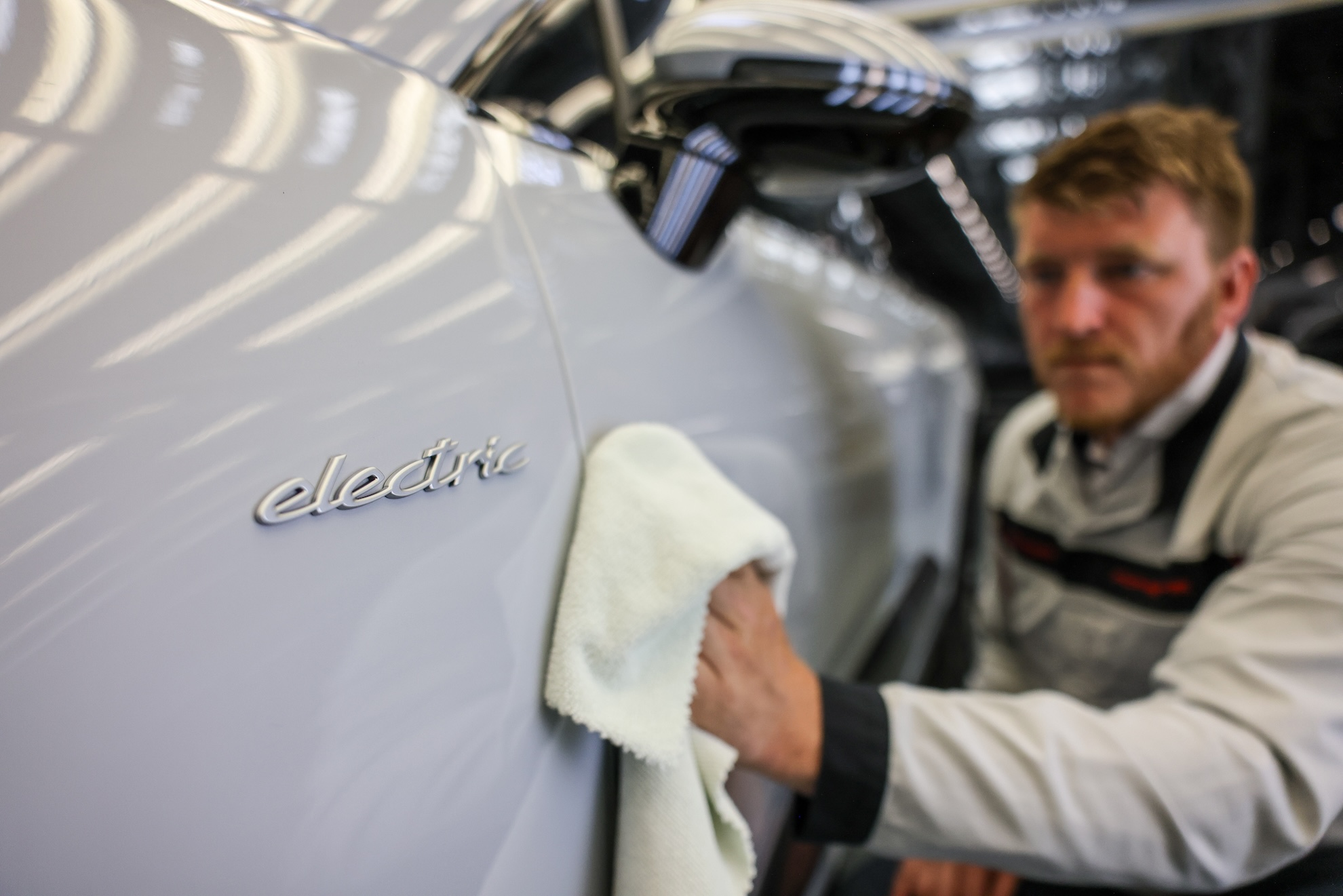
In a significant corporate restructuring, luxury sports car manufacturer Porsche AG has announced the closure of three key subsidiaries, signaling a strategic re-evaluation of its business priorities. The move, which will result in over 500 job losses, underscores the immense pressures facing even established automotive giants as they navigate a rapidly transforming global market characterized by the shift to electric vehicles (EVs), advanced software integration, and intense competition. The affected entities include Cellforce Group, its high-performance battery research and development arm; Porsche eBike Performance, a division focused on electric bicycle drive systems; and Cetitec, a software company specializing in networking solutions for the automotive industry.
A Strategic Retrenchment
The decision to shutter these ventures comes as Porsche grapples with declining sales and narrowing profit margins in crucial global markets. Michael Leiters, Porsche’s CEO and Executive Chair, articulated the company’s renewed focus in a statement, emphasizing the need to "refocus on our core business." This foundational principle, he explained, is indispensable for a successful strategic realignment, necessitating "painful cuts" across various operations, including its subsidiaries. This directive is not entirely new; Leiters, who assumed the CEO role earlier this year, first outlined plans for a comprehensive business repositioning in March, aiming to make the company "leaner, faster and the products even more desirable."
The closures represent a tangible step in this broader strategy. Cellforce Group, which had already undergone a "realignment" in August to pivot from battery manufacturing to pure research and development, now ceases operations entirely. This latest development indicates a definitive shift in Porsche’s approach to EV battery technology. Similarly, Porsche eBike Performance, an ambitious foray into the burgeoning electric bicycle market, and Cetitec, a software subsidiary serving both Porsche and the wider Volkswagen Group, are also being wound down.
The Pursuit of Vertical Integration: A Brief History
Porsche’s journey into these now-defunct ventures was rooted in a broader industry trend toward vertical integration, particularly in the realm of electric mobility. As the automotive world began its inexorable march towards electrification, many manufacturers sought to control critical components like batteries and software, believing in-house development would provide a competitive edge and ensure supply chain security.
Cellforce Group, established in 2021 as a joint venture with Customcells, exemplified this ambition. The vision was to develop and produce high-performance battery cells specifically tailored for Porsche’s luxury electric vehicles. Oliver Blume, then chairman of Porsche’s executive board and now CEO of the entire Volkswagen Group, famously declared in 2022 that "the battery cell is the combustion chamber of the future," highlighting the strategic importance Porsche placed on this technology. The aim was to create batteries that would differentiate Porsche EVs through superior performance, charging times, and longevity, much like their internal combustion engines had historically set benchmarks.
Similarly, the establishment of Cetitec underscored the growing importance of software in modern vehicles. With cars becoming increasingly sophisticated, networked, and reliant on digital functionalities, having in-house expertise in networking software was seen as crucial for developing seamless user experiences and advanced driver-assistance systems. Porsche eBike Performance, though seemingly a departure from its core automotive business, was a logical extension of its high-performance engineering ethos into the rapidly expanding electric micromobility sector, offering premium e-bike drive systems. These initiatives collectively reflected a strategy to broaden Porsche’s technological footprint and diversify its revenue streams in anticipation of a new era of mobility.
Challenges in the Electrification Journey
Despite these forward-looking investments, Porsche’s electrification efforts have encountered significant hurdles. While the launch of the Taycan in 2019 was widely heralded as a strong entry into the luxury EV segment, subsequent electric vehicle development has faced considerable delays. The highly anticipated electric Macan, for instance, has been pushed back by nearly two years. A primary culprit identified for these setbacks has been the lagging software development within Volkswagen’s Cariad division, which is responsible for developing unified software platforms across the entire VW Group, including Porsche.
Cariad’s struggles have become a well-documented challenge for the Volkswagen Group, affecting multiple brands and vehicle launches. Developing complex, integrated software ecosystems from scratch is a monumental task, and the learning curve for traditional automakers has proven steeper than initially anticipated. This reliance on a group-wide software solution meant that Porsche’s individual EV timelines became intertwined with Cariad’s progress, creating bottlenecks that ultimately hampered its ability to bring new electric models to market swiftly. The ambition to fully electrify its lineup, initially aiming for EVs to constitute a significant majority of sales by 2030, has thus faced practical obstacles that necessitate a recalibration of strategy and timelines.
Market Headwinds and Shifting Consumer Landscape
The corporate restructuring also occurs against a backdrop of challenging market conditions. Porsche has reported declining sales in several key regions during the first quarter of this year. Deliveries in North America fell by 11%, while the crucial Chinese market saw an even steeper decline of 21%. European sales were also down by 18%, though Germany, its home market, registered a slight increase.
Porsche has publicly attributed some of its recent woes to slower-than-expected EV adoption rates. However, this explanation faces scrutiny when considering market dynamics in regions like China. The Chinese automotive market has rapidly embraced electric vehicles, with EVs now accounting for more than half of all new car sales. Porsche’s continued underperformance in this EV-dominant market suggests that broader competitive pressures, shifting consumer preferences within the luxury segment, and possibly even the attractiveness of its current EV offerings, might be more significant factors than a general reluctance toward electric vehicles. The intensely competitive landscape in China, where numerous domestic EV brands offer advanced technology at aggressive price points, presents a unique challenge for premium foreign brands.
Furthermore, global economic uncertainties, supply chain disruptions, and inflationary pressures have impacted consumer spending on high-end luxury goods, including premium automobiles. The luxury segment, while often more resilient, is not immune to these broader macroeconomic forces, forcing brands like Porsche to adapt their strategies to maintain profitability and market share.
E-Bikes and Software: Diversification’s Limits
The decision to exit the e-bike and software ventures highlights the inherent risks and challenges of diversification, particularly for a brand renowned for its focused excellence in sports car manufacturing. While Porsche’s engineering prowess could undoubtedly translate to premium e-bike drive systems, the e-bike market itself is highly fragmented and intensely competitive, with numerous established players and agile startups. Sustaining a high-margin, distinctively Porsche offering in this space likely proved more challenging than initially envisioned, diverting resources from its core automotive mission.
Similarly, in-house software development, while strategically appealing, is an incredibly resource-intensive undertaking. The automotive industry is increasingly recognizing the complexity of developing software on par with leading tech companies. The closure of Cetitec, even as software remains critical for future vehicles, signals a shift towards a more pragmatic approach, potentially involving greater collaboration with external software specialists or a streamlined focus on software integration rather than ground-up development for non-core functions. This move could also reflect a prioritization of internal software resources towards critical vehicle operating systems, rather than broader networking solutions.
The "Technology-Open" Path Forward
Porsche’s declared shift to a "technology-open powertrain strategy" is a crucial analytical point. This corporate parlance signifies a move away from attempting to develop every core technology in-house. Instead, it suggests an increased reliance on external suppliers and partners for key components like advanced battery cells. This approach carries both advantages and disadvantages.
On the one hand, it allows Porsche to leverage the specialized expertise and economies of scale of leading battery manufacturers and technology providers. This can potentially accelerate development timelines, reduce internal R&D costs, and provide access to the latest innovations without the burden of massive capital expenditure for manufacturing facilities. It also provides flexibility, allowing Porsche to adapt quickly to evolving battery technologies and chemistries by partnering with different suppliers. For a luxury brand, this could mean focusing its internal engineering talent on integrating these components seamlessly into its vehicles, ensuring the distinctive Porsche driving experience, rather than reinventing the wheel on battery chemistry.
However, a technology-open strategy also carries risks. It could reduce Porsche’s control over critical supply chains, potentially exposing it to external dependencies and market fluctuations. It might also make it harder to differentiate its EV performance solely based on proprietary battery technology, pushing the emphasis more heavily onto vehicle architecture, software integration, and overall brand experience. This strategic pivot reflects a mature understanding that while vertical integration can be powerful, it must be selectively applied to technologies where a company can truly achieve a unique, defensible advantage, and where the costs are justified by the returns.
Impact on Workforce and Industry Signals
The closure of these subsidiaries and the associated job losses will undoubtedly have a significant impact on the more than 500 affected employees. For the individuals involved, this represents a challenging transition, highlighting the human cost of corporate restructuring in a dynamic industry. For the broader automotive sector, Porsche’s actions send a clear signal: even the most iconic and financially robust brands are not immune to the harsh realities of the EV transition and global economic pressures. It underscores the immense capital investment required to transform an entire business model and the tough choices companies must make to remain competitive and profitable.
Looking Ahead: Balancing Tradition and Innovation
As Porsche navigates this period of strategic realignment, its immediate future involves a delicate balancing act. While it has recently shifted some new vehicle development efforts back towards reviving internal combustion engine (ICE) platforms – a move that somewhat defers its aggressive electrification timeline – the company remains committed to its EV future. The gas-powered Macan is slated for discontinuation, with an all-electric version expected to roll out soon. Furthermore, an all-electric version of the Cayenne, along with several variants, is anticipated to enter the market this year.
This dual approach suggests a pragmatic adaptation to market realities, acknowledging that the transition to full electrification might be more protracted and complex than initially projected. By streamlining its operations and focusing on its core competencies – designing and engineering high-performance luxury vehicles – Porsche aims to ensure its resilience and desirability in a fragmented and evolving automotive landscape. The path forward involves leveraging external expertise where it makes strategic sense, while intensely concentrating its internal resources on what it believes will define the ultimate luxury electric driving experience. The success of this sharpened focus will ultimately determine Porsche’s trajectory in the next chapter of automotive history.