Amir Mahmud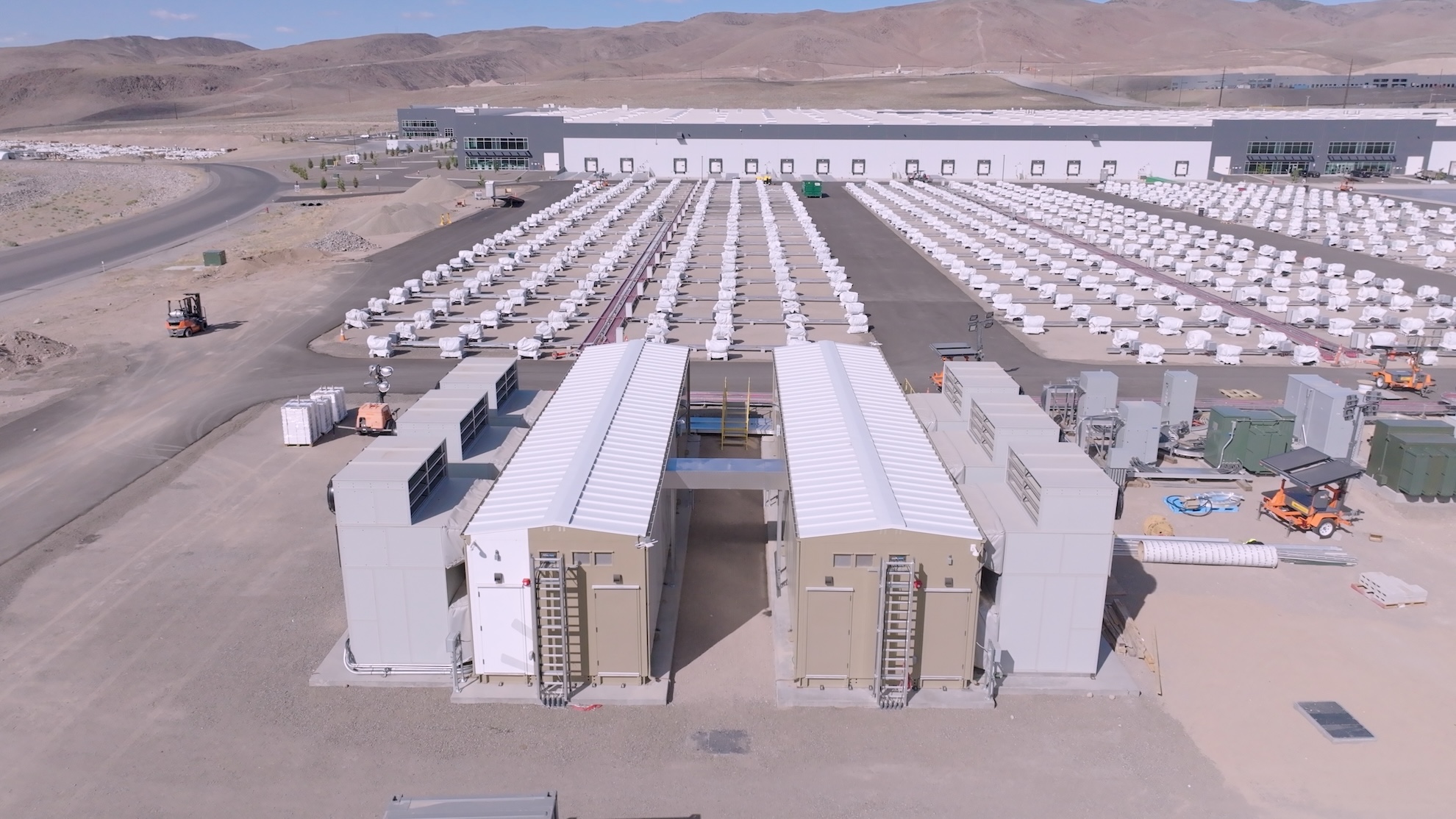
Redwood Materials, a prominent figure in the nascent battery recycling sector, is undergoing a significant corporate transformation marked by a series of high-profile executive departures, a substantial workforce reduction, and a strategic pivot toward the burgeoning energy storage market. The most recent executive change involves Chief Operating Officer Chris Lister, who is reportedly retiring. This development closely follows a broader restructuring effort that saw approximately 10% of the company’s workforce, totaling around 135 employees, laid off. These shifts signal a critical juncture for the Nevada-based enterprise as it recalibrates its operational strategy and market focus in an evolving global energy landscape.
Leadership Transitions and Organizational Restructuring
Chris Lister, a veteran of large-scale operations and a former vice president who spearheaded activities at Tesla’s Nevada Gigafactory, is stepping down from his role as Chief Operating Officer at Redwood Materials. Lister joined the company in late 2023 as Chief Supply Chain Officer and quickly ascended to the COO position in 2024, placing him in close proximity to Redwood’s founder and CEO, JB Straubel, himself a co-founder and former Chief Technology Officer at Tesla. Redwood Materials confirmed Lister’s retirement, extending well wishes for his future endeavors.
Lister’s departure is not an isolated incident. Several other key executives have also exited Redwood Materials in recent months, pointing to a broader organizational reshuffling. Bradley Mayhew, Vice President of Integrated Supply Chain, and Guillermo Urquiza, Vice President of Mechanical Engineering – both also former Tesla employees – departed in early March and April, respectively. Additionally, Carlos Lozano, the company’s Vice President of Manufacturing, moved to a leadership role at Panasonic earlier this year. While Redwood declined to comment on individual departures beyond Lister’s, CEO JB Straubel’s internal communications indicated a strategic intent to reduce management layers, suggesting these changes align with a broader organizational streamlining aimed at fostering greater agility and efficiency.
The recent workforce reductions, impacting roughly 135 employees, further underscore the company’s commitment to this restructuring. In an internal email to employees, Straubel acknowledged that "parts of the company have expanded faster than needed." This statement suggests that some departments or initiatives may have outpaced the company’s immediate strategic requirements or market realities, necessitating a more focused and leaner operational structure. The decision to reduce staff, while difficult, is framed as a necessary step to optimize resource allocation and enhance the company’s ability to execute its revised strategic priorities.
Strategic Repositioning Towards Energy Storage
The executive movements and layoffs are integral components of a comprehensive restructuring initiated by Redwood Materials, explicitly designed to bolster its emerging energy storage business. CEO JB Straubel articulated in an internal email that this reorganization is crucial for supporting the company’s growth in this new segment. Redwood has recently secured notable agreements with automotive manufacturer Rivian and artificial intelligence firm Crusoe, committing to supply refurbished batteries specifically for grid-scale energy storage applications.
This strategic pivot underscores a recognition of the dynamic shifts within the broader battery market. While electric vehicle (EV) battery recycling remains a foundational aspect of Redwood’s mission, the company is increasingly leveraging its expertise in battery reclamation and re-manufacturing for stationary storage solutions. The demand for grid-scale energy storage is escalating globally, driven by the imperative to integrate intermittent renewable energy sources like solar and wind power, enhance grid stability, and provide backup power during peak demand or outages. By repurposing EV batteries that may no longer meet the stringent performance requirements for automotive use but retain substantial capacity for stationary applications, Redwood aims to create a sustainable and economically viable secondary market for these critical components. This approach extends the lifecycle of valuable battery materials, reducing waste and the need for new raw material extraction, aligning with the principles of a circular economy.
The shift is not merely an opportunistic diversification but reflects a calculated response to evolving market signals. While the long-term outlook for EVs remains robust, the pace of adoption has experienced some recent fluctuations and pressures, leading to a re-evaluation of growth projections across the industry. Conversely, the need for robust energy storage infrastructure is accelerating, propelled by climate change imperatives and the rapid expansion of renewable energy generation. Utilities, businesses, and even data centers are increasingly investing in battery energy storage systems (BESS) to ensure reliable power supply and optimize energy usage. Redwood’s move positions it to capture value from both the primary EV battery lifecycle and the rapidly expanding "second life" applications for these advanced power sources.
Redwood Materials: A Vision Rooted in Circularity
Founded in 2017 by JB Straubel, a visionary known for his pivotal role in Tesla’s early technological advancements as a co-founder and long-time Chief Technology Officer, Redwood Materials emerged with an ambitious goal: to establish a closed-loop supply chain for lithium-ion batteries. Straubel’s initial vision was to domestically recycle end-of-life electric vehicle batteries and manufacturing scrap, extracting critical materials like lithium, nickel, cobalt, and manganese, and then reintroduce them into the production of new batteries. This model aims to reduce the environmental footprint of battery manufacturing, mitigate geopolitical supply chain risks, and lower the overall cost of batteries, creating a truly sustainable ecosystem for advanced battery technology.
The company has attracted substantial investment, securing hundreds of millions in funding rounds and reaching a valuation exceeding several billion dollars, supported by prominent investors keen on sustainable technology and domestic manufacturing capabilities. Redwood has established advanced recycling and re-manufacturing facilities in Nevada, strategically positioning itself near major EV battery production hubs, including Tesla’s Gigafactory. Its initial partnerships included significant collaborations with automakers such as Ford and Volkswagen, focusing on traditional EV battery recycling and material supply. The transition to a more diversified strategy, encompassing energy storage, signifies an evolution in how the company perceives its role within the broader energy transition, adapting to market signals and expanding its potential revenue streams beyond solely serving the automotive sector. This expansion leverages Redwood’s core competencies in battery chemistry and material science, applying them to a wider array of high-growth applications.
The Evolving Landscape of Battery Technology and Recycling
The global battery market is experiencing unprecedented growth, primarily fueled by the accelerating adoption of electric vehicles and the increasing deployment of renewable energy systems. However, this growth also presents significant challenges, particularly concerning raw material sourcing, environmental impact, and end-of-life management. Battery recycling is heralded as a cornerstone of a sustainable energy future, offering a pathway to mitigate these concerns by recovering valuable materials and reducing the need for virgin mining.
The industry faces hurdles such as the high cost of collection and transportation of spent batteries, the complexity of diverse battery chemistries, and the need for advanced, efficient recycling technologies capable of handling various battery types at scale. Governments worldwide are recognizing the strategic importance of domestic battery supply chains, with initiatives like the U.S. Inflation Reduction Act (IRA) providing significant incentives for localized manufacturing and recycling, aiming to foster energy independence and create green jobs. This regulatory environment creates both opportunities and competitive pressures, as numerous startups and established industrial players vie for market share in this burgeoning sector.
Redwood Materials’ diversification into energy storage aligns with a broader trend among battery companies to explore multiple applications for their technologies and recovered materials, recognizing that the "second life" of batteries for grid storage can unlock significant value and contribute to a more resilient and sustainable energy infrastructure. This approach not only extends the economic life of batteries but also addresses a critical environmental challenge: the disposal of used EV batteries. By finding a viable secondary use, companies like Redwood are helping to prevent these powerful energy sources from ending up in landfills, instead integrating them into the grid to support renewable energy and enhance reliability.
Market Impact and Future Outlook
The recent restructuring at Redwood Materials, while leading to workforce reductions, can also be interpreted as a strategic recalibration necessary for long-term viability in a rapidly maturing yet still volatile market. Layoffs, though difficult for affected employees, are not uncommon in high-growth, capital-intensive industries undergoing periods of intense innovation and market adjustment. For Redwood, the shift towards energy storage represents an attempt to capitalize on a market segment perceived as more stable or experiencing different growth dynamics than the sometimes-unpredictable EV sector. The automotive industry, particularly the EV segment, is highly susceptible to economic cycles, consumer sentiment, and raw material price fluctuations, making diversification a prudent strategy.
Experts in the clean energy sector often point to the critical need for diversification and adaptability among companies operating in the nascent stages of the energy transition. Redwood’s move could be seen as a proactive measure to build a more robust business model, balancing its foundational EV recycling operations with a growing presence in grid storage. This dual focus could provide greater revenue stability and mitigate risks associated with over-reliance on a single market segment. The success of this pivot will depend on its ability to scale its energy storage operations efficiently, secure further partnerships, and maintain its technological edge in battery re-manufacturing and material recovery. The company’s ability to execute on its vision for both primary recycling and secondary applications will be a key determinant of its long-term market leadership.
Conclusion
As Redwood Materials navigates these significant organizational and strategic changes, CEO JB Straubel has expressed unwavering confidence in the company’s future trajectory. He communicated to employees that while certain areas of the company had expanded "faster than needed," the revised structure positions Redwood to be "more focused" and capable of delivering on its critical projects with a "smaller team." Straubel emphasized the company’s resilience, noting its ability to adapt to market shifts that have proven fatal for competitors. This period of transition will undoubtedly test Redwood’s agility and strategic acumen, but its foundational mission of creating a circular economy for batteries remains a vital endeavor in the global pursuit of sustainable energy, now with an expanded focus on powering the grid of tomorrow.