Amir Mahmud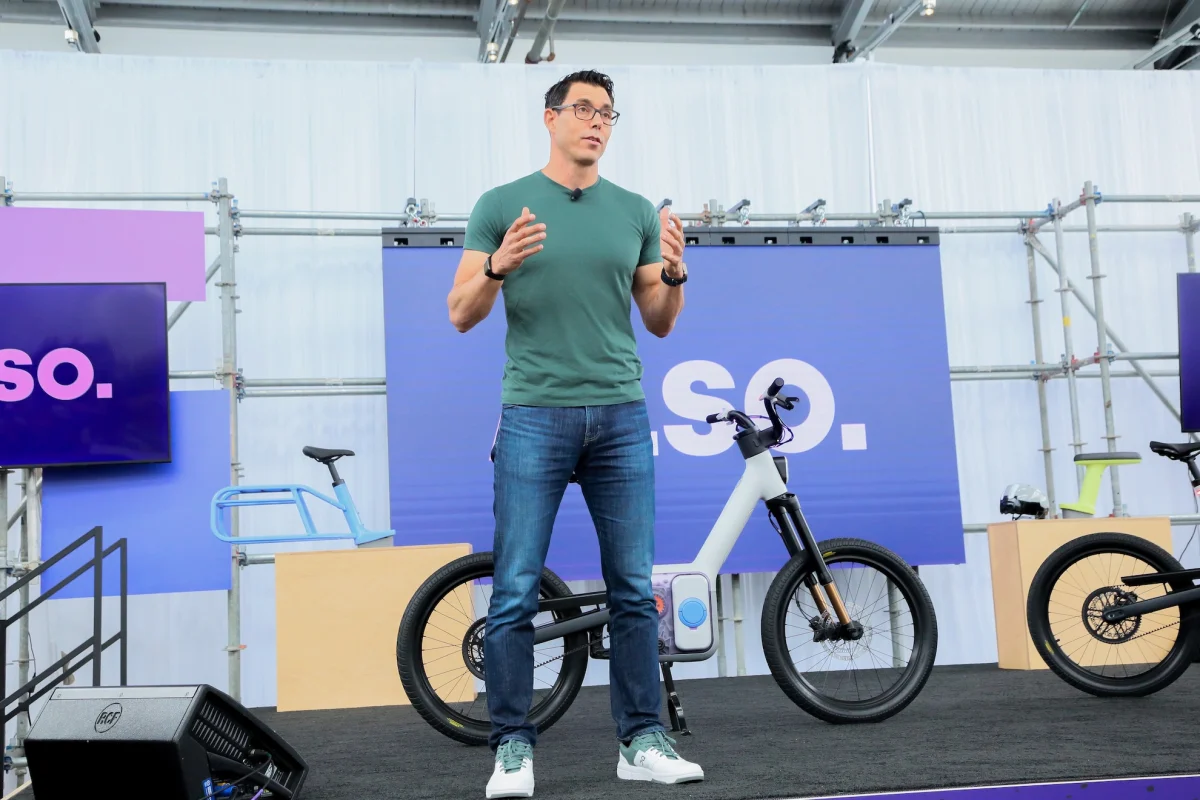
Also, the independent micromobility company born from electric vehicle manufacturer Rivian, has finally initiated deliveries of its inaugural e-bike model, the TM-B Launch Edition, to eager customers. This milestone arrives after several months of unforeseen production delays, primarily attributed to widespread supply chain disruptions that have rippled across various industries globally. The company confirmed that these premium e-bikes, retailing at $4,500, have commenced their journey from manufacturing facilities to its U.S. warehouse, with all Launch Edition orders anticipated to reach customers between the current week and September.
This long-awaited rollout marks a pivotal moment for Also, which emerged from Rivian’s internal innovation lab with ambitious plans to redefine urban and recreational transportation beyond traditional electric vehicles. The journey to this point has been characterized by both cutting-edge design and the formidable challenges inherent in launching new hardware in a volatile global economic landscape.
From Rivian’s Vision to Independent Venture
The genesis of Also can be traced back to 2022, when Rivian CEO RJ Scaringe began exploring the concept of an electric bicycle. Scaringe envisioned a product that would seamlessly complement Rivian’s existing portfolio of adventure-oriented electric trucks and SUVs, catering to the same demographic of outdoor enthusiasts and environmentally conscious consumers. This initial exploration was cultivated within Rivian as a "skunkworks project," a term often used for a small, autonomous team working on advanced or secret projects. The idea was to extend Rivian’s ethos of sustainable mobility and thoughtful design into the burgeoning micromobility sector.
The project gained significant momentum and credibility with the involvement of LoveFrom, the design firm founded by the legendary Jony Ive, known for his transformative work at Apple. Their collaboration on the early design of Rivian’s electric bike, first reported in 2025, underscored the seriousness and premium aspirations of the venture. This partnership signaled a commitment to aesthetic excellence and user-centric design, aligning with Rivian’s own brand identity.
By March 2025, the micromobility initiative had matured sufficiently to warrant a spin-out, transforming Also into an independent entity. This strategic move was backed by a substantial $105 million investment from Eclipse, a venture capital firm known for investing in industrial technology companies. This considerable financial backing provided Also with the necessary capital to scale its operations, refine its product, and pursue its broader vision as a standalone "vehicle company," rather than merely an e-bike manufacturer. The TM-B, Also’s first public offering, was officially unveiled in October of last year, generating considerable anticipation within the electric vehicle and micromobility communities.
The Unforgiving Realities of Global Supply Chains
Despite its strong backing and innovative spirit, Also quickly encountered the harsh realities of modern manufacturing and logistics. The company initially aimed for a "Spring 2026" delivery window for its TM-B e-bikes. However, these plans were derailed by what the company described as "unspecified supply chain issues," leading to the delivery timeline being pushed first to July and now extending into September for some customers.
In a candid statement released in June on its support page, Also elaborated on the root cause of these delays: "The primary factor driving our updated summer timeline is current stress on global supply chains. A rapid, industry-wide spike in demand for raw materials and electronic components has impacted key parts required for the TM-B. This has temporarily delayed our planned manufacturing ramp-up and pushed our first delivery dates past our original spring window." While the company refrained from specifying the exact components that caused the bottleneck, such issues commonly involve critical parts like specialized batteries, microcontrollers, display units, or even specific grades of aluminum or carbon fiber.
This situation is far from unique to Also. The global economy has been grappling with persistent supply chain disruptions since the onset of the COVID-19 pandemic. Factories faced shutdowns, logistics networks were overwhelmed, and a surge in demand for consumer electronics and automotive components created a perfect storm of shortages. Industries from automotive giants like Ford and General Motors to tech behemoths like Apple have reported significant production challenges and delivery delays. For a nascent company like Also, relying on a complex web of international suppliers, these macro-economic forces can be particularly challenging to navigate, often disproportionately impacting smaller players who lack the purchasing power or long-standing relationships of larger corporations. The ripple effect of these delays extends beyond manufacturing, impacting marketing schedules, cash flow, and most critically, customer satisfaction and brand reputation.
The TM-B E-Bike: Design, Market Position, and Competition
The TM-B e-bike is positioned as a high-end, modular electric bicycle, commanding a premium price point of $4,500. Its design lineage, influenced by LoveFrom, suggests a focus on clean lines, intuitive functionality, and robust construction. The "modular" aspect hints at potential for customization, easy repair, or future upgrades, which could be a significant differentiator in a crowded market.
The e-bike market itself is experiencing explosive growth, driven by increasing environmental consciousness, urban congestion, and a desire for alternative modes of transport. According to various market research reports, the global e-bike market size is projected to grow significantly in the coming years, with segments ranging from commuter bikes and mountain bikes to cargo e-bikes. This growth is fueled by advancements in battery technology, motor efficiency, and smart connectivity features.
Also’s TM-B enters a competitive arena populated by established bicycle manufacturers (e.g., Specialized, Trek, Giant), dedicated e-bike brands (e.g., Rad Power Bikes, VanMoof, Cowboy), and even other automotive-affiliated ventures. What sets the TM-B apart is its direct connection to Rivian, implying a certain standard of engineering, design, and perhaps integration with a broader electric ecosystem. The premium pricing places it in competition with high-performance e-bikes that often feature advanced suspension systems, integrated smart technology, and lightweight materials. For Also, success will hinge not only on the bike’s performance and design but also on leveraging the Rivian brand’s reputation for quality and adventure.
Also’s Broader Micromobility Ambitions
While the TM-B e-bike is its first consumer product, Also’s vision extends far beyond two-wheeled electric vehicles. The company frequently refers to itself as a "vehicle company," underscoring its expansive ambitions within the micromobility landscape. This includes plans for innovative solutions in last-mile logistics and autonomous delivery.
Notably, Also has secured significant partnerships to develop specialized vehicles. The company intends to manufacture four-wheel pedal-assist cargo vehicles specifically for Amazon, tapping into the e-commerce giant’s immense logistical needs. This initiative aligns with a growing trend in urban delivery, where smaller, more agile, and environmentally friendly vehicles are replacing traditional vans for short-distance deliveries, especially in congested city centers. Such vehicles can navigate narrow streets, reduce emissions, and often be more cost-effective for last-mile operations.
Furthermore, Also is reportedly working on an autonomous delivery vehicle for DoorDash, a leading food delivery platform. This venture positions Also at the forefront of the autonomous micromobility revolution, a sector poised to transform urban logistics. Autonomous delivery vehicles promise increased efficiency, reduced labor costs, and the potential for 24/7 service. However, they also face significant regulatory, technological, and public acceptance hurdles. These ambitious projects highlight Also’s strategic intent to become a multifaceted player in the evolving landscape of sustainable urban transport and logistics, leveraging its engineering capabilities to address diverse mobility challenges.
The Critical Role of Customer Service and Communication
The delays, while understandable in the current global climate, have inevitably led to frustration among early adopters and pre-order customers. Online forums, particularly the r/ALSOmicromobility subreddit, became a platform for customers to voice their concerns. On the last day of July, a thread filled with expressions of exasperation over the "lack of communication and the actual miscommunication/lies" regarding shipment timelines clearly indicated the strain on customer relations.
One user lamented, "Why do they keep making these promises about shipping timelines just to blow right past them without any communication or actual updates? It really makes no sense." Another, clinging to hope, quipped, "Hey we’ve still got a few business hours left in July. Maybe we’ll get an email later this morning." Not all customers maintained such patience, with one commenter simply stating, "Couldn’t wait any longer and canceled my reservation."
These sentiments underscore the critical importance of transparent and proactive communication, especially for a new brand attempting to establish trust and loyalty. In the age of instant information and social media, customer experience extends beyond the product itself to encompass the entire purchase journey. Managing expectations, providing frequent and honest updates, and offering clear recourse for delays are paramount. For a company like Also, whose brand identity is intertwined with a premium experience, addressing these early customer service challenges will be crucial for building a positive reputation and fostering a loyal customer base that can withstand future inevitable hurdles.
The Road Ahead for Also
As Also begins its long-awaited e-bike deliveries, the company stands at a critical juncture. The immediate task is to successfully fulfill all Launch Edition orders, ensuring a smooth delivery process and addressing any post-delivery customer service needs. This initial phase will be a true test of its operational capabilities and its commitment to customer satisfaction.
Looking ahead, Also faces the challenge of scaling production, refining its supply chain resilience, and continuing to innovate on its product roadmap. The success of the TM-B e-bike will not only provide revenue but also serve as a foundational proof point for its broader ambitions in cargo and autonomous vehicles. The micromobility sector is dynamic and highly competitive, but with its strong backing, design prowess, and a clear vision for diversified offerings, Also possesses the potential to carve out a significant and impactful niche. Its ability to learn from early challenges, adapt to market demands, and maintain a sharp focus on both innovation and customer experience will ultimately determine its trajectory in the exciting, rapidly evolving world of personal and urban transportation.