Amir Mahmud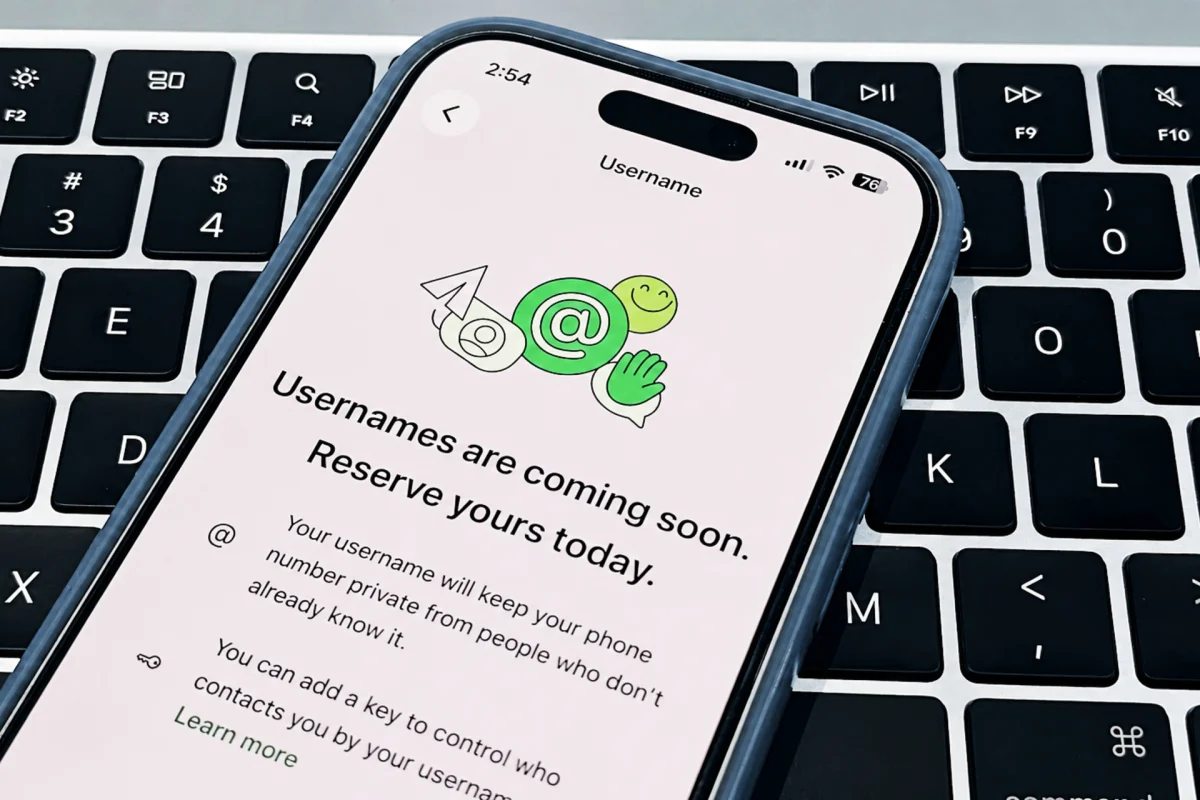
WhatsApp, the ubiquitous messaging application with billions of users worldwide, recently initiated the rollout of a new username reservation feature, a significant departure from its long-standing phone number-based identification system. While the company positions this change as a privacy enhancement, enabling users to connect without revealing their personal phone numbers, the early implementation has already triggered a wave of concerns, particularly regarding the potential for widespread impersonation and online fraud. This technological shift is not merely a product update; it represents a fundamental re-evaluation of digital identity on one of the world’s most critical communication platforms, prompting immediate scrutiny from cybersecurity experts, digital rights advocates, and government regulators, especially in markets like India, which boasts over half a billion WhatsApp users.
The Evolution of Digital Identity on WhatsApp
For years, WhatsApp has distinguished itself by tethering user accounts directly to phone numbers. This model, while providing a straightforward means of contact synchronization, also presented inherent privacy challenges. Sharing a phone number, even with a new acquaintance, could expose users to a range of risks, from unsolicited calls and messages to more sophisticated threats like SIM-swap attacks, where malicious actors hijack a phone number to gain access to other linked accounts. The introduction of usernames aims to mitigate these risks by offering an alternative, more private identifier. Users will now be able to find and message each other using a unique handle, similar to platforms like X (formerly Twitter) or Instagram, theoretically shielding their phone numbers from public view or casual sharing.
This move aligns with a broader industry trend toward flexible identity management, acknowledging that in an increasingly interconnected digital world, relying solely on a phone number as a primary identifier can be both inconvenient and insecure. However, the transition brings with it a complex set of trade-offs, as highlighted by early observations and expert analyses.
Early Warning Signs: The Impersonation Conundrum
Even before the feature’s full public launch, the preliminary reservation phase revealed significant vulnerabilities. TechCrunch, in its initial testing, discovered that numerous usernames closely resembling prominent public figures, influential personalities, and established institutions in India were still available for claim. Examples included handles like "indiamodi," referencing Prime Minister Narendra Modi; "shahrukh.actor" and "teamamitabh," pointing to Bollywood icons Shah Rukh Khan and Amitabh Bachchan; "ambanijio," alluding to billionaire Mukesh Ambani’s telecom venture Jio; and "rbi_verify," mimicking the Reserve Bank of India.
These seemingly innocuous reservations carry profound implications. In a digital landscape where trust is often a fleeting commodity, the ability to adopt a username that closely mirrors a trusted entity creates fertile ground for deceptive practices. An individual or organization operating under a lookalike handle could potentially engage in phishing schemes, spread misinformation, or solicit sensitive information, all while leveraging the perceived authority of the genuine entity.
Adding to these concerns, Changpeng Zhao, founder of the cryptocurrency exchange Binance, publicly noted his inability to secure "cz_binance," a handle he widely uses across other social media platforms. This incident underscores a critical challenge: the fair and equitable allocation of usernames, especially those with existing public recognition, and the potential for "cybersquatting" – where individuals register popular names with the intent of selling them or exploiting them for illicit purposes.
When questioned about its safeguards, Meta, WhatsApp’s parent company, stated it proactively reserves certain usernames associated with public figures, government entities, and "some variations" thereof. However, the company has not provided transparent criteria for how it determines which "lookalike" names are protected, leaving a significant grey area that bad actors could exploit. This lack of clear policy raises questions about the platform’s preparedness to manage the identity landscape it is now creating.
India’s Regulatory Alarm: A Hotbed for Cyber Fraud
The concerns surrounding WhatsApp’s new username feature have resonated particularly strongly in India, a nation grappling with a high incidence of cyber fraud. India represents WhatsApp’s largest market, with over 500 million users, making it a critical battleground in the fight against online deception. In this environment, messaging platforms are frequently weaponized by fraudsters impersonating police, banking institutions, and government officials to orchestrate elaborate scams, including "digital arrest" schemes where victims are coerced into paying fines under false pretenses.
The Ministry of Electronics and Information Technology (MeitY) swiftly intervened, dispatching a formal notice to WhatsApp. The ministry articulated its apprehension that the username feature could "materially increase the incidence of online fraud, phishing, digital arrest scams and impersonation attacks." A key concern is that usernames enable fraudsters to initiate contact with users without revealing their own phone numbers, thereby adding a layer of anonymity that complicates tracing and accountability. MeitY further warned that usernames could facilitate the impersonation of "individuals, public authorities, financial institutions, and government agencies" through closely resembling handles. The ministry demanded an explanation from WhatsApp as to why regulatory action under India’s IT laws should not be initiated and urged the company to halt the rollout until comprehensive consultations are concluded.
This robust intervention from the Indian government reflects a growing global trend where national authorities are asserting greater control over digital platforms operating within their borders, particularly when public safety and national security are at stake. It also highlights the complex interplay between technological innovation, user privacy, and regulatory oversight in the digital age.
The Digital Rights Perspective: Balancing Control and Freedom
While the government’s concerns about fraud are widely acknowledged, its intervention has also drawn criticism from digital rights advocates. The New Delhi-based Internet Freedom Foundation (IFF), a prominent digital rights group, argued that MeitY’s notice lacked a clear legal foundation and risked granting the executive branch overly broad powers to dictate product design. The IFF posited that while impersonation and fraud are indeed "real risks," the appropriate response lies in enforcing existing criminal laws against perpetrators, rather than allowing a government ministry to unilaterally determine which features Indian citizens may access.
This perspective underscores a fundamental tension in digital governance: how to protect users from harm without stifling innovation or granting governments excessive control over private platforms. For companies operating in diverse regulatory environments, this creates a dilemma, as rules made on a case-by-case basis through private communication are inherently less predictable and harder to plan around than transparent, publicly debated legislation.
The debate in India also echoes a similar legal observation made by the Delhi High Court in a case involving Telegram. The court had previously noted that using usernames instead of phone numbers on Telegram could facilitate the concealment of user identities and accelerate the spread of illicit content. While that ruling did not directly involve WhatsApp, the parallel highlights a recurring challenge in platform design: the trade-offs between user anonymity, privacy, and accountability.
Privacy, Trust, and Platform Power: A Broader Lens
Beyond the immediate regulatory skirmishes, the introduction of usernames on WhatsApp sparks a broader discussion about privacy, trust, and the consolidating power of major tech platforms. Rachel Tobac, CEO of SocialProof Security, views the username feature as a "net privacy gain" because it reduces the necessity of sharing phone numbers, thereby mitigating risks like SIM-swap attacks, phishing, and account takeovers. However, Tobac also emphasized that lookalike usernames undeniably create new avenues for impersonation. Her advice to users is pragmatic: choose a username that is not easily guessable to make it harder for malicious actors to find, message, harass, or spam them. Furthermore, she stressed the importance of verifying identity through other means, even with the new username function.
WhatsApp itself acknowledges that usernames will not be a one-size-fits-all solution. In an FAQ, the company advised most users to select a unique username for the platform. Interestingly, it also offers users the option to claim their existing Instagram or Facebook usernames by linking accounts. This feature, ostensibly designed to assist creators, businesses, and organizations in maintaining consistent identities across Meta’s ecosystem and reducing impersonation, reveals a deeper strategic play.
The Mozilla Foundation, a non-profit organization advocating for an open web, highlighted the "new tradeoffs" that the username feature introduces, specifically citing "increased scams and impersonation from fake handles" as a significant concern. The foundation pointed out that while a phone number can serve as a useful verification tool, the underlying harms are also permitted by the platform’s "fundamental design choices."
Moreover, Mozilla flagged a crucial interoperability question. While Meta’s strategy of allowing users to link their Instagram and Facebook usernames might streamline identity within its own "walled garden," it also illustrates the company’s ability to seamlessly stitch together identity across its proprietary applications. This contrasts sharply with the ongoing challenge for users to port their digital identity or contact networks to rival platforms, raising questions about data portability, user choice, and potential anti-competitive practices within the broader digital ecosystem. The ability of a single corporation to control such a vast interconnected network of user identities represents a significant concentration of power, influencing everything from advertising markets to the flow of information.
The Path Forward: A Gradual but Challenging Rollout
WhatsApp has stated its intention to adopt a "gradual approach" to the username rollout, emphasizing that it is actively listening to feedback to ensure the feature is implemented correctly later this year. This cautious stance suggests an awareness of the complexities and potential pitfalls involved.
The introduction of usernames marks a pivotal moment for WhatsApp and its parent company, Meta. It represents an ambitious attempt to evolve the platform’s foundational identity system, driven by a desire to enhance user privacy and modernize connectivity. However, this evolution is fraught with challenges, ranging from the immediate threat of increased impersonation and fraud to complex regulatory battles and fundamental questions about platform power and digital interoperability. The success of this transition will hinge on WhatsApp’s ability to strike a delicate balance: providing genuine privacy benefits without inadvertently creating new avenues for deception, all while navigating the diverse and often conflicting demands of its global user base, cybersecurity experts, and national regulators. The world will be watching closely as this messaging giant redefines digital identity for billions.