Amir Mahmud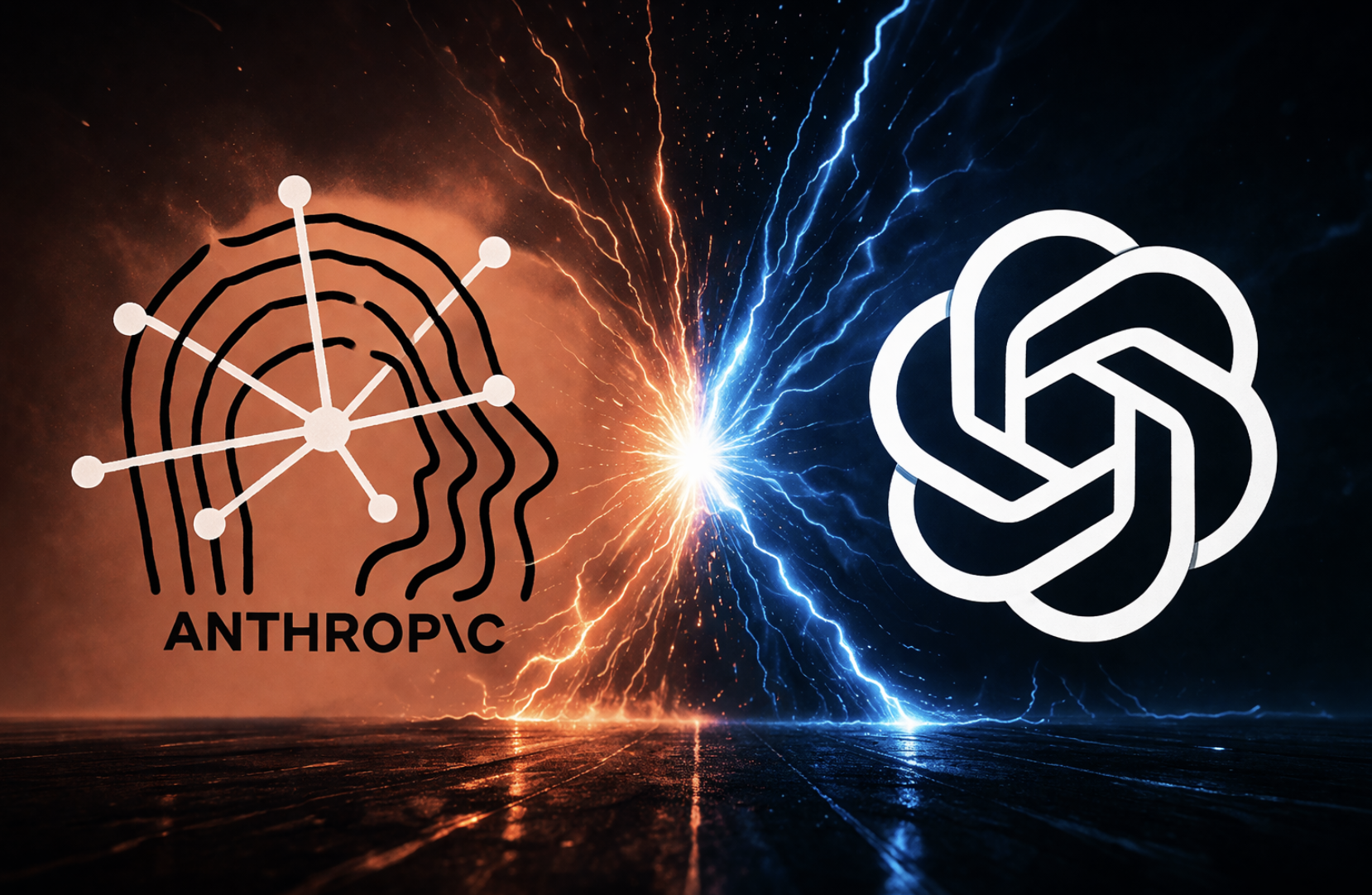
OpenAI, a prominent artificial intelligence research and deployment company, has confirmed its decision to implement a controlled rollout for its advanced cybersecurity tool, GPT-5.5 Cyber. This move mirrors a strategy previously employed by rival firm Anthropic for its own cybersecurity AI, Mythos, a tactic that OpenAI’s CEO, Sam Altman, had earlier criticized as "fear-based marketing." The announcement, made via Altman’s social media channels, signals a growing industry consensus regarding the cautious deployment of highly capable AI systems, particularly those with significant dual-use potential.
The Shifting Stance on AI Tool Access
The controversy began when Anthropic announced that its cybersecurity model, Mythos, would only be accessible to a select group of vetted users, citing the potential for misuse. This restrictive approach drew public skepticism, including sharp remarks from Sam Altman, who suggested that Anthropic’s rationale might be an exaggerated marketing ploy rather than a genuine safety measure. Critics questioned whether the limitations were truly for internet protection or served Anthropic’s strategic interests. Ironically, reports soon surfaced that an unauthorized entity had managed to gain access to Mythos despite the strict controls, highlighting the inherent challenges in gatekeeping powerful digital tools.
Fast forward to the present, OpenAI is now adopting a remarkably similar strategy for its own iteration of an AI-powered cybersecurity toolkit. Altman revealed that GPT-5.5 Cyber would be progressively rolled out to "critical cyber defenders" in the coming days. Prospective users are directed to an application portal on OpenAI’s website, where they must provide detailed credentials and outline their intended use cases to be considered for access. This application process underscores the company’s commitment to a controlled and deliberate distribution, acknowledging the very concerns that Anthropic had initially raised.
A Dual-Use Dilemma: AI and Cybersecurity
The capabilities attributed to GPT-5.5 Cyber are extensive and potent, designed to significantly augment defensive cybersecurity operations. The application implies that the model can execute sophisticated tasks such as penetration testing, a simulated cyberattack against one’s own system to find vulnerabilities; comprehensive vulnerability identification and exploitation, pinpointing weaknesses and demonstrating how they could be breached; and advanced malware reverse engineering, dissecting malicious software to understand its functionality and develop countermeasures. Essentially, Cyber is envisioned as an indispensable toolkit for organizations striving to bolster their digital fortifications and proactively test their resilience against cyber threats.
However, the very power that makes these tools invaluable for defense also presents a profound ethical quandary: their potential for malicious application. This is the essence of the "dual-use" dilemma, where technology developed with benevolent intentions can be repurposed for harmful ends. In the context of AI, a system capable of identifying and exploiting vulnerabilities for defensive purposes could, in the wrong hands, be weaponized to launch highly effective and destructive cyberattacks. This risk necessitates a careful balancing act between fostering innovation and ensuring responsible deployment, a challenge that lies at the heart of the current debate.
The Rise of AI in Cyber Defense
The integration of artificial intelligence into cybersecurity is not a new concept, but the advent of large language models (LLMs) and highly capable generative AI has dramatically accelerated its potential. For years, AI and machine learning have been employed for tasks like anomaly detection, predicting phishing attempts, and automating threat intelligence analysis. However, models like GPT-5.5 Cyber and Mythos represent a qualitative leap, moving beyond mere data analysis to active, sophisticated engagement with complex cybersecurity challenges.
The cybersecurity landscape has become increasingly intricate and perilous. Nation-state actors, organized crime syndicates, and individual hackers constantly evolve their tactics, making traditional, human-centric defense mechanisms increasingly strained. There’s a persistent global shortage of skilled cybersecurity professionals, and AI offers a promising avenue to bridge this gap, automating mundane tasks, processing vast amounts of threat data, and even generating defensive code. These advanced AI tools could significantly reduce the time required to identify and patch vulnerabilities, shifting the advantage back towards defenders. Yet, this promise is tempered by the equally concerning possibility that the same tools could empower attackers, making cyber warfare more accessible and devastating.
Anthropic’s Mythos and the Initial Controversy
Anthropic, founded by former OpenAI researchers with a stated mission to develop safe and beneficial AI, pioneered this cautious approach with Mythos. Their decision to limit access was presented as a critical step in safeguarding the internet from potential misuse. This stance, however, was met with skepticism. Some industry observers and critics viewed Anthropic’s rhetoric as an exaggeration, suggesting that the "fear" might have been amplified for marketing leverage or to create an aura of exclusivity around their product. The reported breach of Mythos’s restricted access further complicated Anthropic’s narrative, illustrating the difficulty of maintaining perfect control over powerful software. This incident highlighted that even with stringent controls, the digital world presents inherent vulnerabilities, and the "bad guys" are often resourceful.
The competitive dynamics between OpenAI and Anthropic are also a crucial backdrop. Both companies are at the forefront of AI development, vying for talent, investment, and market share. Public statements, especially from high-profile figures like Sam Altman, can be interpreted not just as commentary on technology, but also as strategic maneuvers in a highly competitive and rapidly evolving industry.
OpenAI’s Approach: Trusted Access for Cyber (TAC)
In response to the dual-use challenge and the broader implications of deploying such powerful AI, OpenAI has developed its "Trusted Access for Cyber" (TAC) program. A company spokesperson clarified that TAC has expanded to include "thousands of verified defenders and hundreds of teams responsible for protecting critical software." These authorized individuals and groups can utilize the latest models, including GPT-5.5, for various cybersecurity tasks with "less friction" from standard safety safeguards that might otherwise limit the model’s utility for advanced defensive operations.
The TAC program operates on a tiered permissions system. "Critical defenders with legitimate defensive use cases" can apply for access to specialized, "cyber-permissive models" such as GPT-5.4-Cyber and the newer GPT-5.5-Cyber. This implies that the models provided through TAC are specifically tuned or configured to optimize their utility for defensive security tasks, potentially with different guardrails or operational parameters than general-purpose AI models. OpenAI’s stated intention is to gradually expand the availability of Cyber by collaborating with the U.S. government and rigorously verifying the credentials of additional legitimate cybersecurity users. This collaborative approach suggests an acknowledgment of the societal implications and a desire to work with regulatory bodies to ensure responsible deployment.
Navigating the Ethical Minefield
The implementation of programs like TAC raises significant ethical and practical questions. Who defines a "critical cyber defender" or a "legitimate defensive use case"? What criteria are used for verification, and how robust are these systems against infiltration or misrepresentation? The concentration of such powerful tools within a select group, however well-intentioned, inevitably creates concerns about potential misuse, unintended consequences, and the fairness of access. While the immediate goal is to protect against threats, the long-term implications for digital sovereignty and the balance of power in cyberspace are profound.
Moreover, the debate around "fear-based marketing" highlights a deeper tension in the AI community: how much information should be shared about potential AI risks, and how should those risks be communicated to the public? Overstating dangers could lead to undue alarm and stifle innovation, while downplaying them could result in inadequate safeguards and catastrophic failures. A neutral, objective journalistic perspective seeks to report on these evolving strategies and the underlying concerns without endorsing one side over the other, allowing readers to form their own informed opinions.
The Broader AI Safety Debate and Market Dynamics
This episode involving Mythos and Cyber is more than just a corporate rivalry; it is a microcosm of the larger, ongoing global debate surrounding AI safety and responsible development. As AI models grow exponentially in capability, the discussion around existential risks, alignment problems, and the control problem gains urgency. Organizations like OpenAI and Anthropic, despite their competitive differences, are both deeply engaged in these conversations, often advocating for a cautious, safety-first approach to advanced AI.
The market dynamics are also undeniable. In a rapidly expanding field, being perceived as the leader in both capability and safety can be a significant competitive advantage. The ability to demonstrate a responsible approach to powerful, dual-use technology could influence public trust, regulatory frameworks, and attract top talent. The "AI race" is not just about who builds the most powerful model fastest, but also about who can build it most safely and responsibly, thereby earning the societal license to operate.
Future Outlook and Industry Implications
The restrictive access model adopted by both Anthropic and OpenAI for their advanced cybersecurity AI tools is likely to become a more common practice as AI capabilities continue to advance. This trend signals a shift from broad, open access for all AI models towards a more nuanced, permission-based distribution system for particularly sensitive or powerful applications. Governments, particularly those concerned with national security and critical infrastructure, will likely play an increasing role in these access programs, collaborating with AI developers to define standards and verify users.
For the cybersecurity industry, this means a future where cutting-edge AI assistance is available, but potentially under controlled conditions, requiring stronger vetting and demonstrating legitimate defensive use. It also underscores the need for continuous education and adaptation among cybersecurity professionals, as the tools they use and the threats they face become increasingly AI-driven. Ultimately, the cautious approach taken by OpenAI and Anthropic, despite its inherent ironies and complexities, reflects a growing recognition within the AI community of the immense power they are unleashing and the profound responsibility that comes with it. The challenge will be to manage this power effectively, balancing innovation with safety, and ensuring that these transformative technologies serve humanity’s best interests.