Amir Mahmud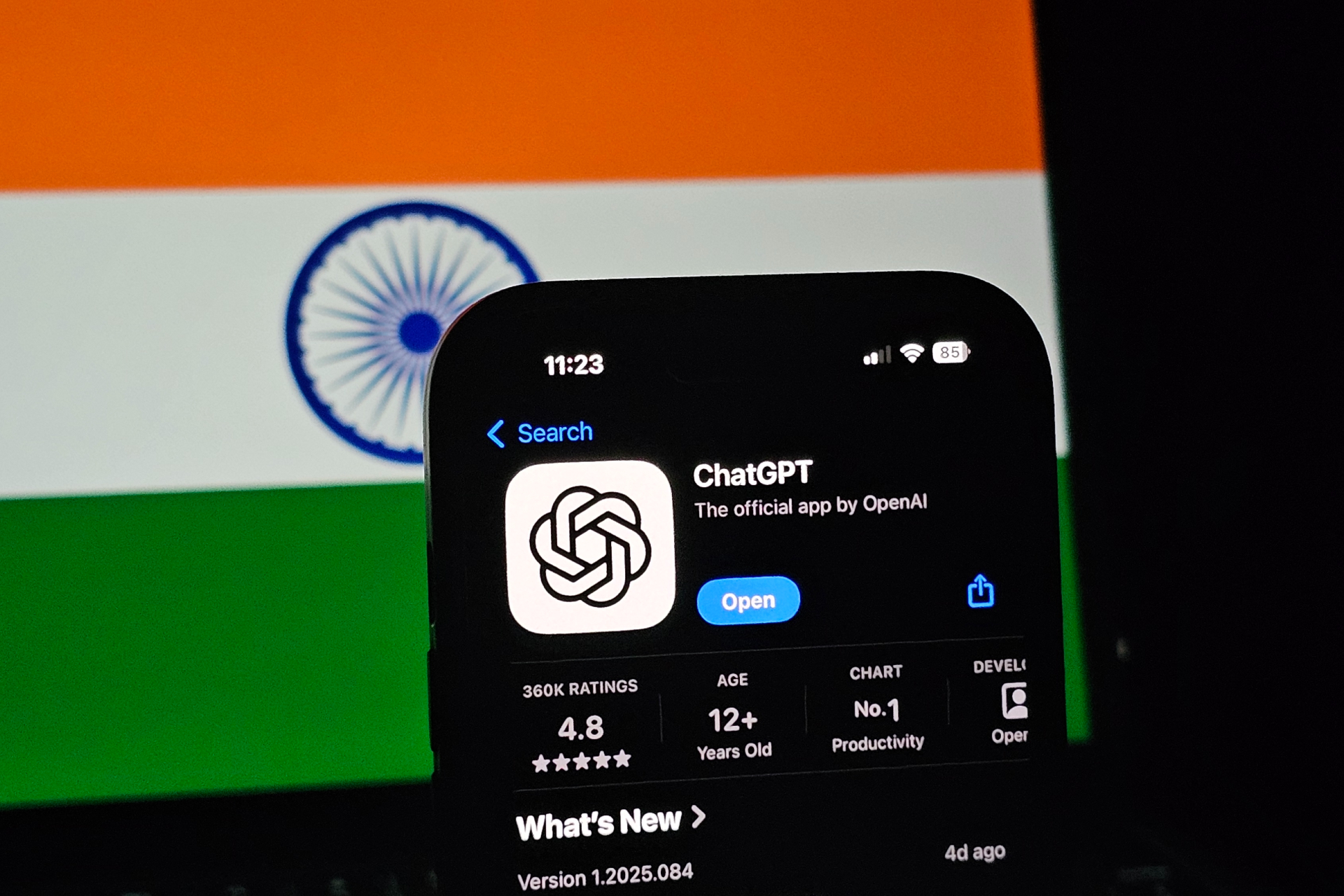
The recent introduction of ChatGPT Images 2.0 by OpenAI has ignited a significant surge in user engagement within India, establishing the nation as the primary adopter of the advanced image-generation technology. This pronounced regional enthusiasm, however, contrasts sharply with a more tempered global response, as indicated by third-party data reviewed following the model’s debut. While select emerging markets exhibit notable spikes in activity, overall worldwide growth in user metrics has remained relatively modest, highlighting a nuanced and geographically diverse pattern of AI tool integration.
A Divergent Global Reception
ChatGPT Images 2.0 represents OpenAI’s latest leap in text-to-image capabilities, engineered to process intricate prompts and generate highly detailed visuals, including precise text rendering across multiple linguistic scripts. Following its launch, the artificial intelligence research organization observed that users, particularly within India, were primarily leveraging the tool for personal creative endeavors. This included the generation of customized avatars, stylized photographic portraits, and imaginative, fantasy-themed imagery that often centered on the user themselves.
Analysis from data providers Sensor Tower and Similarweb suggests a varied global reception to the rollout. Sensor Tower reported an 11% increase in ChatGPT app downloads week-over-week immediately after the new model’s release. Yet, broader engagement metrics displayed only slight upward movement, with daily active users and session counts increasing by approximately 1%. Concurrently, Similarweb data indicated a limited uptick in ChatGPT’s global web traffic, which saw an increase of about 1.6% during the same weekly interval.
Despite these restrained global figures, specific emerging markets demonstrated a more enthusiastic embrace. Sensor Tower’s findings revealed sharp spikes in ChatGPT app downloads in countries such as Pakistan, Vietnam, and Indonesia, with week-over-week increases reaching up to 79% during the rollout period. India, meanwhile, emerged as a dominant hub of activity. During the launch week, Sensor Tower estimated approximately 5 million ChatGPT downloads in India, significantly outpacing the roughly 2 million downloads recorded in the United States. Even with this substantial volume, India’s week-over-week growth in downloads was characterized as modest, and Similarweb data reflected a 3.4% rise in daily active users within the country for the corresponding period. These statistics underscore a pattern where high initial adoption in key regions is contributing to overall scale, while new user acquisition is particularly strong in other developing economies.
India’s Digital Landscape: A Fertile Ground for AI Creativity
India’s prominent role in the adoption of ChatGPT Images 2.0 is not an isolated phenomenon but rather a reflection of several converging factors within its dynamic digital ecosystem. The nation boasts an immense, digitally literate population, characterized by a significant youth demographic and widespread smartphone penetration. This confluence creates an environment highly conducive to the rapid uptake of novel digital technologies, especially those that offer avenues for self-expression and creative exploration.
The cultural landscape in India also plays a crucial role. There is a strong societal inclination towards visual content, evident in the widespread popularity of social media platforms and the vibrant visual traditions embedded in daily life, festivals, and personal milestones. Tools that allow individuals to personalize their digital presence, create unique visual narratives, or transform everyday photographs into artistic renditions resonate deeply with these cultural norms. OpenAI noted that early Indian users were employing Images 2.0 to craft studio-quality portraits from casual snapshots, generate social media-ready graphics, and produce imaginative visuals that place them at the heart of fantastical scenarios. This emphasis on self-expression and personalized content aligns perfectly with the functionalities offered by the new AI model.
Furthermore, India’s burgeoning digital economy and its mobile-first approach to internet access mean that a vast segment of the population interacts with technology primarily through smartphones. Applications that are intuitive, accessible, and cater to on-the-go creativity are particularly well-received. The improvements in ChatGPT Images 2.0, such as enhanced rendering of non-Latin scripts including Hindi and Bengali, are particularly impactful in a linguistically diverse country like India. This localized linguistic support lowers barriers to entry and enhances the user experience for millions who may not be proficient in English, thereby accelerating adoption and fostering deeper engagement. The ability to generate text accurately in local languages unlocks a new dimension of utility and personal relevance, allowing users to create content that feels authentically their own.
The Evolution of AI Image Generation
The journey of artificial intelligence in image generation has been one of rapid and remarkable progress, evolving from rudimentary algorithms to sophisticated models capable of producing photorealistic and highly stylized visuals. OpenAI itself has been at the forefront of this evolution, initially making waves with its DALL-E model, which demonstrated the groundbreaking ability to generate images from textual descriptions. This was followed by DALL-E 2, which introduced higher resolution and more nuanced understanding, and subsequently DALL-E 3, seamlessly integrated into ChatGPT, making advanced image generation accessible to a broader user base within a conversational interface.
The current iteration, ChatGPT Images 2.0, builds upon these foundations, pushing the boundaries of what is technically feasible. Its enhanced capabilities go beyond mere image creation; it incorporates "thinking" functionalities that allow the AI to refine its outputs, generate multiple variations from a single prompt, and demonstrate a more sophisticated understanding of context and user intent. This continuous improvement reflects an industry-wide race to develop more intelligent and versatile generative AI tools, moving towards models that are not just image factories but creative collaborators.
This advancement is set against a backdrop of intensifying competition within the AI image generation sector. Beyond OpenAI, companies like Google, with its Gemini family of models and earlier image-focused projects like "Nano Banana," and independent entities such as Midjourney and Stable Diffusion, are constantly innovating. Google’s "Nano Banana" model, for instance, also experienced significant early traction in India, underscoring the nation’s critical importance as a proving ground for new image generation technologies. The competitive landscape mandates continuous innovation, with developers striving to offer superior quality, greater control, faster processing, and more localized features to capture and retain user bases globally.
Beyond Personal Expression: Emerging Use Cases
While personal expression, such as creating avatars and stylized portraits, remains a dominant use case for ChatGPT Images 2.0 in India, early trends suggest a broader spectrum of applications is beginning to emerge. OpenAI has noted that users are experimenting with a diverse range of formats, moving beyond simple self-portraits. This includes generating fantasy newspaper covers, crafting tarot-style visuals, and designing fashion mood boards. These more complex and imaginative applications highlight the versatility of the tool and its potential to serve as a creative assistant for various personal and potentially professional projects.
Moreover, the model is being utilized for more practical tasks, such as restoring older photographs, breathing new life into cherished memories. Users are also creating cinematic portrait collages, blending multiple images and styles to produce visually compelling narratives. These varied applications demonstrate that as users become more familiar with the capabilities of AI image generation, they discover increasingly sophisticated and inventive ways to integrate it into their daily lives and creative workflows. This evolution from simple, direct use to more complex, multi-faceted applications is a common trajectory for new technologies as user proficiency and understanding deepen.
The differing adoption patterns across markets also underscore a crucial insight: AI tools are not monolithic in their global reception. While the large user base in India drives overall scale and volume, the sharp spikes observed in countries like Pakistan and Indonesia point to robust demand from new users entering the AI ecosystem. This differentiation in how and where AI tools are gaining traction provides valuable data for developers, indicating that success requires a deep understanding of local market needs, cultural nuances, and digital consumption habits.
Navigating a Competitive AI Frontier
The landscape of AI image generation is fiercely competitive, with various players vying for market dominance. OpenAI’s strategic move to enhance ChatGPT’s image capabilities with Images 2.0 is a direct response to this intensifying rivalry. The improvements, particularly the ability to render non-Latin text accurately and the introduction of more sophisticated "thinking" capabilities for refining outputs, are critical differentiators. These features directly address the demands of diverse global users, especially in markets like India, where linguistic diversity is a key consideration.
The success observed in India provides a compelling case study for the future development and deployment of AI technologies. It emphasizes that while core technological innovation is paramount, localization and an understanding of specific user behaviors and cultural contexts are equally vital for widespread adoption. The fact that India has consistently shown strong early traction for AI image generation tools, as evidenced by Google’s earlier "Nano Banana" model, positions it as a bellwether market for this particular segment of artificial intelligence.
For AI developers, the lessons from ChatGPT Images 2.0’s launch are clear: tailoring products to meet specific regional needs can unlock significant user bases. This includes not only linguistic support but also an appreciation for local aesthetics, popular cultural references, and prevailing digital usage patterns. The current phase of AI adoption is characterized by exploration and experimentation, and those platforms that offer the most relevant and user-centric experiences are likely to gain a significant advantage.
The Road Ahead: Localization and User-Centric Development
The initial rollout of ChatGPT Images 2.0 offers valuable insights into the global trajectory of generative AI. The marked success in India and the strong uptake in other emerging markets signal that these regions are not just consumers of technology but active participants in shaping its evolution and application. The preference for personal expression and culturally resonant content highlights a critical aspect of AI adoption: its ability to empower individual creativity and self-identity in a digital age.
Looking forward, the development of AI image generation will likely be influenced by these regional insights. Further enhancements in multilingual support, culturally sensitive content generation, and features that cater to specific local creative practices will be crucial. As AI models become more sophisticated, their integration into daily life will depend heavily on their ability to understand and adapt to the diverse cultural, social, and linguistic fabric of global users. The experience with ChatGPT Images 2.0 underscores that while AI’s potential is universal, its most impactful applications are often deeply rooted in local contexts, requiring a nuanced and user-centric approach to innovation.