Amir Mahmud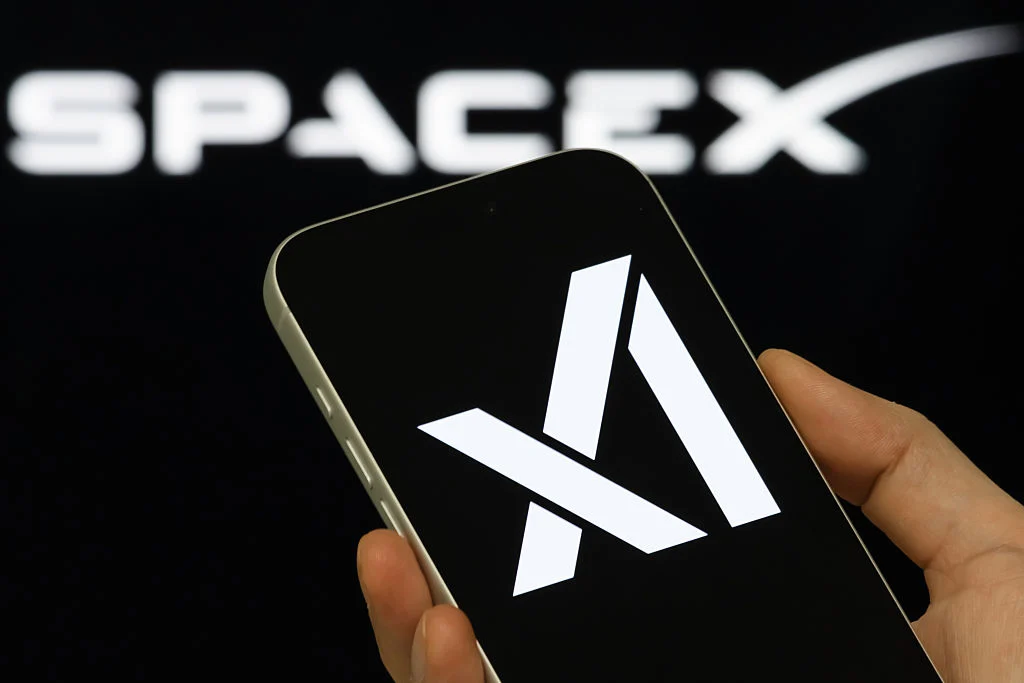
Elon Musk’s newly restructured artificial intelligence entity, SpaceXAI, is reportedly grappling with a significant loss of key personnel, with over 50 researchers and engineers having departed the organization since February. This substantial talent drain, first brought to light by reports from The Information, includes pivotal leaders across critical domains such as foundational coding, advanced world model development, and the specialized Grok voice interface team, signaling potential turbulence for the ambitious AI enterprise.
The Genesis and Ambitions of xAI
To understand the current situation, it is crucial to revisit the origins and strategic intent behind xAI, the predecessor to SpaceXAI. Elon Musk, a foundational figure in the modern AI landscape, notably as a co-founder of OpenAI, established xAI in July 2023. His stated motivation was multifaceted: to "understand the true nature of the universe" through advanced AI, to develop an Artificial General Intelligence (AGI) that could rival or surpass existing models, and to offer an alternative to what he frequently criticized as "woke AI" from competitors. Musk envisioned xAI as a challenger to industry giants like OpenAI and Google DeepMind, aiming for an unconstrained, truth-seeking approach to AI development.
The company rapidly assembled an impressive roster of AI talent, attracting researchers from DeepMind, OpenAI, Google Research, Microsoft Research, and Tesla. This initial recruitment phase highlighted Musk’s ability to draw top minds, driven by the allure of working on a groundbreaking project under a visionary, albeit demanding, leader. xAI’s flagship product, Grok, an AI chatbot integrated with Musk’s social media platform X (formerly Twitter), was launched to select users in late 2023, touting real-time access to information and a characteristic irreverent tone.
The Merger’s Aftermath and Rebranding
The current wave of departures follows a significant corporate restructuring in February, when SpaceX, another one of Musk’s ventures, acquired xAI. This internal consolidation saw two entities under Musk’s control merge, with SpaceX reportedly absorbing xAI’s data centers and other assets. The strategic rationale behind this move was ostensibly to streamline resources, leverage SpaceX’s considerable computing infrastructure, and perhaps integrate AI capabilities more deeply into SpaceX’s space exploration and satellite internet (Starlink) operations. Earlier this month, Musk officially rebranded the combined entity as SpaceXAI, signaling a unified front for his AI ambitions, now explicitly linked to his aerospace enterprise.
However, the merger appears to have ushered in a period of instability rather than consolidation. The installation of new leadership following the acquisition, combined with the integration of two distinct corporate cultures—one rooted in hard tech and space engineering, the other in cutting-edge AI research—may have contributed to internal friction. The shift from an independent AI startup to a division within a larger aerospace company could have altered the perceived mission, autonomy, and strategic direction for some employees.
Crucial Departures in Core AI Development
The reported staff exits are particularly alarming due to the seniority and specialized nature of the individuals involved. Among those departing are key figures in fundamental AI development, including the critical pre-training team. Pre-training is the foundational step in building large language models (LLMs) and other advanced AI systems. It involves feeding vast datasets to a neural network, allowing it to learn patterns, language structures, and general knowledge without specific task-oriented instructions. A robust pre-training capability is essential for developing novel, powerful, and adaptable AI models.
Sources close to SpaceXAI and current employees have expressed significant concern over the dwindling size of this core pre-training team, especially following the departure of its lead, Juntang Zhuang. The weakening of this vital function raises questions about SpaceXAI’s long-term commitment and capability to develop truly leading-edge AI models that can compete with the innovations emerging from well-resourced rivals. Without a strong pre-training foundation, the company risks falling behind in the rapidly accelerating AI arms race, potentially limiting the sophistication and originality of future Grok iterations or other AI products.
Understanding the "Musk Culture"
One frequently cited reason for the departures revolves around the demanding work culture often associated with Elon Musk’s various enterprises. Across companies like Tesla, X (formerly Twitter), and now SpaceXAI, employees have reportedly voiced complaints about an environment characterized by extreme pressure, ambitious timelines, and an expectation of relentless dedication. The Information’s report specifically highlighted that Musk set "unrealistic deadlines" for the training of AI models, which allegedly led to "cutting corners" on Grok’s development.
This intense, results-driven ethos, while sometimes fostering rapid innovation and attracting highly motivated individuals, can also lead to burnout and dissatisfaction among staff. The AI development cycle, particularly for foundational models, often requires painstaking research, meticulous data curation, and extensive testing, processes that can be difficult to reconcile with aggressive, compressed timelines. For researchers and engineers who prioritize scientific rigor and long-term developmental integrity, such an environment can become unsustainable. This cultural dynamic has been a recurring theme in employee accounts from Musk’s companies, suggesting a pattern that impacts talent retention.
The Allure of the AI Talent Market
Beyond internal cultural pressures, external market dynamics play a significant role in the talent drain. The current landscape of artificial intelligence is marked by an unprecedented demand for skilled researchers and engineers. Major tech companies are locked in an intense competition, often described as a "talent war," to recruit and retain the brightest minds in AI.
Reports indicate that rival tech giants, particularly Meta and Mira Murati’s Thinking Machine Labs, are actively recruiting former SpaceXAI staff. Meta, with its vast resources and its own ambitious AI research initiatives (like Llama and its open-source models), has reportedly scooped up at least 11 former xAI employees since February. Thinking Machine Labs has also attracted at least seven defectors. This mobility underscores the premium placed on AI expertise, where individuals with specialized skills in areas like large language models, machine learning, and neural network architectures are highly sought after and can command substantial compensation packages, including generous salaries, bonuses, and equity.
Furthermore, the prospect of cashing out equity often serves as a powerful "pull" factor for employees in high-growth, pre-IPO companies. SpaceX, and by extension SpaceXAI, has generated significant buzz regarding a potential blockbuster initial public offering (IPO). While an IPO offers the promise of substantial financial upside, employees holding vested shares might also see the departures as an opportune moment to monetize their equity privately, especially if the company regularly offers tender offers allowing for such transactions. Once the financial "light at the end of the tunnel" becomes visible, some employees may feel less compelled to endure demanding work environments, particularly if they perceive a misalignment between the company’s current trajectory and their professional aspirations to work on truly leading-edge models. The combination of lucrative external offers and the ability to realize returns on existing equity creates a powerful incentive for movement in a highly liquid talent market.
Broader Implications for the AI Landscape
The challenges faced by SpaceXAI are indicative of broader trends within the rapidly evolving artificial intelligence industry. The fierce competition for talent means that even well-funded ventures backed by prominent figures like Elon Musk are not immune to attrition. The ability to attract and, crucially, retain top-tier AI talent is a defining factor in a company’s potential for innovation and long-term success.
This situation also highlights the complexities of integrating AI development into a broader corporate structure, especially one with a distinct culture like SpaceX. While the synergy between space technology and AI has immense potential, the execution of such an integration, particularly in terms of human capital management, presents significant hurdles. The departures raise questions about whether SpaceXAI can maintain its ambitious goal of developing a leading AGI, or if it will struggle to keep pace with rivals that have more stable research environments and clearer paths for their AI divisions.
For the AI community, this talent migration underscores the dynamic nature of the field, where researchers and engineers are constantly evaluating opportunities based on project scope, cultural fit, and financial incentives. It reinforces the notion that while visionary leadership can ignite a project, sustained success in AI requires a stable, supportive environment that fosters deep research and retains its most valuable asset: its human capital.
Looking Ahead for SpaceXAI
As SpaceXAI navigates this period of significant staff turnover, its ability to re-stabilize its research teams, particularly in core areas like pre-training, will be critical to its future trajectory. The company will need to address both the internal cultural factors contributing to departures and offer compelling reasons for existing and prospective employees to commit to its long-term vision amidst intense external competition. The coming months will reveal whether Elon Musk’s latest AI endeavor can overcome these foundational challenges and secure its position as a formidable player in the global race for artificial general intelligence.


 Azin Asro