Amir Mahmud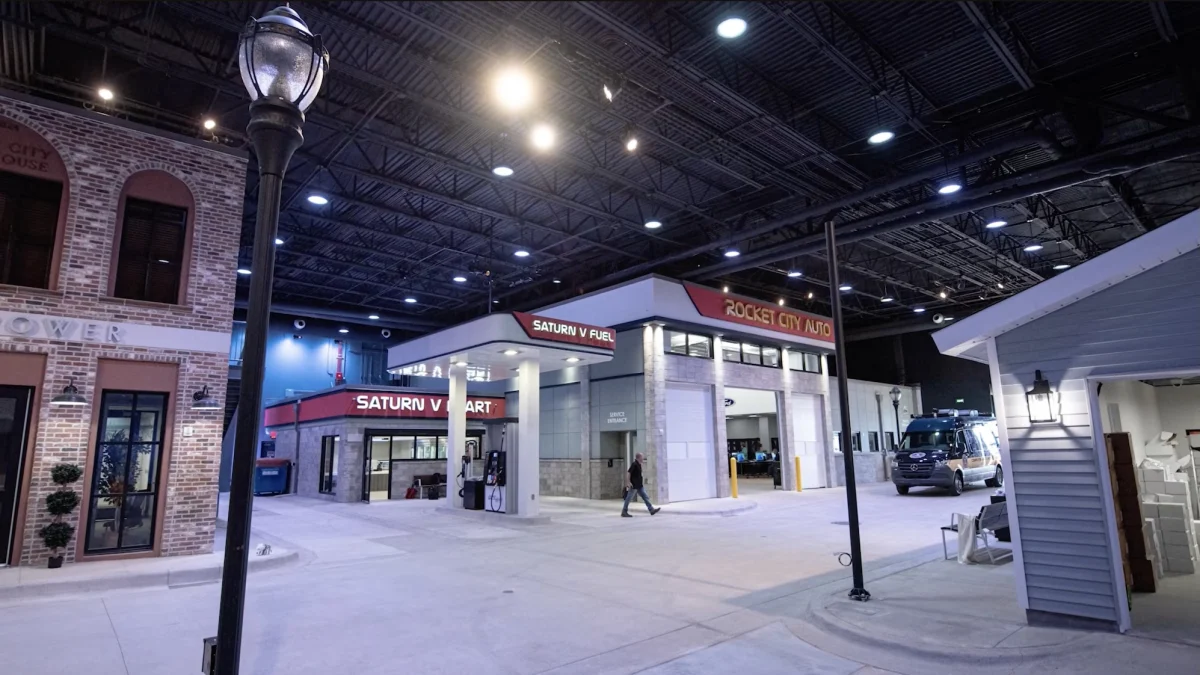
The Federal Bureau of Investigation has revealed an unprecedented 22,000-square-foot training facility, a meticulously constructed replica of a small American town, situated on its campus in Huntsville, Alabama. This cutting-edge environment is designed to immerse law enforcement personnel in realistic simulations of cyberattacks, providing critical hands-on experience in investigating and mitigating digital threats that increasingly target vital infrastructure and everyday life. The initiative underscores a significant evolution in the FBI’s approach to combating cybercrime, moving beyond theoretical classroom instruction to practical, dynamic engagement with the complexities of modern digital warfare.
The Genesis of a Digital Battleground
The creation of such a sophisticated training ground reflects a stark reality: cybercrime is no longer a fringe concern but a pervasive and rapidly escalating national security threat. For decades, law enforcement agencies primarily focused on physical crimes, with digital components often treated as supplementary evidence. However, the dawn of the internet age and the subsequent proliferation of connected devices transformed the criminal landscape. Early cyber threats, often driven by individual hackers seeking notoriety or minor financial gain, have given way to highly organized criminal enterprises and state-sponsored actors capable of causing widespread disruption and economic damage.
The FBI’s recognition of this shift intensified following landmark incidents that highlighted the vulnerability of critical systems. Events like the Stuxnet worm’s targeting of Iranian nuclear facilities in the late 2000s, the WannaCry ransomware attack in 2017 that crippled health services globally, and the 2021 Colonial Pipeline ransomware incident which led to fuel shortages across the U.S., served as stark reminders of the profound real-world consequences of digital incursions. These incidents, alongside a steady increase in data breaches affecting corporations and government entities, underscored the urgent need for a more robust, specialized, and practical training regimen for cyber investigators. The Kinetic Cyber Range, officially opened in February 2025, represents a direct response to this escalating threat landscape, providing a controlled yet hyper-realistic environment to hone the skills necessary to protect the nation’s digital frontier.
Anatomy of the Simulated City
Dubbed the "Kinetic Cyber Range," the facility is a microcosm of an American community, built from the ground up to mirror the diverse environments investigators encounter in the field. It features fully furnished residential homes, a bustling hotel, a functional gas station, a grocery mart, a courthouse, a fully equipped hospital, and even a power company substation – all interconnected by roads and traffic lights, replicating the intricate web of a real U.S. town. Every structure within this meticulously crafted simulation is wired with operational devices and systems that behave precisely as they would in their real-world counterparts. This includes everything from smart home devices and point-of-sale systems to industrial control systems (ICS) and supervisory control and data acquisition (SCADA) systems crucial for infrastructure.
A critical design principle of the Kinetic Cyber Range is its complete isolation from external networks. This secure containment ensures that any simulated cyberattacks, no matter how aggressive or destructive, remain confined within the facility, preventing any potential spillover into actual public or private networks. This isolation allows trainees to experiment with offensive and defensive tactics without fear of real-world repercussions, fostering a truly hands-on learning experience.
Beyond the physical structures, the range also houses a robust data center. This vital component contains more than 200 physical servers, running a mix of operating systems like Windows and Linux, meticulously configured to reflect the complex and often messy corporate IT environments that investigators frequently encounter during a real breach response or the execution of a search warrant. Dave Beachboard, the program manager for the range, vividly describes these server rooms as "cold, they’re cramped, they’re noisy, they’re dark, they’re miserable," emphasizing the authentic, high-pressure conditions that trainees must navigate. This level of realism ensures that agents are not only technically proficient but also accustomed to the challenging physical environments that often accompany digital investigations.
The Escalating Cyber Threat Landscape
The urgency driving the development of the Kinetic Cyber Range is underscored by alarming statistics. The FBI’s 2025 Internet Crime Report, which compiled data from over a million complaints, documented a record $20.9 billion in U.S. cybercrime losses, representing a substantial 26% increase over the preceding year. This staggering figure reflects not only the direct financial impact of cyberattacks but also the immense costs associated with recovery, business interruption, and reputational damage.
Ransomware, in particular, has emerged as the most significant and persistent threat to critical infrastructure. These malicious attacks involve encrypting an organization’s data and demanding a ransom, often in cryptocurrency, for its release. The consequences extend far beyond financial losses; ransomware attacks on hospitals can disrupt life-saving medical services, attacks on utility companies can cause widespread power outages, and attacks on supply chain logistics can cripple commerce. The Kinetic Cyber Range specifically trains investigators to respond to such high-stakes ransomware scenarios, forcing them to make critical decisions under pressure that could have profound impacts on public safety and economic stability. The ability to simulate these complex incidents, including the recovery processes and the forensic analysis needed to identify perpetrators, is invaluable for preparing a new generation of cyber defenders.
Beyond the Digital: Real-World Consequences
One of the core objectives of the Kinetic Cyber Range is to bridge the gap between abstract digital threats and their tangible, often devastating, real-world consequences. Training scenarios within the simulated town force investigators to confront the human element of cyberattacks. For instance, a simulated attack on the hospital system might involve medical equipment failing, patient records becoming inaccessible, or emergency services being disrupted. Trainees must not only understand the technical aspects of the breach but also grasp the cascading effects on human lives and public trust.
Similarly, a cyberattack on the simulated power company can lead to widespread blackouts, impacting homes, businesses, and essential services. These exercises are designed to cultivate a holistic understanding among investigators, emphasizing that a successful cyber defense requires not only technical expertise but also strong decision-making skills, interagency coordination, and an acute awareness of the broader societal implications. The ability to practice incident response, containment, eradication, and recovery in a controlled environment, where every action has simulated but realistic consequences, is crucial for developing seasoned cyber professionals.
The Art of Digital Forensics and Its Ethical Quagmire
A significant component of the training at the Kinetic Cyber Range involves advanced digital forensics. This specialized field equips investigators with the techniques and tools necessary to extract, analyze, and preserve digital evidence from various devices, often for the purpose of building criminal cases. This can involve deciphering encrypted communications, recovering deleted files, and tracing digital footprints to identify perpetrators. In a world where virtually every aspect of life leaves a digital trace, the ability to effectively conduct digital forensics is paramount for modern law enforcement.
However, the tools and methods employed in digital forensics, particularly those used to circumvent the cybersecurity defenses of modern, encrypted devices (such as smartphones and computers from companies like Apple or Google), are a subject of considerable controversy. These tools often operate by exploiting undisclosed vulnerabilities in device software, allowing law enforcement access to data that would otherwise be protected. Critics argue that the government’s use of such exploits, without disclosing them to the device manufacturers, creates a "zero-day" market that can also be exploited by malicious actors, thereby weakening overall cybersecurity for everyone. This ongoing "going dark" debate pits law enforcement’s need to access evidence for investigations against privacy advocates and tech companies’ concerns about user security and fundamental rights.
The FBI, along with other agencies, contends that access to encrypted data is essential for investigating serious crimes, from child exploitation to terrorism, and that "going dark" impedes their ability to protect public safety. Tech companies, on the other hand, argue that building backdoors or intentionally weakening encryption would compromise the security of all users and erode trust in their products. The Kinetic Cyber Range provides a platform for investigators to master these complex forensic techniques, but the broader ethical and policy implications of these practices remain a contentious and unresolved issue in the digital age.
Broader Implications and Future Outlook
The Kinetic Cyber Range is more than just a training facility for FBI personnel; it serves as a crucial hub for interagency collaboration. Since its opening, over 1,400 students, including agents from the FBI and partners from other federal and local agencies, have undergone training. This collaborative approach is vital, as cyber threats often transcend jurisdictional boundaries, requiring a coordinated national response. Sharing best practices, developing common operational procedures, and fostering strong working relationships among diverse agencies are critical outcomes of this shared training environment.
Looking ahead, the facility will face the continuous challenge of staying abreast of an ever-evolving threat landscape. Cybercriminals and state-sponsored adversaries are constantly developing new tactics, techniques, and procedures (TTPs), often leveraging emerging technologies like artificial intelligence and quantum computing. The Kinetic Cyber Range will need ongoing investment in technology upgrades, scenario development, and curriculum refinement to ensure its relevance and effectiveness in preparing investigators for future challenges. This includes simulating attacks involving new vectors like the Internet of Things (IoT) devices, advanced persistent threats (APTs), and sophisticated social engineering campaigns.
Ultimately, the FBI’s Kinetic Cyber Range represents a proactive and innovative step in the national effort to safeguard digital infrastructure and combat cybercrime. By providing a realistic, hands-on training ground, the facility aims to cultivate a highly skilled and adaptable cadre of cyber investigators, ready to defend against the increasingly sophisticated and pervasive threats that define the modern digital era. Its success will be measured not only by the number of agents trained but by the tangible impact these trained professionals have in protecting the nation from the ever-present dangers lurking in cyberspace.







 Azin Asro