Amir Mahmud
For many years, the prospect of long-distance travel in an electric vehicle (EV) was fraught with anxiety, a significant barrier for potential buyers. Public charging infrastructure, or the perceived lack thereof, consistently ranked as a top concern among consumers, with surveys from organizations like AAA highlighting these apprehensions as recently as last year. Historically, the experience of relying on public fast chargers could indeed be challenging, characterized by unreliable stations, slow speeds, and a fragmented network. This reality prompted calls for fundamental improvements, leading to proposals such as an "EV fast-charging bill of rights" in 2023, outlining crucial enhancements needed to elevate the user experience. Yet, the landscape has shifted remarkably in a relatively short period, with recent experiences and data suggesting a profound transformation in the reliability and accessibility of EV charging.
A Shifting Landscape for Electric Vehicle Travel
The evolution of EV charging infrastructure mirrors the broader trajectory of electric vehicle adoption itself. In the early days, EVs were often considered niche products, primarily suitable for urban commutes where home charging sufficed. As battery technology advanced and vehicle ranges extended, the need for a robust public charging network became paramount to unlock the full potential of EVs for intercity travel. Early efforts by pioneers like Tesla, with its proprietary Supercharger network, demonstrated the viability of high-speed, reliable charging for long journeys. However, for non-Tesla EVs, the experience was often a stark contrast, marked by a patchwork of different charging providers, varying connector types, and inconsistent operational standards.
This fragmentation presented significant hurdles. Drivers frequently encountered chargers that were out of service, offered suboptimal charging speeds, or required multiple apps and payment methods, adding layers of complexity and frustration to what should have been a simple refueling process. This era fostered widespread "range anxiety" – the fear of running out of charge before reaching a destination or a functional charging station – which became a powerful psychological deterrent for many considering an EV purchase. The perception that EV charging "sucked," as it was colloquially put, was a sentiment rooted in these very real, often exasperating, experiences.
The Road Trip Reimagined: A Case Study in Seamless Charging
Fast forward to the present, and the narrative around EV road trips is undergoing a significant rewrite. A recent journey covering over 600 miles from the northeastern United States to Montreal, Canada, provides a compelling anecdotal illustration of this transformation. Despite an unexpected vehicle swap—from a Kia EV9 with a near 300-mile range to an Audi e-tron with a more modest 220-mile capacity due to a maintenance issue—the trip unfolded with remarkable ease. This demonstrates that even with vehicles that don’t boast the longest ranges, strategic planning combined with improved infrastructure can deliver a smooth experience.
The key to navigating this journey successfully was meticulous planning facilitated by sophisticated tools. Applications like A Better Route Planner (ABRP) have become indispensable for EV drivers. This advanced planning tool optimizes charging stops by integrating a wide array of variables, including real-time weather conditions, terrain, vehicle specifications, and even battery degradation levels. While ABRP can connect to a vehicle’s onboard diagnostics for live data, its predictive accuracy, even without it, proved to be highly effective. For the initial leg of the trip, ABRP recommended a Rivian Adventure Network charger near Lebanon, New Hampshire. Despite ABRP’s recent acquisition by Rivian, the quality of the charging experience at this location underscored the app’s recommendation. The site featured an ample supply of high-power 300-kilowatt chargers, all fully operational and readily available without any waiting lines. Crucially, the location also offered convenient amenities, including various food options and a grocery store, allowing the charging stop to seamlessly integrate into a broader travel break. The charger accepted standard credit card payments, eliminating the need for a specific app download and delivering a rapid charge of over 140 kilowatts, nearing the Audi e-tron’s maximum charging rate. This efficient and user-friendly experience was replicated on the return journey, signaling a new standard of reliability.
The only minor disruption occurred at a Circuit Électrique station outside Montreal, where a card reader malfunction necessitated downloading the network’s app and pre-loading funds. However, once this small hurdle was overcome, the charging session proceeded without issue. These stops, each lasting approximately 20 minutes, were strategically timed to coincide with meals or rest breaks, ensuring that the charging process never felt like an imposition. In fact, the total time spent charging across three sessions was comparable to the wait endured at border control upon re-entering the United States, highlighting the efficiency gains.
From Frustration to Functionality: A Historical Perspective
This recent positive experience stands in stark contrast to the challenges faced just a few years prior. A similar road trip undertaken in 2023, covering a shorter 350-mile round trip to Maine in the same Audi e-tron, was plagued by a series of operational failures. Despite pre-planning with ABRP to identify ostensibly reliable chargers, the reality on the ground was far different. Drivers frequently encountered broken chargers, requiring vehicle repositioning to another stall. Issues extended to charging sessions failing to terminate correctly, preventing subsequent charges without time-consuming calls to customer service. In one instance, a station advertised two operational plugs out of four, but only one was actually functional. These cumulative frustrations transformed what should have been a simple journey into a stressful ordeal, requiring multiple customer service interactions over a relatively short driving distance. Such experiences were not isolated incidents; they were a common complaint among non-Tesla EV drivers, illustrating the nascent and often underdeveloped state of the charging infrastructure at the time. This era truly highlighted the urgent need for a more standardized, reliable, and user-friendly charging ecosystem, echoing the sentiments captured in the 2023 "bill of rights" proposal.
Data Underpins the Transformation
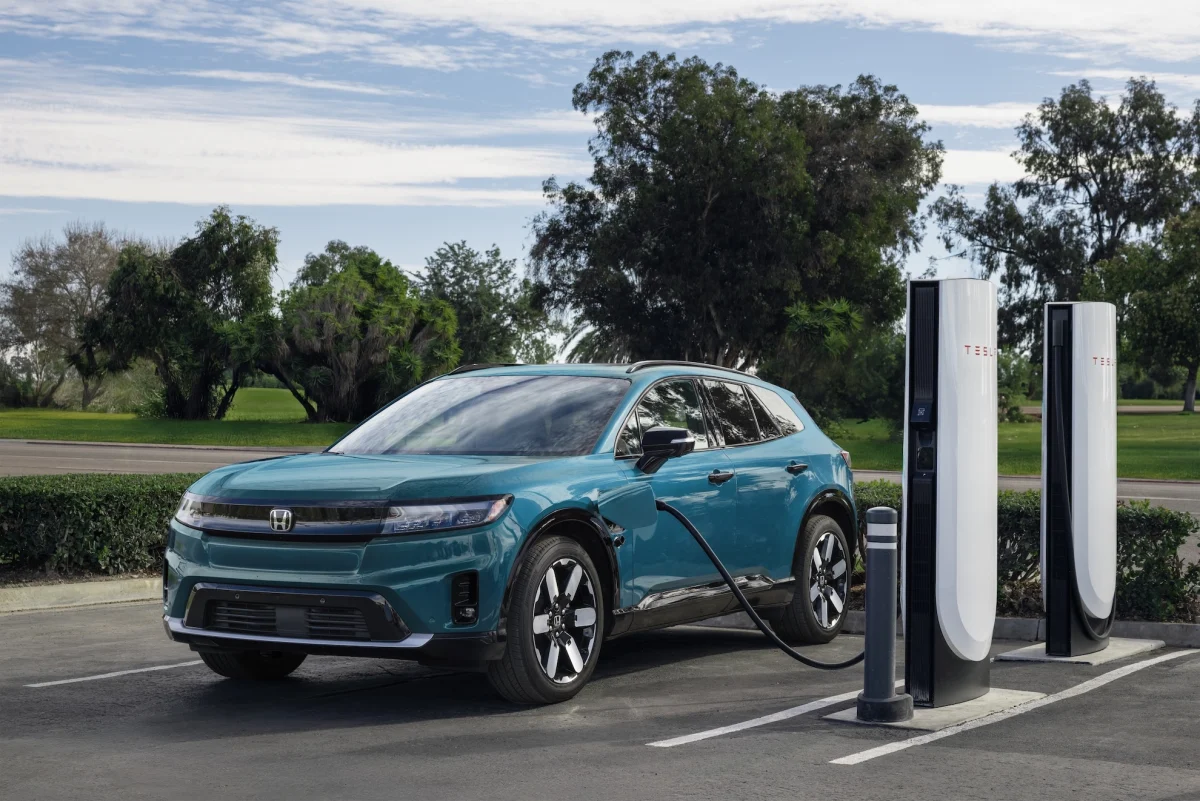
While personal anecdotes offer valuable insight, the broader data consistently supports the narrative of significant improvement. According to the Joint Office of Energy and Transportation, the number of DC fast chargers in the United States has more than doubled since July 2023, when approximately 32,000 such units were available. This dramatic expansion is not merely about quantity; it’s also about accessibility and reliability. A crucial turning point has been Tesla’s strategic decision, announced in 2023, to open its highly regarded Supercharger network to non-Tesla EVs. Although widespread access took over a year to materialize, its implementation has dramatically increased the availability of reliable, high-speed charging options for a broader spectrum of electric vehicles.
Beyond sheer numbers, reliability metrics paint an even clearer picture. Industry reports, such as Paren’s reliability index, which evaluates factors like successful charging sessions and station uptime, indicate a nearly 10-point improvement since last year, climbing from 85% to the mid-90s. While Tesla’s network maintains a leading position in terms of reliability, the rapid growth and enhanced performance of other charging networks—including Electrify America, EVgo, ChargePoint, and emerging players like Rivian—are fostering a more competitive environment. This competition is undoubtedly a driving force behind the overall enhancement of the charging experience, pushing providers to invest in better hardware, more robust software, and improved maintenance protocols.
The Broader Implications: Market, Society, and Future Outlook
The maturation of EV charging infrastructure carries significant market, social, and cultural implications. From a market perspective, a reliable charging network is a fundamental prerequisite for sustained EV sales growth. As charging concerns diminish, more consumers are likely to overcome their hesitations and make the switch to electric vehicles, driving further investment in manufacturing and related technologies. This also fuels competition among charging providers, incentivizing innovation in charging speed, station amenities, and payment solutions. The adoption of the North American Charging Standard (NACS) by a growing number of automakers further streamlines the ecosystem, reducing the need for adapters and simplifying the charging experience across different brands.
Socially, the reduction in range anxiety liberates EV owners, allowing them to undertake longer journeys with greater confidence and spontaneity. This shift transforms EVs from primarily urban commuters into versatile family vehicles, capable of supporting diverse lifestyles and travel aspirations. It also normalizes the concept of "refueling" an electric car, integrating it into daily routines and travel planning without undue stress. Culturally, as EVs become more ubiquitous and charging becomes a seamless experience, the perception of electric mobility shifts from a niche, early-adopter choice to a mainstream and practical option for a wider demographic.
Navigating Remaining Challenges and Looking Ahead
Despite these substantial strides, the EV charging ecosystem is not without its ongoing challenges. Gaps in the network still exist, particularly in rural or less populated areas, though government initiatives like the National Electric Vehicle Infrastructure (NEVI) Formula Program are specifically designed to address these underserved regions. Charger malfunctions, while less frequent, still occur. The critical difference now is that broken units are being repaired more quickly, and the sheer density of available alternatives means a single faulty charger is less likely to derail an entire trip.
Looking ahead, the industry is poised for continued innovation. Advances in battery technology promise even faster charging times, potentially reducing typical stop durations even further. The integration of renewable energy sources into charging stations, along with smart grid technologies, will enhance sustainability and manage peak demand more effectively. The focus will likely shift towards greater standardization, improved interoperability between networks, and the development of even more intuitive user interfaces.
The transformation in electric vehicle fast charging infrastructure has been remarkable. What was once a significant hurdle for EV adoption has rapidly evolved into an increasingly robust and reliable system. While perfection is an elusive goal, the current trajectory suggests that the future of EV travel will be characterized by convenience and confidence, paving the way for a truly electric transportation future. The message to those still hesitant is clear: the EV charging experience has fundamentally changed, offering a compelling and increasingly seamless alternative for the modern traveler.