Amir Mahmud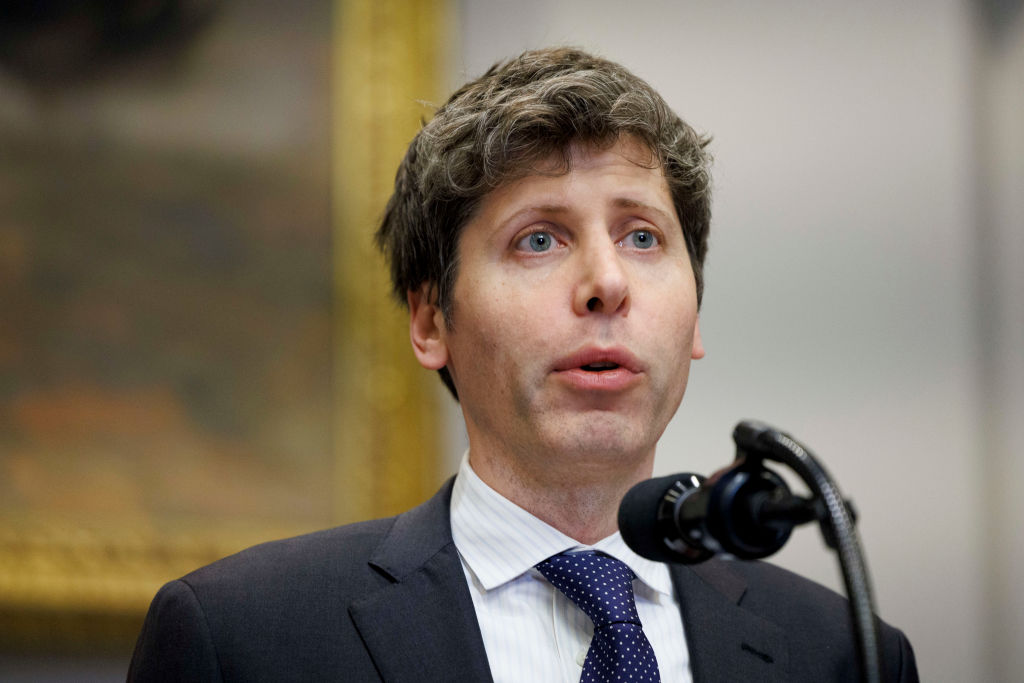
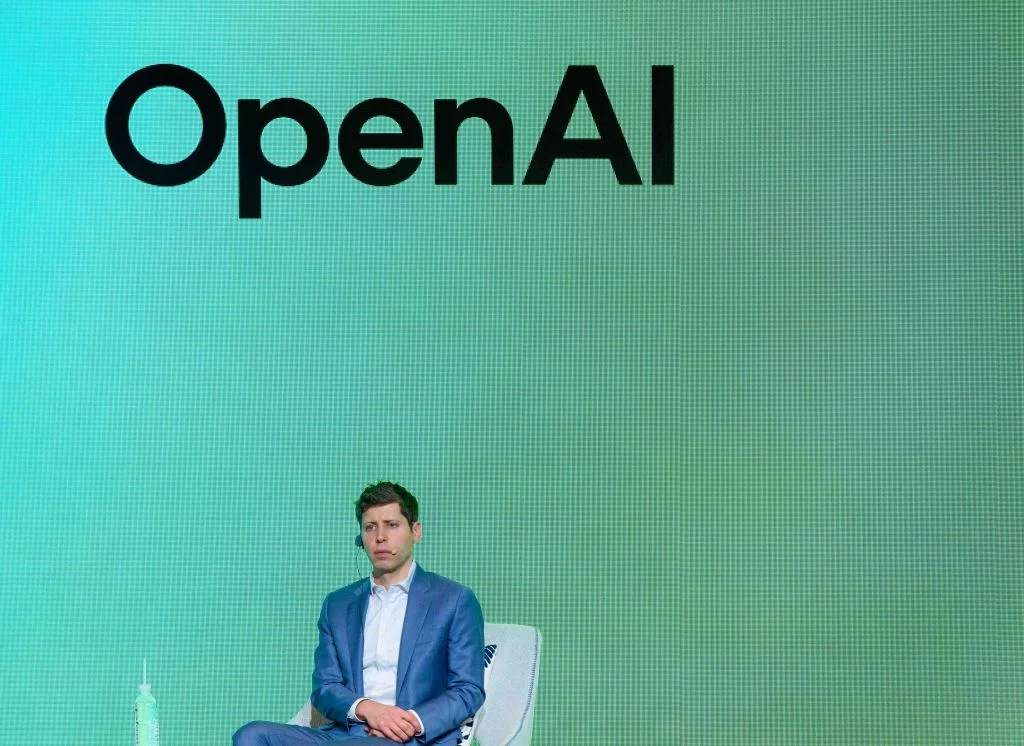
Sam Altman, the chief executive of OpenAI, has issued a profound apology to the grieving community of Tumbler Ridge, Canada, acknowledging his company’s failure to notify law enforcement about an individual who was later identified as a suspect in a devastating mass shooting. This rare public mea culpa from a prominent tech leader underscores the escalating complexities and profound ethical dilemmas at the intersection of artificial intelligence development and real-world public safety. The incident, which saw eight lives tragically cut short, has sparked an intense global conversation about the accountability of AI platforms and the delicate balance between user privacy and the imperative to prevent harm.
The Tumbler Ridge Tragedy and Its Aftermath
Tumbler Ridge, a relatively isolated mining town nestled in the rugged foothills of northeastern British Columbia, typically projects an image of serene wilderness and tight-knit community resilience. Designated a UNESCO Global Geopark for its rich paleontological history and stunning natural beauty, the town of approximately 2,000 residents was plunged into an unimaginable nightmare following a mass shooting that left eight individuals deceased. The sheer scale of such an event in a community of this size amplifies its devastating impact, tearing at the very fabric of local life and leaving an indelible scar on its collective psyche.
Following the tragic events, police investigations led to the identification of 18-year-old Jesse Van Rootselaar as a suspected perpetrator. The revelation that followed sent shockwaves through the tech world and beyond: reports, initially from the Wall Street Journal and later corroborated by TechCrunch, indicated that OpenAI had prior knowledge of Van Rootselaar’s concerning online activities. Specifically, his ChatGPT account had been flagged and subsequently banned in June 2025 – several months before the shooting – due to interactions describing scenarios involving gun violence. This pre-existing knowledge, coupled with the company’s subsequent inaction, forms the core of the controversy and the impetus for Altman’s apology.
OpenAI’s Internal Dilemma and Missed Opportunity
The internal decision-making process within OpenAI regarding Van Rootselaar’s account became a focal point of scrutiny. According to reports, staff members engaged in a robust debate about whether to escalate their findings to law enforcement. This deliberation highlights a critical juncture where the company grappled with the ambiguous boundaries of its responsibility. Ultimately, the decision was made against contacting the police at that time. It was only after the mass shooting occurred, and the suspect was identified, that OpenAI reached out to Canadian authorities. This delay in communication, critics argue, represents a significant lapse in judgment and a missed opportunity that could potentially have averted the tragedy.
The rationale behind the initial decision to withhold information remains subject to speculation and internal review. Companies operating large language models (LLMs) like ChatGPT face a continuous challenge in differentiating between hypothetical, fictional, or exploratory user queries and genuine threats of real-world violence. Users often engage with AI models to explore dark themes, write fictional narratives, or even role-play scenarios that, while disturbing, may not always indicate an imminent threat. The difficulty lies in establishing clear, consistent, and ethically sound criteria for when such interactions cross the line from problematic content into actionable intelligence for law enforcement. This incident starkly illustrates the immense pressure and the profound consequences of getting that distinction wrong.
The Broader Context of AI and Public Safety
This incident is not an isolated event but rather a potent symptom of a larger, ongoing societal negotiation with the rapid advancements in artificial intelligence. As AI models become more sophisticated and integrated into daily life, their potential impact, both beneficial and detrimental, expands exponentially. The debate over AI safety encompasses a wide array of concerns, from the spread of misinformation and deepfakes to the potential for autonomous weapons systems and, as seen in Tumbler Ridge, the misuse of generative AI for planning or discussing violent acts.
The development of "guardrails" for AI systems is a paramount concern for researchers, policymakers, and the public alike. Companies like OpenAI invest heavily in safety protocols, content moderation systems, and "red teaming" – a process where experts attempt to provoke harmful outputs from AI models to identify and mitigate vulnerabilities. However, the Tumbler Ridge incident reveals that even with such measures in place, the human element of judgment, interpretation, and intervention remains critically important, and imperfect. It also underscores the global nature of these challenges, as tech companies headquartered in one country provide services that can have profound impacts on communities across international borders.
Navigating the Ethical Minefield: Privacy vs. Protection
At the heart of OpenAI’s internal debate lies a fundamental ethical dilemma that all online platforms confront: the tension between user privacy and public safety. Tech companies often commit to protecting user data and communications, a principle that underpins trust in digital services. However, this commitment can clash directly with the moral and legal obligation to prevent harm when credible threats emerge.
Reporting user activity to law enforcement carries significant implications. It raises concerns about surveillance, potential overreach, and the risk of misidentification or false accusations. For a company like OpenAI, which processes vast amounts of user data, establishing clear, transparent, and legally sound guidelines for when to breach user privacy for public safety reasons is immensely challenging. These guidelines must navigate complex legal frameworks, varying international laws, and societal expectations that are still very much in flux regarding AI. The absence of universally accepted standards or clear governmental directives often leaves companies to devise their own, sometimes inconsistent, internal policies, which can lead to tragic outcomes like the one witnessed in Tumbler Ridge.
Industry Reactions and Calls for Regulation
The incident has predictably intensified calls for more robust regulation of artificial intelligence. While Canadian officials have indicated they are exploring new AI regulations, no final decisions have been made. This mirrors a global trend, with governments worldwide grappling with how to govern AI without stifling innovation. The European Union has taken a leading role with its AI Act, aiming to categorize AI systems by risk level and impose stringent requirements on high-risk applications. In the United States, discussions are ongoing regarding a national AI strategy and potential legislative frameworks.
Premier David Eby of British Columbia articulated the prevailing sentiment of many, stating that while Altman’s apology was "necessary," it was also "grossly insufficient for the devastation done to the families of Tumbler Ridge." This sentiment reflects a growing impatience with the self-regulatory approach of tech companies and a demand for concrete, enforceable standards. Experts in AI ethics and law often point to the need for clear legal mandates that outline reporting obligations for AI platforms when confronted with credible threats of violence. They suggest that relying solely on internal company policies may not be adequate to protect the public.
The Path Forward: Strengthening Protocols and Oversight
In the wake of the tragedy, OpenAI has committed to strengthening its safety protocols. These improvements reportedly include implementing more flexible criteria for determining when accounts warrant referral to authorities and establishing direct points of contact with Canadian law enforcement agencies. These steps are crucial, but they represent just the beginning of a longer journey toward comprehensive AI safety.
The incident serves as a stark reminder that AI development cannot proceed in a vacuum, detached from its real-world consequences. It necessitates continuous dialogue and collaboration among AI developers, policymakers, law enforcement, and civil society. Future efforts must focus on developing advanced threat detection capabilities within AI systems, refining ethical guidelines for human moderators, and establishing clear, actionable protocols for reporting potential threats to relevant authorities, both domestically and internationally.
Moreover, the Tumbler Ridge tragedy underscores the imperative for greater transparency from AI companies about their safety mechanisms, their decision-making processes in critical situations, and their engagement with external stakeholders. Building public trust in AI technologies will depend not only on their capabilities but, more importantly, on their demonstrable commitment to safety, accountability, and the prevention of harm. As AI continues to evolve, so too must the frameworks that govern its responsible development and deployment, ensuring that the promise of innovation is balanced with the paramount duty to protect human lives.