Amir Mahmud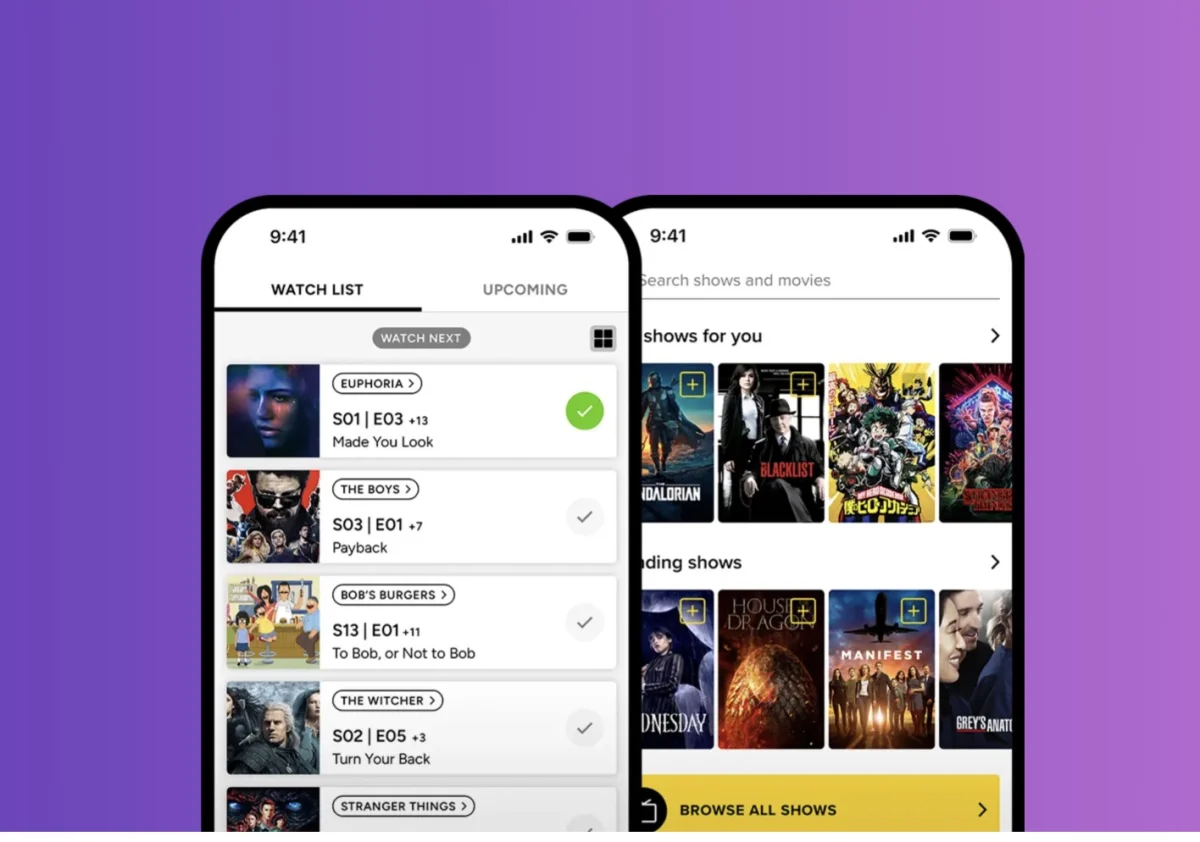
For over a decade, TV Time served as a crucial digital companion for millions of television enthusiasts worldwide, enabling them to meticulously track their viewing habits, discover new content, and engage in vibrant community discussions. However, that era is drawing to a close. The company behind the widely-used application recently delivered an in-app message to its extensive user base, announcing that TV Time’s services would be discontinued, ceasing all operations after July 15, 2026. This decision marks a significant moment for the digital media landscape, reflecting a broader trend of corporate strategic pivots towards artificial intelligence, even at the expense of popular consumer-facing platforms.
The official communication from the company cited the increasing financial burden of maintaining a free service and insufficient demand for a paid alternative as primary motivators for the shutdown. "While we loved supporting TV Time, it was no longer sustainable to continue operating the service as a free app, and there was not enough demand for a paid app," the message conveyed, expressing gratitude to its dedicated users for their passion and contributions that transformed the application into a thriving community. Yet, industry observers and the company’s recent trajectory suggest a more profound underlying cause: a decisive shift towards an AI-centric business model by its parent corporation.
The Rise and Reach of TV Tracking
The advent of TV tracking applications like TV Time emerged as a direct response to the escalating complexity of modern media consumption. In the early 2010s, as cable television began to give way to an explosion of streaming services and on-demand content, viewers faced an unprecedented challenge in organizing their watch lists, remembering where they left off in a series, and discovering new shows across disparate platforms. TV Time, launched in 2011, quickly carved out a niche by offering a centralized hub for these activities. Users could mark episodes as watched, receive notifications for new releases, rate shows, and dive into spoiler-free or spoiler-filled discussions with fellow fans.
This "second screen" experience enhanced the act of watching television, transforming it from a solitary activity into a communal one, even when viewers were geographically separated. It tapped into a fundamental human desire to share experiences and opinions, fostering a sense of belonging among diverse fan bases. The application amassed a substantial following, boasting over 26.4 million lifetime installs according to data from app intelligence provider Appfigures, with its parent company, Whip Media, frequently highlighting its more than 25 million users in marketing materials. Its popularity underscored the tangible value users derived from an organized, social approach to their entertainment consumption.
The Economic Tightrope of Free Consumer Apps
Operating a large-scale, feature-rich consumer application like TV Time without a robust monetization strategy is inherently challenging. While the company stated that running the platform as a free app was no longer sustainable and a paid model lacked sufficient demand, this reflects a common dilemma in the tech industry. Many popular apps start as free services to attract a large user base, hoping to eventually introduce premium features, advertising, or data-driven business models. However, converting free users to paying subscribers is notoriously difficult, and an ad-supported model often struggles to generate enough revenue to cover infrastructure, development, and content licensing costs, especially for applications with high data processing demands.
The landscape for ad revenue has also become increasingly competitive and fragmented, with major players dominating the digital advertising space. For niche applications, even those with millions of users, securing enough advertising spend to break even, let alone turn a significant profit, can be an uphill battle. This economic reality frequently forces companies to reassess their priorities, leading to difficult decisions about services that, while popular, may not align with long-term financial viability or strategic corporate objectives.
Whip Media’s Strategic Transformation and the AI Imperative
The story of TV Time’s shutdown is intrinsically linked to the strategic evolution of its parent company, Whip Media. For years, Whip Media leveraged the vast amounts of user data generated by TV Time. This anonymized and aggregated data provided invaluable insights into audience sentiment, viewing trends, content preferences, and ratings predictions for the media and entertainment industry. TV Time, therefore, did not necessarily need to be profitable as a standalone consumer product; its true value lay in its ability to feed Whip Media’s business intelligence ecosystem, which served studios, networks, and streaming platforms. This symbiotic relationship allowed Whip Media to offer services like content optimization, competitive analysis, and strategic planning based on real-world viewer behavior.
However, a pivotal shift occurred in early 2025 when Whip Media was acquired by Blue Torch Capital, a direct lender. This acquisition signaled a new direction, with the new ownership envisioning a future for Whip Media that was heavily concentrated on artificial intelligence. Under this new leadership, the company began to pivot away from its previous data-centric model, which was indirectly powered by consumer engagement, towards more direct and potentially lucrative AI-driven ventures.
The cornerstone of this reorientation is Helix, Whip Media’s AI-powered automation and workflow management tool. Helix is designed to revolutionize streaming analytics and supply chain orchestration for media companies, offering solutions that streamline content delivery, optimize distribution, and enhance operational efficiency through sophisticated AI algorithms. This move represents a strategic decision to focus on business-to-business (B2B) AI solutions, which often promise higher margins and more predictable revenue streams compared to the often volatile and low-margin consumer app market.
The AI Gold Rush: A Broader Industry Trend
TV Time’s discontinuation is not an isolated incident but rather indicative of a broader industry phenomenon often referred to as the "AI gold rush." As advancements in artificial intelligence accelerate and its commercial applications become more apparent, companies across various sectors are reallocating resources, divesting from non-core assets, and aggressively pursuing AI-powered initiatives. The promise of enhanced efficiency, unprecedented analytical capabilities, and the potential for disruptive innovation is drawing significant investment and strategic focus.
Another notable example of this trend is the read-it-later app Pocket. Despite a loyal user base, Pocket was eventually shuttered by its owner, Mozilla, as the company prioritized the development of its Firefox browser and integrated AI-powered browsing experiences. These instances highlight a critical re-evaluation of value within the tech industry, where the perceived long-term strategic advantage of AI development often outweighs the immediate utility or popularity of existing consumer products. Companies are making calculated decisions that prioritize future growth and competitive positioning in an AI-dominated landscape.
The Unseen Value: Data and Competitive Strategy
One of the most intriguing aspects of TV Time’s shutdown is the company’s decision not to sell the still-popular application. With millions of installs and a consistent, albeit slowing, stream of new users, TV Time arguably held significant residual value. Its robust database of viewing habits, preferences, and community interactions could have been a valuable asset for another media or tech company looking to enter or expand within the entertainment tracking space.
However, the decision to discontinue rather than sell could be a strategic move to prevent a competitor from acquiring a rich trove of data that could be used to build a formidable rival service. The data generated by TV Time users, even if anonymized, represented a comprehensive demographic and behavioral map of media consumption. Allowing a competitor to access this asset could undermine Whip Media’s future B2B AI offerings, particularly those focused on media analytics and content strategy. By shutting down the app and committing to deleting personal user data, Whip Media ensures that its proprietary insights, or the potential for such insights, remain exclusive or are entirely removed from the competitive landscape. This underlines the immense strategic value companies now place on data, not just as a commodity, but as a critical component of intellectual property and future innovation.
Impact on the User Community and the Future of Fandom
For the millions of users who relied on TV Time, the news of its impending shutdown is likely to evoke a sense of digital displacement and disappointment. These applications are more than just utility tools; they are digital homes for shared passions, places where connections are forged over favorite shows, and where the collective experience of fandom thrives. The loss of such a platform can leave a void, forcing users to seek out fragmented alternatives, which may not offer the same comprehensive features or vibrant community aspect.
This scenario raises questions about the future of fan engagement in an increasingly centralized and profit-driven digital ecosystem. Will streaming services eventually integrate more robust tracking and social features, or will independent developers step in to fill the void left by apps like TV Time? The cultural impact of losing a dedicated space for media discussion underscores the precarious balance between corporate strategic shifts and the needs of digital communities.
Data Privacy and User Transition
In light of the shutdown, Whip Media has affirmed its commitment to user data privacy. The company has stated that data collected via TV Time will not be used as part of any commercial service after the app ceases operations, and all personal data will be deleted. This commitment aligns with evolving global data protection regulations, such as GDPR. To facilitate this transition, users are provided with a GDPR-compliant export tool, allowing them to download their personal viewing data before the app is removed from app stores on July 15, 2026. This allows users to retain their watch history and potentially migrate it to other platforms, albeit without the community features that made TV Time unique.
The sunsetting of TV Time marks the end of an era for a beloved digital tool, symbolizing a pivotal moment in the tech industry’s relentless pursuit of the next big wave – in this case, artificial intelligence. As companies like Whip Media pivot aggressively towards AI-powered solutions, the landscape for consumer applications, even those with active and loyal user bases, is undergoing a profound transformation. The digital curtain call for TV Time serves as a stark reminder that in the fast-paced world of technology, even popular services can become casualties of evolving corporate strategies and the irresistible allure of new frontiers.