Amir Mahmud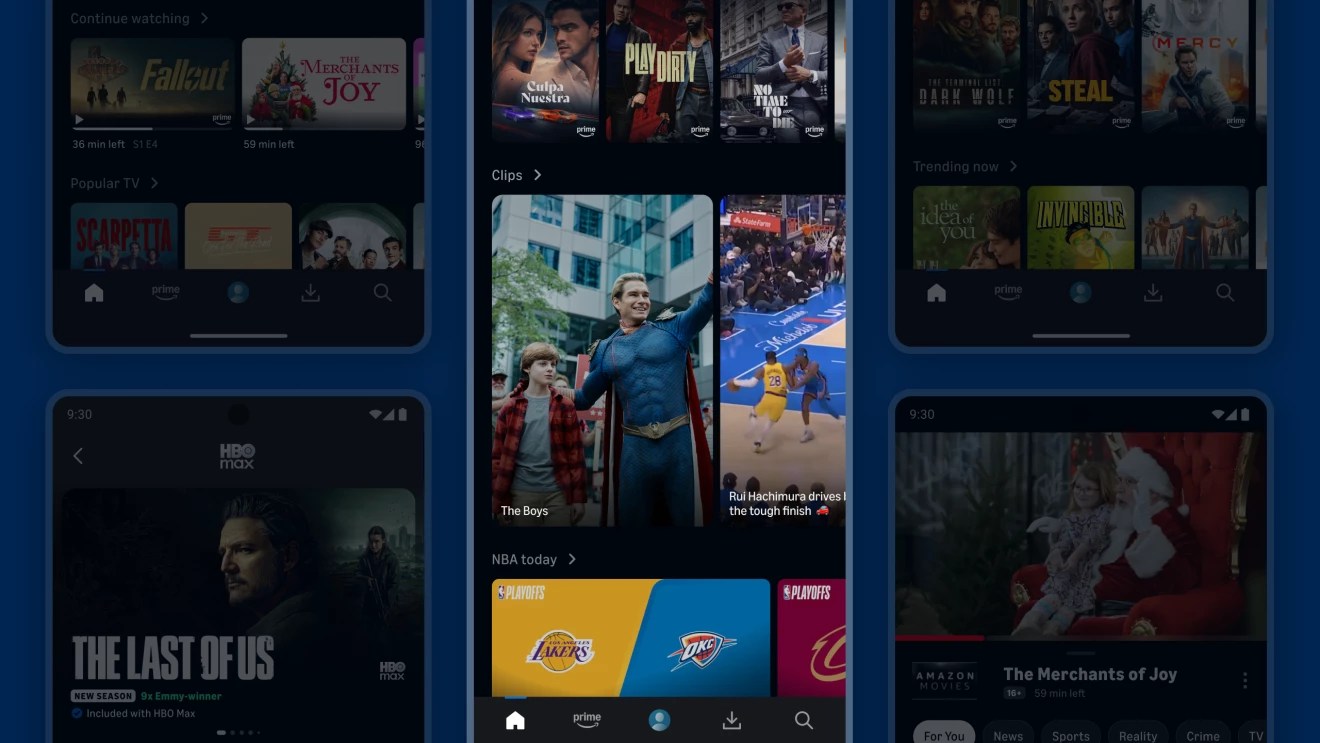
In a significant move reflecting the evolving landscape of digital media consumption, Amazon’s Prime Video has recently unveiled "Clips," a novel short-form video feed integrated directly into its application. This innovative feature, rolling out first to users in the United States, positions Prime Video alongside other streaming giants that are increasingly adopting vertical, snackable content formats to engage audiences and streamline content discovery. The introduction of "Clips" is a clear strategic play, designed to offer viewers a dynamic new method for exploring the vast library of titles available on the platform, ranging from original series and blockbuster films to documentaries and live sports highlights.
Unveiling the "Clips" Experience
The "Clips" functionality is engineered to provide a seamless and highly personalized browsing experience. Users can navigate to this new feature by scrolling down on a dedicated carousel on the Prime Video mobile homepage, which then transitions into a full-screen, vertical feed reminiscent of popular social media platforms like TikTok. Each "Clip" presents a concise, engaging snippet from a show or movie available on Prime Video, meticulously curated to pique a viewer’s interest and encourage them to delve deeper into the full title.
From within the "Clips" interface, users are empowered with multiple actionable options. They can effortlessly add a captivating title to their personalized watchlist, share an intriguing clip with friends or family, or directly proceed to rent, purchase, or access the complete content through their existing Prime Video subscription. This streamlined pathway from discovery to consumption is central to the feature’s design. Brian Griffin, Prime Video’s director of global application experiences, articulated the vision behind this innovation, stating that "Clips gives customers a whole new way to browse with short, personalized snippets tailored to their interests." He further emphasized the flexibility it offers, noting, "Whether they have a few minutes to scroll or are looking for something to watch when they have more time, entertainment is just a tap away." This user-centric approach underscores a broader industry trend towards immediate gratification and intuitive content access.
Initial testing for this short-form feed commenced during the NBA season, where it successfully showcased game highlights in a format that resonated with users accustomed to rapidly scrolling through vertical videos. The positive reception from this trial likely paved the way for its broader implementation across Prime Video’s general content library. Currently, "Clips" is being rolled out to select U.S. customers on iOS, Android, and Fire tablets, with a wider availability anticipated across the country later this summer.
The Streaming Industry’s Embrace of Short-Form Content
Prime Video’s adoption of a TikTok-like feed is far from an isolated incident; it represents a burgeoning trend among major streaming services. Over the past few years, platforms like Netflix, Peacock, Tubi, and Disney have all introduced similar vertical video experiences, signaling a collective industry shift towards a more dynamic and interactive form of content discovery. Netflix, for instance, launched "Fast Laughs" in 2021, a feed of comedy clips, and later integrated a similar "Clips" feature (sharing the same name as Prime Video’s) for broader content promotion. Tubi rolled out its "Scenes" feature, while Peacock and Disney have also experimented with short-form video to enhance user engagement.
This pivot is largely a response to the seismic impact of TikTok, which revolutionized how digital content is consumed, especially among younger demographics. TikTok’s algorithmically driven, endlessly scrollable feed of short, engaging videos proved immensely successful in capturing and retaining user attention, forcing traditional media and entertainment companies to re-evaluate their content strategies. The allure of instant gratification, combined with highly personalized content recommendations, created a new standard for digital engagement that streaming platforms are now striving to replicate within their own ecosystems. The challenge for these services, with their expansive and often overwhelming libraries, is to cut through the noise and guide viewers to content they will genuinely enjoy, a task for which short-form snippets are proving increasingly effective.
A Brief History of Content Discovery
To fully appreciate the significance of "Clips," it’s useful to trace the evolution of content discovery. For decades, television viewing was a largely passive experience dictated by linear broadcast schedules and printed TV guides. The advent of VCRs and later digital video recorders (DVRs) offered viewers some control, allowing them to time-shift content. Cable television introduced on-demand services, providing a rudimentary form of selection. However, it was the rise of streaming services like Netflix that truly revolutionized discovery with the introduction of sophisticated recommendation algorithms. These algorithms, based on viewing history, preferences, and user data, aimed to personalize the experience, moving beyond simple genre browsing.
Yet, even with advanced algorithms, the sheer volume of content on modern streaming platforms can lead to "choice paralysis." Users often spend considerable time scrolling through endless thumbnails, struggling to commit to a single title. Traditional trailers, while informative, often require a separate click and loading time, interrupting the flow of browsing. Short-form clips offer a nimble solution, acting as highly condensed, instantly digestible trailers that can be consumed in rapid succession. This paradigm shift signifies a move from a lean-back, passive selection process to a more active, almost gamified exploration, where snippets serve as tantalizing appetizers for the main course.
Market Dynamics and Competitive Landscape
Amazon’s integration of "Clips" is particularly noteworthy given its multifaceted business model. Unlike pure-play streaming services, Prime Video is an integral component of the broader Amazon Prime ecosystem, which encompasses e-commerce, cloud services, and a vast array of hardware devices like Fire TV sticks and Fire tablets. This allows Amazon to leverage its extensive user data and existing technological infrastructure to enhance the "Clips" experience, potentially creating a powerful feedback loop between content consumption and product purchases. For instance, a clip featuring a product could directly link to its Amazon listing, blurring the lines between entertainment and commerce.
In the fiercely competitive streaming wars, where every platform is vying for precious subscriber dollars and, more importantly, user attention, such innovations are critical. The battle for screen time extends beyond direct streaming competitors; it encompasses social media platforms, gaming, and other digital diversions. By adopting a format popularized by TikTok, Prime Video is not only competing with Netflix and Disney+ but also with the social media giants themselves for a share of users’ daily digital engagement. This strategy aims to keep users within the Prime Video app for longer durations, fostering deeper engagement with the platform’s offerings and reinforcing the value proposition of a Prime subscription. Furthermore, it creates new avenues for content creators and marketers to promote their work, potentially driving higher viewership and subscription conversions.
Social and Cultural Implications: The TikTokification of Everything
The widespread adoption of short-form video by major entertainment platforms reflects a profound cultural shift often dubbed the "TikTokification" of digital media. This phenomenon has reshaped audience expectations, particularly among younger demographics who have grown up with instant access to personalized, algorithmically curated content. The psychological appeal of short-form video lies in its ability to deliver quick bursts of entertainment, stimulation, and novelty, catering to increasingly fragmented attention spans. The endless scroll offers a dopamine hit with each new discovery, making it a highly addictive and engaging format.
However, this shift also prompts neutral analytical commentary regarding its potential impact on traditional long-form storytelling and critical engagement. While short clips are excellent for discovery, some critics ponder whether a constant diet of bite-sized content might diminish the capacity for sustained focus required for complex narratives. The blurring lines between entertainment, advertising, and social media also raise questions about content authenticity and the potential for superficial engagement over deep appreciation. Yet, from a practical standpoint, the trend is undeniable: consumers, especially mobile-first generations, expect content to be easily discoverable, instantly gratifying, and tailored to their individual tastes. "Clips" is Prime Video’s response to this cultural imperative, adapting its platform to meet users where their consumption habits have already evolved.
Opportunities and Challenges Ahead
The introduction of "Clips" presents both significant opportunities and inherent challenges for Prime Video. On the opportunity front, the feature promises enhanced content discovery, which is paramount in an era of content overload. By showcasing compelling snippets, Prime Video can effectively surface hidden gems and promote lesser-known titles, potentially increasing overall viewership and reducing churn. The personalized nature of the feed could lead to stronger user retention, as individuals feel more connected to content tailored specifically for them. Moreover, the direct links for renting, buying, or subscribing offer a frictionless path to monetization, aligning with Amazon’s core e-commerce strengths.
However, challenges persist. Maintaining Prime Video’s brand identity, primarily known for premium long-form content, while integrating a social media-like feed will require careful calibration. There’s a risk of content fatigue if the "Clips" feed becomes overwhelming or repetitive. Ensuring the quality and relevance of the clips, and preventing them from devolving into mere clickbait, will be crucial for user trust and engagement. The algorithmic curation must be robust enough to genuinely personalize the experience without introducing bias or limiting discovery. Furthermore, Prime Video must navigate the delicate balance between promoting its vast library and potentially becoming perceived as another social media platform, a space where user expectations for interactivity and content creation differ significantly. The success of "Clips" will ultimately depend on its ability to seamlessly integrate into the existing Prime Video experience, serving as a powerful discovery tool without detracting from the platform’s primary function of delivering high-quality, long-form entertainment.
The Future of Streaming Discovery
Prime Video’s launch of "Clips" unequivocally signals that the future of streaming discovery is increasingly intertwined with the dynamic, personalized, and bite-sized formats popularized by social media. As streaming services continue to compete for subscriber loyalty and attention in an ever-crowded market, innovation in how content is presented and discovered will remain paramount. The move by Amazon, following in the footsteps of its major rivals, underscores a collective acknowledgment that adapting to evolving user behaviors is not merely an option but a strategic necessity. By making entertainment "just a tap away" through engaging, short-form snippets, Prime Video aims to solidify its position in the digital entertainment landscape, ensuring that its extensive library remains accessible and enticing to a new generation of viewers.