Amir Mahmud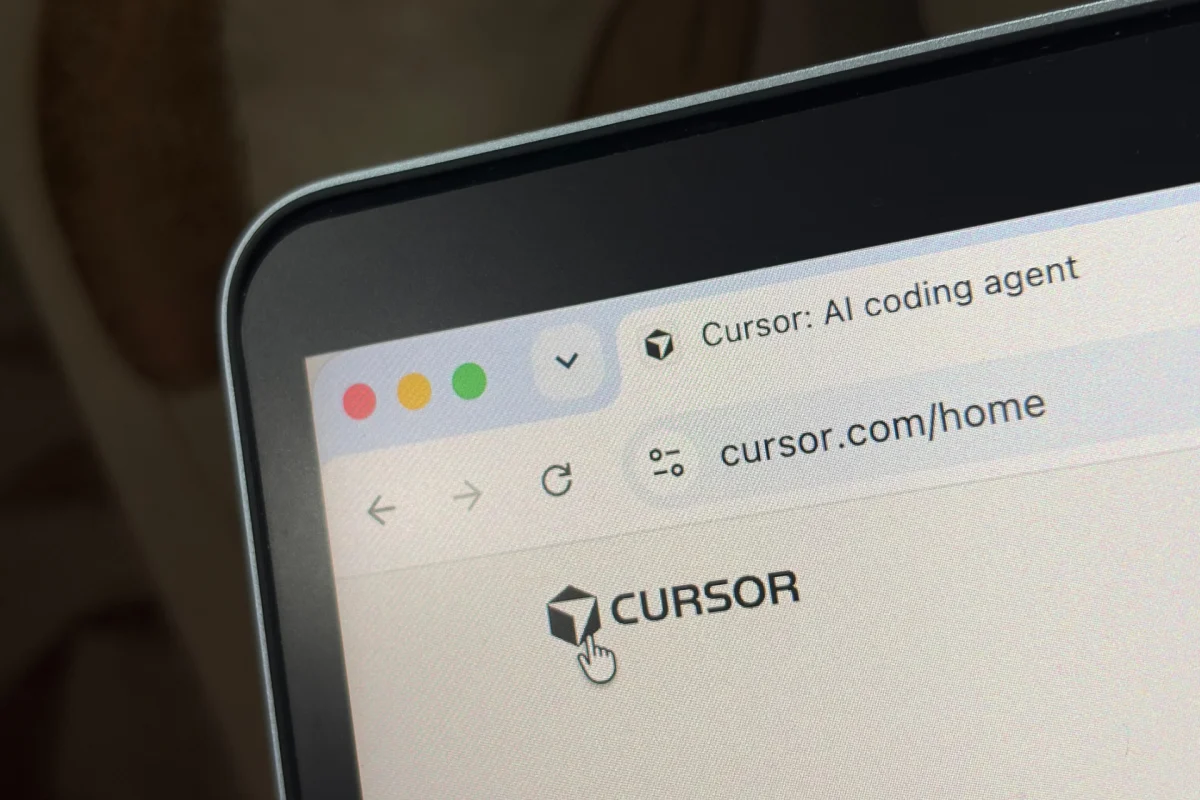
In a significant strategic maneuver, Cursor, a pioneering artificial intelligence (AI) coding startup, is intensifying its focus on the Indian market, introducing a localized subscription plan just weeks before its anticipated acquisition by aerospace giant SpaceX concludes. This expansion underscores India’s escalating importance as a global technology hub and a critical battleground for AI tool providers.
The company’s latest offering, "Cursor Start," is priced at ₹649 per month (approximately $7 USD), a substantial reduction from its standard $20 monthly Pro subscription. This move is a clear indication of Cursor’s commitment to penetrate one of the world’s most vibrant and rapidly expanding developer ecosystems, aiming to capture a larger share of the market as it prepares for a new chapter under SpaceX’s ownership.
India: A Nexus for Software Development Talent
India has firmly established itself as a global powerhouse in software development. Data from GitHub earlier this year revealed that the nation hosts over 27 million developers on its platform, ranking second only to the United States, with more than two million new users joining in the past year alone. This burgeoning talent pool, coupled with a robust digital infrastructure and a culture increasingly embracing technological innovation, presents an irresistible opportunity for companies like Cursor.
For Cursor, India is already its third-largest market globally and boasts the highest concentration of its "power users." The company has witnessed its user base in the country more than triple over the past year, signaling a strong appetite for advanced coding tools. Simon Green, Cursor’s head of Asia-Pacific and Japan, highlighted the strategic rationale behind the localized pricing. "The sheer scale of the Indian market, combined with the profound technical competency and existing engineering talent, made it a natural fit for our first localized commercial model," Green stated. He added that the aim was to "right-size the commercial model and drive scale," acknowledging the unique economic dynamics of the region.
The Rise of AI in Software Development
The advent of AI-powered coding assistants marks a transformative period in software development. These tools leverage large language models (LLMs) to assist developers with tasks ranging from code generation and debugging to refactoring and documentation. Early entrants like GitHub Copilot, Tabnine, and Replit have demonstrated the immense potential of AI to enhance productivity, reduce errors, and accelerate development cycles. Cursor distinguishes itself by focusing on a comprehensive AI-first environment that integrates various AI models and developer workflows.
The demand for such tools has surged globally as organizations strive for greater efficiency and innovation. Developers, from individual freelancers to large enterprise teams, are increasingly adopting AI assistants to streamline their work, allowing them to focus on more complex problem-solving and creative aspects of software engineering. This shift is not merely about automation but about augmenting human capabilities, enabling developers to write cleaner, more efficient, and more secure code at an unprecedented pace.
Historical Context of India’s Tech Ascent
India’s journey to becoming a global tech hub is a story of continuous evolution. Beginning in the late 20th century, the country emerged as a dominant force in IT services and outsourcing, leveraging its vast pool of English-speaking, technically skilled graduates. Cities like Bengaluru, Hyderabad, and Chennai became synonymous with offshore development centers for global corporations.
The early 2000s saw the rise of India’s own startup ecosystem, fueled by returning expatriates and domestic entrepreneurial zeal. Government initiatives like "Digital India," launched in 2015, further propelled the country’s digital transformation, focusing on improving online infrastructure, digital literacy, and accessibility to digital services. This created a fertile ground for the growth of local tech companies and attracted significant foreign investment. The explosion of mobile internet penetration and the widespread adoption of digital payment systems like the Unified Payments Interface (UPI) have further accelerated this digital revolution, making India a prime market for digital products and services, including advanced developer tools.
Features of the Cursor Start Plan
The Cursor Start plan is meticulously designed to cater to the needs of Indian developers, providing a significant upgrade from the free tier without the full cost of the Pro subscription. It includes access to Cursor’s proprietary Composer 2.5 model and Grok 4.5, offering higher usage limits. Additionally, subscribers gain access to cloud agents, the Cursor iOS app, various plugins, Model Context Protocol support, hooks, and skills. This suite of features aims to empower developers who require more robust AI-assisted coding capabilities for their projects, whether for personal endeavors, startup initiatives, or academic pursuits.
However, the Start plan maintains a clear distinction from the more premium Pro subscription. It does not include access to cutting-edge frontier AI models from third-party providers such as OpenAI and Anthropic, nor does it offer advanced functionalities like Bugbot, Auto Mode, Automations, or the Cursor SDK. This tiered approach allows Cursor to offer a cost-effective solution while reserving its most advanced features for higher-paying customers. The plan supports payments in Indian rupees through various methods, including credit and debit cards, and critically, India’s ubiquitous Unified Payments Interface (UPI), simplifying transactions for local users. To ensure regional exclusivity, Cursor has implemented multiple checks to prevent access through virtual private networks (VPNs) or other circumvention methods.
A Broader Trend: Localized Pricing Strategies
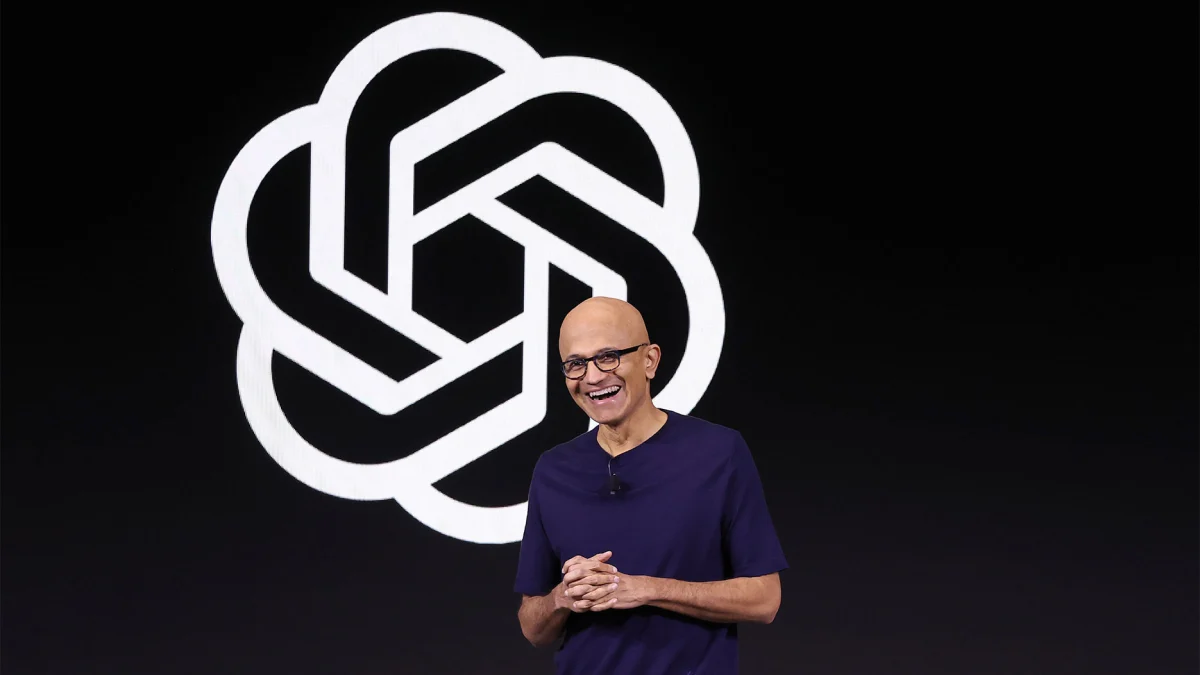
Cursor is not an isolated case in adopting a localized pricing strategy for India. The trend has been set by other global AI leaders, including OpenAI and Anthropic, who have also rolled out India-specific plans over the past year. This competitive landscape highlights India’s importance as a fast-growing AI market, where companies are vying for user adoption and market share. OpenAI’s precedent with its sub-$5 ChatGPT Go plan, initially launched in India before expanding to other Asian markets, provides a blueprint for Cursor’s potential future strategy. Simon Green confirmed that if the India model proves successful, localized pricing could be extended to other emerging markets. "We will continue to do everything we can to fuel the demand and serve those clients that are using us," Green remarked. "If this model proves we could take it to other markets, perhaps we will. But I think it’d be crazy to say we would never do it elsewhere."
Expanding Local Presence and Enterprise Ambitions
Beyond pricing, Cursor is actively bolstering its physical and operational presence in India. The company has recently onboarded its first salesperson in the country and anticipates another leadership hire in Delhi. Furthermore, it is establishing a government affairs office and hiring three technical customer support specialists, expanding its footprint across key tech hubs including Bengaluru, Chennai, Hyderabad, and Mumbai.
While adoption in India has primarily been driven by individual developers, startups, and universities, Cursor sees substantial opportunities in the enterprise sector. Its enterprise push is still in its nascent stages, but the company identifies banking and large corporations as promising areas for growth as it scales its local sales efforts. The localized pricing, Green emphasized, is designed to be commercially sustainable, not a loss leader. This viability stems from the plan’s reliance on Cursor’s own AI models, which entail lower operating costs compared to integrating and running primarily third-party frontier models. This strategy allows Cursor to offer an attractive price point while maintaining profitability.
The SpaceX Acquisition: A New Horizon for Cursor
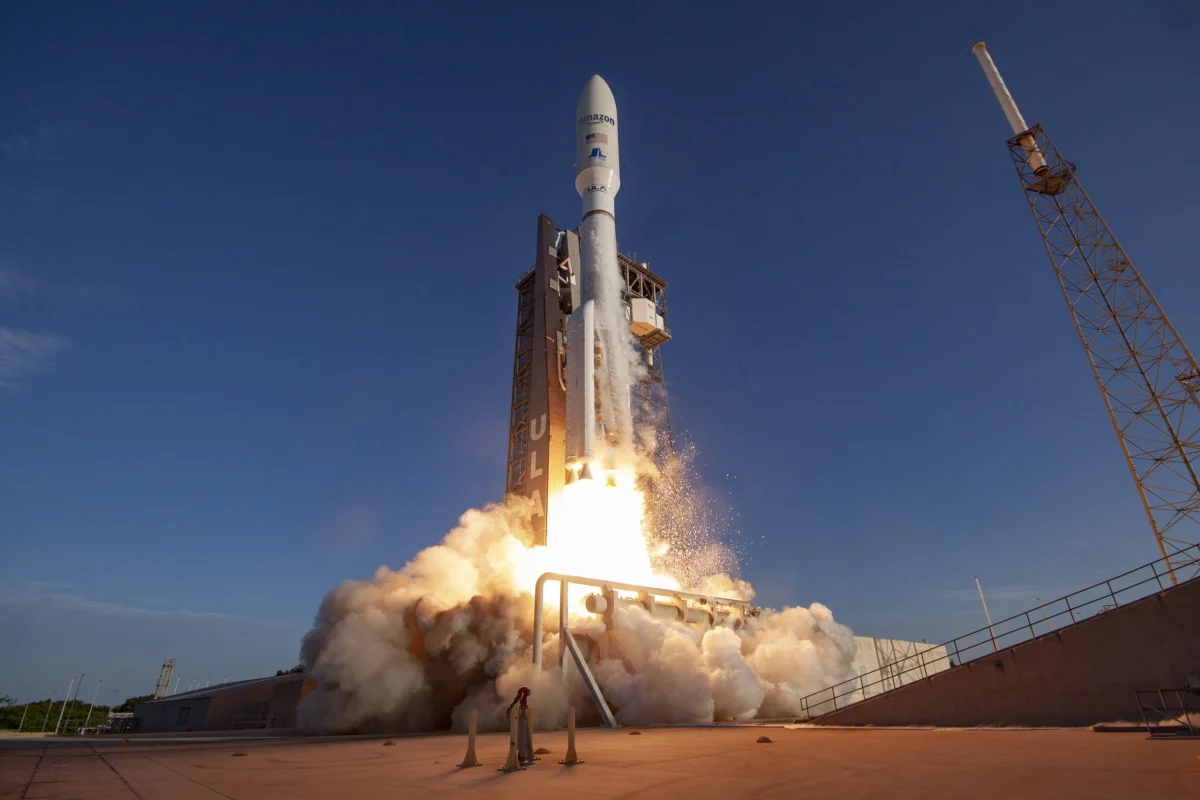
This significant India expansion unfolds just over a month after Elon Musk’s SpaceX agreed to acquire Cursor in a monumental $60 billion all-stock deal. This acquisition follows SpaceX’s blockbuster initial public offering (IPO) and is expected to finalize in the third quarter of the year. SpaceX has been collaborating with Cursor since April, with an option to purchase the startup, to develop a "next-generation coding and knowledge work AI."
While Cursor is operating independently until the transaction closes, and its India expansion plans were in motion prior to the acquisition agreement, the synergy with SpaceX could be transformative. Green noted that SpaceX’s existing presence in India, particularly through its Starlink satellite internet service, could significantly accelerate Cursor’s expansion by mitigating commercial and operational barriers. This potential for leveraging a larger parent company’s infrastructure and market penetration could provide Cursor with an unparalleled advantage in scaling its global ambitions, especially within dynamic and high-growth regions like India. The acquisition positions Cursor not just as an AI coding tool, but potentially as a foundational component in SpaceX’s broader technological ecosystem, hinting at future innovations in AI-driven development.