Azin Asro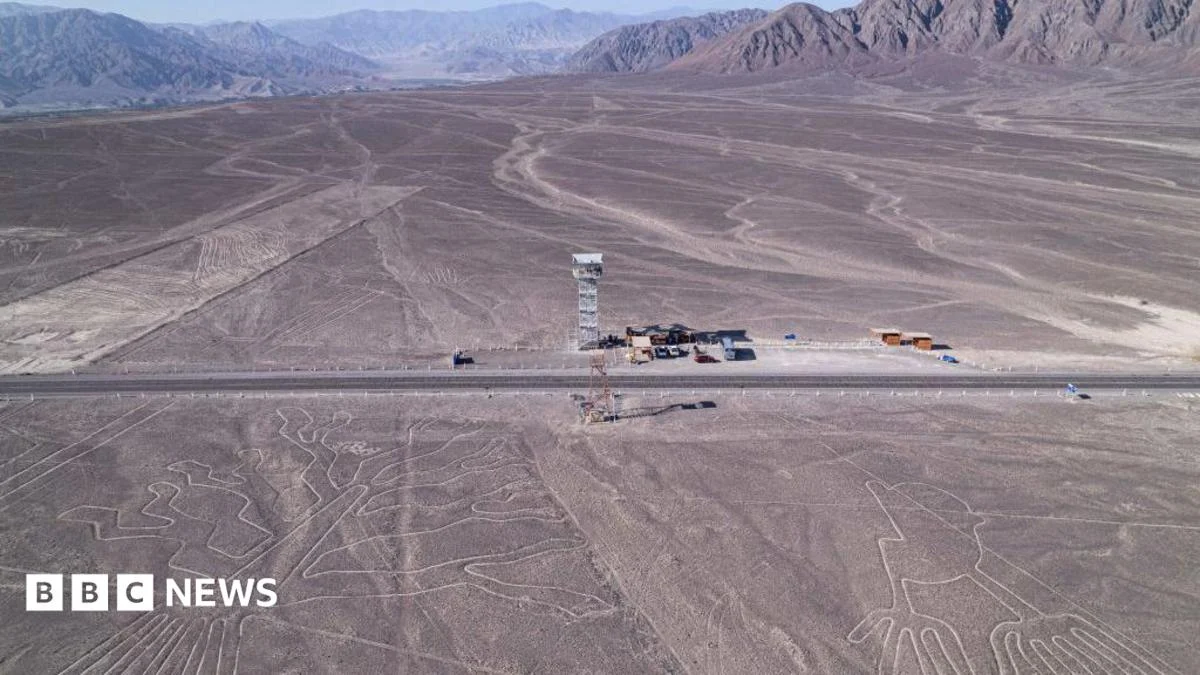
A devastating aviation accident has cast a somber shadow over Peru’s revered Nazca Lines, as a small sightseeing aircraft carrying international tourists plummeted to the ground, claiming the lives of all thirteen individuals on board. The incident, which occurred on a recent Saturday afternoon, involved a Cessna Caravan C-208 operated by local Peruvian airline Aerodiana, and has ignited urgent discussions about the safety protocols governing aerial tours of the iconic archaeological site. The victims included eleven passengers—seven Italian, two German, and two Spanish nationals—alongside two Peruvian pilots, transforming a planned journey of wonder into a scene of profound tragedy.
The Tragic Incident Unfolds
The ill-fated flight originated from Pisco airport and was conducting a scenic tour over the intricate geoglyphs when it crashed in the Pueblo Viejo region, a short distance from the Nazca airfield, around 1:00 PM local time. Initial reports indicated a swift and catastrophic impact, leaving no chance for survival among those aboard. Emergency services, including firefighters and police, quickly converged on the site, battling a blaze that engulfed the wreckage. Video footage from Reuters depicted smoke plumes rising from the desert landscape as responders worked diligently to control the scene and commence recovery operations.
Police Major Jorge Andrade confirmed the grim reality of the crash, stating that due to the severity of the accident, there were no survivors, and that recovery efforts were underway, with four bodies initially retrieved amidst the debris. The Municipalidad Provincial de Nasca promptly released a statement online, expressing profound sorrow and extending heartfelt condolences to the grieving families, acknowledging the devastating loss of life. Aerodiana, the airline involved, also issued a public statement, indicating its intention to cooperate fully with authorities and to reassess its flight schedule in accordance with official directives. The immediate aftermath focused on managing the crisis, notifying international diplomatic missions, and initiating the painstaking process of identifying the victims and investigating the cause.
Aviation Safety Concerns Over Ancient Wonders
The practice of viewing the Nazca Lines from the air has become a cornerstone of Peruvian tourism, offering an unparalleled perspective of the massive geoglyphs that are impossible to fully appreciate from the ground. However, this unique viewing experience is almost exclusively facilitated by small, single-engine aircraft, a segment of aviation that inherently presents specific safety considerations. The Cessna Caravan C-208, a widely used utility aircraft, is generally known for its reliability, but its deployment in a high-frequency, low-altitude tourism environment over a challenging desert terrain introduces a distinct set of operational demands.
Flights over the Nazca Lines typically involve multiple daily departures, often requiring pilots to navigate precise aerial patterns at relatively low altitudes to afford passengers the best views of the ancient drawings. This operational profile necessitates exceptional pilot skill, rigorous maintenance schedules, and robust air traffic management, especially when several aircraft might be airborne simultaneously in the same vicinity. The desert environment itself can present challenges, including strong thermal updrafts, dust storms, and limited emergency landing options. Experts in aviation safety often highlight that while small aircraft are generally safe, the cumulative risk factors associated with continuous, repetitive short-haul flights in specific geographical conditions warrant continuous, stringent oversight.
The Allure of the Nazca Lines: A Historical Perspective
To understand the enduring appeal that draws thousands to this remote corner of Peru, one must delve into the profound history and mystery of the Nazca Lines themselves. These monumental geoglyphs, etched into the arid plains of the Nazca Desert, represent one of the most enigmatic archaeological wonders of the ancient world. Created by the Nazca culture between 500 BCE and 500 CE, these colossal designs range from simple lines and geometric shapes to intricate depictions of animals such as hummingbirds, spiders, monkeys, fish, lizards, and even human-like figures.
Their purpose has long captivated archaeologists, historians, and the public alike, sparking numerous theories. Some suggest they served as an astronomical calendar, aligning with celestial events; others propose they were ritual pathways or part of an elaborate water management system in an extremely arid region. The German mathematician and archaeologist Maria Reiche dedicated over four decades of her life to studying, mapping, and preserving the lines, famously concluding that they were likely an astronomical observatory or a giant agricultural calendar.
The Nazca Lines were designated a UNESCO World Heritage site in 1994, recognizing their outstanding universal value as a testament to the sophisticated engineering and artistic capabilities of an ancient civilization. Their sheer scale—some figures span hundreds of meters—means they can only be fully comprehended from an elevated vantage point. This inherent characteristic underpins the entire aerial tourism industry that has developed around them, offering visitors a fleeting but awe-inspiring glimpse into a distant past, making the recent tragedy even more poignant for those who sought to connect with this profound cultural legacy.
A Troubling Pattern: Previous Accidents
The recent crash, while deeply tragic, is not an isolated incident in the history of Nazca Lines aerial tourism. A disturbing pattern of previous accidents raises critical questions about the long-term safety of these operations. In 2022, just two years prior, another small tourist plane crashed during a flight over the same site, resulting in the deaths of seven people. Going back further, to 2010, a similar accident claimed the lives of six individuals on board a tourist aircraft also flying over the Nazca Lines.
These recurring tragedies, involving similar types of aircraft and operations, suggest that the challenges faced by the Nazca aerial tourism sector might be systemic rather than merely isolated unfortunate events. Analytical commentary often points to the cumulative effect of factors such as the age of the aircraft fleet, the intensity of flight schedules, potential pressures on maintenance budgets, and the unique demands of low-altitude scenic flights. Each incident, while distinct in its immediate cause, contributes to a broader narrative that demands rigorous scrutiny of aviation safety standards in this specific context. The repeated loss of life not only inflicts immense personal suffering but also erodes public confidence and casts a shadow over Peru’s reputation as a safe and responsible tourism destination. This troubling pattern underscores the urgent need for comprehensive safety reforms that address the underlying vulnerabilities of this niche aviation sector.
Regulatory Framework and Oversight
Aviation safety in Peru falls under the purview of the Dirección General de Aeronáutica Civil (DGAC), the national civil aviation authority. The DGAC is responsible for establishing and enforcing aviation regulations, licensing pilots and operators, conducting aircraft inspections, and investigating accidents. Its mandate is to ensure that all air operations within Peruvian airspace adhere to national laws and international standards set by bodies such as the International Civil Aviation Organization (ICAO).
For small charter operations like those over the Nazca Lines, specific regulations apply regarding aircraft maintenance, pilot flight hours, crew training, and operational procedures. These include stringent requirements for regular inspections, adherence to manufacturer’s maintenance schedules, and protocols for weather assessments. However, the effective implementation and consistent enforcement of these regulations can be challenging, particularly in regions where economic pressures from tourism are significant. Regulators must strike a delicate balance between facilitating economic activity and upholding the highest safety standards. The repeated incidents suggest that despite existing frameworks, there may be gaps in oversight, insufficient resources for thorough inspections, or perhaps an need for more stringent requirements tailored to the unique demands of high-frequency scenic flights.
Economic and Social Repercussions
The impact of such a high-profile aviation disaster extends far beyond the immediate tragedy, reverberating through the local economy and social fabric of the Nazca and Pisco regions. Tourism is a vital lifeline for these communities, providing employment for guides, hoteliers, restaurant owners, and various support services. An accident of this magnitude can severely damage international visitor confidence, leading to a decline in bookings and overall tourist arrivals.
Airlines involved, such as Aerodiana, face immediate operational disruptions, potential grounding of their fleet, and significant financial losses, including legal liabilities and reputational damage. The ripple effect can impact other tour operators who, despite having strong safety records, might suffer from a generalized perception of risk associated with Nazca flights. Socially, the community grapples with the emotional toll of such events, especially when local pilots are among the victims. There is often a palpable sense of grief mixed with anxiety about the future of their primary economic driver. The incident forces a difficult confrontation with the trade-offs between economic prosperity derived from tourism and the imperative of ensuring visitor safety.
The Path Forward: Investigations and Preventative Measures
A thorough and transparent investigation into the cause of the recent crash is paramount. This process typically involves the collection and analysis of flight data recorders (if the aircraft was equipped with them, though not all small planes carry them), examination of wreckage, interviews with witnesses and airline personnel, and detailed weather analysis. Investigators will meticulously search for clues related to mechanical failure, pilot error, air traffic control issues, or environmental factors.
Based on the findings, the DGAC, possibly with international assistance, will issue a final report detailing the probable cause and offering recommendations to prevent similar incidents. These recommendations could range from stricter aircraft age limits, mandatory upgrades to safety equipment, enhanced pilot training and recurrent certification, revised flight paths, or more frequent and rigorous maintenance audits. There might also be calls for improved air traffic management systems for scenic flights and increased regulatory enforcement. A multi-stakeholder approach involving government agencies, airline operators, and international aviation safety bodies will be crucial to implementing effective preventative measures and restoring confidence in the safety of Nazca Lines aerial tours.
Global Context of Sightseeing Flights
Scenic flights are a popular tourist activity worldwide, offering unique perspectives of natural wonders and cultural sites, from the Grand Canyon in the United States to the glaciers of New Zealand and the remote landscapes of Alaska. While these flights provide unforgettable experiences, they share inherent risks associated with low-altitude operations, often in challenging environments and with smaller aircraft. The aviation industry continually strives to enhance safety across all sectors, but niche operations like sightseeing tours sometimes face unique pressures and challenges.
The Nazca tragedy serves as a stark reminder that while the thrill of discovery from above is powerful, the responsibility for ensuring passenger safety must remain the absolute priority. It highlights the ongoing global imperative for robust regulatory oversight, adherence to best practices in maintenance and operations, and a proactive approach to identifying and mitigating risks in all forms of aviation, especially those catering to the global tourism market.







 Amir Mahmud