Amir Mahmud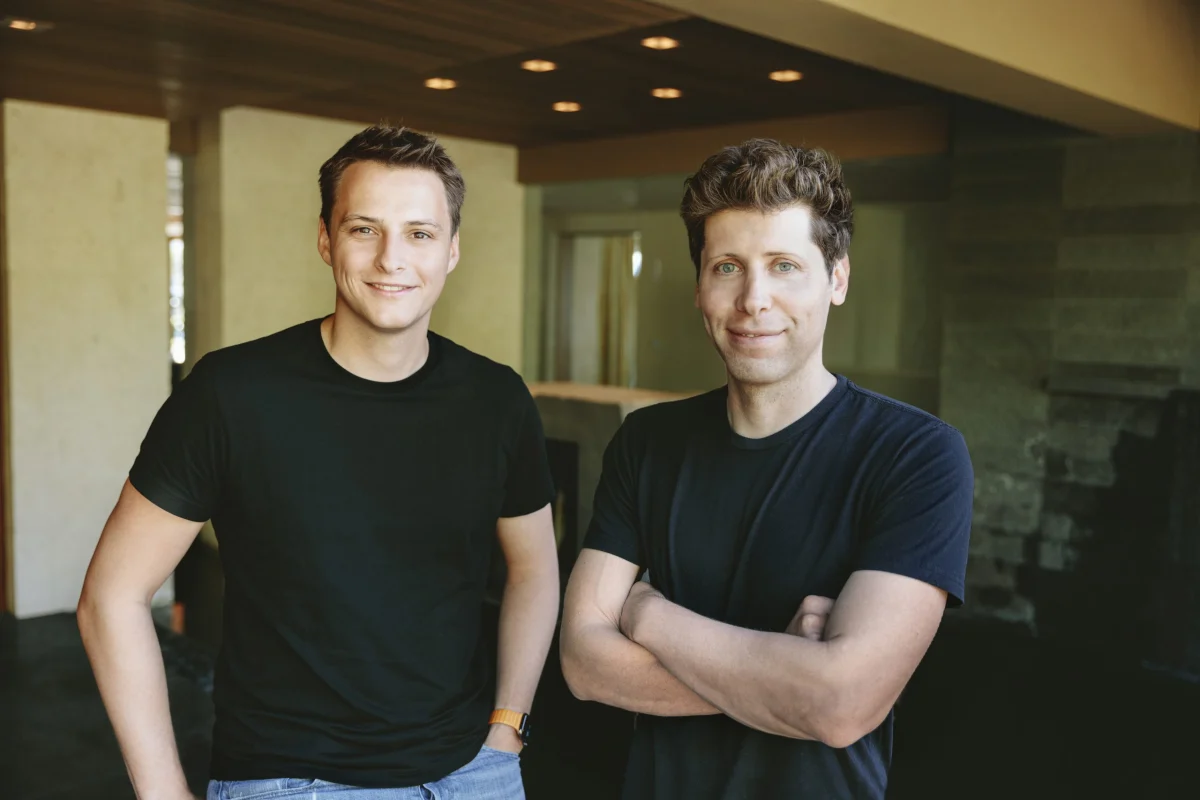
A significant financial boost has propelled World, the ambitious digital identity venture co-founded by OpenAI’s Sam Altman, forward in its mission to establish a global "proof of human" system. The company recently announced a successful raise of $52.5 million through a strategic sale of its WLD crypto tokens, attracting prominent investors keen on the future of online verification. This capital infusion underscores the growing urgency to distinguish human interactions from automated processes in an increasingly complex digital landscape, a challenge World aims to address with its unique biometric technology.
The funding round, structured as a 12-month lockup sale of World’s native WLD token, signals a robust commitment from its strategic backers. A lockup period restricts buyers from selling or trading their acquired tokens for a predetermined duration, a common practice in the cryptocurrency sector designed to foster long-term investment and stability. According to a company press release, this year-long commitment reflects investors’ confidence in World’s sustained expansion and utility within the evolving digital ecosystem.
Strategic Capital for Network Expansion
The capital injection is designated for the World Foundation, an exempted limited guarantee foundation established in the Cayman Islands. This entity is specifically tasked with overseeing and facilitating the broader expansion and governance of the World network. Its role is crucial in ensuring the project’s decentralized vision and global reach are realized, providing an institutional framework for its development.
Leading the investment consortium is Pantera Capital, a venture capital firm renowned for its dedicated focus on digital assets and blockchain technologies. Pantera Capital’s involvement brings significant industry expertise and credibility to the World project. Joining them were several other notable firms, including Eightco Holdings, Bain Capital Crypto, Susquehanna Crypto, and Selini Capital, among others, collectively indicating a diverse institutional interest in World’s innovative approach to identity. This assembly of investors highlights a growing appetite within the venture capital community for projects addressing fundamental internet infrastructure challenges, particularly those intersecting with artificial intelligence and decentralized technologies.
The Vision: Human Verification in an AI Era
World operates under the stewardship of Tools for Humanity (TFH), a San Francisco-based startup helmed by CEO and co-founder Alex Blania, with Sam Altman serving as the other co-founder. The project’s core premise is unusual yet increasingly pertinent: providing "proof of human" tools in an online environment saturated with bots and sophisticated artificial intelligence agents. As AI-generated content becomes indistinguishable from human output, the ability to definitively verify a user’s humanity is transitioning from a niche concern to a critical necessity across virtually all digital platforms.
The proliferation of advanced AI models, capable of generating text, images, audio, and video with remarkable realism, poses profound questions about authenticity and trust online. From social media interactions and e-commerce transactions to democratic processes and intellectual property, the integrity of digital spaces is under threat. World’s mission directly confronts this looming crisis by aiming to popularize its World ID, an anonymous digital marker designed to confirm that a human – rather than a bot or an AI program – is operating a particular account or engaging in an online activity. This initiative seeks to restore a foundational layer of trust in the digital realm, a trust that is steadily eroding as AI capabilities advance.
The Technology: Orbs and Iris Biometrics
Achieving the highest level of verification within World’s system, a verified World ID, necessitates a distinctive biometric process. Users must undergo an iris scan performed by an "Orb," a specially designed metallic sphere. This device captures the unique patterns of a user’s iris and converts them into a distinct, privacy-preserving cryptographic identifier. This method leverages the highly individual nature of the human iris, which remains stable throughout life, offering a robust form of identification.
These Orbs are strategically deployed, not only at World’s own offices but also through a growing network of partner stores globally. This deployment strategy aims to make the biometric registration process accessible to a wide population, a critical factor for achieving World’s ambitious goal of universal adoption. The decision to use iris scanning, as opposed to other biometrics like fingerprints or facial recognition, often stems from its perceived higher uniqueness and resistance to spoofing, alongside the project’s emphasis on creating a non-reversable, anonymous digital token rather than linking directly to personal identifying information.
Historical Context and Rebranding
The World project embarked on its journey under a different moniker, "Worldcoin," which openly emphasized its cryptocurrency-centric foundation. The WLD crypto asset involved in the recent funding sale retains this original name. Users interact with the WLD token through the World app, which functions not only as a custodial wallet for holding and trading the asset but also as the primary interface for the World ID system. This initial branding reflected a period when enthusiasm for decentralized finance and blockchain technology was at its peak.
However, the broader cryptocurrency industry has experienced significant volatility and increased regulatory scrutiny in recent years, leading to shifts in public perception and investor sentiment. In response to this evolving landscape, the project strategically rebranded to "World," a move that signaled a broader focus beyond just a digital currency. This rebranding effort aimed to position the initiative more squarely as a universal identity protocol rather than solely a crypto experiment, potentially broadening its appeal to a more mainstream audience and mitigating some of the associations with speculative crypto ventures. This strategic pivot reflects an understanding of the need to adapt to market dynamics and public perception to achieve long-term viability for a project with such global aspirations.
Scaling Ambitions and Market Realities
Despite its ambitious vision and significant financial backing, World has encountered considerable hurdles in its quest for widespread adoption. In a notable development earlier this year, the project launched a new iteration of its application and unveiled partnerships with established companies such as Tinder, Zoom, and Docusign. These collaborations were intended to demonstrate the practical utility of World ID in real-world applications, from dating app verification to secure document signing and virtual meeting authentication.
However, the journey to scale a novel biometric identity solution globally is fraught with challenges. The project has grappled with the task of convincing a broad consumer base of the necessity and benefits of its mission, particularly regarding the privacy implications of biometric data collection. This struggle for mass consumer engagement, combined with the logistical complexities of deploying and maintaining Orbs worldwide, contributed to the operating entity, Tools for Humanity (TFH), conducting a round of layoffs in June. These organizational adjustments underscore the intense pressure faced by startups attempting to introduce truly transformative, yet privacy-sensitive, technologies into the mainstream.
The Broader Digital Identity Landscape
World’s initiative exists within a rapidly evolving ecosystem of digital identity solutions, including decentralized identity (DID) frameworks and various Web3 projects. The quest for a robust, secure, and privacy-preserving digital identity is a central theme in the future of the internet. Traditional identity systems, often centralized and prone to data breaches, are increasingly seen as inadequate for the demands of the modern digital age. Projects like World represent a departure from these legacy systems, attempting to empower individuals with greater control over their digital personas.
However, the implementation of such systems raises complex ethical, regulatory, and social questions. Concerns about biometric data privacy, potential for surveillance, and equitable access to the technology are frequently debated. Regulators globally are grappling with how to govern these new forms of identity, with frameworks like GDPR in Europe and CCPA in California setting precedents for data protection. The success of World, or any similar project, will ultimately depend not only on its technological robustness but also on its ability to build public trust, navigate intricate regulatory landscapes, and address fundamental societal questions about anonymity, accountability, and digital personhood in an increasingly interconnected world.
Looking Ahead
The latest $52.5 million funding round provides World with crucial resources to continue its development and address the challenges of global scaling. With the backing of prominent digital asset investors and the continued drive of its leadership, the project remains a significant player in the race to redefine digital identity. As artificial intelligence continues to reshape the online experience, the imperative to verify human authenticity will only intensify, positioning World at the forefront of a critical technological and societal debate. Its trajectory will be closely watched as it endeavors to bridge the gap between ambitious vision and widespread adoption in a world hungry for verifiable trust.