Amir Mahmud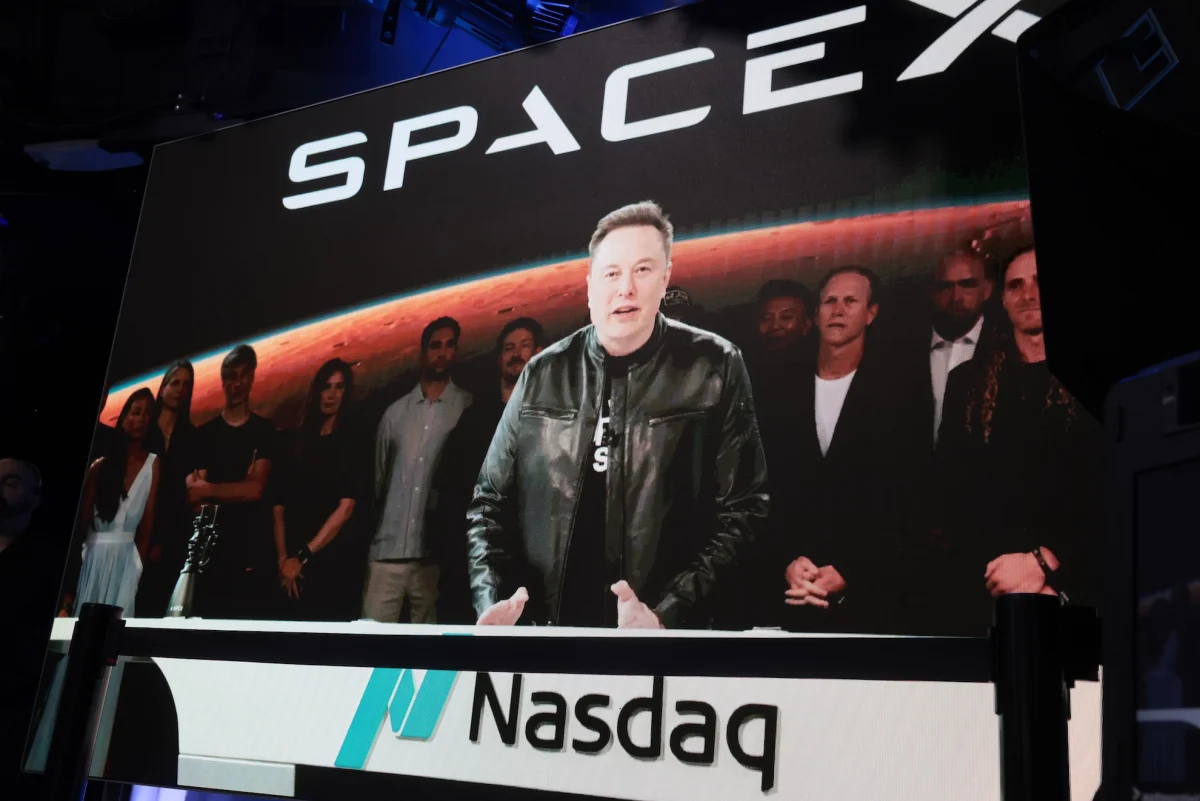
Recent reports have surfaced indicating that SpaceX, Elon Musk’s ambitious aerospace manufacturer and space transportation services company, has presented investors with a prototype of an artificial intelligence-powered "handset-like" device. This development, initially brought to light by The Wall Street Journal, suggests a potential expansion of Musk’s ventures beyond rocketry, satellite internet, and electric vehicles, into the rapidly evolving landscape of personal AI hardware. While the existence of such a device could mark a significant strategic pivot, Musk himself has vehemently denied the claims, labeling the reporting as "utterly false." This immediate contradiction sets a complex stage for understanding the motivations, feasibility, and potential impact of SpaceX venturing into consumer electronics.
Whispers of a New Terrestrial Device
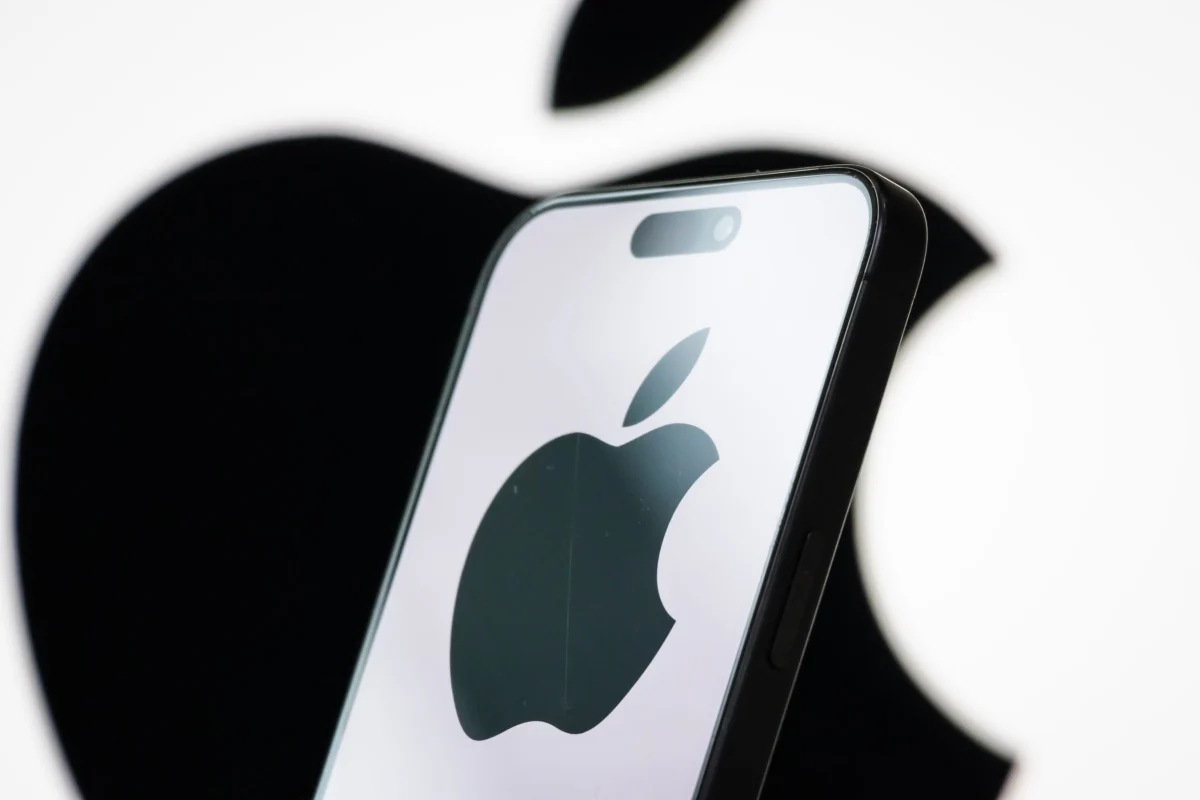
The prototype, as described in the initial reports, is said to be notably svelter and more streamlined than Apple’s ubiquitous iPhone. This physical description immediately invites comparisons, positioning the alleged device somewhere between a compact touchscreen smartphone and novel AI-first gadgets like the Rabbit R1. Sources close to the matter suggest that this "handset-like" unit was showcased to key investors and stakeholders during a private presentation, prior to any public disclosure. It was reportedly emphasized that the device remains in its nascent developmental stages, implying that its final form, functionalities, and underlying design are subject to considerable alteration. The very notion of SpaceX, a company primarily known for its rockets and Starlink satellite constellation, developing a personal AI device signals a potentially disruptive intent, even if currently disavowed by its founder.
Musk’s Expanding Ecosystem and Hardware Ambitions
Despite Musk’s denial, the idea of SpaceX, or any of his associated companies, entering the AI hardware space is not entirely without precedent or strategic logic. The broader corporate ecosystem under Musk’s purview — encompassing Tesla’s advanced manufacturing capabilities, xAI’s artificial intelligence research, and Neuralink’s brain-computer interface ambitions — provides a unique foundation for such an undertaking. Tesla, in particular, possesses extensive expertise in high-volume, precision manufacturing and supply chain management, skills directly transferable to producing sophisticated consumer electronics at scale. Moreover, access to crucial components, particularly the high-performance computing chips essential for on-device AI processing, would likely be streamlined through existing relationships within Musk’s network. This inherent advantage in production and component sourcing sets any potential Musk-backed hardware project apart from many startups.
Historically, Elon Musk has demonstrated a consistent drive to integrate and control various layers of technology, from fundamental components to user-facing applications. His ventures often seek to create closed-loop ecosystems that offer end-to-end solutions, bypassing reliance on external platforms or services where possible. This philosophy is evident in Tesla’s vertical integration of software, hardware, and charging infrastructure, and Starlink’s direct-to-consumer satellite internet model. A proprietary AI device, especially one leveraging xAI’s intelligence, would align perfectly with this strategic playbook, aiming to capture the entire user experience within a controlled environment.
The Shifting Landscape of Personal AI
The reported development at SpaceX unfolds against a backdrop of intensifying competition in the AI hardware sector. The conventional smartphone, for decades the undisputed king of personal computing, is increasingly seen by some as ripe for disruption. Critics argue that the current smartphone paradigm, with its app-centric interface and constant notifications, can be distracting and less intuitive for pure AI interaction. This sentiment has fueled a new wave of innovation focused on "AI companions" – devices designed from the ground up to offer more natural, proactive, and less screen-dependent interactions with artificial intelligence.
Prominent examples in this emerging category include the Humane AI Pin and the Rabbit R1. The Humane AI Pin, a screenless, wearable device, aims to project information onto a user’s hand and respond to voice commands, emphasizing a minimalist, ambient interaction. The Rabbit R1, on the other hand, is a small, retro-styled device that focuses on a "Large Action Model" (LAM) to control apps and services on the user’s behalf through natural language. Both devices, while conceptually intriguing, have faced significant challenges in market adoption, garnering mixed reviews regarding their functionality, reliability, and perceived value proposition compared to existing smartphones. Their struggles highlight the immense difficulty in establishing a new hardware category and convincing consumers to invest in devices that fundamentally alter their digital habits.
The competitive landscape also includes tech giants and other influential players. OpenAI, the leading AI research organization, has publicly acknowledged its own ambitions in the hardware space. Reports suggest OpenAI is collaborating with Jony Ive, Apple’s former chief design officer, on an AI device that CEO Sam Altman envisions as "more peaceful and calm than an iPhone." While details remain scarce, and the project has reportedly encountered design and execution hurdles, OpenAI’s recent recruitment of Paul Meade, a former Apple Vice President responsible for the Vision Pro headset, into its hardware team underscores the seriousness of their intent. This suggests a race to define the next generation of personal AI interaction, where the user experience, design philosophy, and underlying AI capabilities will be paramount.
Starlink’s Terrestrial Leap and Wireless Ambitions
A potential AI device from SpaceX gains additional strategic weight when considered alongside the company’s growing presence in the wireless communication sector through Starlink. Starlink, initially conceived to provide global satellite internet, has increasingly signaled intentions to expand its reach into mobile connectivity. The introduction of "Starlink Mobile" capabilities, offering direct-to-cell service, positions it as a nascent competitor to established terrestrial carriers like Verizon and AT&T. This move represents a significant expansion of SpaceX’s infrastructure and a direct challenge to traditional telecommunication models.
The integration of a proprietary AI device with Starlink’s burgeoning mobile network could create a powerful, self-contained ecosystem. Such a device might leverage Starlink’s ubiquitous connectivity, potentially offering superior service in remote areas or as a primary communication channel independent of traditional cellular networks. This synergistic relationship could differentiate SpaceX’s offering in a crowded market and provide a compelling use case for Starlink’s expanding services. Some industry analysts have even speculated on more aggressive moves, such as SpaceX potentially acquiring a major wireless carrier like T-Mobile or AT&T, though such a colossal acquisition would undoubtedly present immense financial and regulatory hurdles. Regardless, the intent to expand into wireless is clear, and an AI-powered personal device could serve as a critical front-end for these services.
Proprietary Visions and Ecosystem Control
The reported intent for SpaceX’s prototype to operate on a proprietary operating system and integrate technology from xAI, Musk’s dedicated artificial intelligence company, speaks volumes about the strategic direction. This approach aims to circumvent the reliance on third-party platforms, such as Google’s Android or Apple’s iOS, thereby granting SpaceX full control over the user experience, data privacy, and software updates. It also allows for the development of native AI interfaces that are deeply embedded into the device’s core functionalities, potentially offering a more seamless and intuitive interaction than what is currently achievable through AI assistants running as apps on existing smartphone operating systems.
The drive to create something "new" with native AI interfaces is a recurring theme among these next-generation AI hardware ventures. The goal is to move beyond simply running AI models on existing devices to fundamentally rethinking how humans interact with technology, making AI a more central and proactive agent in daily life. However, this ambition comes with significant challenges. Developing a new operating system and building a robust application ecosystem from scratch requires colossal investment and talent, and consumer inertia in adopting new platforms is notoriously strong. The "walled garden" approach, while offering control, can also limit developer participation and user choice, posing a critical barrier to widespread adoption.
The Road Ahead for AI Hardware
While Elon Musk’s denial casts a shadow of doubt over the immediate veracity of the reports, the underlying trends and strategic possibilities remain compelling. The narrative suggests a fierce rivalry, particularly with OpenAI, to define the future of personal AI. Musk’s history of entering established industries and disrupting them with novel approaches and integrated solutions makes any rumor of his involvement in a new sector noteworthy.
However, the graveyard of unsuccessful AI devices from companies like Humane and Rabbit serves as a stark reminder that innovation does not automatically equate to consumer demand. The ultimate success of any new AI hardware will hinge on its ability to offer truly differentiated value, solve real-world problems more effectively than existing solutions, and seamlessly integrate into users’ lives without adding unnecessary complexity or friction. The challenge is not merely to build an AI device, but to build an AI device that consumers genuinely want and need, something that fundamentally enhances their daily experience in ways current smartphones cannot. Whether SpaceX ultimately decides to mass-produce and market such a device, or if this remains an exploratory "spaghetti at the wall" exercise, the reported prototype underscores the ongoing technological arms race to define the next era of personal computing. The future of AI hardware is still being written, and it promises to be a landscape of both audacious innovation and formidable market hurdles.