Amir Mahmud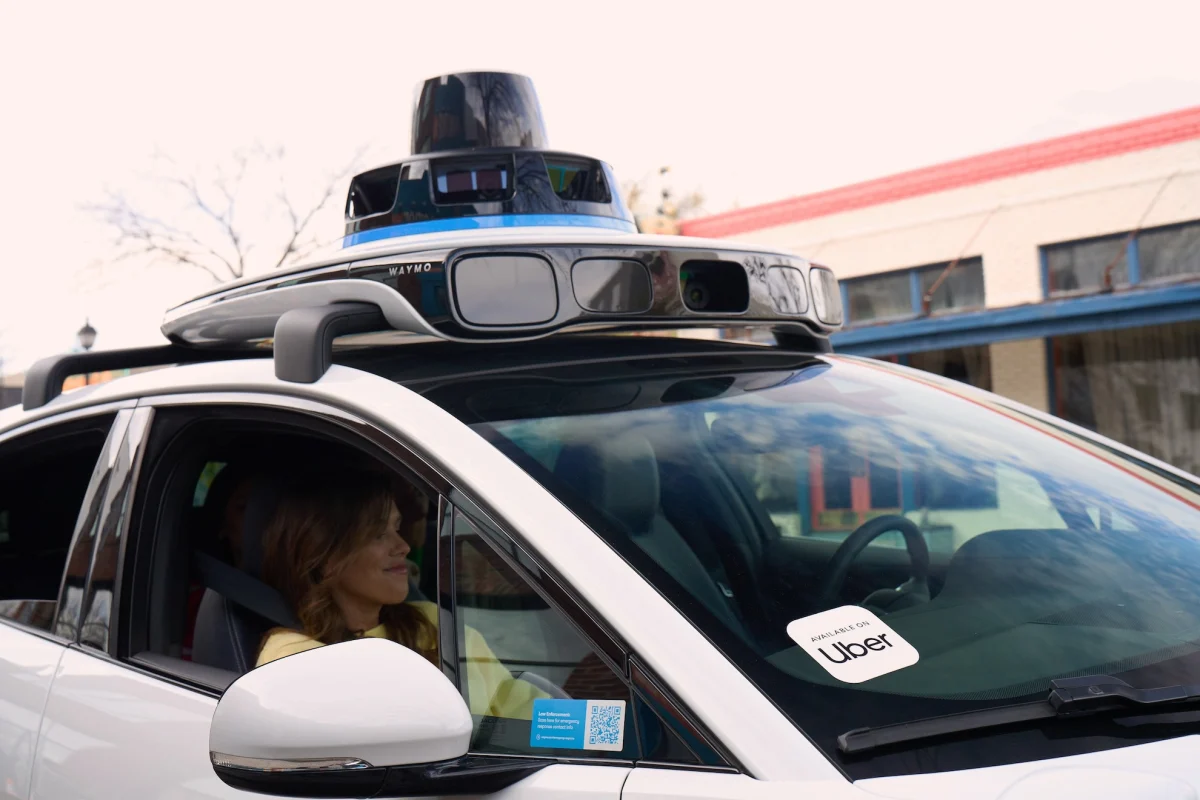
The quiet conclusion of a nearly three-year collaboration between autonomous vehicle pioneer Waymo and ride-hailing giant Uber in Phoenix, Arizona, signals a significant inflection point in the rapidly evolving landscape of self-driving mobility. The partnership, which saw Waymo’s robotaxis integrated into Uber’s app in the Valley of the Sun, quietly ceased operations in May, as confirmed by both companies. While Waymo has now reabsorbed these vehicles into its primary Phoenix fleet, accessible directly through its own platform, Uber has indicated its intent to introduce a new autonomous vehicle partner in the city, underscoring a strategic realignment for both entities within the burgeoning robotaxi market.
A Look Back: The Genesis of Autonomous Mobility and a Contentious History
The journey toward widespread autonomous vehicles (AVs) is a tale rooted in decades of innovation, with Waymo, an Alphabet subsidiary, standing at its forefront. Originating as the Google Self-Driving Car Project in 2009, Waymo has consistently pursued a vision of fully autonomous driving, meticulously developing its hardware and software stack over more than a decade. Its early tests on public roads, particularly in the favorable regulatory and weather conditions of Arizona, positioned Phoenix as a crucial proving ground for the technology’s viability.
Uber, meanwhile, initially harbored ambitious plans to develop its own proprietary self-driving technology. In 2015, the company established its Advanced Technologies Group (ATG), aiming to integrate autonomous capabilities directly into its vast ride-hailing network. This pursuit, however, led to a highly publicized and acrimonious legal battle with Waymo in 2017. Waymo accused Uber of intellectual property theft, specifically alleging that a former Waymo engineer, Anthony Levandowski, took confidential design files before joining Uber’s self-driving truck venture, Otto. The lawsuit culminated in a settlement in 2018, with Uber agreeing to a significant equity stake payment to Waymo and a commitment to avoid using Waymo’s trade secrets. This contentious history made their eventual partnership in Phoenix in 2023 all the more surprising and noteworthy, symbolizing a pragmatic truce in the shared pursuit of autonomous transportation.
The Phoenix Pilot Program: A Strategic Alliance Tested
When Waymo’s robotaxis first appeared on Uber’s platform in Phoenix, it marked a significant moment for both companies. For Waymo, the partnership offered an immediate expansion of its reach, leveraging Uber’s immense user base to increase ridership and gather invaluable real-world data without the need for extensive marketing or direct customer acquisition efforts. It provided a scalable channel to expose more consumers to fully autonomous ride experiences, demystifying the technology and fostering public acceptance.
For Uber, the collaboration represented a strategic pivot. Following the costly and challenging in-house development of its AV technology, exacerbated by the Waymo lawsuit and subsequent divestment of its ATG unit to Aurora in 2020, Uber embraced a platform-centric approach. Rather than building its own AVs, Uber sought to integrate third-party autonomous fleets into its network, allowing it to offer cutting-edge services without the exorbitant capital expenditure and operational complexities of developing the technology from scratch. The Phoenix pilot, initially described by Uber as an "intentionally limited deployment" involving just over a dozen vehicles, served as a proof of concept for this diversified strategy, demonstrating the feasibility of seamlessly integrating external AV providers into its existing app interface.
Both companies have characterized the Phoenix pilot as a success. Waymo stated it was a "productive pilot that paved the way for future expansions and partnerships across the globe," affirming that the experience helped them refine their service delivery. Uber echoed this sentiment, highlighting that the lessons learned in Phoenix were instrumental in accelerating the scaling of their Waymo partnerships in other key markets like Austin, Texas, and Atlanta, Georgia, where hundreds of Waymo AVs are now exclusively available through the Uber app.
Evolving Market Dynamics and Strategic Divergence
The landscape of autonomous mobility has transformed dramatically since the Phoenix partnership began in 2023. The industry, once characterized by ambitious promises and a fragmented competitive field, is now entering a more mature phase marked by consolidation, strategic recalibrations, and a clearer pathway toward commercialization.
Waymo, in particular, has demonstrated remarkable progress in scaling its operations. Its fleet has grown substantially, now encompassing approximately 4,000 vehicles. The company is aggressively expanding its operational footprint, currently serving 11 major U.S. metro areas and planning launches in around 20 new cities this year. With over 500,000 trips completed weekly, Waymo is solidifying its position as a leader in fully autonomous ride-hailing. The recent deployment of its newest robotaxis, the Zeekr-made "Ojai" vans, further underscores this strategic shift. These purpose-built vehicles, designed for maximum efficiency and profitability, are intended to bolster Waymo’s direct-to-consumer service and support its expanding suite of offerings, including public transit integrations with Via and delivery services with DoorDash. The re-integration of the Phoenix vehicles back into Waymo’s primary fleet aligns perfectly with this strategy, suggesting a greater confidence in its own direct operational capabilities and potentially higher profit margins by cutting out the middleman.
Uber, on the other hand, has successfully diversified its autonomous vehicle strategy. While the Waymo partnership continues in Austin and Atlanta, Uber has actively pursued agreements with "dozens of autonomous vehicle partners" globally. This multi-partner approach mitigates risk and ensures that Uber can offer AV services across a broader geographical and technological spectrum. By not being exclusively tied to one AV provider, Uber maintains flexibility and leverages competition among developers to secure the best possible terms and technological integrations for its platform. This strategy also positions Uber as the ubiquitous interface for autonomous mobility, regardless of the underlying technology provider. The company’s readiness to announce a new AV partner in Phoenix speaks to this continuous diversification.
Furthermore, the competitive dynamics of the robotaxi market have shifted considerably. In 2023, General Motors’ Cruise was widely considered a formidable competitor to Waymo. However, Cruise’s operations faced significant setbacks following a highly publicized incident in San Francisco in late 2023, leading to the suspension of its driverless permits and a comprehensive safety review. This event drastically altered the competitive landscape, leaving Waymo in a more dominant position in the fully autonomous space. The potential for Waymo and Uber to become direct competitors in new markets, such as London, where both are reportedly eyeing expansion, further highlights the evolving nature of their relationship from partnership to potential rivalry in certain contexts.
Broader Implications: Market, Social, and Cultural Impact
The conclusion of the Waymo-Uber Phoenix pilot, while a localized event, holds broader implications for the autonomous vehicle industry and the future of urban mobility. It reflects a natural progression where initial, cautious collaborations give way to more refined, independent strategies as technology matures and market opportunities become clearer.
Market Impact: This shift suggests that leading AV developers like Waymo are increasingly confident in their ability to scale independently and capture a larger share of the direct consumer market. For Uber, it reinforces its role as an agnostic platform, leveraging the best available AV technology from various providers to maintain its market dominance in ride-hailing. The dynamic interplay between AV developers and ride-hailing platforms will continue to shape business models, potentially leading to more direct competition or more sophisticated multi-partner ecosystems.
Social Impact: As robotaxi services expand, their social impact will become more pronounced. In cities like Phoenix, early adopters have grown accustomed to the convenience and novelty of driverless rides. The seamless integration and subsequent removal of Waymo vehicles from Uber’s app might cause temporary confusion for some users but ultimately demonstrates the adaptability of these systems. Continued expansion of AVs promises enhanced accessibility for certain populations, reduced traffic congestion (if optimized efficiently), and potentially safer roads by eliminating human error. However, it also raises questions about the future of human-driven ride-hailing jobs and the need for robust regulatory frameworks to ensure equitable access and public safety.
Cultural Impact: The "quiet end" of this partnership, observed by users noticing the absence of Waymo vehicles, signifies a growing public awareness and expectation around autonomous services. What was once a futuristic concept is steadily becoming an integrated part of urban life. The success and eventual strategic re-evaluation of partnerships like the one in Phoenix contribute to the ongoing cultural conversation about trust in AI, the role of automation in daily life, and the pace at which society adapts to transformative technologies.
Conclusion: A New Chapter for Autonomous Ride-Hailing
The termination of the Waymo-Uber collaboration in Phoenix, though executed without fanfare, represents more than just the end of a pilot program. It symbolizes a significant recalibration of strategies for two of the most influential players in the mobility sector. As Waymo doubles down on its direct-to-consumer expansion with a growing fleet and purpose-built vehicles, and Uber solidifies its position as a diversified platform for multiple autonomous providers, the future of autonomous ride-hailing appears poised for accelerated growth and heightened competition. The lessons learned in Phoenix will undoubtedly inform their respective paths forward, marking a new chapter in the race to define and dominate the autonomous mobility ecosystem.