Amir Mahmud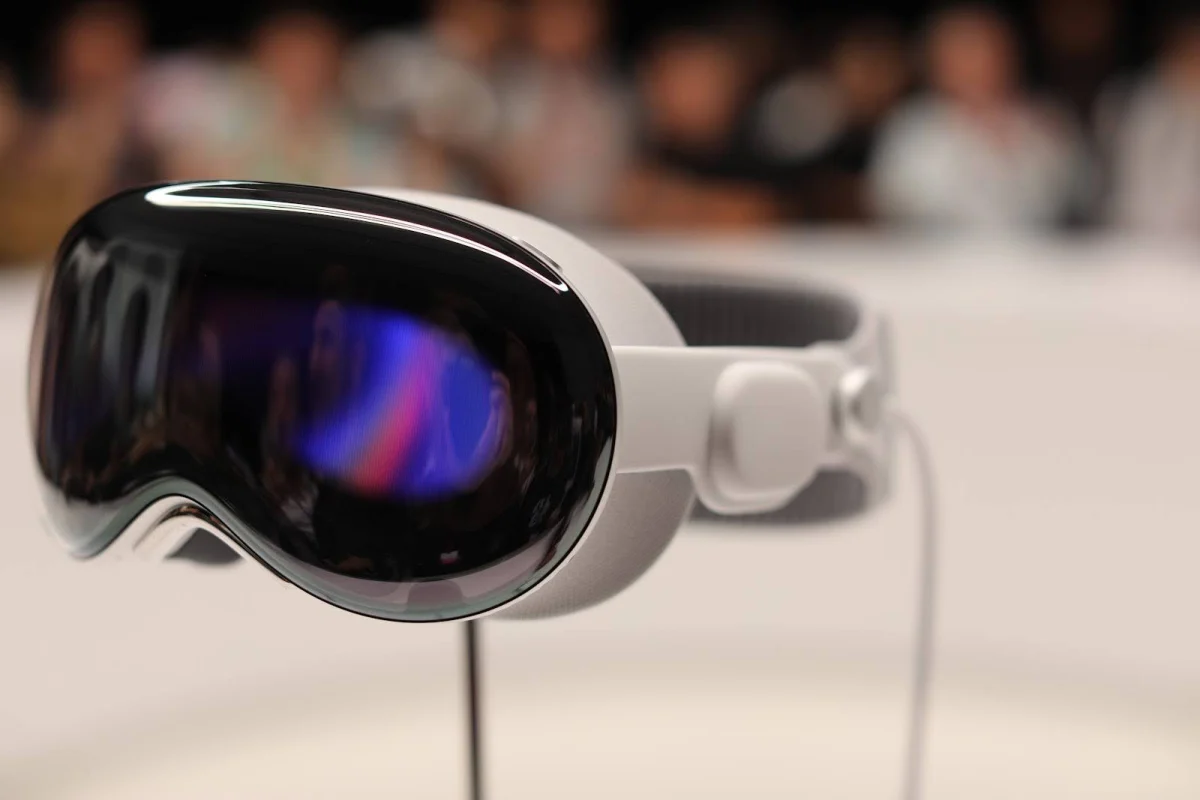
A significant leadership transition is reportedly underway in the technology sector, signaling a potential realignment of priorities within major innovation hubs. Paul Meade, a key vice president at Apple who played a pivotal role in the development of the Vision Pro headset, is reportedly departing the Cupertino-based tech giant to join OpenAI’s burgeoning hardware team. This move, first reported by Bloomberg’s Mark Gurman on June 27, 2026, underscores a broader industry trend where top talent is increasingly gravitating towards artificial intelligence initiatives, even as established players like Apple navigate the complex landscape of new computing paradigms.
Meade’s tenure at Apple saw him at the forefront of the company’s ambitious foray into spatial computing, particularly with the Vision Pro. His reported involvement extended beyond the initial headset to include leading the development of future AI-powered smart glasses, a product line Apple is reportedly keen to push into the market in the coming year. His departure at this juncture raises questions about the future trajectory of Apple’s augmented reality (AR) and virtual reality (VR) efforts, and simultaneously highlights OpenAI’s aggressive push into hardware, an area traditionally dominated by tech giants.
The Vision Pro’s Journey and Apple’s Shifting Sands
Apple formally unveiled the Vision Pro headset in June 2023, positioning it as a revolutionary "spatial computer" designed to seamlessly blend digital content with the physical world. The device, which launched commercially in early 2024 with a premium price tag of $3,499, represented Apple’s most significant new product category in nearly a decade, following the Apple Watch. It was envisioned not merely as an AR/VR headset but as a foundational platform, much like the iPhone before it.
Initial reactions to the Vision Pro were a mix of awe and skepticism. While praised for its unprecedented display quality, advanced eye-tracking, and intuitive hand-gesture controls, the device faced criticism regarding its weight, external battery pack, limited app ecosystem at launch, and perceived lack of compelling "killer apps" justifying its high cost. Early sales figures, though never officially disclosed by Apple, suggested a slower consumer uptake than some analysts had projected for such a high-profile Apple product. This lukewarm reception reportedly prompted Apple to re-evaluate its strategy, with reports suggesting a de-prioritization of a Vision Pro hardware overhaul in favor of accelerating the development of more affordable smart glasses.
Meade’s leadership in both the Vision Pro and the prospective smart glasses projects positioned him as a central figure in Apple’s future hardware strategy for augmented and mixed reality. His departure, therefore, could be interpreted in multiple ways. It could reflect an individual’s desire for a new challenge in a rapidly evolving field, or it could be a symptom of internal shifts within Apple itself. Gurman’s report connects Meade’s exit to an impending leadership change at Apple, specifically the anticipated elevation of John Ternus to CEO. This transition, according to the report, has led to a reorganization within the hardware engineering team, leaving some long-standing vice presidents feeling marginalized or "demoted." Such internal restructuring, while common during leadership changes, can often precipitate high-profile departures as executives seek new opportunities aligned with their ambitions or expertise.
For Apple, retaining top talent in its emerging technology divisions is crucial. The company has historically been a magnet for engineers and designers, and any perceived instability or shift in internal dynamics could pose challenges to its ambitious long-term projects, particularly in competitive areas like spatial computing. The company faces stiff competition from Meta, which has been aggressively pursuing its metaverse vision with its more accessible Quest line of VR headsets, even if their market positioning and target audiences differ from Apple’s "spatial computer."
OpenAI’s Foray into Hardware and the Jony Ive Connection
Meade’s reported move to OpenAI’s hardware division is equally significant, highlighting the generative AI powerhouse’s determination to extend its influence beyond software and into the physical world. OpenAI, propelled into the global spotlight by the immense popularity of its ChatGPT chatbot in late 2022, has been on an aggressive expansion path, not just in AI research but also in its application across various domains.
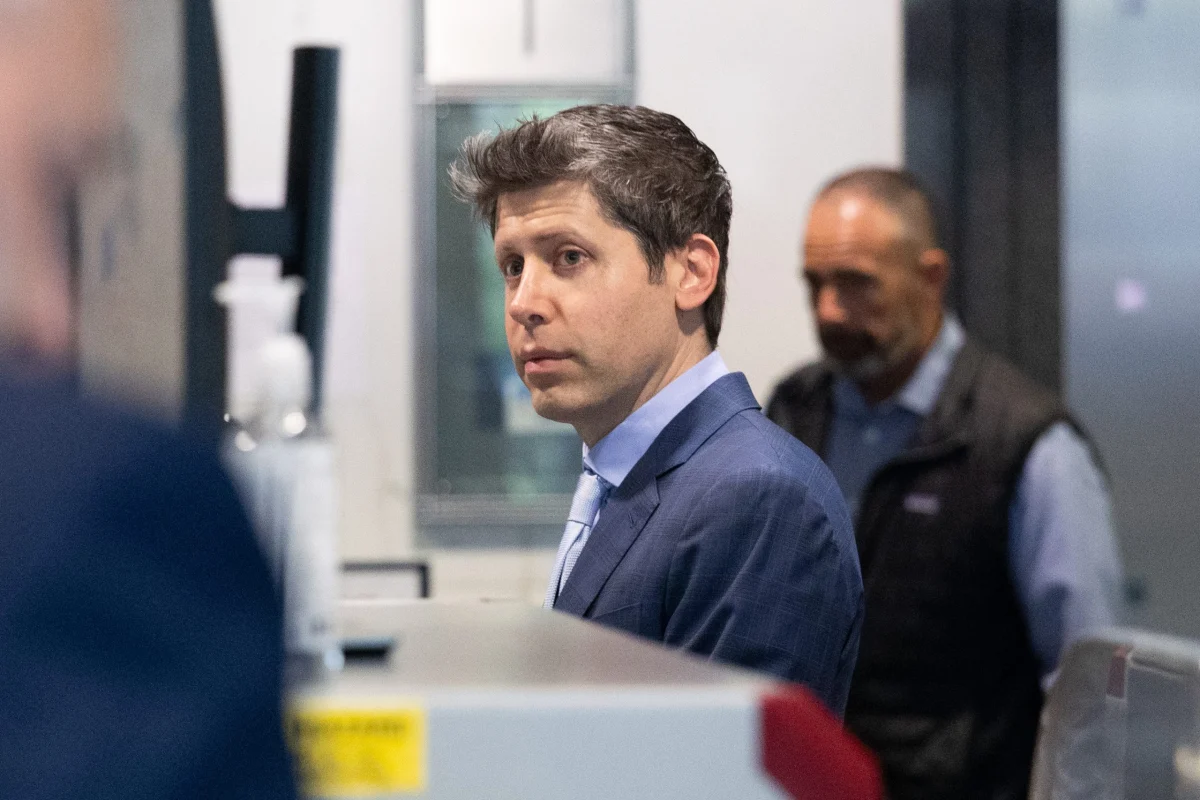
The company’s interest in hardware is not entirely new. OpenAI CEO Sam Altman has been vocal about his vision for AI-powered devices that offer a more "peaceful and calm" user experience than current smartphones, aiming to integrate AI seamlessly into daily life without the constant demand for attention that modern mobile devices often create. This vision took a concrete step forward with the announcement of a collaboration between OpenAI and LoveFrom, the design firm founded by Apple’s former chief design officer, Jony Ive. Ive, a legendary figure responsible for the iconic designs of the iPhone, iMac, and other Apple products, brings unparalleled expertise in user-centric hardware design to the partnership. Backed by SoftBank, this collaboration aims to develop a groundbreaking AI device that could redefine human-computer interaction.
However, the path to innovation is rarely smooth. Reports in late 2025 suggested that the OpenAI-Jony Ive collaboration was encountering challenges in finalizing the details and direction of their ambitious AI device. Developing entirely new hardware paradigms, especially ones that promise to revolutionize interaction, is fraught with technical, design, and manufacturing complexities. The reported recruitment of an executive with Meade’s extensive background in complex, miniaturized, high-performance hardware—particularly from a company renowned for its industrial design and engineering prowess like Apple—could be a strategic move by OpenAI to overcome these hurdles. Meade’s experience with the Vision Pro, which integrates sophisticated displays, sensors, and processors into a compact form factor, would be invaluable to a team attempting to build a next-generation AI device from the ground up.
The Broader Industry Shift Towards AI
This high-profile talent migration is symptomatic of a larger trend dominating the technology industry: the undeniable ascendancy of artificial intelligence. The past few years have witnessed a rapid acceleration in AI capabilities, particularly in generative models that can create text, images, and other media with unprecedented sophistication. This technological leap has sparked a new arms race among tech giants and startups alike, all vying to integrate AI into their products and services, or to create entirely new ones centered around AI.
The "AI-first" mantra has permeated nearly every sector of the tech world. Companies are redirecting significant investments, re-skilling workforces, and acquiring specialized firms to bolster their AI competencies. The talent market for AI researchers, engineers, and product leaders has become fiercely competitive, with attractive compensation packages and the allure of working on transformative projects driving significant movement of personnel.
Historically, the tech industry has seen waves of innovation define eras: personal computing in the 1980s and 90s, the internet boom of the late 90s and early 2000s, mobile computing in the 2010s, and now, artificial intelligence. Each wave has triggered shifts in talent, capital, and strategic focus. Meade’s move is a vivid illustration of this latest pivot, where the promise of AI to fundamentally reshape how humans interact with technology is drawing expertise from even the most established and successful product lines.
Talent Migration and Strategic Realignment
Executive departures are common in the dynamic tech industry, but their context often provides valuable insights into strategic shifts. When a senior leader from a flagship product line of a company like Apple moves to an emerging player like OpenAI, it highlights several key dynamics.
Firstly, it underscores the perceived momentum and future potential of generative AI. For an executive who has spent years perfecting a complex spatial computing device, moving to a company focused on AI hardware suggests a belief that the next frontier of innovation lies squarely within artificial intelligence. This perception can influence investment decisions, developer interest, and ultimately, consumer adoption.
Secondly, it speaks to the evolving competitive landscape. Apple, long seen as an innovator in hardware and software integration, is now operating in an environment where AI startups like OpenAI are challenging established norms and attracting significant attention and capital. The battle for top talent is a critical front in this broader competition, as human capital remains the ultimate engine of innovation.
Thirdly, it prompts analytical commentary on internal corporate health and strategic clarity. While Apple’s long-term vision for spatial computing remains intact, any perceived hesitancy or internal turbulence could create opportunities for competitors. Conversely, OpenAI’s aggressive hiring, especially in areas where it lacks a long track record, demonstrates its commitment to becoming a vertically integrated AI company, not just a software provider.
The Future of Wearable Computing
The convergence of spatial computing (AR/VR) and artificial intelligence is poised to redefine wearable technology. Devices like Apple’s Vision Pro and OpenAI’s prospective AI device both aim to make technology more ambient, intuitive, and seamlessly integrated into daily life. Meade’s background bridges these two worlds, bringing deep expertise in the engineering challenges of highly sophisticated wearables to a company striving to infuse those wearables with groundbreaking AI capabilities.
The promise of AI-powered smart glasses, which Apple is reportedly prioritizing, is to offer a more discreet and practical form factor than a full-fledged headset, potentially reaching a wider consumer base. These devices could leverage AI for contextual awareness, real-time information delivery, language translation, and personalized assistance, all delivered in a less intrusive manner than current smartphones. OpenAI’s "peaceful and calm" device concept aligns with this vision, suggesting a future where AI assists us intelligently without demanding constant interaction.
However, the technical and societal challenges remain immense. Miniaturizing powerful AI into comfortable, long-lasting wearables, ensuring user privacy, and developing compelling use cases that truly enhance daily life without creating new forms of distraction are formidable tasks. The competition to solve these challenges will likely drive further talent migration and strategic partnerships across the tech industry.
Looking Ahead
Paul Meade’s reported move from Apple to OpenAI is more than just a personnel change; it is a microcosm of the larger shifts occurring within the technology industry. It highlights the strategic importance of artificial intelligence, the evolving dynamics within tech giants, and the intense competition for the minds capable of building the next generation of computing platforms. As Apple continues to refine its spatial computing strategy and OpenAI ventures deeper into hardware, the coming years promise to be a period of intense innovation and strategic maneuvering, with high-profile talent movements serving as critical indicators of where the industry’s future is heading. Both companies are betting on fundamentally new ways for humans to interact with technology, and the outcome will undoubtedly shape our digital lives for decades to come.