Amir Mahmud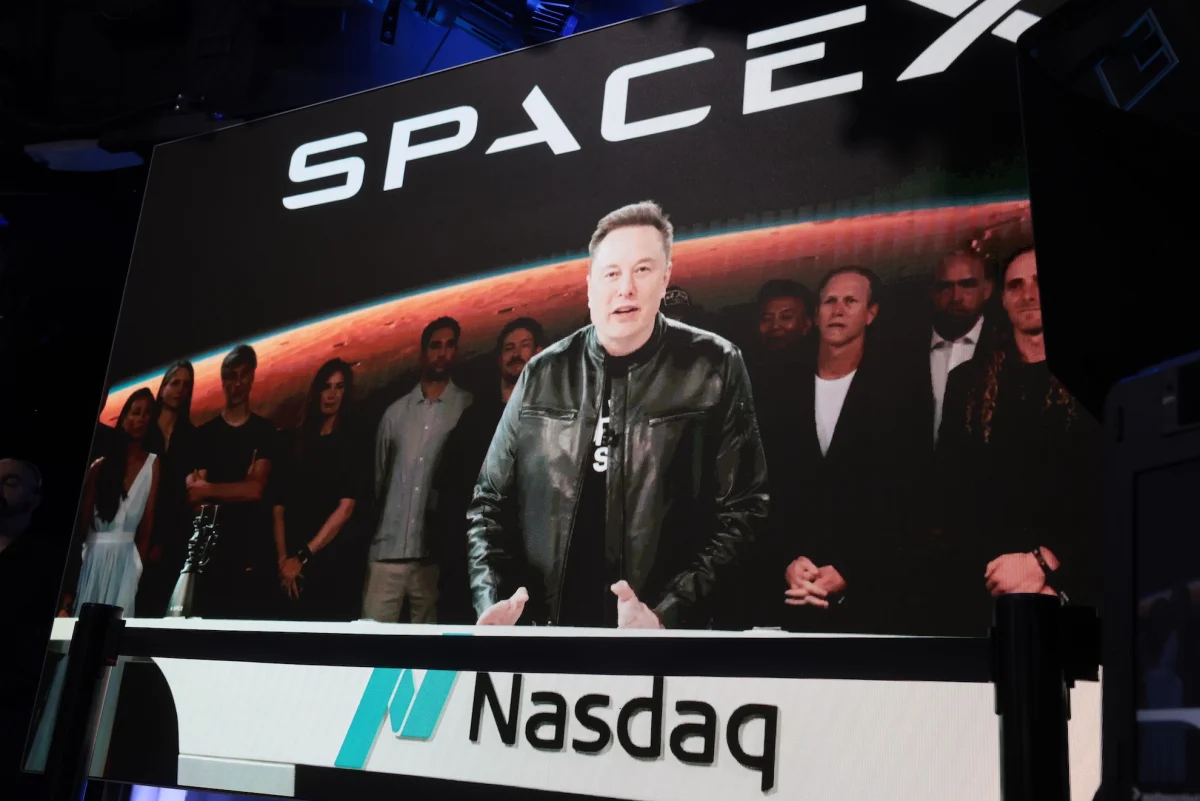
The Federal Trade Commission (FTC) has granted expedited antitrust approval for a significant acquisition involving Elon Musk, clearing the way for his aerospace company, SpaceX, to acquire Mesh Optical Technologies. This development, confirmed through an FTC filing made public on June 26, 2026, signals SpaceX’s deepening foray into the burgeoning field of high-speed data infrastructure, particularly within the context of rapidly expanding artificial intelligence capabilities. Mesh Optical Technologies, a nascent but impactful startup, specializes in advanced hardware designed to facilitate ultra-fast data center communications, leveraging light-based systems for enhanced efficiency and speed.
Regulatory Green Light Paves Way for Acquisition
The swift approval from the FTC underscores a specific set of circumstances where a merger or acquisition is deemed unlikely to raise significant competitive concerns. Typically, the FTC, alongside the Department of Justice, reviews proposed mergers and acquisitions under the Hart-Scott-Rodino (HSR) Antitrust Improvements Act of 1976. This act requires parties to transactions exceeding certain thresholds to notify the agencies and observe a waiting period before consummating the deal. An "expedited review," often termed "early termination," means the agencies have determined that the proposed transaction does not pose a threat to competition and have terminated the waiting period before its statutory expiration. This allows the companies involved to proceed with the merger much faster than the standard timeline. For a high-profile figure like Elon Musk and a company with the market presence of SpaceX, such an expedited clearance indicates a clear assessment by regulators that this particular acquisition is not anticompetitive in the relevant markets. The transparency of the regulatory process, where such filings become public record, offers crucial insight into strategic corporate maneuvers within the tech sector.
Mesh Optical: A Deep Dive into High-Speed Communications
Mesh Optical Technologies emerged from stealth mode in February of the current year, immediately making headlines with a successful $50 million Series A funding round. This substantial investment was led by Thrive Capital, signaling strong investor confidence in the startup’s potential. At its core, Mesh is developing cutting-edge optical transceivers, which are devices that convert electrical signals into optical signals for transmission over fiber optic cables, and vice versa. This technology is critical for modern data centers, where the sheer volume of data being processed and moved demands increasingly faster and more efficient communication pathways.
The imperative for optical solutions stems from the inherent limitations of traditional electrical-based systems. As data rates climb, electrical signals encounter greater resistance, leading to signal degradation, increased power consumption, and heat generation. Optical systems, which transmit data using pulses of light, circumvent these issues. They offer significantly higher bandwidth, lower latency, reduced power consumption, and a smaller physical footprint. For data centers grappling with the exponential growth of data traffic, particularly driven by AI workloads and cloud computing, transitioning to light-based hardware is not merely an upgrade but a necessity for future scalability and sustainability. Mesh’s focus on this niche positions it at the forefront of an industry-wide transformation in data infrastructure.
The Strategic Nexus: SpaceX’s Expanding Data Center Ambitions
The acquisition of Mesh Optical Technologies represents a crucial strategic move for SpaceX, a company primarily known for its advancements in rocketry, space exploration, and satellite internet services. While SpaceX’s core mission revolves around making humanity multi-planetary, its commercial endeavors have increasingly diversified. A significant recent development for the company, which saw its initial public offering (IPO) on June 12, 2026, is its expansion into providing compute capacity from its data centers.
This new revenue stream is underpinned by strategic agreements with major players in the AI and tech industries, including Anthropic, Google, and the open-source AI developer Reflection AI. These partnerships highlight the massive demand for high-performance computing resources, a demand that has surged with the rapid evolution of generative AI and large language models. By offering compute capacity, SpaceX is not just leveraging its existing infrastructure but is also tapping into a lucrative market segment that complements its satellite internet service, Starlink, which also requires extensive ground station infrastructure and data processing capabilities.
The integration of Mesh’s optical communication technology into SpaceX’s data centers could yield substantial benefits. Improved efficiency means faster processing times, lower operational costs due to reduced energy consumption, and enhanced reliability. These factors are critical for maintaining a competitive edge in the highly demanding AI compute market. Furthermore, given Elon Musk’s long-term vision, this acquisition could also lay foundational groundwork for future data processing capabilities in space, enabling more robust in-orbit computing and inter-satellite communication for constellations like Starlink, or even future lunar and Martian outposts.
From Starlink to Terrestrial Networks: The Founders’ Journey
A compelling aspect of the Mesh Optical Technologies story is its direct lineage from SpaceX itself. The startup was co-founded by Travis Brashears, Cameron Ramos, and Serena Grown-Haeberli, all of whom are former SpaceX engineers. Their expertise is not theoretical; prior to establishing Mesh, this trio was instrumental in developing the sophisticated optical communication links that interconnect thousands of Starlink satellites in low Earth orbit. These inter-satellite links are a cornerstone of Starlink’s global broadband constellation, enabling seamless data transmission between satellites without needing to route traffic through ground stations, thereby reducing latency and expanding coverage.
Their experience in designing and deploying such advanced optical systems in the harsh environment of space provided them with unique insights and a profound understanding of the challenges and opportunities in high-speed, low-latency data transfer. Recognizing the parallel needs on Earth, particularly within terrestrial data centers, they saw an opportunity to adapt and refine their expertise. The principles of efficient, high-bandwidth optical communication that are vital for Starlink’s performance are equally, if not more, relevant for the dense, high-throughput environments of modern data centers. This direct transfer of specialized knowledge from a space-based application to a terrestrial one underscores a growing trend of cross-pollination of technologies between different sectors, often driven by the same talent pool.
Navigating the Regulatory Landscape
The FTC’s role in this acquisition extends beyond mere approval; it reflects the ongoing scrutiny of mergers and acquisitions in the technology sector, particularly those involving dominant players or rapidly growing markets. While this specific transaction received an expedited review, the broader regulatory environment remains vigilant. Antitrust regulators globally have intensified their examination of large tech companies, aiming to prevent anti-competitive practices that could stifle innovation, limit consumer choice, or create monopolies.
The decision to grant early termination in this case suggests that the FTC likely concluded that Mesh Optical’s technology, while innovative, operates in a segment that does not immediately present overlapping competitive concerns with SpaceX’s primary operations. Instead, it appears to be a vertical integration, where SpaceX is acquiring a component or capability that enhances its existing or emerging services rather than directly eliminating a competitor in its core markets. This type of acquisition is often viewed more favorably by regulators, especially when it promises to improve efficiency or foster innovation. The rapid pace of technological change, particularly in areas like AI and space infrastructure, continually challenges regulators to adapt their frameworks to ensure fair competition while not impeding beneficial technological progress.
Broader Implications for Tech and Space Industries
The acquisition of Mesh by SpaceX carries significant implications for several interconnected industries. For the data center market, it highlights the accelerating shift towards optical networking as the backbone of future high-performance computing. As AI models grow in complexity and data processing demands skyrocket, the current electrical infrastructure in many data centers will become a bottleneck. Companies like Mesh, and by extension SpaceX, are positioning themselves to capitalize on this fundamental upgrade cycle. This could spur further innovation in optical components, potentially driving down costs and increasing adoption across the industry.
From a social and cultural perspective, the increasing demand for AI compute capacity raises questions about energy consumption and environmental impact. Optical systems, being more energy-efficient, offer a partial solution to the growing carbon footprint of data centers. By investing in such technologies, companies like SpaceX can contribute to more sustainable computing practices, aligning with broader societal goals for environmental responsibility.
Moreover, this move reinforces Elon Musk’s characteristic strategy of vertical integration. Across his ventures, from Tesla’s battery and software development to SpaceX’s rocket and satellite manufacturing, the emphasis is often on controlling critical supply chains and core technologies internally. Acquiring Mesh allows SpaceX to gain direct control over a vital component for its data center operations, ensuring supply, tailoring technology to specific needs, and potentially reducing costs in the long run. This strategy is not without its risks, as it requires significant capital investment and management oversight, but it often yields greater control over product development and quality.
Future Outlook: Vertical Integration and Beyond
Looking ahead, the integration of Mesh’s capabilities could further solidify SpaceX’s position as a multifaceted technology giant. Beyond merely providing launch services and satellite internet, the company is evolving into a provider of critical digital infrastructure, both on Earth and potentially in space. The long-term vision for Starlink includes a complex network of ground stations, inter-satellite links, and potentially even data processing hubs in orbit, all of which would benefit immensely from advanced optical communication.
This acquisition also sets a precedent for how talent and technology developed within one of Musk’s ventures can spin out and then be re-absorbed for broader strategic advantage. It exemplifies the dynamic interplay between entrepreneurial spirit, technological innovation, and corporate strategy in the rapidly evolving tech landscape. As the world becomes increasingly reliant on data and advanced computing, the infrastructure that supports it will become ever more critical. SpaceX’s move to acquire Mesh Optical Technologies is a clear indication that the future of high-speed communication, whether for AI on Earth or for data networks in the cosmos, will increasingly be powered by light. The market will closely watch how this new synergy unfolds and what further innovations it unlocks in the years to come.