Amir Mahmud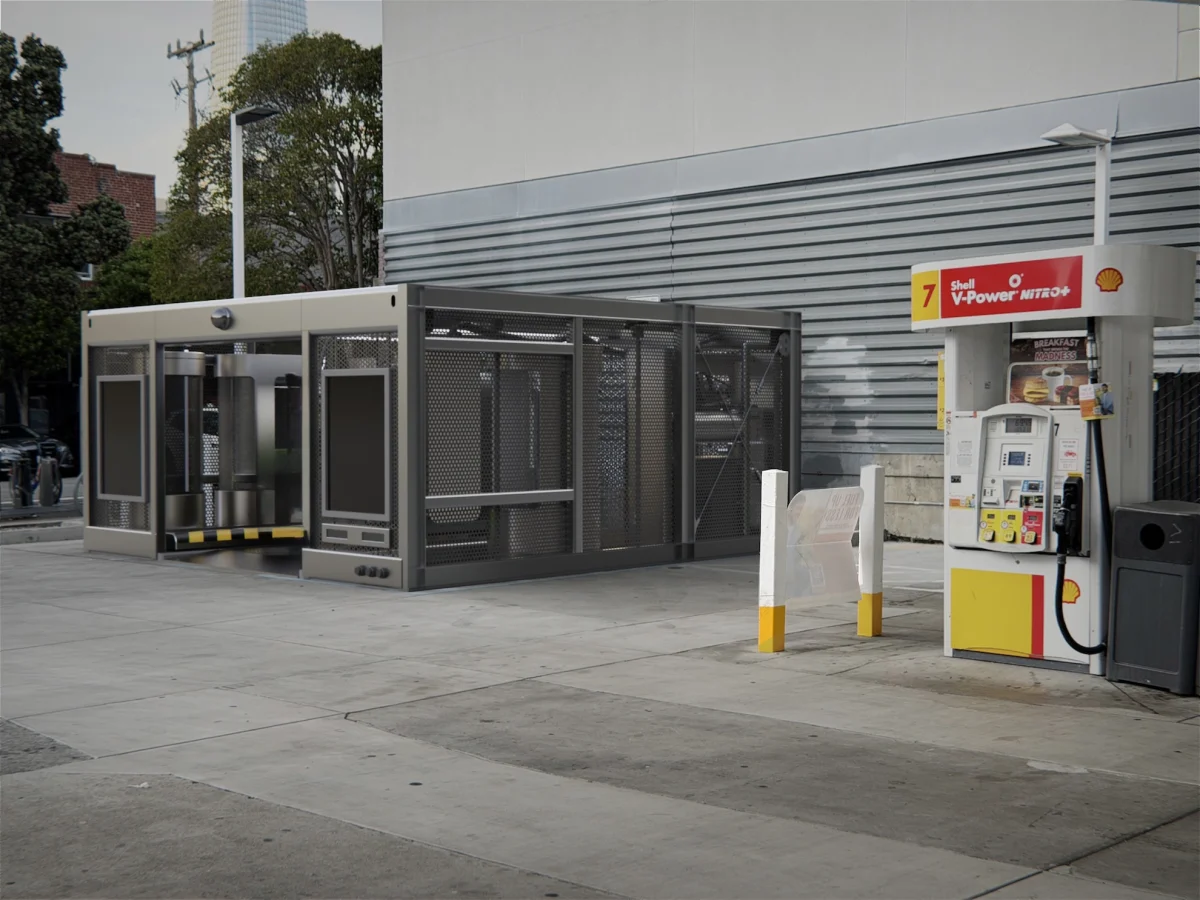
The burgeoning autonomous vehicle industry, particularly the sector dedicated to robotaxi services, is confronting a significant hurdle on its path to widespread adoption and financial viability: the extensive "deadhead miles" accumulated by driverless cars en route to maintenance facilities. These non-revenue-generating journeys for charging, cleaning, and inspection represent a substantial drain on operational efficiency and profitability. However, a California-based startup, Aseon Labs, is poised to disrupt this paradigm with an innovative solution: a network of compact, automated service pods designed to bring essential maintenance directly to the robotaxi fleets within urban environments.
The Unseen Challenge of Autonomous Fleets
For years, the promise of autonomous vehicles has captivated imaginations, envisioning a future of safer, more efficient, and accessible transportation. Companies like Waymo and Cruise have made significant strides in developing the underlying AI and sensor technology, deploying robotaxi services in select cities. Yet, beneath the veneer of technological marvel lies a complex logistical challenge. Every robotaxi, like its human-driven counterpart, requires periodic charging or refueling, interior cleaning, and routine inspections to ensure safety and passenger comfort.
Currently, the prevailing model dictates that autonomous vehicles travel considerable distances to centralized depots, often located on the outskirts of cities where real estate is more affordable. These trips, undertaken without paying passengers, are known as deadhead miles. While an unavoidable part of any transportation service, their frequency and length in the nascent robotaxi industry are disproportionately high. They consume valuable battery life, contribute to urban traffic congestion, increase wear and tear on vehicles, and, most critically, add to operational costs without generating revenue. Industry analysts frequently point to these operational inefficiencies as one of the primary barriers preventing robotaxi companies from achieving economic sustainability, turning what should be a cost-saving automation into a budget-straining overhead. The environmental footprint of these unnecessary miles, though not always highlighted, also runs counter to the broader sustainability goals often associated with electric vehicle adoption.
A Novel Approach to Fleet Maintenance
Aseon Labs’ proposed solution is a network of modular, automated pods, each approximately the size of a standard parking space. These self-contained units are designed to perform a range of essential services, including autonomous charging, interior cleaning, and visual inspections, eliminating the need for robotaxis to undertake lengthy journeys to a central hub. The strategic distribution of these "robotic pit stops" throughout urban areas is intended to drastically reduce deadhead miles, thereby enhancing vehicle utilization and accelerating the path to profitability for autonomous fleet operators.
The core concept is to decentralize maintenance infrastructure. Instead of one large, capital-intensive depot, Aseon Labs envisions numerous smaller, more agile service points. These pods are engineered to be independently powered, capable of operating on a propane generator or connecting to existing electrical grids, potentially through partnerships with established EV charging infrastructure providers. This flexibility in power sourcing is crucial for rapid deployment in diverse urban landscapes. Moreover, the units are designed as temporary structures, a classification that streamlines the often-arduous permitting process and allows for greater adaptability. Should a location prove suboptimal, a pod can theoretically be relocated with relative ease, offering a dynamic approach to infrastructure deployment. Equipped with advanced computer vision systems and robotic arms, these pods can inspect vehicles for damage, retrieve lost items, and perform basic interior cleaning tasks. This innovative approach promises to transform the operational backbone of autonomous mobility, making it more agile and responsive to the real-time needs of a city-wide fleet.
Strategic Investment and Early Momentum
The innovative potential of Aseon Labs’ vision has already captured significant investor interest. The company recently secured $10 million in a seed funding round, led by Crane Venture Partners. This substantial initial investment underscores a growing confidence in solutions that address the often-overlooked operational challenges of the autonomous vehicle sector. Notable participants in the funding round include Y Combinator, a prominent startup accelerator; Expa, the venture firm founded by Uber co-founder Garrett Camp; Robin Hood Ventures; and Founders Capital. The round also saw participation from a roster of influential angel investors, including Adrian Aoun, a serial entrepreneur and former Google executive; Immad Akhund, founder and CEO of Mercury; and Rajat Suri, co-founder of Zimride, alongside key personnel from leading tech companies like Anthropic, Nuro, Turo, and Revolut.
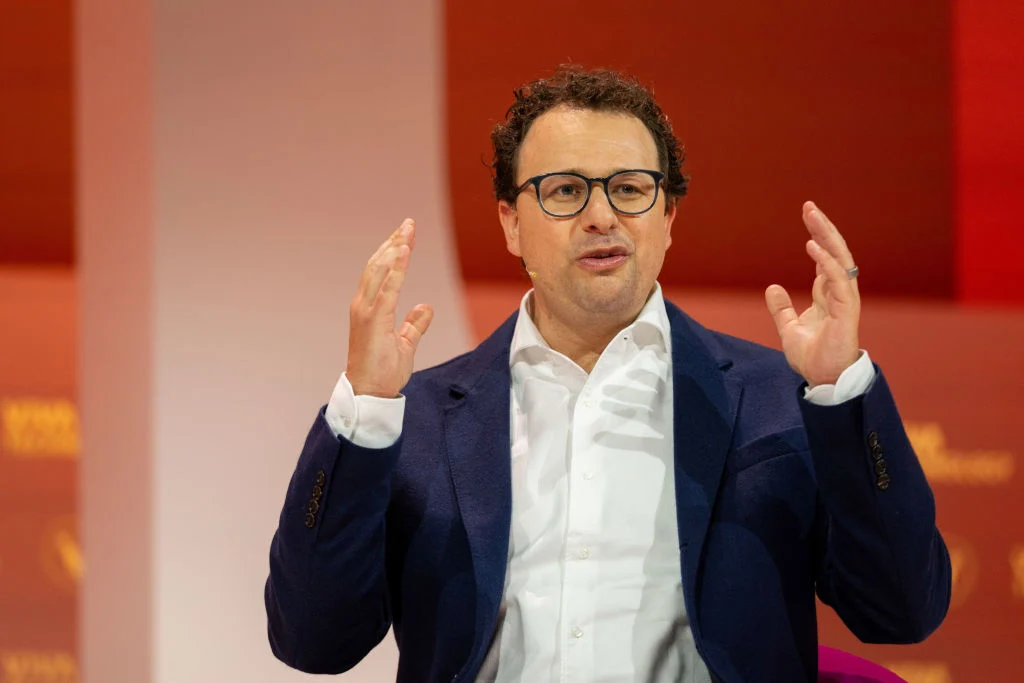
According to George Kalligeros, co-founder and CEO of Aseon Labs, these crucial seed funds will be allocated towards several key initiatives. The immediate priority is the construction of five prototype pods, which will serve as proof-of-concept and testing platforms. Simultaneously, the company plans to expand its specialized robotics and engineering team, currently comprising six individuals, to approximately a dozen. This expansion is critical for accelerating product development and refining the technological capabilities of the pods. A significant portion of the capital will also be directed towards securing the necessary real estate, a complex undertaking in densely populated urban areas, to establish the foundational network for these distributed service units. This early financial backing not only validates Aseon Labs’ concept but also provides the resources needed to transition from theoretical design to tangible deployment.
Lessons from Micromobility
The leadership team behind Aseon Labs brings a unique blend of experience from outside the traditional autonomous vehicle sphere, particularly in developing and scaling hardware and real estate-intensive businesses. Co-founder and CEO George Kalligeros, with a background as a mechanical design engineer at Bentley Motors and Tesla, teamed up with co-founder and COO Dan Keene to establish Pushme in 2016. Pushme specialized in creating battery-swapping infrastructure for micromobility fleets, such as electric scooters and bikes. This venture involved deploying a network of battery-swap stations across Europe before its acquisition by Tier Mobility in January 2020.
Kalligeros draws a direct parallel between the challenges faced by Pushme and those now confronting the robotaxi industry. "The playbook became, how do we sprinkle the locations across the center of the city, where it makes sense, but at the same time, make it easy to deploy as non-permanent infrastructure?" he recounted, referring to the rapid scaling of Pushme’s network. This experience in strategically distributing and deploying adaptable infrastructure in urban environments is highly relevant to Aseon Labs’ current mission. The insights gained from managing hardware, navigating real estate complexities, and optimizing operational efficiency for shared electric fleets provide a strong foundation for tackling the similar, albeit larger-scale, logistical puzzles of autonomous vehicles. Their prior success demonstrates a proven ability to execute on a vision that marries innovative hardware with real-world urban deployment challenges.
The Broader Autonomous Vehicle Landscape
The autonomous vehicle industry has evolved considerably since its early experimental stages. What began as a grand technological pursuit has matured into a complex ecosystem where operational efficiency and economic viability are paramount. Initial predictions of widespread robotaxi deployment by the mid-2020s have largely been tempered by the immense engineering, regulatory, and public acceptance hurdles. Companies like Waymo and Cruise have invested billions, navigating intricate legal frameworks, public skepticism, and the sheer technical difficulty of achieving Level 4 and 5 autonomy in dynamic urban settings.
The journey to profitability in ride-hailing, even with human drivers, has historically been challenging, often requiring substantial subsidies. Autonomous technology, while promising reduced labor costs in the long run, introduces new capital expenditures for sophisticated vehicles and the intricate infrastructure required to support them. As Kalligeros emphasizes, "In order to reach economic parity with ride-hailing — which is where we need to get with self-driving cars — and to stop really subsidizing the cost, you need the utilization to go up." This statement encapsulates the critical role that solutions like Aseon Labs’ play. Maximizing the uptime of each robotaxi is not merely about convenience; it is fundamental to shifting the economic model of autonomous transport from a speculative venture to a sustainable business. The ability to keep vehicles in continuous operation during peak demand periods directly translates into higher revenue potential and a stronger return on the massive investments made in AV technology.
Urban Integration and Operational Advantages
Aseon Labs’ innovative approach directly addresses a core inefficiency observed by its founders during their research into the AV industry: the centralized depot model. These depots, while necessary, often suffer from geographical limitations. The high cost of urban real estate typically pushes these facilities to city peripheries, creating a logistical disconnect between the primary service areas and maintenance hubs. This spatial mismatch inherently generates deadhead miles, contributing to the very problem Aseon Labs seeks to solve.
The concept of smaller, independently powered pods dispersed throughout a city offers multiple strategic advantages. Firstly, by being closer to where robotaxis operate, the travel time for maintenance is drastically cut, leading to a substantial reduction in deadhead miles. This not only saves on energy and vehicle wear but also frees up robotaxis to spend more time serving paying customers. Secondly, the classification of these units as "temporary structures" is a critical enabler. This designation can circumvent lengthy and complex permanent infrastructure permitting processes, allowing for faster deployment and greater flexibility. If a particular location proves to be less effective than anticipated, the unit can be relocated, adapting the network to evolving demand patterns and urban development. This agile, decentralized infrastructure model contrasts sharply with the rigidity and significant capital investment associated with large, fixed depots, offering a more scalable and responsive solution for the dynamic needs of urban autonomous fleets.
Technological Sophistication and Practical Limits
Aseon Labs’ pods are designed to be highly autonomous, leveraging cutting-edge technologies like computer vision and AI, specifically vision-language-action models common in modern robotics. These intelligent systems enable the pods to accurately detect and assess vehicle conditions, determining the appropriate course of action. For instance, the system can identify a minor spill that a robotic arm can efficiently clean, or it can recognize a more complex issue, such as melted chocolate on a seat, that attempting to clean could worsen.
This intelligent decision-making is crucial. Aseon Labs isn’t attempting to create a universal repair shop within each pod. Instead, its strategy is to handle common, routine tasks efficiently and autonomously, while intelligently flagging more severe or specialized problems. If the AI detects an issue beyond the pod’s capabilities, the vehicle will be charged (if needed) and dispatched directly to the robotaxi company’s central depot, where human technicians can address the specific problem. This pragmatic approach acknowledges the current limitations of robotics and AI, ensuring that vehicles receive the most appropriate care while maximizing the efficiency of the distributed network for everyday maintenance needs. The initial versions of these pods will likely require some human staffing, particularly for oversight and troubleshooting, but the long-term vision is full autonomous operation, further reducing labor costs and enhancing scalability.
Future Outlook and Industry Impact
While Aseon Labs has yet to formalize contracts with specific robotaxi companies, the reported "widespread interest" in its concept signals a clear demand within the industry for such innovative solutions. The potential impact of a distributed, automated maintenance network extends beyond individual company profitability; it could fundamentally reshape urban mobility. Reduced deadhead miles mean less traffic congestion, lower energy consumption, and a smaller carbon footprint, aligning with broader urban sustainability goals. Furthermore, by lowering the operational costs of robotaxis, such infrastructure could make autonomous ride-hailing more affordable and accessible to a wider demographic, potentially accelerating the shift away from private car ownership in urban centers.
The road ahead for Aseon Labs involves significant challenges, including securing prime urban real estate, integrating its pods seamlessly with various robotaxi fleets, and continuously refining its AI and robotics. However, by addressing one of the most pressing, yet often overlooked, operational inefficiencies in the autonomous vehicle ecosystem, Aseon Labs is positioning itself as a critical enabler for the future of driverless transport. Its success could serve as a blueprint for how complementary infrastructure innovations can unlock the full potential of transformative technologies, propelling the vision of ubiquitous, economically viable robotaxi services closer to reality.