Amir Mahmud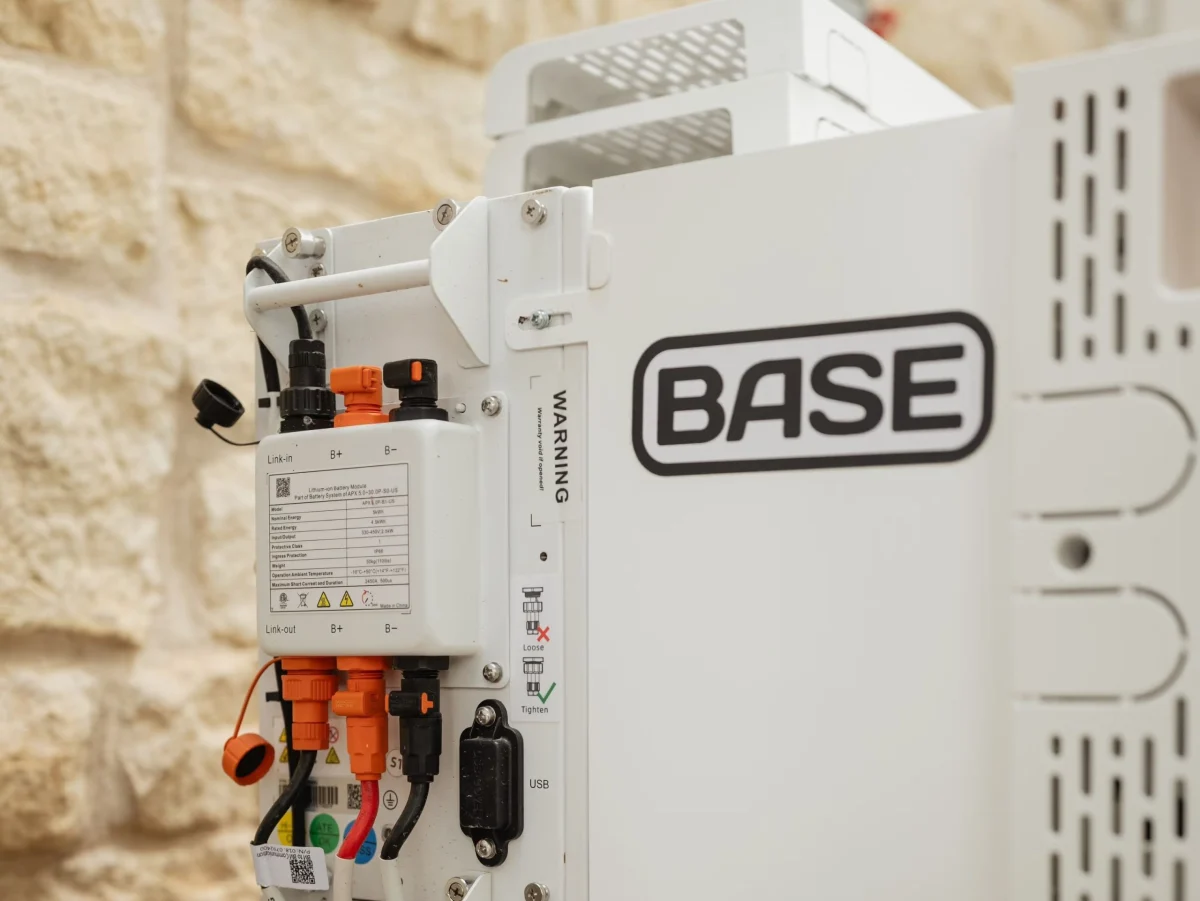
A nascent energy storage enterprise, Base Power, initiated the sale of its substantial home battery systems to residents across Illinois yesterday, marking a significant expansion into the operational territory of PJM Interconnection. This move is particularly notable as PJM stands as the United States’ largest grid operator by geographical expanse, currently grappling with immense pressure from escalating electricity demand, largely fueled by the proliferation of new data centers. The company’s strategy focuses on integrating these residential systems into a broader "virtual power plant" network, offering a decentralized solution to centralized grid challenges.
The Growing Strain on America’s Largest Grid
PJM Interconnection, an independent system operator (ISO) that coordinates the movement of wholesale electricity in all or parts of 13 states and the District of Columbia, serves over 65 million people. Its territory spans a vast and economically vital region, encompassing diverse load centers from dense urban areas to industrial complexes. Crucially, this footprint includes Northern Virginia, a global epicenter for data center development. The rapid expansion of these digital infrastructure hubs has placed unprecedented stress on the region’s electrical grid, leading to a critical imbalance between burgeoning demand and the pace of new generation and transmission infrastructure development.
Historically, electricity grids were designed around large, centralized power plants, with power flowing in one direction from generators to consumers. However, the 21st century has introduced a paradigm shift, characterized by increasing demand, the imperative to integrate renewable energy sources, and the emergence of new, intensive loads like data centers and electric vehicle charging. PJM’s challenges are emblematic of a broader national trend where existing infrastructure struggles to adapt to these evolving demands. The sheer concentration of data centers in areas like Northern Virginia, which alone accounts for a significant portion of global internet traffic, necessitates massive, consistent power supplies, often operating 24/7. This concentrated demand, coupled with a lag in bringing new generating capacity online, has driven wholesale electricity prices within the PJM territory to unprecedented levels, reportedly nearly doubling over the past year. Such price volatility and supply concerns have even prompted major utilities, such as American Electric Power (AEP), to consider withdrawing from the market, underscoring the severity of the crisis.
The Rise of Distributed Energy Resources and Virtual Power Plants
In response to these systemic grid pressures, the energy sector is witnessing a transformative shift towards distributed energy resources (DERs) and virtual power plants (VPPs). DERs encompass a range of smaller-scale, decentralized energy technologies, including rooftop solar, electric vehicles, and, critically, battery storage systems, located at or near the point of consumption. Unlike traditional power plants, DERs can be aggregated and managed intelligently to provide grid services.
A virtual power plant is precisely this aggregation of numerous DERs, coordinated through a central control system to function as a single, larger power source. VPPs can perform various functions, such as supplying power to the grid during peak demand, absorbing excess renewable energy when production is high, or providing ancillary services like frequency regulation. The concept leverages advanced software and communication technologies to optimize energy flow, enhance grid reliability, and integrate intermittent renewable sources more effectively. This model represents a departure from the one-way power flow of traditional grids, moving towards a more dynamic, bidirectional system where consumers can also be "prosumers" – both producers and consumers of electricity.
The evolution of VPPs has been a gradual process, accelerating with advancements in battery technology, smart grid infrastructure, and sophisticated energy management software. Early forms of demand response programs, where large industrial consumers reduced load during peak times, laid the groundwork. However, the advent of affordable and efficient residential battery storage has democratized this capability, allowing individual homeowners to participate in grid optimization efforts. This not only offers economic benefits to participants but also contributes to overall grid stability and resilience, providing a flexible resource that can be dispatched rapidly without the long lead times associated with building new power plants.
Base Power’s Strategic Entry and Business Model
Base Power, founded two years ago, initially launched its operations in Texas, a state known for its unique and often volatile electricity market, managed by ERCOT (Electric Reliability Council of Texas). The company’s foundational strategy revolves around developing a virtual power plant built on a network of residential battery systems. These aren’t just typical home backup batteries; Base Power’s units are notably larger than many competitors, starting at capacities of 25 kilowatt-hours (kWh). This substantial capacity allows them to store and discharge significant amounts of energy, making them valuable assets for grid support.
Crucially, Base Power’s business model differs from simply selling batteries. Instead, it offers an "electricity as a service" model, requiring customers to purchase their electricity directly from Base Power. In return, customers benefit from competitive rates, with the company touting prices in Illinois that are 25% below those offered by the incumbent utility, ComEd. This approach removes the significant upfront cost barrier often associated with home battery installations, making advanced energy storage accessible to a broader consumer base. By effectively owning and managing the battery assets "behind the meter" at customer residences, Base Power retains the ability to optimize charging and discharging cycles, integrating them into its VPP network. This allows the company to charge the batteries when wholesale electricity prices are low (e.g., during off-peak hours or when renewable generation is abundant) and then discharge that stored energy back to the home or potentially to the grid when demand is high and prices are expensive. This arbitrage strategy, combined with providing capacity and flexibility services, underpins its economic viability. The company has already demonstrated success with this model, operating over 500 megawatt-hours of battery storage capacity within the Texas market.
Navigating Regulatory Hurdles: The "Behind the Meter" Advantage
Base Power’s expansion into the PJM territory arrives at a critical juncture for the grid operator. PJM has faced considerable criticism for its perceived sluggishness in adapting to the escalating electricity demand and its handling of new generation interconnection requests. In 2022, PJM took the drastic step of pausing applications for new generating sources, citing a backlog that threatened to overwhelm its processing capabilities. Although the queue was reopened in April of the following year, this moratorium significantly delayed the integration of new power plants, including renewables, precisely when demand was surging. This regulatory bottleneck highlights a systemic challenge for many grid operators: the complex, lengthy, and often cumbersome process of interconnecting new, large-scale generation projects.
In this context, Base Power’s residential focus provides a strategic advantage, allowing it to circumvent the traditional, often "sclerotic" interconnection queues that plague grid-scale projects. As Zach Dell, Base Power’s founder and CEO, articulated, their approach involves "deploying capacity behind the meter at the residential home, where an interconnection already exists." This means the batteries are connected to the home’s existing electrical system, which is already connected to the utility grid. Therefore, Base Power does not need to apply for a new, separate interconnection agreement with the grid operator for each battery unit, a process that can take years for larger projects. This "end-run" around bureaucratic delays enables rapid deployment and scalability, allowing Base Power to quickly build out its distributed network and offer immediate relief to a strained grid. While this strategy addresses an immediate pain point, it also raises questions about the long-term integration of such distributed assets into broader grid planning and operations, and whether grid operators like PJM will evolve their regulatory frameworks to more seamlessly accommodate such innovations.
Market Dynamics and the Data Center Conundrum
The confluence of factors driving PJM’s current predicament—rapid demand growth, especially from data centers, and a slow pace of new generation integration—creates a fertile ground for innovative solutions like Base Power’s. The sheer scale of power consumption by data centers is staggering; a single large data center can consume as much electricity as a small city. Their continuous, predictable load profile, while offering some stability, also represents a constant drain on grid resources that must be met. The industry’s growth shows no signs of abating, driven by the expanding digital economy, cloud computing, artificial intelligence, and increasing data processing needs.
This presents a unique market dynamic where the value of flexible, dispatchable energy resources is exceptionally high. Base Power’s ability to charge when power is cheap and inject it back into the system when prices are high directly addresses this market volatility. By participating in wholesale energy markets, these VPPs can help flatten peak demand curves, reduce the need for expensive and often carbon-intensive "peaker" plants, and provide essential reliability services. Beyond the economic benefits, the social and cultural impact of such technologies is profound. They offer consumers greater energy independence and resilience against outages, a growing concern given the increasing frequency of extreme weather events and grid vulnerabilities. Moreover, by enabling greater integration of renewable energy, VPPs contribute to decarbonization efforts, aligning with broader societal goals for environmental sustainability.
Investment and the Future of Grid Resilience
The significant financial backing Base Power has attracted underscores the investor confidence in the distributed energy sector and the VPP model. In April 2025, the company secured a substantial $200 million funding round led by prominent venture capital firms Andreessen Horowitz, Lightspeed Venture Partners, and Valor Equity Partners. This was followed by an even larger $1 billion round in October of the same year, led by Addition. Such substantial capital infusions indicate a strong belief that residential battery networks, aggregated into VPPs, represent a critical component of the future energy landscape. This capital enables Base Power to rapidly scale its operations, expand into new markets, and invest in the technology and infrastructure required to manage its growing network of distributed assets.
The trend of significant investment in DERs and VPPs is part of a larger movement towards decentralization and digitalization within the energy industry. Investors are recognizing that traditional, large-scale infrastructure projects are often slow, capital-intensive, and susceptible to regulatory hurdles. In contrast, distributed solutions offer agility, scalability, and the potential for quicker returns on investment by tapping into existing residential infrastructure and leveraging advanced software. This influx of capital is not just about funding a single company but signifies a broader market validation of the VPP concept as a viable and essential solution for enhancing grid resilience, integrating renewables, and managing demand in an increasingly complex energy environment.
Challenges and Opportunities Ahead
While Base Power’s approach offers compelling advantages, the path to widespread VPP adoption is not without its challenges. Scaling such an operation requires robust logistics for installation, maintenance, and customer support. Ensuring seamless integration with diverse utility systems and adapting to varying state-level regulations will also be critical. Furthermore, educating consumers about the benefits and mechanics of participating in a VPP is essential for fostering broad adoption. Cybersecurity for distributed energy networks also presents a growing concern, requiring robust protections to prevent malicious interference.
However, the opportunities are immense. As grids continue to face pressures from electrification, climate change, and evolving demand patterns, the value of flexible, intelligent, and distributed energy resources will only grow. Companies like Base Power are at the forefront of this transformation, demonstrating how technological innovation, coupled with an agile business model, can provide tangible solutions to some of the most pressing challenges facing the modern electricity grid. Their expansion into PJM territory marks a pivotal moment, potentially heralding a future where residential homes are not just energy consumers but active participants in maintaining grid stability and driving the transition to a cleaner, more resilient energy system.