Amir Mahmud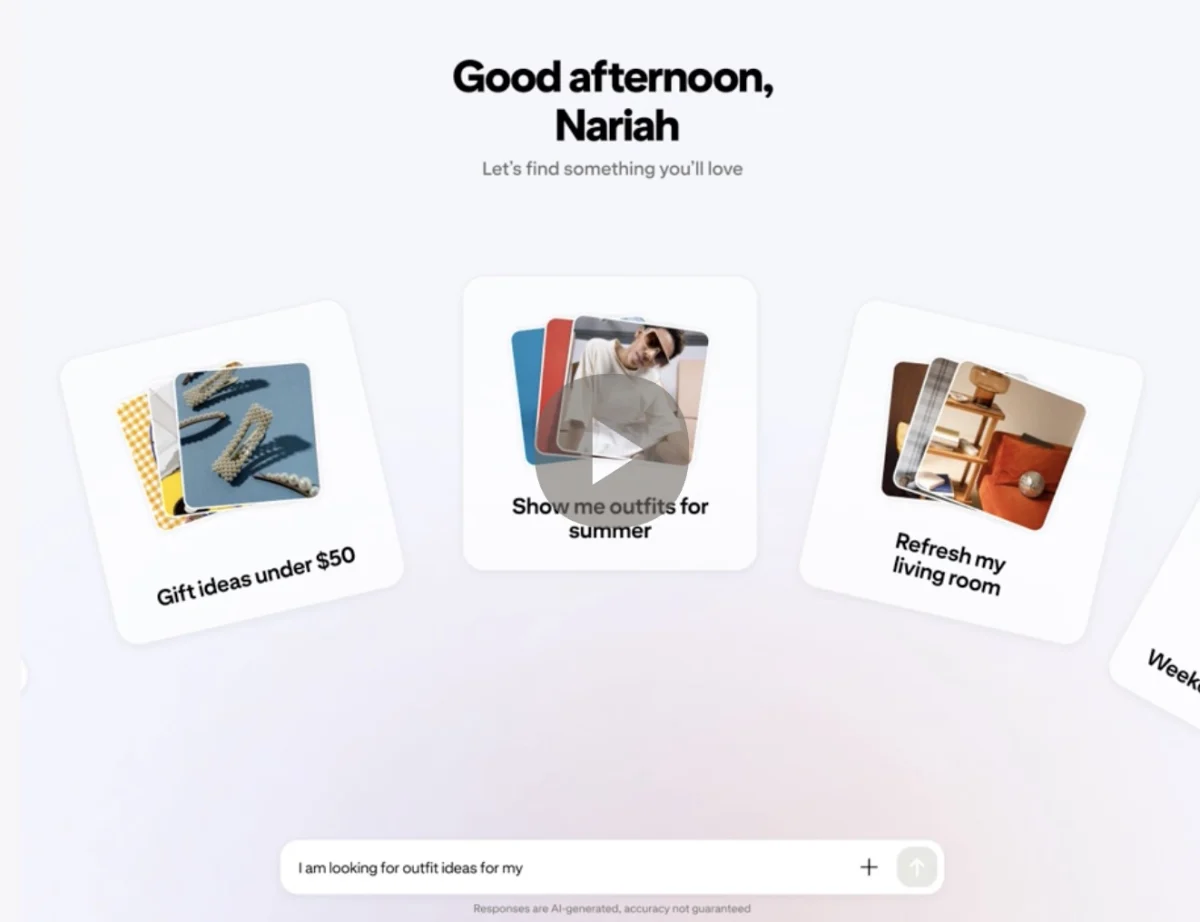
Pinterest is venturing into a new frontier of digital commerce with the introduction of "Ask Pinterest," an experimental artificial intelligence application designed to transform product discovery and shopping through conversational interaction. This standalone app, announced alongside a suite of AI-driven tools for advertisers, signals a strategic pivot for the visual inspiration platform, aiming to integrate advanced AI capabilities into its core user experience and advertising ecosystem. The unveiling comes just ahead of the prestigious Cannes Lions International Festival of Creativity, an annual gathering where the global advertising and marketing industry convenes, with AI’s transformative potential dominating this year’s agenda.
The Evolution of Digital Discovery
For years, Pinterest has cultivated a unique position in the digital landscape, distinguishing itself as a visual discovery engine rather than a traditional search platform. Founded in 2010, the platform quickly grew into a digital scrapbook where users "pin" images, videos, and articles to themed "boards," curating collections of ideas for everything from home décor and fashion to recipes and travel plans. This activity, driven by aspiration and planning, naturally lends itself to commercial intent, as users often seek to purchase items inspired by their pins. The company’s proprietary "Taste Graph"—an intricate data map connecting users with their unique interests and aesthetic preferences—has been central to its personalization efforts, moving beyond simple keywords to understand nuanced user desires. This foundational approach positions Pinterest uniquely as the digital world shifts towards more intuitive, AI-powered interactions.
The broader technology industry has recently seen a rapid acceleration in the development and deployment of generative AI, particularly large language models (LLMs) that power conversational agents. These AI chatbots are increasingly challenging the dominance of traditional search engines, offering more interactive and context-aware responses. Giants like Google have already integrated AI into their shopping functionalities, assisting consumers with product searches, price tracking, and streamlined checkout processes. OpenAI, the creator of ChatGPT, has explored "agentic shopping" systems capable of executing complex purchasing tasks, while Meta and Shopify have also publicly discussed their ambitions in developing similar AI-driven commerce tools. This burgeoning landscape underscores a universal recognition: the future of online shopping is conversational and deeply personalized.
Unveiling "Ask Pinterest": A New Dimension of Inspiration
"Ask Pinterest" represents a significant step in the company’s ambition to expand its visual discovery experience into a more dynamic, conversational realm. Initially available through limited access, this experimental application allows users to interact with a chatbot-like interface using natural language queries. Instead of typing keywords and browsing through a grid of images, users can articulate complex requests, such as "Help me plan a rustic-themed dinner party" or "Suggest furniture ideas for a small apartment with a minimalist aesthetic." The AI is designed to understand these multi-step, nuanced inquiries, offering personalized recommendations and inspiration that evolve with the conversation.
A key differentiator for "Ask Pinterest" is its ability to leverage the user’s existing "Taste Graph" data, including their saved Pins and Boards. This integration means the AI doesn’t start from a blank slate; it understands the user’s established preferences, past inspirations, and ongoing projects. For instance, if a user has consistently pinned images of Scandinavian design, the AI will factor this into its suggestions for furnishing a room, ensuring a highly tailored and relevant experience. This retention of user context across sessions is crucial for building a truly helpful and intuitive shopping assistant, moving beyond transactional searches to facilitate genuine creative exploration and planning.
The decision to launch "Ask Pinterest" as a standalone, experimental application is a calculated strategic move. It allows the company to test, iterate, and refine the AI technology without disrupting the experience of its millions of users on the main Pinterest app. This agile approach minimizes risk while gathering valuable user feedback and performance data, which will be instrumental in eventually integrating these advanced AI capabilities into the flagship platform. This iterative development process is common in the tech industry, enabling companies to push innovation boundaries while maintaining the stability of their core products.
Enhancing Advertiser Capabilities with AI
Beyond consumer-facing innovations, Pinterest is also empowering its advertising partners with new AI initiatives, recognizing that a more intelligent discovery platform benefits both users and businesses. The company introduced its Pinterest Model Context Protocol (MCP), a foundational infrastructure layer designed to standardize how advertisers manage and monitor their campaigns when utilizing third-party agentic tools. This protocol aims to streamline the integration of various AI-powered solutions, ensuring consistency and efficiency for marketers operating within the Pinterest ecosystem.
Furthermore, advertisers will benefit from a new AI assistant, currently in beta for U.S. markets, integrated directly into Pinterest’s Ads Manager. This assistant is poised to simplify campaign creation, optimization, and analysis, making it easier for businesses to leverage Pinterest’s vast audience. Complementing this, a new AI model dubbed Performance+ creative has been rolled out globally. This tool helps advertisers dynamically select the most effective ad creatives for each impression, optimizing performance by predicting which visual asset is most likely to resonate with a particular user at a given moment. These advancements underscore Pinterest’s commitment to enhancing the value proposition for its advertisers, whose investments are critical to the platform’s revenue generation.
Lee Brown, Pinterest’s Chief Business Officer, emphasized the evolving nature of digital interaction, stating that "the future of discovery won’t be driven by keywords alone. It will be shaped by context, taste, and trusted recommendations." Brown highlighted Pinterest’s "unique advantage" in this shift, a clear reference to the company’s long-standing focus on visual inspiration and its robust "Taste Graph." This perspective aligns with the industry-wide sentiment that AI is not just an incremental improvement but a fundamental change in how information is accessed and products are discovered and purchased.
The Evolving Landscape of Digital Discovery
The launch of "Ask Pinterest" and its accompanying AI advertising tools signals a significant shift in the broader digital commerce landscape. For consumers, this heralds a move away from passive browsing or keyword-driven searches towards a more interactive, conversational, and deeply personalized shopping experience. Imagine effortlessly planning a vacation wardrobe, decorating a nursery, or even curating a gift list for a friend, all through natural dialogue with an AI assistant that understands your aesthetic and practical needs. This could democratize access to design expertise and make complex decision-making processes much simpler and more enjoyable.
For retailers and brands, this evolution presents both opportunities and challenges. While AI-driven recommendations could lead to higher conversion rates and more relevant customer engagement, it also means that brands must adapt their content and advertising strategies. Visibility might shift from traditional SEO and broad keyword targeting to optimizing for "context," "taste," and the nuanced queries of AI assistants. Brands will need to ensure their product information is rich, visually appealing, and easily digestible by AI models to be effectively recommended. The emphasis will move from merely presenting products to demonstrating how they fit into a user’s broader lifestyle and aspirations.
From a social and cultural perspective, the increasing reliance on highly personalized AI for discovery raises important considerations. While convenience and relevance are clear benefits, questions around data privacy, algorithmic bias, and the potential for "filter bubbles" will continue to be debated. Pinterest’s emphasis on using its own proprietary data to train its AI models, rather than licensing external services, suggests a desire to maintain control over its recommendation engine and potentially differentiate its approach to data ethics. However, the sheer volume and intimacy of "Taste Graph" data mean these discussions will remain pertinent.
A Vision for the Future
Pinterest’s latest initiatives represent a calculated and forward-looking strategy to cement its position at the nexus of inspiration, discovery, and commerce. By leveraging its unique visual DNA and deep understanding of user preferences, the company is positioning itself not just as a platform for ideas, but as an intelligent partner in bringing those ideas to life. The experimental nature of "Ask Pinterest" indicates a commitment to thoughtful innovation, allowing the company to refine its AI capabilities and integrate them seamlessly into its ecosystem.
As the digital world continues its rapid transformation, driven by advancements in artificial intelligence, Pinterest’s move into conversational commerce reflects a broader industry trend towards more intuitive, human-like interactions with technology. The future of online shopping promises to be less about searching for specific items and more about engaging in a dialogue, where AI acts as a personal curator, guiding users through a vast ocean of possibilities to find exactly what resonates with their individual taste and context. Pinterest, with its "Taste Graph" and new AI ventures, aims to be at the forefront of this exciting evolution.