Amir Mahmud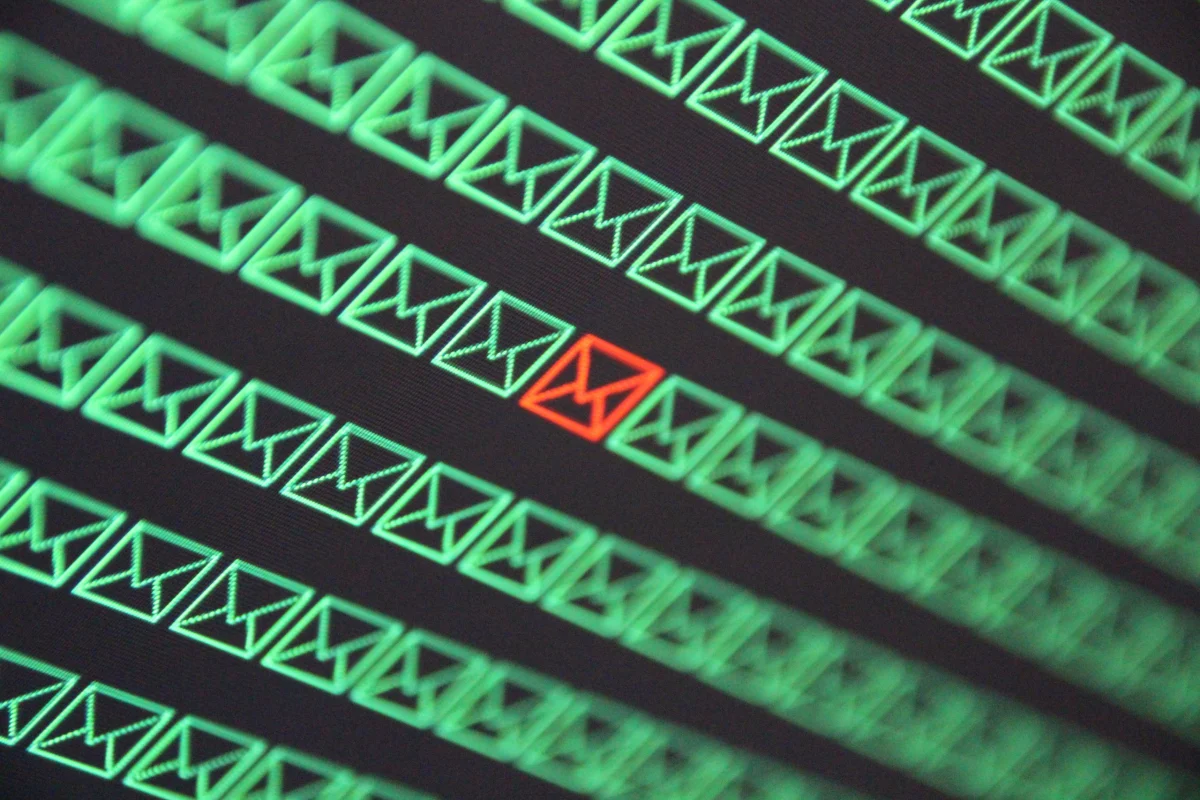
Apple is implementing a significant alteration to its "Hide My Email" privacy feature, a core component of its iCloud+ subscription service, which could fundamentally change how online platforms interact with users seeking anonymity. This impending modification involves a domain shift for the automatically generated email addresses, moving them from the widely used @icloud.com domain to a distinct @private.icloud.com identifier. The practical consequence of this technical change is that websites and applications will gain the ability to easily discern and potentially block sign-ups originating from these anonymized addresses, thereby diminishing the feature’s effectiveness in providing a seamless, indistinguishable veil of privacy.
The Essence of "Hide My Email"
Launched as part of iOS 15 in 2021, "Hide My Email" was introduced as a robust privacy tool designed to empower users with greater control over their digital footprint. In an era where personal email addresses are routinely collected, exploited for marketing, and vulnerable to data breaches and spam, this feature offers a crucial defense. It allows paying iCloud+ subscribers to generate unique, random email addresses for each online account they create, whether for newsletters, new app sign-ups, or online purchases. These generated addresses, previously indistinguishable from standard Apple user emails, then automatically forward incoming messages to the user’s authentic email inbox. The primary benefit lies in obscuring the user’s real email address from third-party services, protecting them from unsolicited communications, potential data leaks, and aggressive profiling. This capability aligns squarely with Apple’s long-standing public commitment to user privacy, positioning it as a differentiator in the competitive tech landscape.
The Impending Domain Transformation
The forthcoming change, communicated by Apple in a developer note, outlines a transition where all newly generated "Hide My Email" addresses will be issued under the @private.icloud.com domain. While existing anonymous addresses will continue to function and forward mail without interruption, the shift for new addresses introduces a clear marker. This new domain explicitly signals that an email address is an alias, rather than a direct personal email. This transparency, while seemingly minor, holds profound implications. Previously, the strength of "Hide My Email" lay in the fact that these proxy addresses blended in with millions of legitimate @icloud.com email addresses, making it difficult for services to identify and differentiate them. With the introduction of @private.icloud.com, any website or application can now implement simple filtering rules to detect and either flag or outright block sign-ups using these privacy-focused aliases. Apple’s note to developers also included a recommendation for app and email providers to update their filtering systems, ensuring continued mail delivery to users who rely on the feature. However, this recommendation inherently acknowledges the new capability for detection and potential restriction.
Balancing Act: User Privacy vs. Platform Control
This domain change ignites a complex debate at the intersection of user privacy, platform functionality, and developer control. From a user perspective, the immediate concern, widely voiced across online forums like Reddit, is the perceived weakening of a valued privacy feature. Many users leverage "Hide My Email" not just to avoid spam, but to protect themselves from targeted advertising, prevent doxing, mitigate the risks of data breaches, and maintain a degree of anonymity when engaging with services they may not fully trust. For activists, journalists, or individuals in sensitive professions, such features are critical for protecting their identity and communication channels. The ability for websites to easily identify and block these aliases could force users to disclose their real email addresses, undermining their privacy choices.
Conversely, online service providers and developers often cite legitimate reasons for wanting to identify and potentially restrict anonymous sign-ups. These reasons can include combating spam and bot accounts that can degrade service quality or exploit promotional offers, enforcing unique user identities for trials or limited-time benefits, and preventing abuse such as creating multiple accounts to bypass usage limits or engage in fraudulent activities. For instance, a streaming service might want to prevent a single user from signing up for multiple free trials using different email aliases. An e-commerce site might want to prevent individuals from creating numerous accounts to exploit referral bonuses. While these operational concerns are valid, the method of addressing them through domain-level identification raises questions about the broader implications for user privacy and the fundamental right to control one’s personal data. The challenge for Apple, a company that has prominently championed privacy, lies in balancing these competing interests without eroding user trust in its privacy offerings.
A History of Pressure: Government Demands and Data Access
This modification to "Hide My Email" does not occur in a vacuum; it is set against a backdrop of increasing scrutiny and demands for user data from both government entities and law enforcement agencies. Earlier in the year, Apple reportedly turned over the real account information of a user who utilized an anonymized "Hide My Email" address to send an allegedly threatening email. This incident, involving a communication directed at the girlfriend of a high-profile official, Kash Patel, underscored that "Hide My Email" does not offer absolute anonymity, especially when legal processes compel data disclosure.
The case highlights the ongoing tension between privacy-enhancing technologies and the imperatives of national security and law enforcement. The Trump administration, in particular, made concerted efforts to unmask anonymous online accounts, frequently employing subpoenas to demand that tech companies surrender identifying information about their users, including critics of the administration. Such actions by governments globally place immense pressure on technology companies, forcing them to navigate complex legal and ethical landscapes where user privacy often clashes with official investigative needs. While Apple generally resists broad data requests, it must comply with valid legal orders. The shift to a distinct @private.icloud.com domain could be interpreted in multiple ways within this context: as a measure to make legitimate law enforcement investigations more straightforward by identifying aliases, or as a response to general pressure to make anonymous accounts less opaque for various stakeholders. Apple has not publicly provided a rationale for the change, leaving room for speculative analysis regarding its motivations.
The Broader Landscape of Anonymity Tools
"Hide My Email" is part of a growing ecosystem of tools designed to help users manage and protect their digital identities. Services like ProtonMail, SimpleLogin, AnonAddy, and Firefox Relay offer similar email alias or forwarding functionalities, each with its own approach to privacy and security. These services cater to a rising demand from users who are increasingly aware of the value of their personal data and the risks associated with its indiscriminate sharing. The effectiveness of any such tool, however, is constantly tested by evolving technologies, user behavior, and external pressures. As platforms become more sophisticated in identifying and filtering "non-standard" email addresses, the developers of privacy tools must innovate to maintain their utility. The move by Apple could set a precedent or influence how other privacy-focused services are perceived and utilized, potentially prompting a broader reevaluation of what constitutes truly effective online anonymity.
Navigating the Future of Digital Privacy
The reconfiguration of Apple’s "Hide My Email" domain represents a pivotal moment for digital privacy. While Apple’s original intent was to empower users, the practical outcome of this change leans towards empowering online services with greater visibility into user anonymity choices. The ultimate impact will largely depend on how widely app developers and websites choose to implement filtering based on the new @private.icloud.com domain. Should widespread blocking occur, users might be compelled to reconsider their approach to online privacy, potentially seeking alternative solutions or reluctantly exposing their primary email addresses.
This development underscores the perpetual tension between technological advancements, user expectations for privacy, and the operational demands of online platforms. As the digital world continues to intertwine with every aspect of daily life, the debate over anonymity, data control, and the responsibilities of technology giants like Apple will only intensify. Users, developers, and policymakers alike will need to continue grappling with these complex issues to forge a future where privacy and functionality can coexist harmoniously.