Amir Mahmud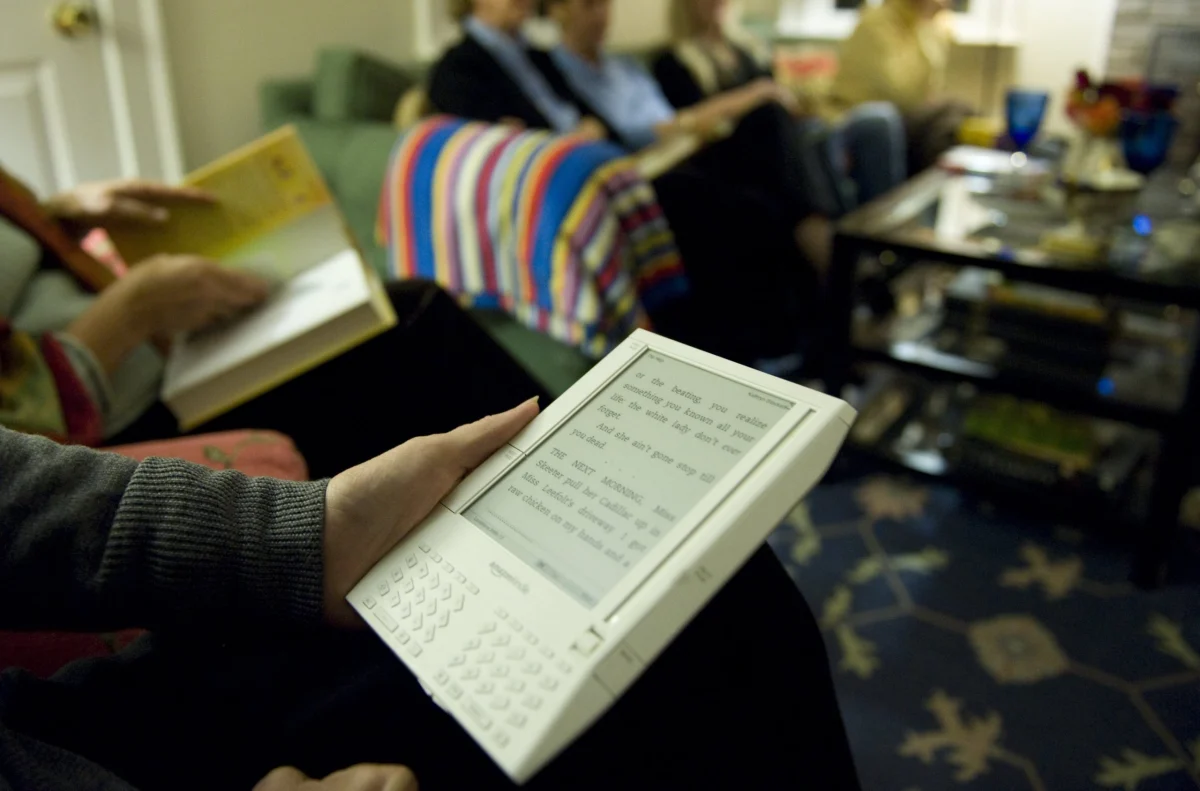
A significant shift is occurring within the digital reading community as Amazon prepares to discontinue technical support for a range of its older Kindle e-reader models. This impending change, set to take effect on May 20, is prompting a wave of device owners to explore "jailbreaking" their devices, a process that bypasses manufacturer-imposed software limitations. This user-led movement highlights a broader tension between corporate control over digital ecosystems and consumers’ desire for prolonged utility and customization of their purchased hardware.
The End of an Era: Amazon’s Phased Obsolescence
Amazon’s decision marks a pivotal moment for users of Kindles released in the early 2010s. While the exact models impacted were not specified in the original announcement, the general understanding is that devices dating back over a decade will cease to receive official technical assistance. This cessation of support means that after the May 20 deadline, these older Kindles will primarily function as standalone e-readers capable of accessing only content already downloaded to the device. The ability to connect to Amazon’s digital storefront, download new books, or receive crucial software updates will be severely curtailed or entirely eliminated, effectively isolating them from the company’s vast content ecosystem.
From a business perspective, such decisions by technology companies are not uncommon. Phasing out support for older hardware allows manufacturers to streamline operations, reduce maintenance costs, focus development resources on newer models, and encourage upgrades. As devices age, security vulnerabilities can become harder to patch, and compatibility with evolving software standards can diminish. However, for consumers, particularly those who have maintained their devices in good working order, this move often feels like forced obsolescence, compelling them to invest in new hardware despite their existing devices retaining full physical functionality. This perception fuels the growing interest in alternative solutions like jailbreaking.
Jailbreaking: A Digital Act of Reclamation
Jailbreaking, in the context of Kindle devices, refers to the practice of circumventing the proprietary software restrictions embedded by Amazon. This technical maneuver grants users a greater degree of control over their e-readers than the manufacturer typically allows. By accessing the device’s root file system, users can unlock a plethora of functionalities, ranging from aesthetic enhancements like custom fonts and personalized screensavers to more significant modifications such as installing alternative reading applications or even third-party tools that expand the Kindle’s core capabilities.
The motivation behind this surge in jailbreaking is multifaceted. For many, it represents an act of digital autonomy – a way to reclaim full ownership over a piece of hardware they purchased. Rather than accepting a future where their device becomes a disconnected digital paperweight, users are seeking to extend its lifespan and utility on their own terms. This aligns with a broader cultural trend of do-it-yourself (DIY) tech and a growing skepticism towards the "walled garden" approach prevalent in many digital ecosystems, where manufacturers exert extensive control over how users interact with their devices and access content. The desire to circumvent these restrictions often stems from a combination of economic considerations (avoiding the purchase of a new device), environmental concerns (reducing e-waste), and a simple yearning for greater personalization and functional freedom.
A Brief History of Device Unlocking
The concept of jailbreaking or "rooting" is far from new in the technology landscape. Its origins can be traced back to the early days of smartphones and gaming consoles, where enthusiasts sought to unlock the full potential of their devices beyond what manufacturers intended. The iPhone was famously "jailbroken" shortly after its initial release in 2007, opening the door for third-party applications long before Apple introduced its App Store. Similarly, Android devices can be "rooted" to gain superuser access, enabling extensive customization and performance tweaks. Gaming consoles, from the PlayStation to the Nintendo Switch, have also seen persistent efforts from communities to enable homebrew applications, emulators, and custom firmware.
This ongoing cat-and-mouse game between device manufacturers and user communities highlights a fundamental tension in the digital age: who truly owns a piece of technology once it’s purchased? Manufacturers argue they need control to ensure security, maintain ecosystem integrity, and protect intellectual property. Users, conversely, contend that once they buy hardware, they should have the right to modify it as they see fit, especially when official support wanes. The history of device unlocking is a testament to the enduring ingenuity of users and their persistent drive to push the boundaries of technology.
The Legal and Ethical Landscape
While the allure of an unfettered Kindle is strong, users must navigate a complex legal and ethical terrain. Amazon’s terms of service explicitly outline restrictions on modifying device software. Engaging in jailbreaking activities could potentially violate these terms, leading to consequences such as the voiding of any remaining warranty or, in extreme cases, the inability to access Amazon’s services on that particular device.
However, the legal standing of jailbreaking for personal use varies widely by jurisdiction. In many regions, the act of modifying a device’s software for personal use is not considered a criminal offense. The legal gray area often arises when such modifications are used for activities that infringe on copyright, facilitate the distribution of illegal software, or involve the sale of modified devices for commercial gain. For instance, the U.S. Copyright Office has granted exemptions under the Digital Millennium Copyright Act (DMCA) for certain types of device unlocking, particularly for mobile phones, recognizing the importance of consumer choice and device interoperability. Whether these specific exemptions directly apply to e-readers like Kindles remains a nuanced legal question, underscoring the importance of individual research and caution. The broader "right to repair" movement, which advocates for consumers’ ability to repair and modify their own electronics, is also gaining traction, pushing for legislative changes that could further clarify these rights in the future.
Technical Challenges and Potential Pitfalls
Despite the compelling advantages, jailbreaking is not without its significant drawbacks and risks. It is a technical process that requires a certain level of computer literacy and a willingness to engage with potentially complex procedures. The primary risk is the possibility of "bricking" the device, rendering it completely inoperable and effectively turning it into expensive refuse. This can occur if the process is not followed precisely, if incompatible firmware is installed, or if unforeseen errors arise during modification.
Beyond the risk of total device failure, running unofficial software can introduce a host of stability issues. Users might experience frequent application crashes, unpredictable behavior, or a general degradation in performance. Security is another critical concern; custom firmware or third-party applications may not undergo the rigorous security vetting of official software, potentially exposing the device to malware or other vulnerabilities. Furthermore, jailbreaking often has a negative impact on battery life, as unofficial software might not be optimized for power efficiency in the same way Amazon’s proprietary system is. Compatibility is also a hurdle, as jailbreaking methods are often specific to certain Kindle models and firmware versions, requiring users to meticulously research their device’s compatibility before attempting any modifications.
Beyond the Walled Garden: Market and Cultural Shifts
The phenomenon of Kindle jailbreaking reflects larger market and cultural shifts. It underscores a growing consumer demand for more open and adaptable technology, challenging the prevalent "buy and lease" model of digital ownership. As consumers become more tech-savvy, their expectations for customization and control increase, leading to a vibrant ecosystem of modders and independent developers.
This pushback against obsolescence also has significant environmental implications. By extending the functional life of existing devices, jailbreaking contributes to reducing electronic waste, a burgeoning global problem. The "right to repair" movement, which seeks to make it easier for consumers to fix their own products, aligns closely with the motivations behind jailbreaking, advocating for greater longevity and sustainability in consumer electronics.
Moreover, the growing appeal of device modification highlights a gap in the e-reader market. While Amazon’s Kindle dominates, alternatives like the Boox Palma, Vivlio e-readers, or the tiny Xteink X3 offer varying degrees of openness and functionality. These devices cater to users who prioritize features like Android operating systems for app flexibility, stylus support for note-taking, or more open file formats, contrasting with the Kindle’s more controlled environment. The existence and growing popularity of these alternatives suggest a market demand for e-readers that offer more user freedom from the outset, without the need for post-purchase modification.
Alternatives to Deep Modification
For those wary of the technical risks and potential legal ramifications of jailbreaking, less invasive alternatives exist to keep older Kindles functional or to transition to new reading experiences. One of the simplest and safest methods is "sideloading" books. This involves transferring e-book files directly to the Kindle via a USB cable and a computer, bypassing Amazon’s digital storefront entirely. Many e-book formats, including MOBI and EPUB (often converted to AZW3 or MOBI for older Kindles), can be managed this way, allowing users to continue reading personal libraries or content acquired from other sources. While this doesn’t unlock new features, it ensures the device remains a viable reader for existing and externally sourced content.
Another alternative is to simply accept the limitations of the older device as a dedicated, offline reader for existing content and consider investing in a new e-reader. The market now offers a diverse range of devices, each with its own ecosystem and features. Some, like those running Android, provide much more flexibility for installing third-party apps out of the box, offering a "jailbroken" experience without the associated risks. These options cater to different user preferences, from those seeking simplicity to those demanding maximum versatility, all while staying within the boundaries of manufacturer support and warranty.
In conclusion, Amazon’s decision to end support for older Kindle models has ignited a passionate debate about device ownership, digital freedom, and corporate responsibility. While jailbreaking offers a pathway for users to extend the life and utility of their beloved e-readers, it comes with inherent risks and legal considerations. This phenomenon underscores a broader consumer trend toward demanding greater control over purchased technology, pushing both users and manufacturers to reconsider the evolving relationship between hardware, software, and the right to repair and modify in an increasingly digital world.