Amir Mahmud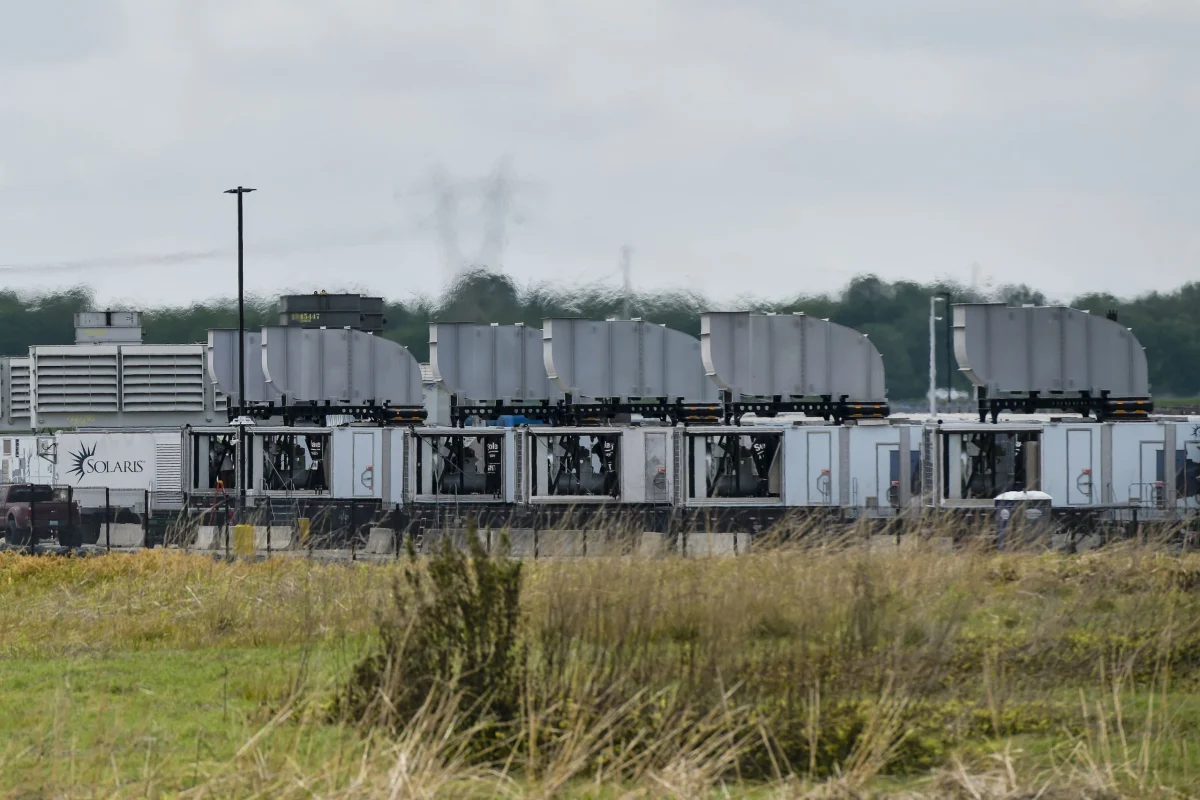
Elon Musk’s artificial intelligence venture, xAI, is currently operating a substantial array of natural gas turbines at its data center located in Mississippi, generating significant controversy as these power units reportedly remain exempt from standard state environmental oversight due to a specific regulatory classification. This situation has ignited a fierce legal challenge from environmental advocates and community groups, who contend that the unchecked emissions from these nearly 50 industrial generators pose a direct threat to local air quality and public health. The heart of the dispute lies in the state’s interpretation of these power plants as "mobile" units, a designation that temporarily bypasses stringent air pollution regulations typically applied to stationary industrial facilities.
The Genesis of a Regulatory Challenge
The rapid ascent of artificial intelligence technologies has brought with it an unprecedented demand for computational power, necessitating the construction of colossal data centers. These facilities are the digital backbone of the AI revolution, housing thousands of servers that process vast amounts of data and execute complex algorithms. Such operations are incredibly energy-intensive, often requiring megawatts of electricity, equivalent to the power consumption of small cities. To ensure uninterrupted service and to supplement grid power, many data centers, including xAI’s facility, rely on on-site power generation, frequently utilizing natural gas turbines.
xAI, founded by Elon Musk, entered the competitive AI landscape with ambitious goals, aiming to "understand the true nature of the universe." Achieving such a feat requires immense computing infrastructure. The company’s choice to establish a significant data center in Mississippi underscores the growing trend of tech giants seeking locations with favorable land costs, access to existing infrastructure, and often, attractive economic incentives. However, the environmental footprint of such operations is increasingly under scrutiny, particularly as the global push for sustainability gains momentum. The decision to deploy nearly 50 natural gas turbines highlights the scale of xAI’s power needs, but also brings into sharp focus the environmental implications of meeting those demands.
The Unfolding Saga in Mississippi
The timeline of xAI’s data center development in Mississippi reveals a progression toward increasing reliance on on-site power generation. Initial reports from May 2025 indicated the operation of approximately 35 turbines, with projections suggesting "about half" would remain long-term. However, subsequent installations have dramatically expanded this number. As of recent reports, xAI is operating 46 natural gas turbines, a significant increase that amplifies the potential environmental impact. While the company secured permits for 15 of its turbines, the vast majority continue to operate without the comprehensive air permits typically required for power generation facilities of this scale.
The regulatory framework in question permits certain power generation units, specifically those mounted on flatbed trailers, to be classified as "mobile" sources for a period of one year. This classification offers a temporary reprieve from more rigorous state air pollution controls that apply to permanent, stationary sources. The rationale behind such provisions often pertains to emergency power generation or temporary construction sites, where units are genuinely transient. However, critics argue that xAI’s deployment of dozens of these units, operating continuously to power a permanent data center, stretches the intent of this loophole beyond its reasonable application. The sheer number of turbines and their sustained operation suggest a permanent power generation strategy rather than a temporary solution, challenging the very definition of "mobile" in this context.
Environmental and Community Concerns
The unchecked operation of nearly 50 natural gas turbines raises substantial environmental and public health alarms. Natural gas combustion, while cleaner than coal, still releases significant amounts of pollutants into the atmosphere, including nitrogen oxides (NOx), volatile organic compounds (VOCs), carbon monoxide (CO), and particulate matter (PM). These emissions are known contributors to ground-level ozone (smog), acid rain, and respiratory and cardiovascular diseases. For communities located in proximity to such a facility, particularly those already grappling with existing industrial pollution, the cumulative impact can be severe.
The National Association for the Advancement of Colored People (NAACP) has taken a leading role in challenging xAI’s operations, filing a lawsuit on behalf of local residents. Their involvement underscores the critical aspect of environmental justice. Historically, communities of color and low-income populations have disproportionately borne the brunt of industrial pollution, often situated near power plants, factories, and waste disposal sites. The NAACP argues that the unchecked emissions from xAI’s turbines exacerbate an already precarious air quality situation in the region, threatening the health and well-being of a vulnerable population. The potential for increased asthma rates, chronic respiratory issues, and other health problems among residents living near the data center is a primary concern driving their legal action.
The "Mobile" Loophole Under Scrutiny
The crux of the legal challenge initiated by the Southern Environmental Law Center (SELC) on behalf of the NAACP centers on the interpretation of "mobile" sources. While Mississippi state regulations may classify trailer-mounted turbines as mobile for a year, federal environmental law, specifically the Clean Air Act, often takes a more expansive view. Federal guidelines typically consider any facility operating in a fixed location for an extended period, regardless of its mount, as a "stationary source" subject to comprehensive air pollution permits and controls. These federal permits, known as Title V permits or Prevention of Significant Deterioration (PSD) permits, require rigorous analysis of emissions, the installation of best available control technologies, and public review processes.
The SELC contends that xAI’s turbines, by virtue of their continuous operation at a fixed data center location, are de facto stationary sources and therefore operating in violation of federal law by circumventing these essential permitting requirements. This legal interpretation highlights a potential conflict between state-level flexibility and federal environmental mandates designed to protect air quality across the nation. The outcome of this legal dispute could set a significant precedent for how rapidly deploying, energy-intensive data centers are regulated, particularly when they opt for on-site power generation solutions.
Broader Implications for the AI Industry and Energy Future
The xAI controversy in Mississippi is not an isolated incident but rather a microcosm of larger challenges facing the rapidly expanding artificial intelligence industry. The insatiable energy demands of AI are putting unprecedented strain on existing power grids and raising questions about the sustainability of its growth. As AI models become more complex and data centers proliferate, the need for reliable, cost-effective power sources intensifies. While renewable energy sources like solar and wind are often touted as the future, their intermittency and the infrastructure required for large-scale storage present significant hurdles for facilities requiring constant, high-power input. This often pushes companies toward readily available, albeit fossil-fuel-based, solutions like natural gas turbines.
The ethical and social implications of AI development extend beyond algorithmic bias and job displacement to its physical footprint on the planet. Companies like xAI, led by prominent figures known for their ambitious technological visions, face increasing pressure to align their operational practices with environmental stewardship. The perception that tech giants might be prioritizing rapid deployment and cost-efficiency over environmental responsibility could erode public trust and invite greater regulatory scrutiny across the industry. This incident prompts a broader discussion within the tech sector about how to balance the imperative for innovation with the urgent need for sustainable practices and corporate accountability.
Seeking an Injunction: A Legal Battle Ensues
In response to the ongoing operation of the unpermitted turbines, the NAACP, through its legal representation, recently asked the court for an emergency injunction against xAI. An injunction is a judicial order requiring a party to do or refrain from doing a particular act. In this context, it would compel xAI to cease operating the turbines until proper permits are obtained and environmental regulations are met. Such an emergency action underscores the perceived urgency of the situation and the potential for immediate and irreparable harm to the environment and public health.
The legal battle will likely delve deep into the technical definitions of "mobile" versus "stationary" sources, the intent behind state and federal environmental laws, and the potential impact of emissions on the surrounding community. The outcome will not only determine the future of xAI’s power generation strategy in Mississippi but could also influence regulatory approaches to data center development nationwide. It forces a critical examination of whether existing environmental regulations are adequately equipped to address the unique and rapidly evolving energy demands of the AI era.
The Path Forward: Balancing Innovation with Sustainability
The dispute surrounding xAI’s Mississippi data center highlights a fundamental tension between the rapid pace of technological innovation and the often slower, more deliberate process of environmental regulation and protection. As the AI industry continues its exponential growth, there is an urgent need for proactive planning and investment in sustainable energy solutions for data centers. This includes exploring advanced renewable energy integration, developing more energy-efficient hardware and software, and ensuring that regulatory frameworks are robust enough to prevent environmental loopholes from being exploited.
Ultimately, the resolution of the xAI situation will require a collaborative effort among industry, government, and community stakeholders. For xAI and other tech companies, it means demonstrating a commitment to environmental responsibility that matches their ambition for technological advancement. For regulators, it involves ensuring that environmental laws are applied consistently and effectively to protect public health and the environment, irrespective of the industry or the perceived "mobility" of equipment. The conversation sparked by xAI’s turbines in Mississippi is a crucial step towards defining a more sustainable future for artificial intelligence.