Amir Mahmud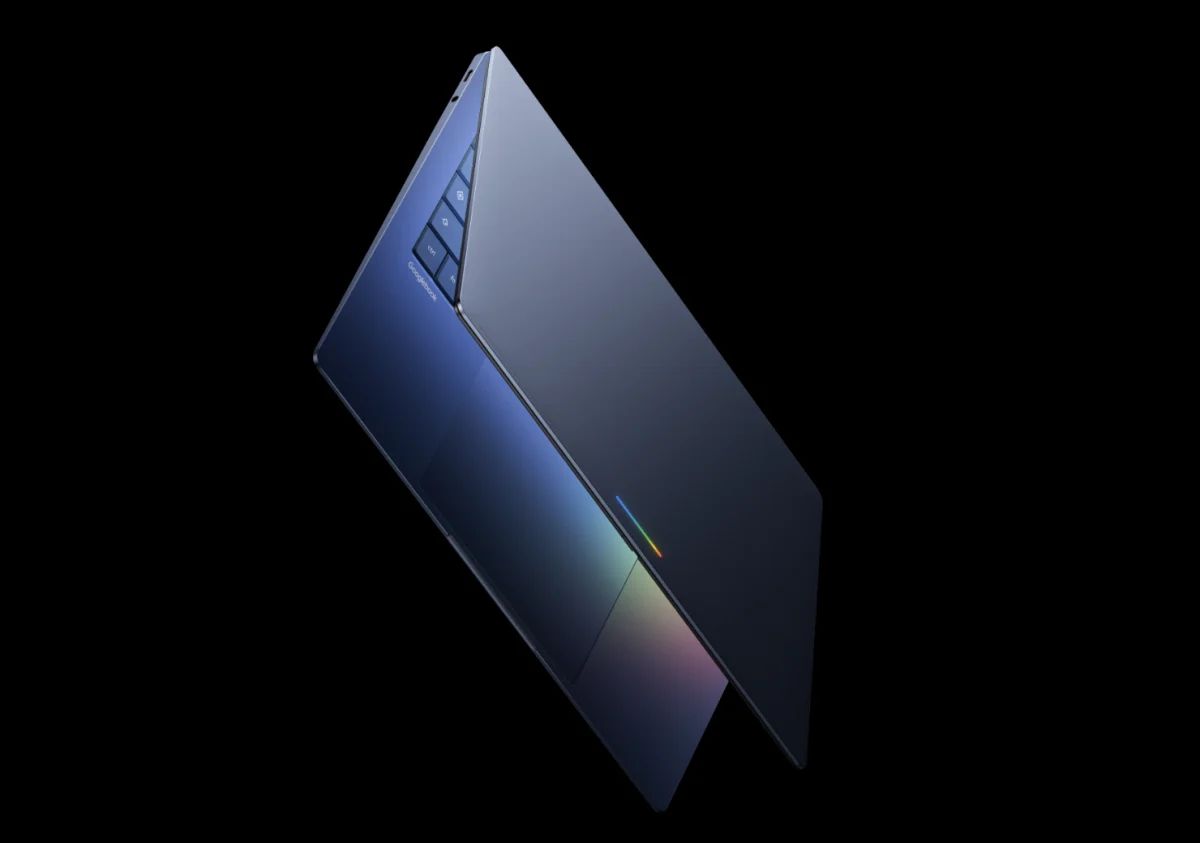
At its recent virtual Android Show: I/O Edition, Google presented a sweeping array of innovations and updates, signaling a profound strategic pivot toward deep artificial intelligence integration across its vast ecosystem. This event, a precursor to the company’s annual developer conference, underscored Google’s commitment to embedding its advanced Gemini Intelligence capabilities into virtually every facet of the Android experience, from new hardware offerings to nuanced user interface refinements and robust security upgrades. The announcements paint a picture of a more intuitive, proactive, and interconnected digital environment, aiming to redefine how users interact with their devices and the digital world.
A New AI-Native Hardware Frontier: Introducing Googlebook
One of the most significant revelations was the unveiling of "Googlebook," an entirely new line of laptops engineered from the ground up with Gemini Intelligence at their core. This initiative marks a bold step for Google into the premium laptop hardware segment, extending beyond its established Chromebook line. Unlike traditional laptops that integrate AI as an add-on, Googlebook is designed to leverage Gemini’s capabilities for personal and proactive assistance intrinsically, promising a computing experience fundamentally shaped by artificial intelligence.
The launch, slated for this fall, will see Google collaborating with major hardware partners including Acer, Asus, Dell, HP, and Lenovo, ensuring a diverse range of form factors and configurations. This collaborative approach allows Google to scale its hardware ambitions quickly while leveraging the manufacturing and distribution expertise of industry leaders. Key features highlighted for Googlebook include "Magic Pointer," an innovative cursor infused with Gemini, enabling more intelligent and context-aware interactions. Furthermore, these laptops will offer seamless compatibility with Android phones, allowing users to run mobile applications directly from their Googlebook devices, bridging the gap between mobile and desktop computing. The ability to create custom widgets, a staple of modern mobile interfaces, will also be a core offering, further emphasizing personalization and efficiency.
Historically, Google’s hardware ventures have seen mixed success. While Pixel smartphones have carved out a niche for their camera technology and pure Android experience, and Chromebooks have found success in education and budget-friendly markets, a direct competitor to high-end laptops like Apple’s MacBook or Microsoft’s Surface line has been absent. Googlebook represents a direct challenge in this premium space, positioning AI as the primary differentiator. The market impact could be substantial, potentially accelerating the industry-wide shift towards AI-powered personal computers. For consumers, it promises a more integrated and intelligent workflow, where the laptop proactively assists with tasks, drawing data and context from across their digital lives.
Elevating Android’s Core Experience with Gemini Intelligence
Central to Google’s vision is the pervasive integration of Gemini Intelligence into the Android operating system, transforming it into a more agentic and context-aware platform. These advancements are designed to empower users with unprecedented levels of automation and intelligent assistance.
Agentic AI: Under the umbrella of Gemini Intelligence, the assistant is evolving from a reactive query processor to a proactive "agent" capable of executing multi-step functions across various applications. This means users could, for example, capture a photograph of an event flyer and instruct the assistant to locate that event on travel or ticketing platforms like Expedia, handling the data transfer and search autonomously. Another compelling use case demonstrated involves invoking the assistant with an on-screen grocery list and requesting it to compile a shopping cart in a preferred e-commerce app, streamlining mundane tasks significantly. This "agentic" capability represents a paradigm shift, moving towards a future where AI actively manages and optimizes user workflows, rather than merely responding to direct commands.
Gemini in Chrome: Following its introduction on iOS and desktop, Gemini is now being integrated into Chrome for Android. This allows users to swiftly summarize webpage content, ask contextual questions about what they are viewing, and leverage an experimental "auto-browse" feature to navigate websites and complete tasks, such as booking a ticket, on their behalf. This deep browser integration promises to transform web browsing into a more efficient and intelligent experience, reducing cognitive load and saving time.
Form Filling and Dictation: Gemini’s capabilities extend to practical everyday tasks. An opt-in feature will enable Gemini to utilize data from a user’s "Personal Intelligence" — a private, on-device data store — to assist in filling out complex mobile forms with greater accuracy and speed. Furthermore, a new Gboard feature named "Rambler" is set to revolutionize dictation. Similar to advanced transcription services, Rambler converts speech into refined text, intelligently removing filler words like "ums" and "ahs." It can even correct self-interruptions, for instance, turning "Let’s meet at 3 p.m. … um, 2 p.m." into the corrected "Let’s meet at 2 p.m." This level of intelligent text processing aims to make voice input more natural and reliable, enhancing accessibility and productivity.
The integration of agentic AI and enhanced dictation tools underscores Google’s ambition to make AI an invisible, yet indispensable, layer of the user experience. This strategic direction has significant implications for how individuals interact with technology, potentially making digital tasks feel more seamless and less burdensome. However, it also raises important questions about data privacy and the boundaries of AI autonomy, which Google is likely addressing with its "Personal Intelligence" framework and opt-in mechanisms.
Hyper-Personalization and Visual Refinements
Android is doubling down on personalization and visual appeal, offering users more tools to tailor their digital environments and express themselves.
Vibe-Coded Widgets: A new "Create My Widget" feature will empower users to design custom widgets using natural language descriptions. This capability, rolling out first on the latest Samsung Galaxy and Google Pixel phones this summer, allows for highly personalized dashboards. For instance, a user could request a widget that "suggests three high-protein meal prep recipes every week," generating a dynamic, custom information panel that can be resized and placed on their home screen. This move signifies a shift from pre-defined widgets to truly user-generated, context-specific information displays, reflecting a growing demand for unique digital spaces.
3D Emoji: Google announced a comprehensive refresh of all 4,000 Android emojis, redesigning them to appear less flat and more expressive, embracing a vibrant 3D aesthetic. Slated for release later this year, these new emojis aim to convey emotion and meaning with greater nuance, enhancing digital communication. The evolution of emojis reflects broader cultural trends in digital expression, where visual cues play an increasingly important role in conveying tone and sentiment.
These personalization features tap into a cultural desire for unique digital identities and efficient information access. By allowing users to "vibe-code" their widgets, Google acknowledges the subjective nature of user experience and offers tools for profound customization, moving beyond simple aesthetic changes to functional, AI-driven content generation.
Transforming the In-Car Experience with Android Auto
Google’s in-car infotainment system, Android Auto, is receiving a substantial overhaul, focusing on enhanced personalization, visual flexibility, and deeper AI integration.
The refresh brings more personalization options and the introduction of widgets directly to the car’s dashboard. Critically, the system now offers an edge-to-edge experience, adapting seamlessly to a wide variety of in-car screen shapes and sizes, from ultra-wide displays to unique circular designs. This adaptability is crucial in a market where vehicle manufacturers are increasingly differentiating their models through bespoke dashboard layouts. Users can now add widgets to view essential information at a glance, even while actively navigating.
Media applications like YouTube Music and Spotify are also undergoing redesigns, optimizing their interfaces for safer and easier use while driving. A groundbreaking addition is the ability to watch videos from apps like YouTube in 60 fps full HD in supported vehicles later this year. This feature, initially available in cars from major brands including BMW, Ford, Genesis, Hyundai, Kia, Mahindra, Mercedes-Benz, Renault, Škoda, Tata, and Volvo, signifies a move towards more comprehensive in-car entertainment, particularly for passengers or during parked periods.
Furthermore, Gemini is now broadly rolling out to Android Auto, providing drivers with hands-free access to its intelligent capabilities. Drivers can ask questions, brainstorm ideas, or learn about various topics without diverting their attention from the road. A notable expansion of this hands-free functionality includes the ability to place food orders directly from the car, starting with a partnership with DoorDash. This integration aims to transform the vehicle into a more connected and productive extension of a user’s digital life, anticipating and fulfilling needs on the go.
The evolution of Android Auto reflects the growing importance of the connected car ecosystem. While enhancing entertainment options, Google’s emphasis on hands-free Gemini integration also underscores a commitment to driver safety, balancing new functionalities with the need for minimal distraction. The partnership with automotive giants signifies a strong industry push towards standardized yet customizable infotainment systems.
Bridging Ecosystems and Empowering Creators
Google is actively working to dismantle barriers between different mobile ecosystems and provide robust tools for the burgeoning creator economy.
Enhanced Cross-Platform Sharing: Building on previous efforts, Google is significantly expanding its Quick Share functionality. Last year, Pixel phones gained the ability to share photos and files with iPhones via Quick Share, effectively bridging the gap with Apple’s AirDrop. This year, Quick Share will extend its compatibility to a wider range of Android devices from manufacturers like Samsung, Oppo, OnePlus, Vivo, Xiaomi, and Honor, further standardizing cross-platform file transfers. For devices without direct compatibility, Quick Share will generate a QR code, enabling cloud-based sharing to iPhones. Additionally, Quick Share integration within popular messaging apps like WhatsApp is anticipated, streamlining the sharing process further. This initiative is a clear strategic move to enhance interoperability in a fragmented mobile landscape, offering a more frictionless experience for users regardless of their device choice.
Simplified iPhone-to-Android Migration: A new, comprehensive iOS-to-Android transfer feature is designed to simplify the migration process for users switching from an iPhone to a new Android device. This feature will allow for the seamless import of passwords, photos, messages, favorite applications, contacts, eSIM data, and even the home screen layout. Launching on Samsung Galaxy and Google Pixel devices this year, this capability directly addresses a long-standing pain point for users contemplating a switch, aiming to reduce friction and encourage broader adoption of Android devices.
Creator Features: Recognizing the immense growth of the creator economy, Android is introducing new tools to empower content creators. A "Screen Reactions" feature, launching first on Pixel devices this summer, allows users to record themselves and their screen simultaneously, a format popularized by platforms like TikTok and Instagram Reels. This built-in functionality removes the need for third-party apps, making content creation more accessible. Furthermore, Google has partnered with Meta to optimize Instagram on Android devices, bringing features like Ultra HDR, native stabilization, and night mode directly to the platform. The capture-to-upload pipeline has also been optimized to ensure photos and videos retain their sharpness when posted. Exclusive to Android, Meta’s Edit app will gain new tools such as "smart enhance" for upscaling photos and "sound separation" for boosting or removing specific audio elements, providing creators with powerful on-device editing capabilities.
These efforts reflect Google’s commitment to creating a more open and versatile mobile ecosystem, not just for its own devices but for the broader Android family. By improving cross-platform compatibility and offering dedicated creator tools, Google is positioning Android as a robust platform for both everyday users and professional content producers.
Digital Well-being and Robust Security Measures
In an era of increasing digital dependence and cyber threats, Google is reinforcing its commitment to user well-being and security with new features.
Pause Point: A novel Android feature called "Pause Point" is designed to combat digital distractions and doomscrolling. When launching an application previously designated as a distraction, users will encounter a mandatory 10-second break. During this pause, they will be presented with alternative choices, such as launching their Google Play Books app to encourage more mindful digital engagement. Users can also opt to set a timer that limits their usage of the distracting app before they even begin. This feature highlights a growing awareness within the tech industry about the potential negative impacts of excessive screen time and aims to provide users with tools for greater self-regulation.
Advanced Threat Protection: Google is expanding its default-on theft protections globally, following successful pilot programs in regions like Brazil. These enhanced security features will be automatically enabled on all new Android 17 devices, as well as on freshly reset devices or those updated to the latest OS. Key protections include "Remote Lock" and "Theft Detection Lock," which will activate automatically. Google is also implementing measures to thwart thieves, such as reducing the number of PIN or password attempts and imposing longer wait times between failed attempts. For law enforcement, Android 12 and higher devices will now display the device’s IMEI directly from the lock screen, facilitating quicker verification of ownership for stolen devices. These theft protections will also be extended to devices running Android 10 and up in specific markets, including Argentina, Chile, Colombia, Mexico, and the U.K., broadening their reach significantly. For Pixel users with up-to-date software and "Advanced Protection Mode" activated, a new "Intrusion Logging" feature will be available. This security tool is designed to assist in investigating suspected spyware attacks and device compromises, offering a deeper layer of protection against sophisticated threats.
These security and well-being initiatives demonstrate Google’s proactive stance on addressing critical user concerns. In an increasingly interconnected world, where personal data is constantly at risk and digital addiction is a growing public health issue, these features offer practical solutions to enhance user safety and promote healthier digital habits.
Conclusion
Google’s latest Android Show: I/O Edition announcements reveal a holistic strategy centered around the transformative power of artificial intelligence. From the ambitious introduction of Googlebook as an AI-native laptop to the subtle yet impactful enhancements in Android Auto, personalization widgets, and security protocols, Gemini Intelligence is positioned as the unifying force. These developments not only aim to make Google’s ecosystem more intelligent and intuitive but also to foster greater interoperability across devices and platforms, empowering both everyday users and the expanding community of digital creators. As the tech landscape continues to evolve, Google’s vision for an AI-first future sets a new benchmark for seamless, proactive, and secure digital experiences.