Amir Mahmud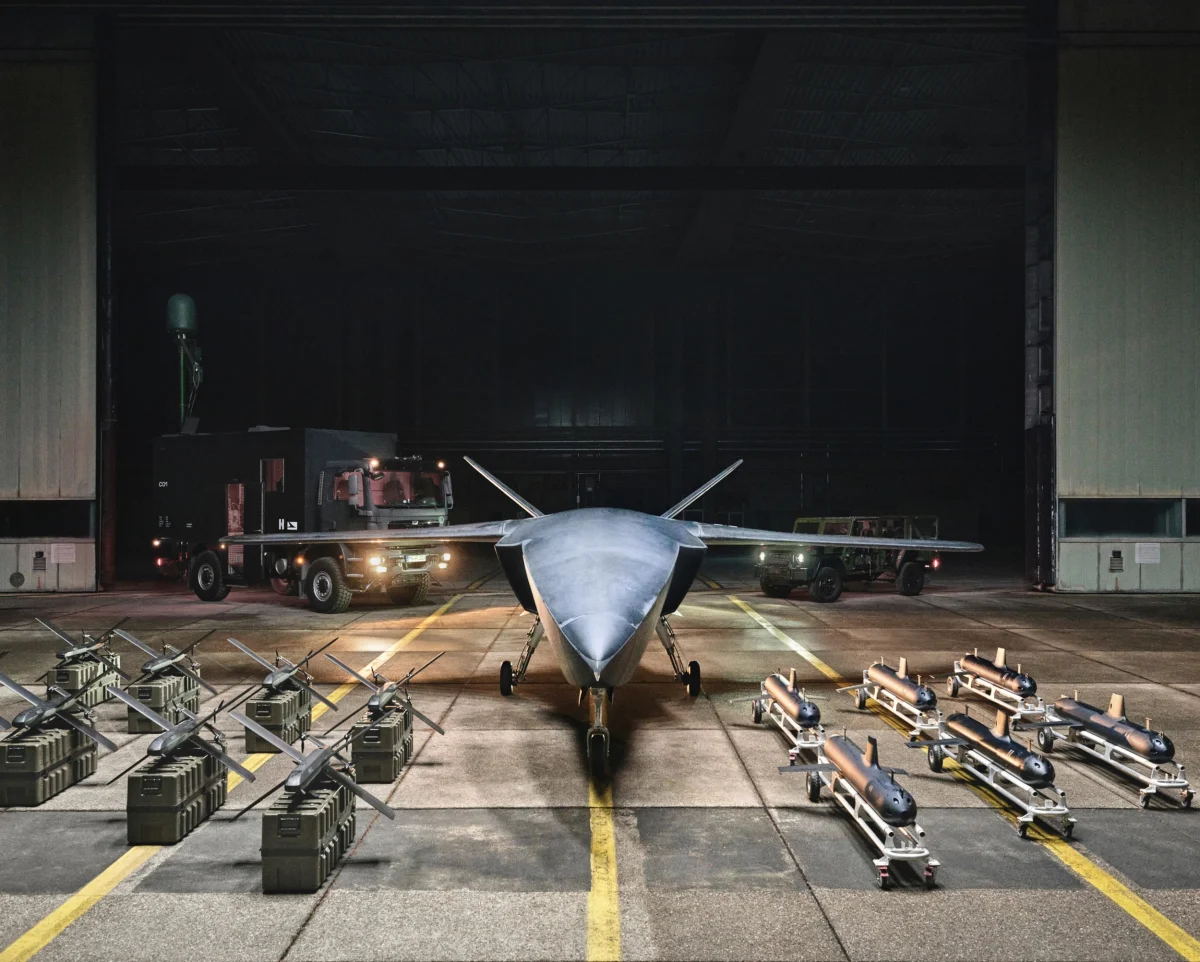
A pivotal development in the burgeoning European defense technology sector sees Helsing, a five-year-old startup specializing in military artificial intelligence and autonomous systems, reportedly nearing the completion of a substantial $1.2 billion funding round. This latest infusion of capital is anticipated to propel the company’s valuation to an impressive $18 billion, underscoring the escalating investor confidence in advanced defense capabilities. Reports suggest that Dragoneer, a prominent investment firm, is poised to lead the round, with Lightspeed, an existing investor, expected to co-lead, further solidifying Helsing’s position as a dominant force in the rapidly evolving landscape of defense innovation.
The Ascent of Helsing: A Rapid Trajectory
Helsing, founded in 2021, has quickly distinguished itself within the European defense ecosystem. The company’s core mission centers on leveraging artificial intelligence to enhance the operational capabilities of military hardware, ranging from drones to ground vehicles. Their technology aims to provide real-time situational awareness, automate complex decision-making processes, and optimize resource allocation on the battlefield, thereby offering a significant advantage in modern warfare scenarios. This strategic focus on AI-driven defense solutions positions Helsing at the forefront of a paradigm shift in military technology, moving away from traditional hardware-centric approaches towards more intelligent, data-driven systems.
The reported $1.2 billion raise marks a substantial escalation from Helsing’s previous funding activities. Less than a year ago, in June 2025, the company secured a significant €600 million investment, which at the time valued the firm at approximately €12 billion (around $14 billion USD). That round garnered considerable attention due to its lead investor: Daniel Ek, the billionaire co-founder and CEO of Spotify. Ek’s involvement signaled a notable crossover of mainstream tech investment into the defense sector, highlighting a growing trend among venture capitalists to explore opportunities in areas traditionally considered outside their purview. This consecutive, large-scale funding round within a short timeframe speaks volumes about the perceived potential and rapid growth trajectory of Helsing.
A New Era for Defense Investment
The substantial valuation commanded by Helsing reflects a dramatic transformation in how the venture capital community views the defense industry. For decades, many Silicon Valley and European VCs shied away from defense investments, often due to ethical concerns, long sales cycles, and perceived misalignment with "tech for good" narratives. However, the geopolitical landscape has shifted profoundly, particularly following the full-scale invasion of Ukraine by Russia in February 2022. This conflict served as an undeniable "proving ground" for new technologies, demonstrating the critical importance of agility, innovation, and technological superiority in modern combat.
The war in Ukraine showcased the efficacy of advanced drones, sophisticated sensor systems, and real-time data analytics, often developed by agile tech companies rather than traditional defense contractors. This operational reality has spurred a reassessment among investors, leading to a surge in interest and capital flowing into defense technology startups. Daniel Ek’s earlier investment in Helsing, made through his investment firm Prima Materia, was an early indicator of this shift, signaling that even prominent figures from the consumer tech world now see strategic value in defense innovation. His public statements have often emphasized the importance of European technological sovereignty and the need for the continent to develop its own robust defense capabilities.
Geopolitical Imperatives and European Strategic Autonomy
The heightened investment in companies like Helsing is inextricably linked to broader geopolitical trends and a renewed focus on European strategic autonomy. For years, many European nations scaled back defense spending after the Cold War, often relying on a robust security umbrella provided by NATO, with significant contributions from the United States. However, the events of the past few years, particularly the conflict in Eastern Europe, have forced a re-evaluation of this stance. European leaders are now advocating for increased defense budgets, enhanced interoperability, and a stronger domestic defense industrial base.
This pivot is not merely about increasing spending; it’s about fostering innovation within Europe to reduce reliance on external suppliers and to develop capabilities tailored to the continent’s specific security challenges. The European Union has launched initiatives aimed at boosting collaborative defense research and development, creating a more integrated European defense market. Companies like Helsing are seen as critical components of this strategy, offering cutting-edge solutions that can modernize European armed forces and ensure technological superiority in an increasingly complex and contested global environment. The demand for advanced, AI-driven defense systems is therefore not just a market trend but a strategic imperative for the continent.
The Autonomous Warfare Frontier: Opportunities and Ethical Dilemmas
Helsing’s focus on autonomous defense systems places it at the heart of one of the most transformative, and at times controversial, areas of military technology. Autonomous systems, particularly those powered by AI, promise to revolutionize warfare by increasing efficiency, reducing human risk in dangerous situations, and processing vast amounts of data at speeds impossible for human operators. Drones, whether for reconnaissance, surveillance, or combat, are a prime example of this evolution, and Helsing’s expertise in this domain is highly valued.
However, the proliferation of AI in warfare also raises profound ethical and regulatory questions. The concept of "killer robots" – fully autonomous weapons systems that can select and engage targets without human intervention – remains a significant area of debate among international bodies, NGOs, and ethicists. While many defense tech companies emphasize "human-in-the-loop" or "human-on-the-loop" approaches, ensuring human oversight in critical decision-making, the rapid advancements in AI capabilities constantly push the boundaries of what is technically feasible and ethically permissible. Navigating these complex ethical landscapes while delivering effective military solutions will be a continuous challenge for companies like Helsing. The societal impact of such technologies, from job displacement in traditional military roles to the psychological effects on combatants and civilians, also warrants ongoing scrutiny.
A Competitive Yet Expanding Market
While Helsing’s $18 billion valuation positions it as the most valuable European defense tech unicorn by a significant margin, it operates within an increasingly competitive landscape. Other European startups are also attracting substantial investment, though at lower valuations. For instance, German drone manufacturer Quantum Systems secured €180 million in funding in November 2025, pushing its valuation past €3 billion. Similarly, Lisbon-headquartered Tekever raised £400 million a year prior, achieving a valuation exceeding £1 billion, solidifying its status as a European unicorn. These examples illustrate a broader trend of capital flowing into the European defense tech sector, signaling a maturing market with diverse players.
The growth of these companies reflects a broader shift away from monolithic, state-backed defense contractors towards more agile, software-focused entities. These startups can innovate faster, integrate commercial technologies more readily, and often offer more cost-effective solutions. However, they also face unique challenges, including navigating complex military procurement processes, adhering to stringent regulatory and export controls, and building trust with traditionally conservative defense establishments. The long sales cycles inherent in government contracts can also be a hurdle for fast-moving tech companies accustomed to rapid product iterations and market penetration.
Looking Ahead: The Future of European Defense Innovation
Helsing’s latest funding round is more than just a financial transaction; it represents a significant vote of confidence in the future direction of European defense. The company’s success could serve as a powerful precedent, encouraging further investment in deep tech solutions aimed at national security. As global tensions persist and the nature of warfare continues to evolve, the demand for advanced, intelligent defense capabilities is only expected to grow.
The ability of European nations to foster and scale innovative defense companies like Helsing will be crucial for maintaining technological sovereignty, enhancing collective security, and shaping the ethical frameworks for future military applications of AI. While the financial details of this latest round are still emerging, the reported figures unequivocally cement Helsing’s status as a pivotal player in the strategic rearmament and technological modernization of Europe. The coming years will reveal how effectively these new-generation defense tech firms can translate their formidable valuations and cutting-edge innovations into tangible, impactful contributions to global security.