Amir Mahmud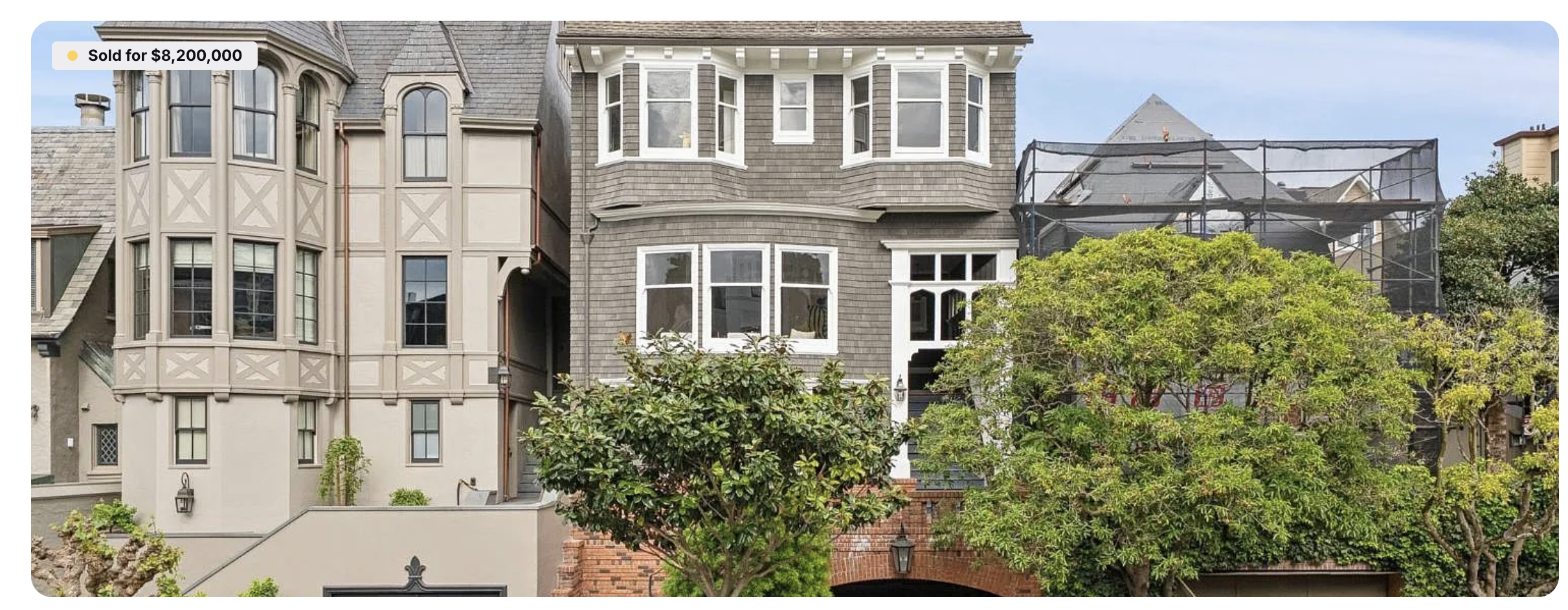
San Francisco, a city long synonymous with both innovation and exorbitant living costs, is currently witnessing an astonishing acceleration in its high-end residential real estate market. Recent transactions are not merely setting new benchmarks for price, but are shattering conventional expectations, even for this famously unaffordable metropolis. This surge reflects a unique confluence of factors, primarily driven by a new wave of liquidity from the burgeoning artificial intelligence sector and the broader tech industry.
A City Defined by Scarcity and Wealth
The narrative of San Francisco’s housing challenges is deeply rooted in its geography and economic history. Nestled on a peninsula, the city’s physical expansion is inherently limited. This natural constraint is compounded by stringent zoning laws and a powerful local sentiment often resistant to new high-density development, frequently termed "NIMBYism" (Not In My Backyard). For decades, these factors have contributed to a chronic housing supply shortage, driving prices steadily upward.
Historically, San Francisco’s real estate market has been profoundly influenced by its status as a global technology hub. The dot-com boom of the late 1990s and the subsequent Web 2.0 era in the 2000s each brought waves of wealth, translating directly into increased demand and soaring property values. This pattern created a unique socio-economic landscape where tech professionals often found themselves in a financial league far removed from essential service workers, artists, and long-time residents, leading to persistent debates about affordability, displacement, and the city’s changing character. The early days of the COVID-19 pandemic saw a temporary dip, with some residents and companies relocating to more affordable areas, but this trend proved short-lived, particularly for the ultra-luxury segment.
The Current Frenzy: Unpacking Recent Sales
The recent activity in the market has moved beyond mere high prices into the realm of the truly extraordinary. Consider a six-bedroom, 5,700-square-foot residence located in Cow Hollow, one of the city’s most prestigious and sought-after districts. Initially listed at $7.95 million, a sum already prohibitive for most, the property swiftly sold for a staggering $15 million. This transaction allowed the sellers to nearly double their investment in under six years, having acquired the home for $7.8 million in the summer of 2020, a period when many speculated about an urban exodus. This particular sale became a focal point of discussion among real estate professionals and residents alike, with many expressing astonishment at the sheer magnitude of the increase.
Another illustrative case emerged in Presidio Heights, an exclusive enclave renowned for its grand homes and panoramic views. A 4,100-square-foot house, listed at $4.4 million in late April, was snapped up for $8.2 million just one week later. Even seasoned observers and potential buyers expressed surprise at the price point relative to the property’s condition. Nichole Wischoff, a venture capitalist who toured the home, openly commented on social media about the "mediocre house, good location" dynamic, noting a less-than-ideal view from the patio. Her remarks underscored a growing sentiment that buyers in this market are often paying a premium for location and potential, rather than inherent luxury or move-in readiness.
This market effervescence is not exclusively confined to the uppermost echelon of multi-million dollar estates. A 2,300-square-foot home in Bernal Heights, a neighborhood that offers a mix of charming residential streets and city views, recently commanded $4 million – a full million dollars over its asking price. What makes this sale particularly telling is that the same property had failed to sell just two years prior when listed at $2.95 million. This demonstrates a broader market shift, indicating aggressive bidding and a scarcity mindset extending across various price points, where homes routinely fetch bids significantly exceeding their list prices.
The data corroborates these anecdotal instances. Analysis from Redfin revealed a substantial 22% year-over-year increase in luxury home sales within San Francisco during March. Furthermore, these high-end properties are moving at an unprecedented pace, going under contract in a median of just 12 days, a significant acceleration from the 28-day median recorded a year prior. Nearly two-thirds of all luxury listings closed within a mere two weeks. This contrasts sharply with the non-luxury segment, which saw a modest increase of less than 4% in sales, with prices remaining largely stable. The luxury market is, in essence, operating within its own distinct economic ecosystem.
The Tech Liquidity Engine
At the heart of this real estate phenomenon lies the immense wealth generated by San Francisco’s thriving tech economy. The city remains a crucible of innovation, home to some of the most valuable private technology companies globally. Employees within these organizations have been quietly, and now increasingly openly, accumulating substantial fortunes through equity holdings.
A critical factor fueling the current housing surge is the growing trend of secondary market transactions for shares in highly valued private companies. Firms like OpenAI and Anthropic, two pioneers in the artificial intelligence space, have facilitated opportunities for employees to sell portions of their stock options before an initial public offering (IPO). This mechanism injects significant, often multi-million-dollar, liquidity directly into the hands of individuals, many of whom are already established residents in the Bay Area. With this newfound capital, they are seeking to upgrade their living situations, purchasing larger homes, better locations, or simply investing in a tangible asset within a market they understand. This direct flow of wealth into the housing sector is undoubtedly a primary catalyst for the unprecedented bidding wars and price escalations.
The prospect of future "liquidity events" looms large over the market. Industry experts widely anticipate that several of these colossal private tech companies, including SpaceX, OpenAI, Anthropic, and others, will eventually go public. When these highly anticipated IPOs materialize, the scale of wealth unlocked could dwarf the current market activity. Thousands of employees holding equity in companies valued in the hundreds of billions of dollars will become liquid investors almost instantaneously. This impending influx of capital creates a speculative upward pressure, as potential sellers anticipate even higher future prices and buyers rush to secure properties before the next wave of tech millionaires and billionaires enters the market.
Broader Implications and Future Outlook
The social and cultural ramifications of this escalating housing market are multifaceted and complex. While current homeowners and real estate investors may celebrate their appreciating assets, the relentless rise in prices intensifies San Francisco’s already severe affordability crisis. Non-tech workers, including teachers, healthcare professionals, artists, and service industry employees, find themselves increasingly priced out of the city they help sustain. This creates a risk of exacerbating socio-economic stratification, potentially leading to a less diverse and less vibrant urban fabric. The city’s unique character, long celebrated for its eclectic mix of residents, could gradually erode as only the wealthiest can afford to live there.
Neutral analytical commentary suggests that while the current surge is tied to fundamental economic drivers (tech wealth, limited supply), there are elements of speculative behavior at play. The rapid appreciation, particularly in the luxury segment, raises questions about the long-term sustainability of such growth. While a healthy economy typically supports rising real estate values, the speed and magnitude of these increases, often decoupled from broader wage growth or even property condition, could indicate a market prone to volatility if economic conditions or tech sector fortunes shift. Urban planners and policymakers face immense pressure to address the underlying supply-demand imbalance, though solutions are often hampered by political gridlock and community resistance to development.
Looking ahead, the question of what constitutes an "expensive" home in San Francisco may soon undergo another dramatic redefinition. For decades, the city has been a global punchline in discussions about housing unaffordability, where million-dollar homes were common. The current reality, where $15 million sales are becoming a striking norm within weeks of listing, suggests that these figures might soon represent merely the entry point for the luxury market. The potential for thousands more individuals to become significantly wealthier overnight, should major tech IPOs occur, presents a scenario that is genuinely difficult to fully comprehend. San Francisco’s housing market, driven by an ever-churning engine of innovation and wealth, continues to redefine the boundaries of urban real estate.