Amir Mahmud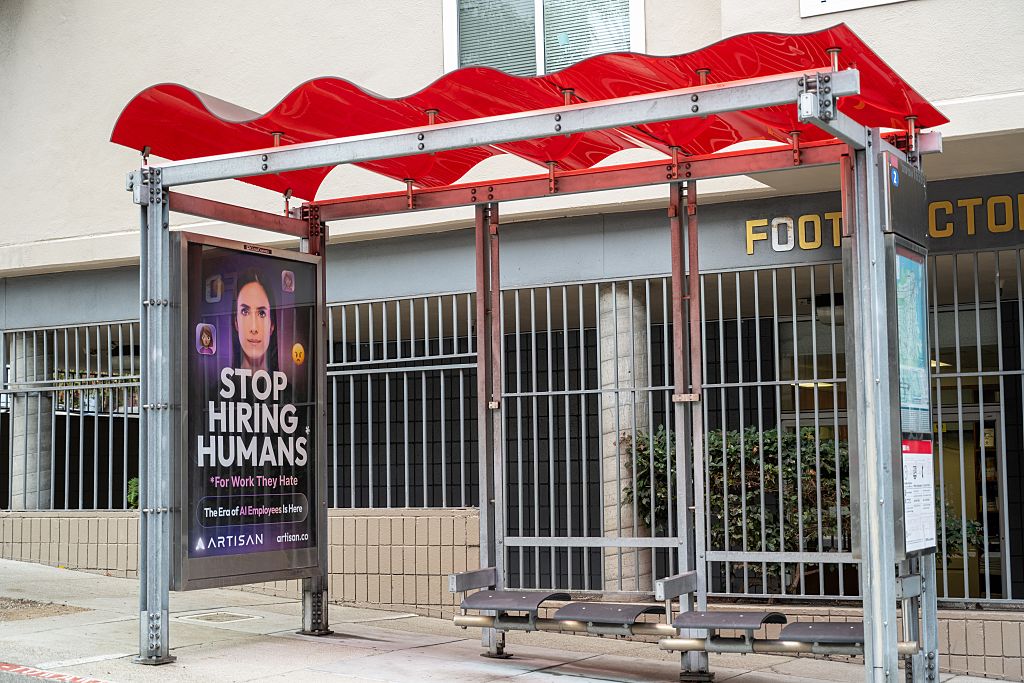
A prominent digital artist, KC Green, has publicly accused the artificial intelligence startup Artisan of unauthorized use and modification of his globally recognized "This is Fine" comic. This alleged intellectual property infringement stems from a marketing campaign by Artisan, which reportedly features a derivative of Green’s celebrated artwork in an advertisement for its AI business development representatives. The incident casts a spotlight on the escalating tensions between content creators and the burgeoning AI industry, particularly concerning the ethical sourcing and commercial exploitation of digital art.
The Allegation Unfolds
The controversy gained traction following a social media post showcasing an advertisement displayed in a subway station. This promotional material depicted an anthropomorphic dog, strikingly similar to Green’s creation, seated amidst flames. However, the original speech bubble, which famously reads, "This is fine," was altered to state, "My pipeline is on fire." An accompanying overlaid message urged commuters to "Hire Ava the AI BDR," directly promoting Artisan’s automated sales solution.
Upon learning of the advertisement, Green expressed profound dismay, asserting through his social media channels that the use of his art was entirely unsanctioned. He clarified that he had not granted any permission for its incorporation into Artisan’s campaign and characterized the act as theft, drawing a parallel to the broader concerns surrounding AI’s appropriation of creative works. In a powerful demonstration of his frustration, Green even encouraged his followers to deface the advertisements if encountered. His stance highlights a growing sentiment among artists who feel their creative output is being exploited without consent or compensation by entities leveraging advanced technology.
Artisan AI’s Response
In the wake of Green’s public statements, Artisan AI swiftly acknowledged the matter. In an email communication, a company representative conveyed respect for Green and his body of work, indicating an intention to engage directly with the artist. A subsequent update from Artisan confirmed that a meeting had been scheduled with Green to discuss the situation, suggesting an attempt to resolve the dispute amicably. The nature of these discussions and their potential outcome remain undisclosed, but the prompt corporate response underscores the immediate public relations and legal implications of such allegations in the digital age.
The "This is Fine" Phenomenon: A Cultural Icon
To fully grasp the magnitude of this dispute, it is essential to understand the cultural phenomenon that is the "This is Fine" meme. The two-panel comic, originally published in KC Green’s webcomic Gunshow in 2013, depicts a canine character calmly sipping coffee in a burning room, uttering the now-iconic phrase. Its deceptive simplicity and profound irony quickly resonated with internet users worldwide, transcending its original context to become a pervasive symbol of denial, stoicism, or feigned composure in the face of overwhelming adversity or chaos.
- Origin and Evolution: The comic first appeared in Green’s Gunshow series, which explored a range of quirky and often absurd scenarios. Its initial popularity was organic, spread by internet users who found its depiction of cognitive dissonance universally applicable. From political crises and economic downturns to personal setbacks and everyday anxieties, the meme has served as a poignant, often self-deprecating, commentary on an array of challenging situations.
- Cultural and Social Impact: Over the past decade, "This is Fine" has solidified its place as one of the most enduring and recognizable internet memes. Its widespread adoption across social media platforms, news articles, and casual conversations reflects its versatility and continued relevance. It functions not merely as a humorous image but as a cultural shorthand for expressing a particular emotional state, making it a powerful tool for communication and social commentary. This ubiquity, however, also complicates the issue of control and ownership, as the meme has, in many respects, taken on a life of its own, far removed from its creator’s initial intent.
- Artist’s Relationship with His Creation: While Green acknowledges the meme’s widespread appeal and has even engaged with it himself—including developing a video game based on the concept—he has also expressed discomfort with its unbridled use, particularly when it ventures into commercial territory without his consent. The distinction between organic, non-commercial virality and deliberate, profit-driven appropriation lies at the heart of the current legal and ethical debate. For artists, the ability to control how their work is used, especially when it generates revenue for others, is a fundamental aspect of intellectual property rights.
Broader Landscape of AI and Copyright Challenges
The incident involving KC Green and Artisan AI is not an isolated event but rather a microcosm of a much larger, complex, and rapidly evolving legal and ethical landscape at the intersection of artificial intelligence and intellectual property. The past few years have witnessed an explosion in generative AI technologies, capable of creating text, images, audio, and video with unprecedented sophistication. These systems are typically trained on vast datasets of existing content, much of which is copyrighted.
- Training Data and Fair Use: A central point of contention revolves around the legality of using copyrighted material as training data for AI models. AI companies often argue that this constitutes "fair use" under copyright law, akin to a human artist learning from existing works. However, many artists and copyright holders contend that the wholesale ingestion of their work, without permission or compensation, for the purpose of generating new, often commercial, content is a clear infringement. This debate is currently being litigated in numerous high-profile class-action lawsuits brought by artists, writers, and photographers against major AI developers.
- Ethical Considerations and Artist Livelihoods: Beyond the legal arguments, there are significant ethical and economic concerns. Artists fear that AI-generated content, often produced at a fraction of the cost and time, could devalue human creativity, diminish opportunities for artists, and fundamentally alter the creative industries. The ability of AI to mimic distinct artistic styles also raises questions about stylistic copyright and the unique identity of an artist’s work.
- The Problem of Attribution and Consent: In many instances, the provenance of AI-generated content is obscure, making it difficult to trace the original sources of inspiration or "training." This lack of transparency undermines traditional notions of attribution and consent, which are cornerstones of intellectual property law.
Precedent and Previous Battles for Meme Control
KC Green’s current predicament is not unprecedented. Artists whose creations have achieved meme status have previously navigated the complex terrain of public ubiquity versus commercial exploitation. One of the most notable cases involved cartoonist Matt Furie and his character, Pepe the Frog.
Pepe the Frog, originally a benign character from Furie’s 2008 comic Boy’s Club, gained widespread internet fame but was subsequently co-opted and tragically weaponized by various extremist groups, particularly during the 2016 U.S. presidential election. Furie actively fought to reclaim his character’s image, initiating legal action against entities that commercially or politically exploited Pepe without his permission. A significant victory came when Furie successfully sued Infowars, the far-right conspiracy theory website, for its unauthorized use of Pepe in a poster. The case ultimately resulted in a settlement, demonstrating that artists can indeed defend their intellectual property, even when their creations have become deeply ingrained in internet culture. This precedent offers a potential pathway for Green, highlighting that while memes may feel like public domain, their original creators often retain significant legal rights.
Artisan AI’s Prior Controversies and Marketing Strategy
This current dispute is not the first time Artisan AI has attracted controversy with its marketing tactics. The company previously garnered attention for its provocative billboard campaigns, which featured slogans such as "Stop hiring humans." These advertisements sparked public debate and criticism, with many interpreting them as a direct threat to human employment and a sign of Silicon Valley’s perceived disregard for human workers.
Artisan’s founder and CEO, Jaspar Carmichael-Jack, defended the "Stop hiring humans" campaign by clarifying that the message was intended to target "a category of work" rather than "humans at large," specifically referring to repetitive, administrative tasks that AI could automate. While this explanation aimed to mitigate the backlash, it underscored a bold, arguably aggressive, marketing strategy designed to capture attention and challenge conventional thinking. The current alleged appropriation of Green’s "This is Fine" meme, even if framed as a creative homage by Artisan, could be viewed by some as consistent with a pattern of marketing that pushes boundaries, potentially overlooking ethical or legal sensitivities in pursuit of maximum impact.
The Artist’s Stance and the Burden of Legal Action
For KC Green, the alleged infringement represents more than just a commercial grievance; it embodies a profound emotional and professional challenge. He openly articulated the disheartening reality of having to divert his energy from his creative passions to pursue legal recourse. The prospect of navigating the complexities of the American legal system is, for many independent artists, a daunting and financially burdensome endeavor.
Despite the personal toll, Green expressed a firm resolve to seek legal representation. His candid statement, labeling those who exploit original content without thought as "no-thought A.I. losers" and emphasizing that "memes just don’t come out of thin air," powerfully articulates the artist’s demand for respect and recognition. It highlights the fundamental truth that even the most viral digital content originates from human creativity, skill, and effort, which deserves protection and fair compensation.
Market and Industry Implications
The ongoing conflict between artists and AI companies carries significant implications for various stakeholders across the market and industry.
- For AI Startups: This case serves as a critical reminder for AI companies about the imperative of ethical conduct and legal compliance. The rapid pace of technological innovation must be balanced with respect for existing intellectual property laws. Ignoring these considerations risks not only costly legal battles but also significant reputational damage, which can deter investment, partnerships, and user adoption. Developing clear guidelines for data sourcing, obtaining proper licenses, and establishing transparent attribution mechanisms will be crucial for the sustainable growth of the AI industry.
- For Artists and Creators: The "This is Fine" incident, alongside other similar disputes, underscores the urgent need for robust legal frameworks and enforcement mechanisms that protect artists in the digital age. It empowers creators to defend their rights and highlights the collective power of the artistic community to advocate for fair treatment. However, it also exposes the unequal playing field, where individual artists often face resource-rich tech companies, making collective action or specialized legal aid increasingly vital.
- Broader Market Shift: This saga is symptomatic of a larger paradigm shift, where traditional notions of ownership and creation are being challenged by new technologies. The market is witnessing a growing tension between the desire for open access to data for AI training and the rights of creators to control and profit from their original works. How these conflicts are resolved will undoubtedly shape the future economic models for creative industries, the development trajectory of AI, and the legal landscape of intellectual property for decades to come.
The resolution of the dispute between KC Green and Artisan AI will not only impact the parties directly involved but will also contribute to the evolving dialogue on how human creativity and artificial intelligence can coexist, compete, and potentially collaborate in a manner that is both innovative and equitable.