Amir Mahmud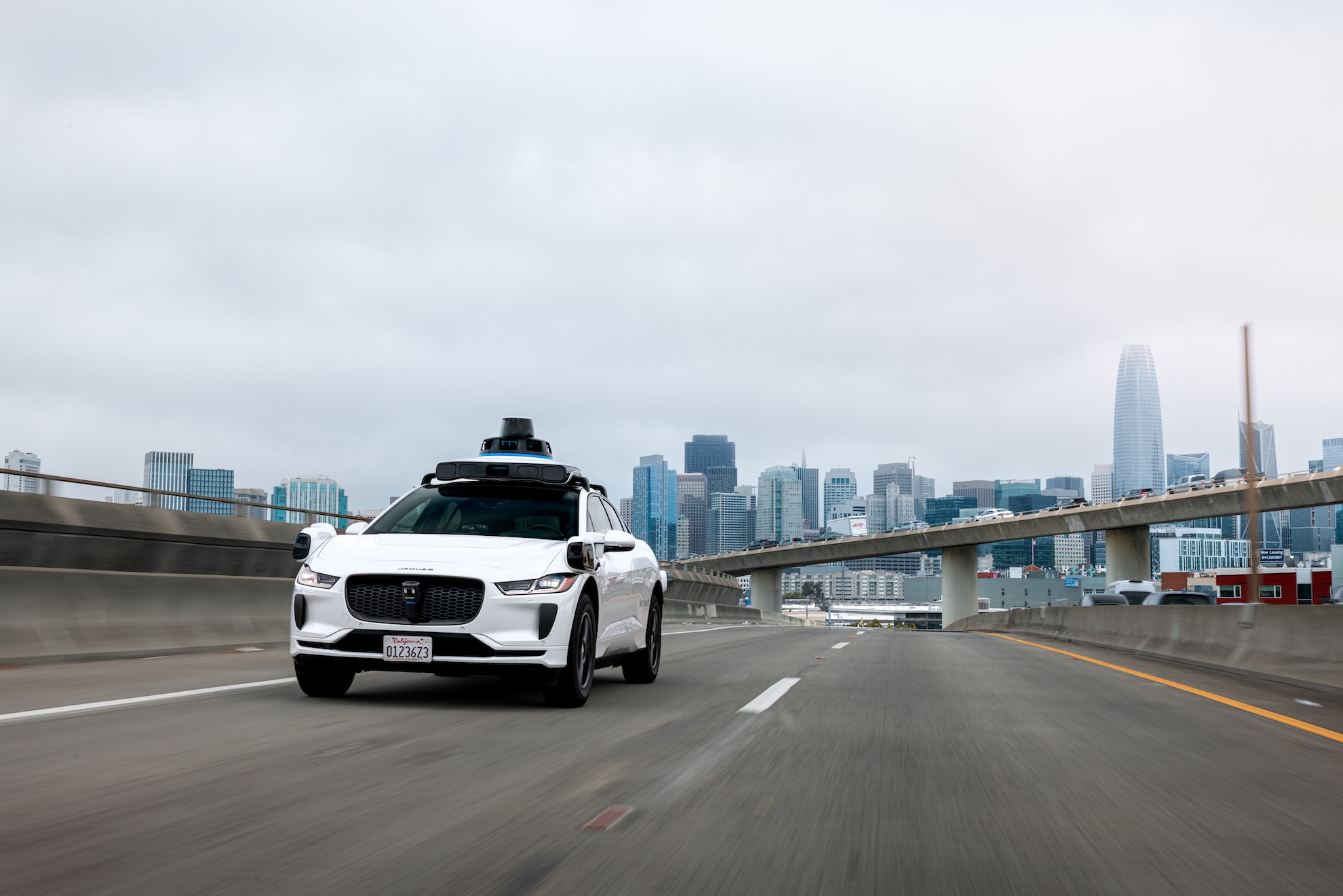
California’s Department of Motor Vehicles (DMV) has introduced a comprehensive set of new regulations governing the testing and deployment of autonomous vehicles (AVs) within the state. These rules, spanning a combined 100 pages, signify a pivotal moment in the evolution of self-driving technology, establishing more robust requirements for data collection, operational standards, and accountability. The move comes as California, a global epicenter for technological innovation, grapples with the complexities of integrating advanced robotics into its public infrastructure, balancing the promise of future mobility with paramount concerns for public safety and regulatory oversight.
A Pioneering State’s Evolving Stance on Autonomy
California has long been at the forefront of the autonomous vehicle revolution, serving as a critical testing ground for many leading AV developers. The state’s unique combination of diverse urban and rural environments, a tech-savvy population, and a progressive regulatory environment initially fostered rapid innovation. Early regulations, often seen as foundational, allowed companies to test their self-driving prototypes on public roads with certain stipulations, primarily focusing on the presence of safety drivers and basic reporting. However, as AV technology matured and moved from limited testing to broader commercial deployment, particularly in dense urban centers like San Francisco, the limitations of these initial frameworks became increasingly apparent.
Public discourse around autonomous vehicles has intensified, fueled by both awe at their capabilities and concern over occasional operational mishaps. High-profile incidents involving AVs, such as unexpected stops, minor collisions, or interference with emergency services, have underscored the urgent need for a more sophisticated regulatory approach. These events, while sometimes minor in isolation, collectively raised questions about liability, operational consistency, and the appropriate level of human oversight in a driverless world. The new DMV rules are a direct response to this evolving landscape, reflecting a shift from enabling experimentation to ensuring responsible, accountable, and safe commercial operation. By setting stringent standards, California aims to solidify its role not just as an innovator, but as a leader in creating a sustainable regulatory model for autonomous transportation that other jurisdictions might emulate.
Accountability in the Age of Autonomy: Ticketing the Robotaxi
One of the most striking elements of the new regulations is the provision addressing traffic violations committed by autonomous vehicles. Under a rule termed "Notice of Autonomous Vehicle Noncompliance," law enforcement agencies are now empowered to issue citations directly to the AV companies responsible for the vehicles, rather than to a non-existent human driver. This represents a significant paradigm shift in legal and operational responsibility, transferring accountability from an individual operator to the corporate entity that designed, deployed, and operates the autonomous system. Upon receiving such a notice, the AV manufacturer is mandated to report the violation to the DMV within 72 hours.
Industry insiders note that, currently, these violations do not carry monetary fines. Instead, they function primarily as actionable data points for the DMV. This data is intended to help regulators identify recurring issues, track performance trends, and intervene if a particular company’s vehicles demonstrate a pattern of non-compliance or safety concerns. While some might question the lack of immediate financial penalty, the collection of this data is arguably more impactful in the long run. Consistent violations could lead to more severe consequences, including operational restrictions, permit suspensions, or even the revocation of testing and deployment licenses. This framework underscores the DMV’s strategic intent to prioritize systemic safety improvements over punitive measures for individual incidents, aiming to foster a culture of continuous improvement and responsible development within the autonomous vehicle industry. The implication is clear: every operational anomaly contributes to a comprehensive performance record that could ultimately dictate an AV company’s ability to operate in the state.
Opening the Road for Heavy-Duty Autonomous Vehicles
Beyond passenger robotaxis, the new regulations also mark a significant expansion by permitting heavy-duty vehicles equipped with autonomous technology to test and eventually deploy on public roads. This particular development has been met with considerable enthusiasm from the self-driving truck sector, which sees immense potential for transforming the logistics and supply chain industries. Companies like Kodiak, a prominent developer in autonomous trucking, have already expressed their readiness to prepare the necessary documentation to apply for permits under these new guidelines.
The integration of autonomous heavy-duty vehicles could bring substantial economic and social benefits. Automated trucks have the potential to operate for longer hours with fewer breaks, potentially increasing efficiency and speed in freight transport. Furthermore, proponents argue that AV technology could enhance safety on highways by reducing accidents caused by human error, fatigue, or distraction. The trucking industry faces ongoing challenges related to driver shortages and rising operational costs, and autonomous solutions are seen by many as a viable path to address these pressures. However, the deployment of large, self-driving trucks also introduces new considerations, including public perception, the need for specialized infrastructure, and potential impacts on employment within the traditional trucking sector. California’s decision to greenlight this segment of AV development positions it as a key arena for demonstrating the practical viability and safety of autonomous freight transport, potentially paving the way for wider adoption across the nation.
The Burden of Transparency: Data Collection and Reporting
While some aspects of the new regulations are welcomed, a recurring sentiment among AV industry professionals is that the new data collection and sharing requirements are "burdensome." This concern reflects the significant resources—both financial and human—that companies must allocate to comply with the heightened demands for transparency. Detailed operational data, performance metrics, and incident reports must now be meticulously collected, processed, and submitted to the DMV. For startups and even larger companies, this can translate into substantial engineering and compliance overhead.
From the regulators’ perspective, however, this increased data flow is indispensable. With autonomous vehicles operating independently, the DMV needs comprehensive and standardized information to effectively monitor their performance, identify potential safety risks, and ensure adherence to operational guidelines. The collection of granular data allows for a proactive approach to regulation, enabling authorities to detect patterns of failure or non-compliance before they escalate into serious incidents. This tension between industry burden and regulatory necessity highlights a fundamental challenge in governing emerging technologies: how to foster innovation without compromising public safety. Striking the right balance is crucial for the sustainable growth of the AV sector, ensuring that companies can innovate while also providing the public and regulators with the necessary assurances of safety and reliability.
Evolution in Metrics: From Disengagement to System Failure
A notable change within the new rules is the abolition of annual "disengagement reports," which previously required companies to detail instances where a human safety driver had to take manual control of an autonomous vehicle. These reports had long been a point of contention within the industry and among analysts due to a lack of standardization. Companies often employed varying definitions and thresholds for what constituted a "disengagement," making it nearly impossible to compare the performance or proficiency of different AV systems accurately. This inconsistency undermined the reports’ utility as a reliable metric for evaluating safety or technological maturity.
The new regulations replace this with a requirement to report "dynamic driving task performance relevant system failure." While the phrase itself is technical, industry insiders suggest it represents a clearer, albeit not universally beloved, metric. The intent behind this change is to focus on genuine system failures that directly impact the vehicle’s ability to perform its autonomous driving tasks safely, rather than on every instance a human might intervene. This shift aims to provide a more objective and standardized measure of an AV system’s reliability and its capacity to handle complex driving scenarios without critical errors. However, defining "system failure" precisely and ensuring consistent reporting across diverse companies will remain an ongoing challenge. The goal is to move towards a data framework that offers a more accurate reflection of a vehicle’s autonomous capabilities, fostering greater transparency and enabling more meaningful comparisons across the industry.
Ensuring Emergency Preparedness and Public Interaction
Beyond the technical aspects of AV operation and reporting, the new regulations place significant emphasis on public safety and emergency response. AV companies are now mandated to provide annual updates to their first responder interaction plans, ensuring that police, firefighters, and paramedics are equipped with the knowledge and tools to safely interact with autonomous vehicles in emergency situations. This includes clear protocols for accessing manual vehicle override systems and establishing two-way communication links with a maximum response time of 30 seconds.
These requirements are critical for building public trust and ensuring seamless integration of AVs into existing urban and rural environments. Imagine a scenario where an autonomous vehicle is involved in an accident or experiences a critical malfunction: first responders need immediate, reliable access to control the vehicle, shut it down, or communicate with a remote operator. The 30-second response time for communication links underscores the need for real-time human support and intervention capabilities, acknowledging that even the most advanced AI systems may encounter unforeseen circumstances. Updated training requirements for first responders are equally vital, ensuring they understand the unique characteristics of AVs, such as how to identify them, disable them safely, and extract occupants without inadvertently compromising the vehicle’s systems or their own safety. These measures collectively aim to create a robust safety net, addressing the practical challenges of interacting with driverless technology in high-stakes situations.
Broader Market Trends and Global Parallels
California’s regulatory advancements occur within a dynamic global landscape for autonomous mobility. The state’s efforts to refine its framework stand in contrast to approaches seen elsewhere, such as China’s recent decision to suspend issuing new licenses for autonomous vehicles following incidents involving Baidu’s Apollo Go robotaxis. This highlights the varying speeds and methodologies with which different nations are approaching AV integration, often driven by local incidents and regulatory philosophies. While California seeks to tighten its existing framework, China’s move suggests a more cautious, pause-and-evaluate stance after operational challenges.
Concurrently, investment in the mobility sector continues to evolve, as evidenced by BMW i Ventures launching a new $300 million fund explicitly targeting AI’s transformative role in the automotive industry. This reflects a broader recognition that AI is not merely an enhancement but a foundational technology reshaping vehicle design, manufacturing, and operational intelligence, particularly for autonomous systems. The market is also seeing strategic partnerships aimed at supporting the burgeoning robotaxi ecosystem, with Uber tapping Hertz for maintenance, cleaning, and charging of its Lucid Motors robotaxis, illustrating the complex web of services required to operate these fleets. Meanwhile, companies like Vay are scaling remote driving solutions, and Uber is expanding its platform into tangential services like hotel bookings, signaling a broader vision for integrated mobility and lifestyle services that autonomous technology could eventually underpin.
The electric vehicle (EV) sector, which often converges with autonomous development, also continues to adapt. Rivian’s downsizing of its Department of Energy loan and adjustments to its Georgia factory plans indicate a market "rightsizing" in response to current EV demand and production realities. Similarly, Tesla’s launch of a Semi-Charging for Business program underscores the infrastructure development necessary for heavy-duty electric and, eventually, autonomous transport. These parallel developments highlight the multifaceted nature of the mobility revolution, where regulatory frameworks, technological innovation, and market dynamics are constantly interacting and shaping the future of how we move people and goods.
The Path Forward: Balancing Innovation and Safety
The new regulations from the California DMV represent a crucial step in the ongoing journey to integrate autonomous vehicles safely and effectively into society. By imposing more stringent data collection requirements, clarifying accountability for traffic violations, opening the door for autonomous heavy-duty vehicles, and enhancing emergency response protocols, California is attempting to strike a delicate balance. The goal is to foster continued innovation in the AV sector while simultaneously safeguarding public interest and building trust in this transformative technology.
The "burdensome" nature of some regulations, as perceived by the industry, is an inevitable consequence of moving from experimental development to widespread commercial deployment. As autonomous systems become more sophisticated and their presence on public roads expands, so too must the regulatory mechanisms designed to ensure their safe operation. California’s actions will undoubtedly serve as a critical reference point for other states and federal agencies contemplating their own AV policies. The success of these regulations will ultimately be measured by their ability to cultivate a robust and safe autonomous vehicle ecosystem, demonstrating that advanced technology can coexist harmoniously with public safety and regulatory oversight. The journey towards fully autonomous transportation is complex, and these new rules signify a maturing approach to navigating its intricate challenges.