Amir Mahmud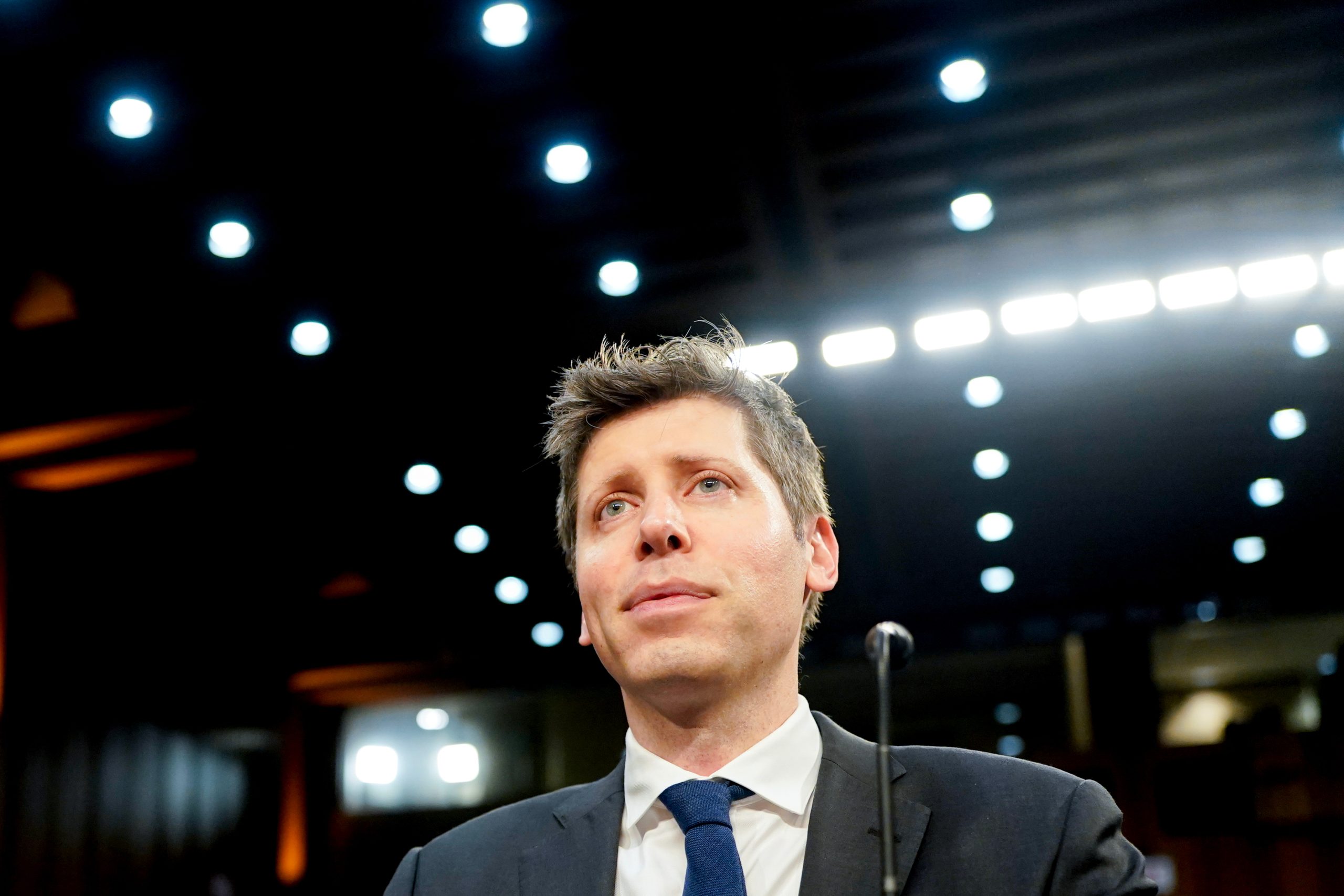
A pivotal legal confrontation is unfolding in the tech world, centering on a dispute between two of artificial intelligence’s most influential figures: Elon Musk and Sam Altman, CEO of OpenAI. The courtroom proceedings, which have seen Musk recently take the stand for multiple days, are revealing a complex tapestry of internal communications, strategic shifts, and deep-seated disagreements over the fundamental direction of one of the world’s leading AI research organizations. At the heart of Musk’s lawsuit against OpenAI lies the assertion that the company, under Altman’s leadership, deviated from its original charitable mission by transitioning to a for-profit structure, thereby betraying the altruistic principles upon which it was founded and funded.
The Genesis of an AI Powerhouse
To understand the current legal battle, it’s crucial to revisit the origins of OpenAI. Founded in December 2015, OpenAI emerged from a collective vision shared by prominent figures in the tech and AI spheres, including Elon Musk, Sam Altman, Ilya Sutskever, Greg Brockman, and others. Their stated mission was ambitious and noble: to "ensure that artificial general intelligence (AGI) benefits all of humanity." This commitment was rooted in a profound concern that advanced AI, if left unchecked or controlled by a single entity, could pose existential risks or consolidate power in undesirable ways. The founders aimed to counter this by developing AGI in a way that was "safe and broadly beneficial," promoting open research and preventing the concentration of power.
Musk, a vocal proponent of AI safety and a significant early investor, played a crucial role in the company’s inception, contributing substantial initial capital—reportedly tens of millions of dollars—and leveraging his considerable influence to attract top talent. The initial structure was a non-profit entity, explicitly designed to prioritize the public good over financial returns. This structure was seen as a safeguard, ensuring that breakthroughs in AGI would be shared openly and guided by ethical considerations rather than commercial imperatives. The early days were characterized by a spirit of collaborative research and a shared belief in the importance of responsible AI development.
A Pivotal Shift: From Nonprofit to Profit-Capped
The landscape of AI development, however, proved to be far more capital-intensive than initially anticipated. Training advanced AI models required astronomical computing power, vast datasets, and the continuous recruitment of highly specialized and expensive researchers. By 2019, it became evident to OpenAI’s leadership that the non-profit model, reliant on donations and philanthropic grants, was insufficient to compete with the vast resources being poured into AI research by tech giants like Google and Meta.
In a controversial move, OpenAI established a "capped-profit" subsidiary, OpenAI LP, in March 2019. This new entity was designed to attract significant external investment by offering investors a capped return on their capital, while still nominally upholding the original mission. The non-profit parent company retained control of the for-profit arm, ostensibly to ensure that the mission remained paramount. This restructuring was presented as a necessary evil, a pragmatic step to secure the funding required to pursue AGI development at the necessary scale and pace.
Shortly after this pivotal restructuring, Microsoft made a substantial multi-billion dollar investment in OpenAI, solidifying a strategic partnership that granted Microsoft exclusive licensing rights to OpenAI’s advanced models for its cloud services. This infusion of capital propelled OpenAI into a new era of rapid development, culminating in the public release of ChatGPT in late 2022, a product that swiftly became a global phenomenon and dramatically accelerated the public’s awareness and adoption of generative AI. While this partnership provided the financial backbone OpenAI needed, it also raised questions about the true independence of the organization and the extent to which commercial interests might now influence its strategic direction.
Musk’s Allegations: A Betrayal of Foundational Principles
Elon Musk’s lawsuit, filed earlier this year, directly challenges the legitimacy of this transition and its consequences. His core argument is that the shift to a for-profit model, particularly with Microsoft’s deep involvement, fundamentally violated the founding agreement and the spirit of the non-profit charter. Musk contends that OpenAI was established on a promise to develop AGI for the benefit of humanity, openly and without commercial motives, and that this promise was systematically broken.
During his testimony, Musk reportedly presented evidence, including emails, text messages, and even his own public social media posts from the early days, to underscore his claim that the original intention was unequivocally non-commercial. He has repeatedly emphasized his belief that the company, in its current form, has effectively become a for-profit entity primarily serving Microsoft’s interests, rather than a neutral force for global good. His legal team is arguing that his initial financial contributions and collaborative efforts were predicated on the understanding that OpenAI would remain a non-profit dedicated to an open-source approach, a commitment he alleges has been abandoned. Musk’s often-quoted sentiment, "You can’t steal a charity," encapsulates his view that the organization’s mission has been unlawfully diverted for private gain. He further argues that his early financial and intellectual contributions were misappropriated when the company pivoted to a commercial model, effectively stripping the original non-profit of its most valuable assets – its research and intellectual property.
The Courtroom Unfolds: Testimony and Evidence
The ongoing legal proceedings are delving into the intricate details of OpenAI’s internal communications and decision-making processes. Musk’s testimony, which spanned several days, focused on establishing the original intent and the perceived breach of trust. The court is scrutinizing historical documents, private correspondence, and public statements to piece together the narrative of OpenAI’s evolution. This includes examining the nuances of early agreements, funding proposals, and the evolving understanding among the founders regarding the organization’s long-term trajectory.
The next phases of the trial are anticipated to bring other key figures to the witness stand, including Sam Altman, OpenAI’s current CEO, and potentially other co-founders and early investors. Their testimonies are expected to offer a counter-narrative, likely emphasizing the practical necessities that led to the restructuring. They may argue that the for-profit model, with its capped returns, was the only viable path to secure the immense resources needed to pursue AGI effectively, thereby serving the "benefit of humanity" by accelerating its safe development. The defense will likely highlight the safeguards in place to ensure the non-profit parent’s control and the commitment to safety research. The outcome of these testimonies, and the interpretation of the evidence by the court, will be crucial in determining the legal merits of Musk’s claims.
Beyond the Legal Battle: The Broader Stakes for AI
This lawsuit transcends a mere personal feud or a corporate governance dispute; it represents a significant legal and ethical battle over the soul and future direction of artificial intelligence. Its ramifications could extend far beyond OpenAI, potentially influencing how future AI research initiatives are structured, funded, and governed.
Market Dynamics and Ethical Dilemmas:
The legal challenge casts a spotlight on the intense competition within the AI industry, where the race for AGI is driven by staggering investments and strategic partnerships. OpenAI’s market valuation, propelled by its innovative products like ChatGPT, has soared, making it one of the most valuable private companies globally. The lawsuit could introduce uncertainty into this booming market, potentially affecting investor confidence and the valuation of other AI startups. It also highlights the tension between the idealistic pursuit of "AI for good" and the capitalist imperative for growth and returns. Companies like Google, Meta, and Anthropic, along with Musk’s own xAI, are all vying for leadership in this transformative field, often facing similar pressures regarding funding, talent, and ethical development. The outcome of this case could set precedents for how intellectual property developed under a non-profit umbrella is treated when commercial interests emerge.
Social and Cultural Impact:
Public perception of AI is heavily influenced by the actions and stated missions of its leading developers. This lawsuit brings to the forefront critical questions about trust, transparency, and accountability in AI development. If the court finds that OpenAI deviated from its founding principles, it could erode public trust in the altruistic claims of other tech companies and philanthropic initiatives. It forces a societal conversation about what it truly means for AGI to "benefit all of humanity" and whether that goal can realistically be achieved within a profit-driven framework. The debate over open-source versus proprietary AI also gains renewed prominence, as Musk’s original vision leaned towards an open, shared approach, which he argues was abandoned for a closed, proprietary model.
The Future of AI Governance:
The legal battle also underscores the nascent and complex field of AI governance. As AI capabilities advance, there is a growing global discussion about the need for robust regulatory frameworks, ethical guidelines, and international cooperation. This lawsuit, by probing the internal mechanisms and mission changes of a leading AI entity, could inform future discussions around how to ensure AI development remains aligned with societal well-being. It might prompt greater scrutiny from governments and regulatory bodies regarding the corporate structures, funding models, and ethical commitments of AI companies, potentially leading to new legislation or oversight mechanisms designed to safeguard the public interest in the age of AGI.
In conclusion, the legal showdown between Elon Musk and OpenAI is more than a personal vendetta; it is a profound examination of the promises and pitfalls inherent in the pursuit of artificial general intelligence. As the courtroom drama continues to unfold, exposing intricate details of OpenAI’s journey from a non-profit ideal to a profit-capped titan, the entire tech world watches closely. The verdict will not only determine the fate of a specific legal claim but could also profoundly influence the ethical trajectory, market dynamics, and governance models of the rapidly evolving AI landscape for years to come.