 Amir Mahmud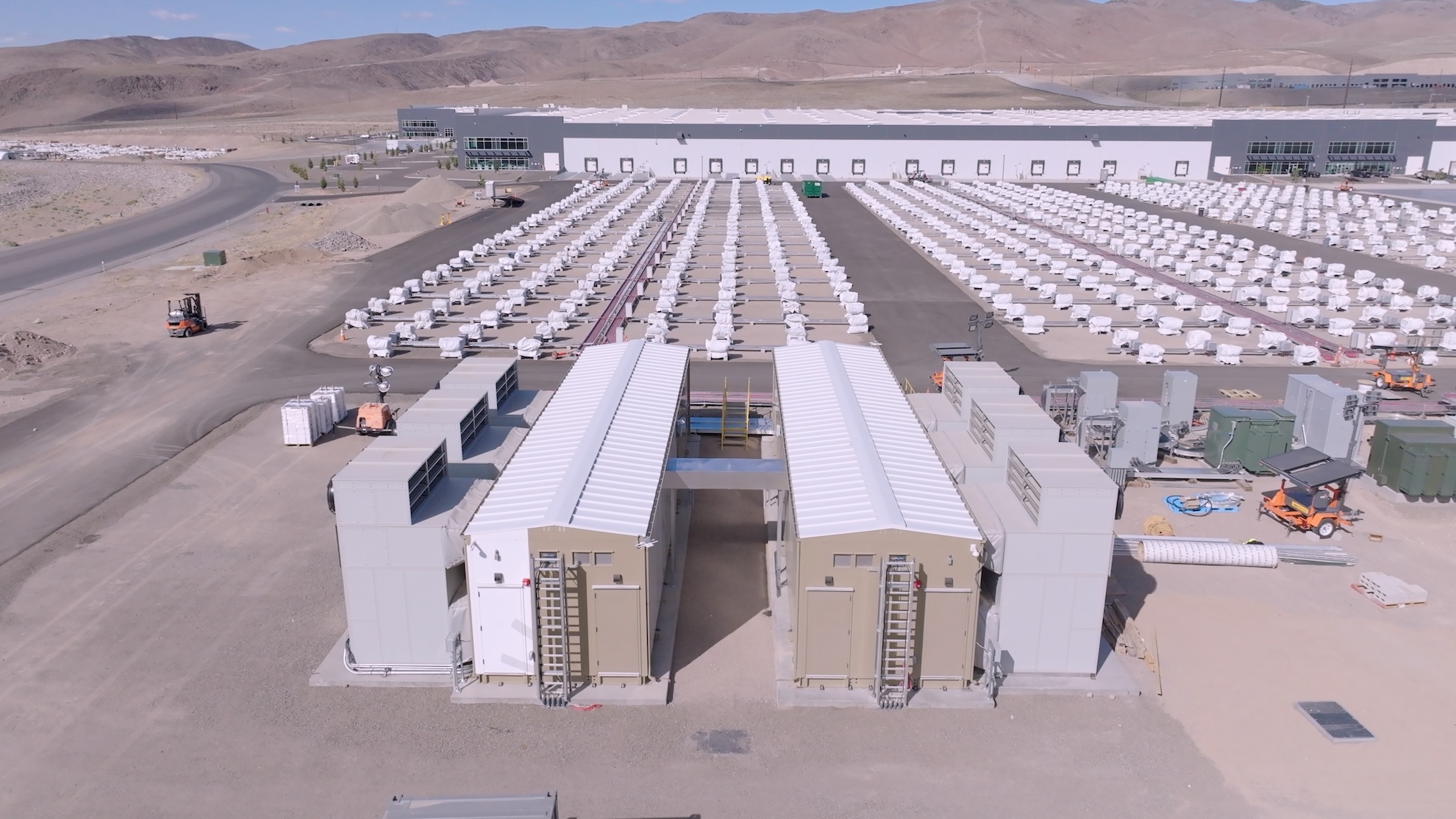
A prominent player in the venture capital and hedge fund landscape, Coatue Management, is embarking on an ambitious new strategy to capitalize on the burgeoning artificial intelligence sector. Moving beyond its substantial equity holdings in leading AI innovators such as Anthropic, OpenAI, and xAI, and investments in specialized data center operators like DayOne and CoreWeave, the firm has unveiled a novel initiative aimed at generating returns from the physical infrastructure underpinning the AI revolution. This strategic expansion involves the launch of a new venture, tentatively named Next Frontier, which intends to acquire extensive parcels of land situated strategically near robust power sources, with the explicit goal of developing them into high-capacity data centers.
The move underscores a growing recognition within the investment community that the "picks and shovels" of the AI gold rush—namely, the colossal compute power and the facilities housing it—represent a distinct and lucrative investment avenue. This approach aims to secure critical resources that are becoming increasingly scarce as the demand for AI processing capabilities escalates exponentially.
The Genesis of AI Infrastructure Demand
The current surge in data center construction is a direct consequence of the unprecedented growth in artificial intelligence, particularly generative AI models. These sophisticated algorithms, which power applications ranging from natural language processing to advanced image generation, require immense computational resources for both their training and inference phases. Training a single large language model can consume energy equivalent to powering thousands of homes for an extended period, necessitating vast arrays of specialized graphics processing units (GPUs) and a robust, always-on infrastructure to support them.
Historically, data centers evolved from simple server rooms in the early days of computing to massive, purpose-built facilities designed to house the internet’s backbone. The dot-com boom of the late 1990s and early 2000s spurred the first wave of large-scale data center development, primarily focused on web hosting and enterprise applications. The subsequent rise of cloud computing, spearheaded by companies like Amazon Web Services (AWS), Microsoft Azure, and Google Cloud, transformed the industry, consolidating computing resources into hyperscale data centers that offered flexibility and scalability. Today, the AI era is ushering in a third, even more demanding phase, characterized by an insatiable hunger for power, cooling, and space.
This escalating demand has transformed data centers from mere utilities into strategic assets, essential for national competitiveness and technological advancement. The sheer scale of operations required for modern AI models has led to a critical bottleneck: the availability of suitable land with access to reliable, high-capacity electrical grids and robust fiber optic networks.
Coatue’s Strategic Pivot and Next Frontier
Coatue Management, known for its shrewd investments in disruptive technology companies, appears to be adopting a vertically integrated strategy with Next Frontier. By controlling the physical real estate and infrastructure development, the firm could potentially gain a significant advantage, ensuring preferential access or more favorable terms for its portfolio companies, such as Anthropic, or even for other leading AI developers. This strategy could also serve as a hedge against the volatile nature of software-centric AI investments, providing a more tangible, asset-backed return stream.
Reports indicate that Next Frontier has already solidified a joint venture with Fluidstack, a cloud infrastructure startup. Fluidstack itself has recently made headlines for securing a colossal $50 billion agreement to construct data centers specifically for Anthropic, one of the leading developers of advanced AI models like Claude. This partnership signals a direct pipeline for Next Frontier’s developed sites, potentially ensuring immediate tenants for the high-demand facilities and validating Coatue’s proactive real estate acquisition approach. While Coatue has remained publicly silent on the specifics of this venture, the market implications are substantial.
The decision to invest heavily in physical infrastructure represents a notable diversification for Coatue. Venture capital firms typically focus on software, intellectual property, and human capital, rather than capital-intensive real estate and power grid projects. This pivot highlights the foundational shift occurring in the technology landscape, where the underlying physical layer is becoming as critical, if not more so, than the applications running on it.
The Land Rush: Locational Imperatives
The United States currently boasts over 3,000 operational data centers. However, this figure is rapidly expanding, with more than 1,500 new facilities reportedly in various stages of planning or construction. A significant trend observed by researchers, including Pew Research, indicates that a majority of these new developments are gravitating towards rural areas. This geographical shift is not coincidental; it is driven by several critical factors.
Rural locations often offer more readily available, larger parcels of land at comparatively lower costs than urban or suburban areas. Crucially, they also frequently provide access to underutilized segments of the national power grid, particularly those near existing power generation facilities or major transmission lines. Proximity to power is paramount for data centers, which are prodigious consumers of electricity. Furthermore, these areas may present fewer regulatory hurdles and less community opposition compared to densely populated regions.
However, developing in rural areas also presents challenges. While land might be cheaper, infrastructure for high-speed fiber optic connectivity, essential for data transmission, may need significant upgrades. Additionally, attracting and retaining the specialized workforce required to operate and maintain these complex facilities can be more difficult in remote locations. The environmental impact, particularly concerning water usage for cooling and the sheer energy demand, also becomes a significant consideration, often sparking local debates.
Economic and Environmental Ripples
The burgeoning data center industry carries substantial economic and environmental implications. Economically, the influx of these facilities can be a boon for rural communities, creating construction jobs initially, followed by a smaller but stable number of high-paying operational roles. Local tax revenues can increase significantly, funding public services and infrastructure improvements. The need for ancillary services, from security to maintenance, also stimulates local economies.
However, the rapid expansion is not without its environmental footprint. Data centers are notoriously energy-intensive, consuming vast amounts of electricity, often sourced from fossil fuels, contributing to carbon emissions. They also require substantial quantities of water for cooling systems, placing strain on local water resources, particularly in drought-prone regions. The industry is increasingly under pressure to adopt more sustainable practices, including leveraging renewable energy sources and implementing advanced cooling technologies that minimize water consumption. Many new data center projects now incorporate commitments to green energy, reflecting both corporate responsibility and a response to public and regulatory scrutiny.
The social impact can be mixed. While offering economic opportunities, the sheer scale and visual impact of large data center campuses can alter the character of rural landscapes. Concerns about noise pollution from cooling systems, increased traffic during construction, and the potential strain on local public services are common points of contention for residents.
The Broader Investment Landscape
Coatue’s foray into data center real estate is indicative of a broader trend attracting diverse investors. The "data center frenzy" has captivated financial giants and individual entrepreneurs alike. Blackstone, a global leader in alternative asset management, has been actively involved in financing major data center projects, recognizing the stable, long-term revenue streams these essential facilities can generate. Even figures like Kevin O’Leary from "Shark Tank" have reportedly engaged in data center financing, underscoring the widespread appeal of this infrastructure play.
This influx of capital reflects a fundamental belief that the demand for compute power will continue its relentless upward trajectory, driven not only by AI but also by the expansion of the Internet of Things (IoT), 5G networks, and increasingly complex digital services. Investors are betting on the foundational necessity of these digital factories, positioning themselves to profit from the essential infrastructure rather than solely the fluctuating fortunes of individual technology companies. This strategy often appeals to those seeking more predictable, asset-backed returns in a highly dynamic tech market.
Looking Ahead: Challenges and Opportunities
The path forward for ventures like Next Frontier is laden with both immense opportunity and significant challenges. The escalating cost of GPUs, the primary computational engines for AI, coupled with persistent supply chain issues, presents a considerable hurdle. Furthermore, securing reliable, affordable, and sustainable power sources will remain a critical, ongoing challenge. As AI models grow in complexity, their power demands are expected to continue climbing, potentially outstripping current grid capacities in many areas. Regulatory landscapes surrounding land use, environmental impact, and energy consumption could also evolve, adding layers of complexity to development projects.
Despite these challenges, the strategic importance of data centers in the AI era cannot be overstated. By investing directly in the physical backbone of artificial intelligence, firms like Coatue are not merely participating in the AI revolution; they are actively shaping its physical manifestation. This direct control over essential infrastructure could prove to be a crucial differentiator in a rapidly consolidating and increasingly competitive technological landscape. As the world becomes ever more reliant on sophisticated AI, the entities that control the fundamental compute resources will undoubtedly wield considerable influence over the future of technology and society.










 Azin Asro
