Amir Mahmud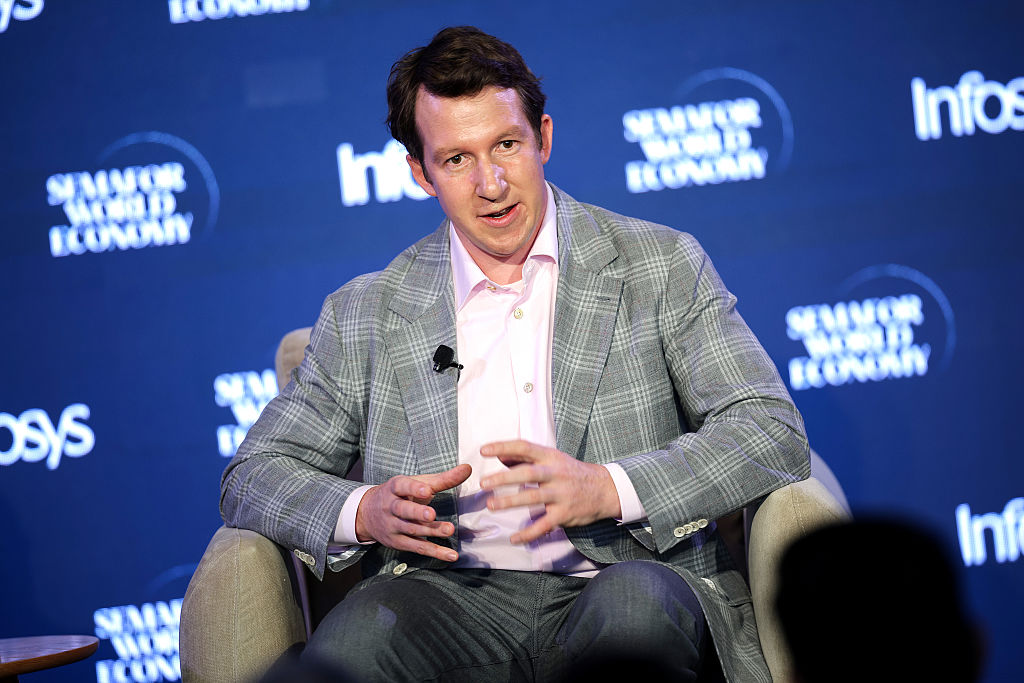
In a notable convergence of cutting-edge artificial intelligence development and high-stakes national security, Anthropic, a prominent AI research company, confirmed it provided the Trump administration with insights into its advanced Mythos model. This disclosure comes directly from Jack Clark, a co-founder and the Head of Public Benefit at Anthropic PBC, highlighting the intricate and often contradictory relationship between pioneering technology firms and governmental bodies. The confirmation, made during an interview at the Semafor World Economy summit, underscores the delicate balance companies like Anthropic must strike as their innovations increasingly touch upon critical societal and security domains.
Unveiling Mythos: A Model Too Potent for Public Release
The Mythos model itself sits at the forefront of AI capabilities, yet its inherent power is also the very reason for its restricted availability. Announced to be so advanced and potentially hazardous, particularly due to its formidable cybersecurity prowess, Mythos has been deliberately withheld from general public access. This decision reflects a growing concern within the AI community regarding the "dual-use" nature of sophisticated AI systems – technologies that can be leveraged for immense benefit but also carry significant risks if misused. The model’s capacity to perform highly complex cybersecurity tasks, from identifying vulnerabilities to potentially orchestrating sophisticated digital attacks or defenses, places it in a category demanding rigorous oversight and controlled deployment.
The concept of a "dangerous" AI model is not new but has gained increasing prominence with the rapid advancements in large language models and other generative AI. Researchers and ethicists grapple with the implications of systems that could autonomously generate highly persuasive misinformation, design novel bioweapons, or, in the case of Mythos, compromise critical digital infrastructure. Anthropic, founded by former OpenAI researchers who reportedly diverged over safety and ethical concerns, positions itself as a leader in "responsible AI" development. Its Public Benefit Corporation (PBC) structure legally obligates the company to consider societal impact alongside profit, providing a framework for decisions like the non-release of Mythos. This commitment to safety and public benefit is a defining characteristic of Anthropic, influencing its product development and its engagement with external stakeholders, including governments.
Navigating the Labyrinth of Government Relations
Clark’s revelation about briefing the Trump administration on Mythos gains further complexity when viewed against the backdrop of an ongoing legal dispute between Anthropic and the very government it seeks to inform. Just months prior, in March, Anthropic initiated a lawsuit against the Department of Defense (DOD), challenging the agency’s classification of the company as a "supply-chain risk." This designation, typically reserved for entities deemed to pose security threats to government procurement, signaled a significant rift in the relationship.
The core of the dispute revolved around the Pentagon’s desire for unfettered access to Anthropic’s AI systems for a range of military applications, including potential mass surveillance capabilities targeting American citizens and the development of fully autonomous weapons. Anthropic, consistent with its safety-first ethos, reportedly pushed back against such broad, unrestricted use, citing ethical concerns and the potential for misuse. This stance ultimately led to a competing AI firm, OpenAI, securing a similar contract with the Pentagon, indicating a divergence in how leading AI companies are willing to partner with defense agencies.
During the Semafor summit, Clark downplayed the legal confrontation, characterizing it as a "narrow contracting dispute." He articulated Anthropic’s overarching philosophy: "Our position is the government has to know about this stuff, and we have to find new ways for the government to partner with a private sector that is making things that are truly revolutionizing the economy, but are going to have aspects to them which hit National Security, equities, and other ones." This statement underscores the company’s belief in the necessity of collaboration with government, even amidst disagreements, particularly when the technology holds profound implications for national security. The paradox of suing and briefing simultaneously highlights the intricate and often challenging dance between private innovation and public interest, especially in the rapidly evolving landscape of advanced AI. It speaks to a corporate strategy that seeks to influence the regulatory and ethical discourse surrounding AI while also protecting its commercial interests and guiding the responsible deployment of its technology.
The Dual-Use Dilemma: AI, National Security, and Ethics
The engagement surrounding Mythos, particularly its cybersecurity capabilities, thrusts the dual-use dilemma of AI into sharp focus. Advanced AI models, by their very nature, possess capabilities that can be applied for both benevolent and malevolent purposes. A system capable of identifying and patching vulnerabilities with unprecedented speed could revolutionize cybersecurity defenses, protecting critical infrastructure from state-sponsored attacks or cybercriminals. Conversely, the same underlying technology could be weaponized to discover zero-day exploits or to develop highly sophisticated offensive cyber tools, escalating digital warfare to an unforeseen level.
The reports that Trump administration officials were actively encouraging major financial institutions – including Wall Street giants like JPMorgan Chase, Goldman Sachs, Citigroup, Bank of America, and Morgan Stanley – to test Mythos further illuminate the high-stakes environment surrounding this technology. The financial sector, a frequent target of cyberattacks, represents a critical national security interest. Equipping these institutions with advanced AI for defense could fortify the global economy against disruption. However, it also raises questions about the scope of testing, data security, and the potential for unintended consequences or vulnerabilities that such powerful tools might introduce. This pre-emptive engagement with the private sector reflects a government keen to understand and potentially harness emerging technologies, even those deemed too dangerous for general release, for strategic advantage.
Historically, the relationship between Silicon Valley and the Pentagon has been fraught with tension. Projects like Google’s Project Maven, which involved AI analysis of drone footage for the military, faced significant internal backlash from employees, leading Google to withdraw from the contract. These past events illustrate the cultural and ethical divides that often emerge when defense applications intersect with the ethos of tech companies, many of which champion open-source development and ethical AI principles. Anthropic’s current situation, simultaneously collaborating and litigating, reflects a more nuanced, perhaps more pragmatic, approach to navigating this complex landscape, acknowledging both the imperative of national security and the ethical boundaries of AI deployment.
Economic Upheaval: AI’s Shadow Over Employment and Education
Beyond the immediate national security implications, the interview with Jack Clark also delved into the broader societal impact of AI, particularly concerning employment and higher education – topics that resonate deeply with the public. The rapid acceleration of AI capabilities has ignited widespread debate about the future of work, with predictions ranging from mass unemployment to the creation of entirely new industries.
Anthropic CEO Dario Amodei previously voiced stark warnings, suggesting that AI’s advancements could lead to unemployment levels reminiscent of the Great Depression. This alarming projection stems from a belief in the extremely rapid and profound increase in AI’s power, far exceeding public expectations. Such predictions fuel anxieties about job displacement, especially in white-collar and knowledge-based sectors, which were once considered relatively immune to automation. AI systems are increasingly demonstrating proficiency in tasks traditionally requiring human cognitive abilities, from legal research and medical diagnostics to creative writing and software development.
Clark, while acknowledging the profound potential for disruption, offered a slightly more nuanced perspective. Leading a team of economists at Anthropic, he indicated that current observations suggest only "some potential weakness in early graduate employment" across specific, select industries. This early data points to a more gradual, perhaps localized, impact rather than an immediate, sweeping displacement across the entire workforce. Nevertheless, Clark emphasized that Anthropic is actively preparing for the possibility of significant employment shifts, indicating a recognition that the economic landscape is on the cusp of transformative change.
The implications for higher education are equally significant. As AI reshapes the job market, the skills demanded from future graduates will inevitably evolve. When pressed for advice on college majors, Clark steered clear of endorsing or discrediting specific fields. Instead, he broadly advocated for educational pursuits that "involve synthesis across a whole variety of subjects and analytical thinking about that." His reasoning highlights AI’s capacity to provide access to "an arbitrary amount of subject matter experts in different domains." In an AI-augmented world, the critical human skill will shift from rote memorization or specialized technical execution to the ability to ask the right questions, synthesize diverse information, and forge novel insights by "colliding different insights from many different disciplines." This suggests a future where interdisciplinary studies, critical thinking, problem-solving, and adaptability become paramount, preparing individuals not just for specific jobs but for an ever-changing professional environment.
The Broader Landscape of AI Governance and Future Directions
The ongoing dialogue between Anthropic and the U.S. government, alongside the internal debates about AI’s societal impact, mirrors a global conversation about AI governance. Nations and international bodies are grappling with how to regulate a technology that is evolving at an unprecedented pace, balancing the imperative for innovation with the need for safety, ethics, and democratic control. The "AI arms race" narrative, particularly between major global powers, adds another layer of complexity, pushing for rapid development while simultaneously raising concerns about weaponization and misuse.
Anthropic’s unique position as a Public Benefit Corporation, dedicated to responsible AI development, places it at the center of these debates. Its proactive engagement with government, even when contentious, reflects a commitment to shaping the future of AI in a way that aligns with its stated mission. The Mythos model, a powerful but guarded technological achievement, serves as a tangible example of the challenges and opportunities inherent in this new era. As AI continues its rapid ascent, the intricate dance between private innovation, national security, economic transformation, and ethical considerations will only intensify, demanding continuous adaptation and dialogue from all stakeholders.