Amir Mahmud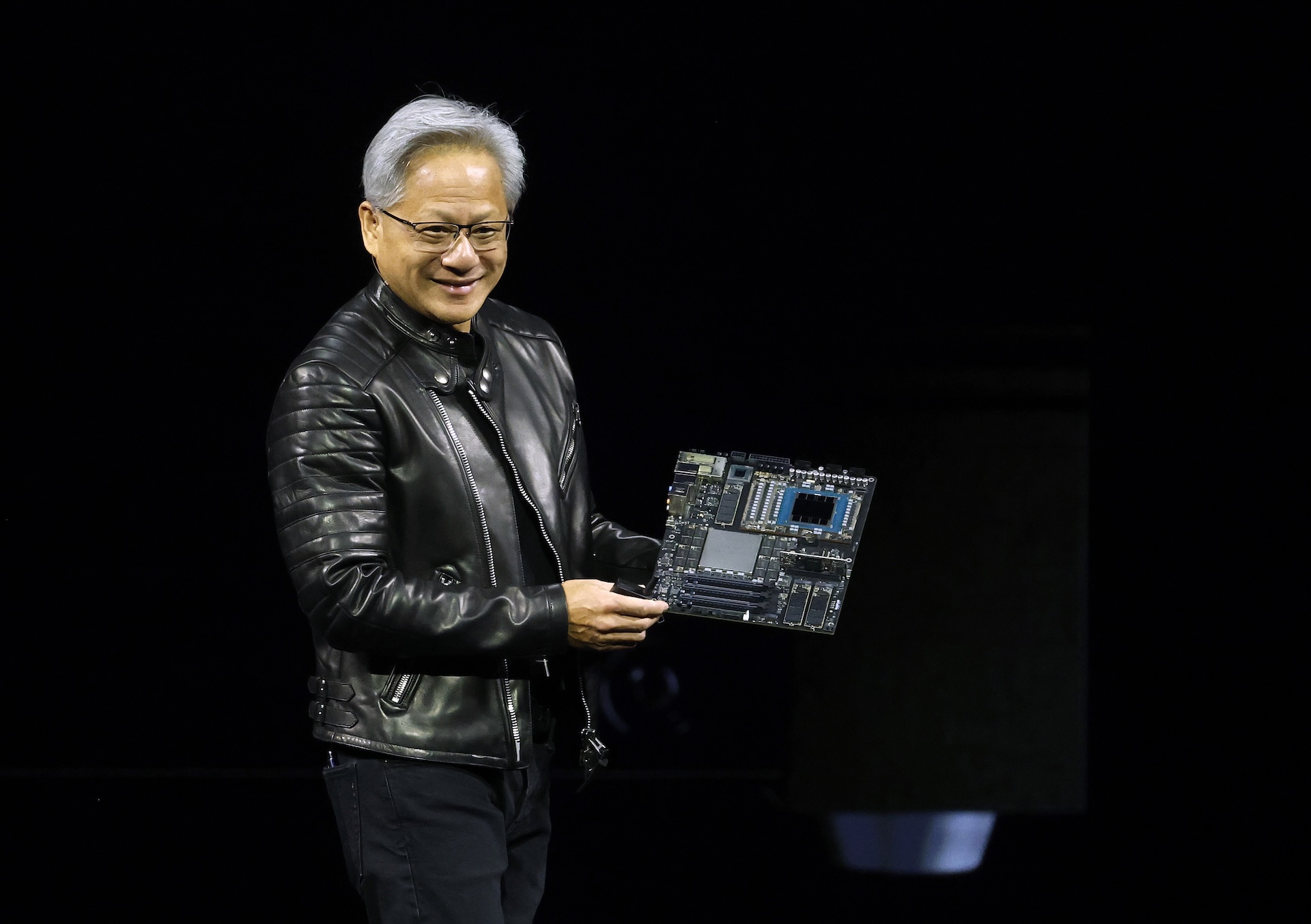
The annual GPU Technology Conference (GTC), Nvidia’s flagship developer gathering, is poised to once again capture the tech world’s attention as it convenes in San Jose, California, from March 16 to March 19. At the heart of this pivotal event lies the much-anticipated keynote address by CEO Jensen Huang, scheduled for 11 a.m. PT / 2 p.m. ET, a two-hour deep dive into the company’s vision for the future of computing and artificial intelligence. This year’s GTC is expected to be a crucible of innovation, with industry insiders and developers alike eagerly awaiting potential breakthroughs in hardware, software, and strategic partnerships that could redefine the trajectory of AI.
Nvidia’s AI Foundation: A Historical Overview
Nvidia’s journey from a niche graphics card manufacturer to a dominant force in artificial intelligence is a testament to foresight and relentless innovation. Founded in 1993, the company initially focused on revolutionizing 3D graphics for the gaming industry. However, a pivotal shift began in the mid-2000s with the introduction of CUDA (Compute Unified Device Architecture), a parallel computing platform and programming model that allowed developers to harness the immense processing power of GPUs for general-purpose tasks beyond graphics rendering. This groundbreaking move laid the essential groundwork for the AI revolution.
As researchers began to explore deep learning in the early 2010s, they discovered that the parallel architecture of Nvidia’s GPUs was uniquely suited to accelerate the computationally intensive processes of neural network training. This convergence of hardware capability and a burgeoning scientific field propelled Nvidia into an indispensable position within the AI ecosystem. Jensen Huang, recognizing the profound implications of this trend, strategically steered the company to invest heavily in AI research, development, and the cultivation of a robust developer community. Today, Nvidia’s hardware and software platforms are the bedrock for much of the world’s AI development, from large language models to complex scientific simulations.
The GTC Legacy: From Graphics to Global AI Summit
Originally conceived as the "GPU Technology Conference," GTC has evolved significantly since its inception. What began as a forum for showcasing advancements in graphics processing and CUDA applications has transformed into the premier global event for accelerated computing and artificial intelligence. Its annual recurrence serves as a critical pulse-check for the industry, often dictating the narrative and technological benchmarks for the year ahead.
Unlike more general technology conferences, GTC offers a concentrated focus on the intricate interplay of hardware and software that underpins modern AI. It provides a platform for thousands of developers, researchers, and enterprise leaders to engage with the latest tools, methodologies, and visionary concepts. Past GTC events have been the launchpad for seminal products like the Volta, Ampere, and Hopper GPU architectures, as well as critical software frameworks such as cuDNN and NVIDIA AI Enterprise. The conference’s influence extends beyond product announcements; it fosters a global community, facilitates knowledge exchange, and highlights the transformative power of AI across diverse sectors, solidifying its status as a bellwether for the future of digital innovation.
Jensen Huang’s Keynote: Charting the AI Frontier
The focal point of GTC 2026, as with every year, will be CEO Jensen Huang’s opening keynote. Known for his charismatic stage presence and visionary pronouncements, Huang’s addresses are often more than just product launches; they are strategic manifestos that articulate Nvidia’s long-term ambitions and the broader direction of the AI industry. His keynotes frequently blend technical deep dives with philosophical reflections on computing’s future, painting a picture of a world increasingly shaped by accelerated processing and intelligent machines.
This year, Huang is expected to elaborate on Nvidia’s expanding role in shaping the "future of computing and AI." This overarching theme suggests a focus not just on incremental improvements but on foundational shifts. Anticipated topics could include the continued integration of AI into every facet of computing, from cloud infrastructure to edge devices, the emergence of advanced digital twins for industrial simulation, and the ongoing quest to achieve general artificial intelligence. Huang’s past keynotes have often unveiled "generational leaps" in technology, and the industry is abuzz with speculation that GTC 2026 will be no different, offering a glimpse into the next era of accelerated computing. Attendees, whether present at the SAP Center or streaming online, will be dissecting every word for clues about Nvidia’s strategy and the technological advancements that will drive the next wave of AI innovation.
Hardware Breakthroughs: Conquering the Inference Bottleneck
Among the most eagerly anticipated announcements on the hardware front is the rumored unveiling of a new chip specifically engineered to accelerate AI inference. This development underscores a critical evolution in the AI landscape. Historically, the primary computational challenge in AI has been "training" – teaching a model to recognize patterns from vast datasets, a process demanding immense processing power. Nvidia has long dominated this market, with an estimated 80% share. However, as AI models move from development to widespread deployment, the focus is shifting to "inference" – the process by which a trained AI model applies its learning to make predictions or generate responses in real-time.
Faster and more efficient inference is widely considered one of the last significant bottlenecks preventing the ubiquitous scaling of AI applications. Imagine self-driving cars needing instantaneous decision-making, real-time language translation, or personalized AI assistants operating seamlessly on mobile devices. These applications demand chips optimized for rapid, low-latency processing at lower power consumption and cost. The competitive landscape for inference is rapidly intensifying, with tech giants like Google (TPUs), Amazon (Inferentia), and various startups developing custom silicon to challenge Nvidia’s dominance. A new Nvidia chip specifically designed for inference would represent a strategic maneuver to secure its leadership in this burgeoning market, promising to democratize advanced AI deployment and unlock a new generation of intelligent applications across industries.
Software Innovations: Powering the Age of AI Agents
Beyond hardware, GTC 2026 is also rumored to be a launchpad for significant software advancements, notably an open-source platform for enterprise AI agents, reportedly codenamed "NemoClaw." This initiative signals Nvidia’s commitment to building a comprehensive software ecosystem that complements its hardware prowess, enabling businesses to leverage AI more effectively. AI agents are sophisticated software programs capable of performing multistep tasks autonomously, from managing customer service interactions to automating complex data analysis workflows. They represent a significant leap beyond traditional single-task AI, promising to revolutionize business operations by intelligently automating intricate processes.
By offering an open-source platform, Nvidia aims to foster a collaborative environment for developers, accelerating the creation and deployment of these powerful agents. This strategy mirrors similar offerings from companies like OpenAI, which are also vying to provide tools for enterprise AI agent development. An open-source approach can lead to broader adoption, community-driven innovation, and the establishment of industry standards, positioning Nvidia as a foundational provider not just of the chips that power AI, but also the frameworks that make it accessible and scalable for businesses worldwide. The impact of such a platform could be profound, enabling organizations of all sizes to harness the power of autonomous AI, streamline operations, and unlock new levels of productivity and innovation.
Strategic Moves: The Groq Alliance and Market Dynamics
A particularly intriguing development that is expected to be elaborated upon at GTC 2026 concerns Nvidia’s relationship with Groq, a prominent inference company. Reports from late last year indicated that Nvidia paid $20 billion to license Groq’s cutting-edge technology, with key members of Groq’s team, including founder Jonathan Ross and president Sunny Madra, agreeing to join Nvidia to further advance and scale the licensed innovations. This alliance has generated considerable curiosity within the industry, given Groq’s distinct approach to AI inference, particularly its Language Processing Unit (LPU) architecture, which has shown remarkable performance in sequential processing tasks.
The strategic rationale behind this move is multifaceted. For Nvidia, licensing Groq’s technology and integrating its talent pool represents a powerful way to bolster its inference capabilities and address the rapidly evolving demands of real-time AI. Groq’s specialized architecture could complement Nvidia’s existing GPU designs, providing a diversified portfolio to tackle various inference workloads efficiently. Moreover, by bringing a formidable competitor’s technology and expertise in-house, Nvidia not only strengthens its own offerings but also strategically neutralizes a potential threat in the fiercely competitive inference market. This collaboration underscores Nvidia’s proactive approach to maintaining its leadership position, even if it means incorporating external innovations to accelerate its own roadmap and secure dominance across the entire AI compute spectrum.
Beyond the Data Center: Industry-Wide AI Transformation
The discussions and demonstrations at GTC 2026 will extend far beyond the specifics of chips and software platforms, showcasing Nvidia’s AI capabilities across a broad spectrum of industries. In healthcare, Nvidia’s accelerated computing is revolutionizing drug discovery, medical imaging analysis, and personalized medicine, enabling faster insights and more effective treatments. In robotics, the company’s platforms are powering everything from industrial automation to advanced humanoid robots, paving the way for more intelligent and adaptable machines. The autonomous vehicles sector continues to be a major focus, with Nvidia’s DRIVE platform forming the backbone for self-driving cars, trucks, and logistics solutions, pushing the boundaries of safety and efficiency in transportation.
These sector-specific applications highlight the pervasive impact of Nvidia’s technology on society and the global economy. The ability to simulate complex systems, process vast amounts of data, and enable intelligent automation is reshaping industries, creating new jobs, and posing profound questions about the future of work and human-machine interaction. GTC serves as a vital forum for exploring these transformations, bringing together innovators from diverse fields to collaborate on solutions that leverage accelerated computing to address some of humanity’s most pressing challenges.
Conclusion: The Road Ahead for Accelerated Computing
As GTC 2026 unfolds, the tech world will be watching closely for the announcements that will undoubtedly shape the next chapter of artificial intelligence and accelerated computing. From a strategic push into the inference market with new hardware to democratizing enterprise AI agents through open-source software, and the intriguing integration of Groq’s specialized technology, Nvidia continues to position itself at the vanguard of innovation. The conference is more than just a showcase of products; it is a declaration of intent, a vision for a future where intelligent machines are seamlessly integrated into every facet of life and industry. The revelations from Jensen Huang’s keynote and the subsequent sessions will provide critical insights into how Nvidia plans to lead this charge, further solidifying its role as an indispensable architect of the AI-driven world.