Amir Mahmud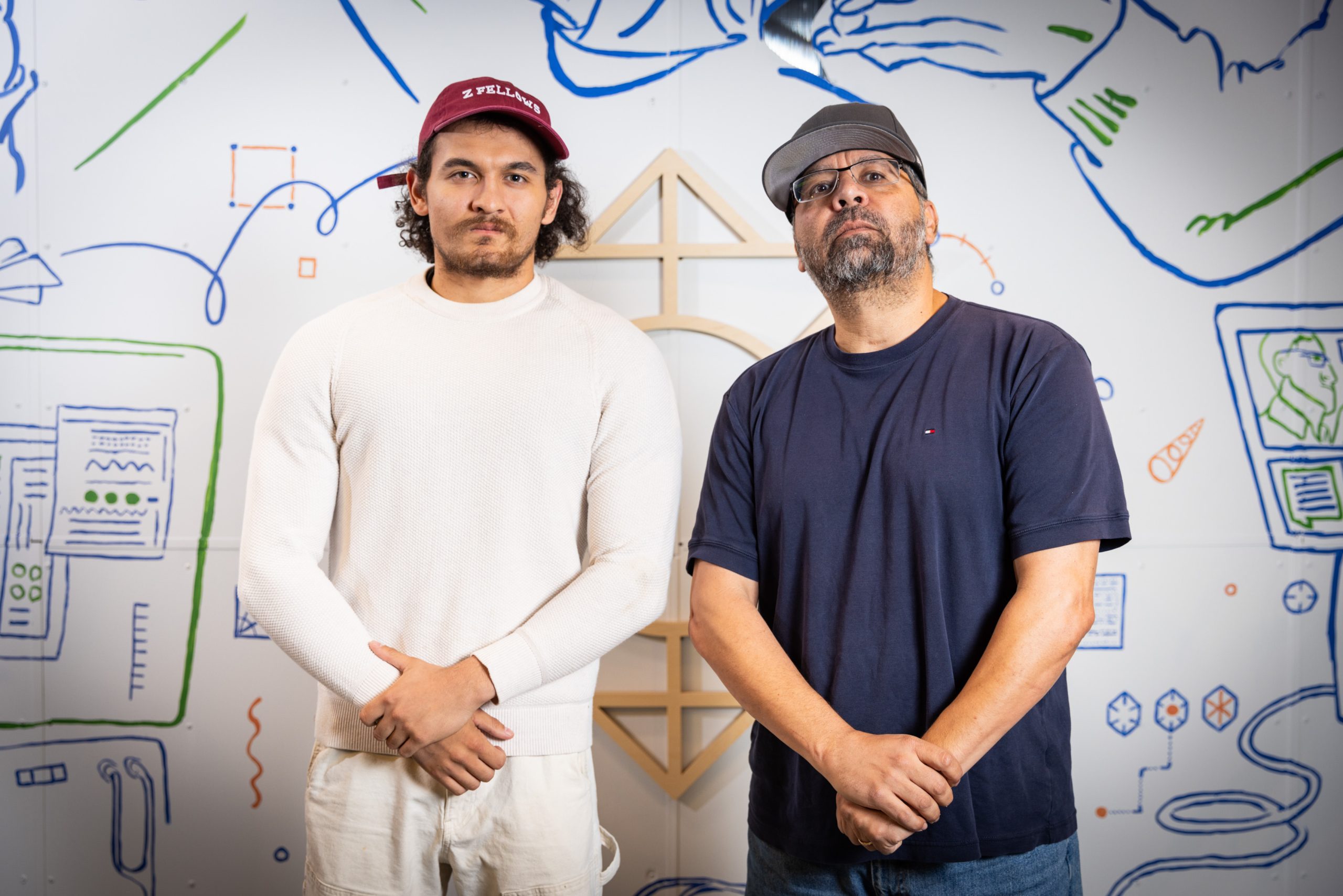
The advent of artificial intelligence has ushered in an era where automated systems are increasingly poised to make independent decisions, from managing personal schedules to executing complex purchases, all on behalf of human users. Yet, a fundamental challenge persists: these burgeoning AI agents often lack the nuanced, holistic understanding of the individuals they are designed to serve, a critical piece of the puzzle that limits their effectiveness and personalization capabilities.
This crucial gap in AI functionality forms the core premise behind Nyne, a nascent startup that recently announced a successful seed funding round, raising $5.3 million. The investment, spearheaded by Wischoff Ventures and South Park Commons, with additional contributions from a consortium of angel investors including Gil Elbaz, a co-founder of Applied Semantics and a pivotal figure behind Google AdSense, underscores a significant market belief in Nyne’s mission. The company aims to establish itself as the essential intelligence layer, enabling AI agents to grasp the full breadth of human context by synthesizing information across an individual’s entire digital footprint.
The Emerging Landscape of Autonomous AI Agents
The concept of an autonomous AI agent has evolved rapidly over the past decade. Initially, AI systems were primarily reactive, responding to specific commands or queries. Think of early chatbots or voice assistants like Siri and Alexa, which, while impressive, operated within predefined parameters. The next frontier involves AI agents that are proactive, capable of anticipating needs, learning preferences over time, and executing tasks with minimal human intervention. This shift implies a move from simply processing information to understanding intent, predicting behavior, and ultimately, acting autonomously in ways that genuinely benefit the user.
Consider the potential: an AI agent that not only schedules appointments but also understands your preferred time slots, recognizes conflicts with personal commitments gleaned from your social calendar, and even anticipates your need for a specific service based on your recent online activity. Or an agent that handles online shopping, not just by finding the cheapest item, but by selecting products that align with your ethical values, brand preferences, and even the aesthetic cues it picks up from your social media posts. Such advanced functionality, however, demands an unprecedented level of contextual awareness, far beyond what current systems typically offer.
The "Context Gap": A Core Challenge for AI
Michael Fanous, a computer science graduate from UC Berkeley and former machine learning engineer at CareRev, articulated the prevailing problem that inspired Nyne’s creation. He observes that contemporary machines frequently struggle with the seemingly elementary task of correlating disparate pieces of digital information to a single human identity. For instance, an AI might not inherently recognize that a professional profile on LinkedIn, activity patterns on Instagram, and publicly available government records all pertain to the same individual. This fragmentation of identity across the digital realm creates a significant hurdle for AI agents striving for deep human understanding.
Historically, various industries have attempted to build comprehensive customer profiles. Marketing and advertising firms, for example, have long employed data aggregation techniques to understand consumer demographics and purchasing habits. Early attempts involved surveys, focus groups, and loyalty programs. With the rise of the internet, ad tech companies began tracking cookies, IP addresses, and browsing history to serve targeted advertisements. However, these methods, while effective for specific applications like ad targeting, often lack the depth, breadth, and real-time synthesis required for truly autonomous and empathetic AI agents. The current challenge isn’t just about collecting data; it’s about making sense of that data in a unified, dynamic, and personally relevant way for AI decision-making.
Nyne’s Innovative Approach to Identity Resolution
To address this intricate problem, Michael Fanous joined forces with his father, Emad Fanous, a seasoned Chief Technology Officer with extensive experience in navigating complex technological landscapes. Together, they founded Nyne. The company’s unique strategy involves deploying millions of specialized agents across the internet. These agents are tasked with meticulously analyzing publicly accessible digital footprints. This process goes beyond conventional data scraping, leveraging sophisticated machine learning techniques to process and triangulate information derived from a vast array of online sources.
Nyne’s system doesn’t just look at prominent social media platforms like Instagram, Facebook, or X (formerly Twitter). It delves deeper, examining activity on more niche applications such as SoundCloud, which can reveal musical tastes and creative interests, or Strava, offering insights into fitness routines and outdoor hobbies. By aggregating and interpreting these diverse data points, Nyne can construct a far richer, multi-dimensional profile of an individual. This comprehensive perspective allows AI agents to move beyond superficial interactions, gaining a profound understanding of a person’s interests, lifestyle, preferences, and even their underlying thought processes regarding specific topics.
Beyond Google’s Walled Garden: A New Paradigm for External AI
While some might draw parallels between Nyne’s mission and the highly effective ad targeting capabilities of tech behemoths like Google, Michael Fanous emphasizes a critical distinction. Google’s "secret sauce" lies in its proprietary access to vast troves of user data, including search histories, Gmail content, and cross-platform activity within its ecosystem. This immense, exclusive data advantage is a competitive moat that the tech giant is unlikely to share with external AI agents or third-party developers.
For the broader ecosystem of AI innovators and consumer-facing companies, the problem of achieving deep human context remains "an oddly hard problem to solve," as articulated by Nichole Wischoff, founder of Wischoff Ventures, one of Nyne’s lead investors. Nyne steps into this void, offering a solution specifically designed for external agents and applications that do not possess Google-level internal data access. By focusing on publicly available information and applying advanced machine learning to infer meaningful connections, Nyne provides a crucial intelligence layer that democratizes access to comprehensive human understanding for a wider array of AI developers.
Market Potential and Socio-Economic Impact
The market for the kind of contextual data Nyne aims to provide is colossal and immensely valuable, particularly for companies deploying AI agents to engage with customers. As AI agents become more prevalent in consumer-facing roles, from e-commerce assistants to personalized health navigators, the demand for a sophisticated understanding of both existing and prospective customers will skyrocket.
Imagine a retail AI agent that not only knows your past purchases but also understands your fashion influences from Pinterest, your preferred travel destinations from your blog, and your sustainability concerns from your public commentary. This depth of insight empowers businesses to offer hyper-personalized experiences, anticipate needs proactively, and foster stronger customer relationships. Nichole Wischoff highlighted this potential with a poignant example: "How do I know you’re pregnant and sell you A, B, or C as early as possible?" While previous generations of ad tech companies could gather some relevant data, Nyne intends to equip the new world of AI agents with unprecedented precision and contextual depth.
However, the increasing sophistication of such profiling also brings forth significant societal and ethical considerations. On one hand, improved personalization can lead to more efficient services, products that genuinely meet individual needs, and a reduction in irrelevant information overload. On the other hand, the aggregation of public data to create such detailed profiles raises concerns about privacy, even if the source material is publicly accessible. There’s a fine line between helpful anticipation and intrusive surveillance. Algorithmic bias, where historical data might inadvertently perpetuate or amplify societal inequities, also remains a constant consideration for any system building profiles based on vast datasets. The ethical development and deployment of such technologies will require ongoing dialogue, transparent practices, and robust safeguards to ensure responsible innovation.
The Power of a Founder Partnership
At the heart of Nyne’s endeavor is the unique partnership between Michael and Emad Fanous. The father-son duo represents a potent combination of youthful innovation and seasoned industry experience. Michael brings the fresh perspective of a recent computer science graduate and an understanding of cutting-edge machine learning, while Emad provides the strategic vision and operational acumen of a veteran CTO.
Michael Fanous describes their collaboration as an ideal partnership, highlighting the inherent trust and commitment that underpins their working relationship. "I think with co-founders, it becomes easy to walk away when things don’t work," he observed, "If I have to ping him at three in the morning to finish a launch, I know he’s going to still love me the next day." This familial bond and mutual dedication can be a significant advantage in the demanding startup environment, fostering resilience and a shared long-term vision crucial for navigating the inevitable challenges of building a groundbreaking technology company.
The Road Ahead: Challenges and Future Vision
Nyne’s successful seed round positions it well to tackle the formidable technical and market challenges ahead. Scaling a system that deploys millions of agents and processes vast quantities of public data, while ensuring accuracy and relevance, will require significant engineering prowess. Furthermore, the digital landscape is constantly evolving, with new platforms emerging and user behaviors shifting, necessitating a dynamic and adaptive system.
Looking forward, Nyne envisions a future where AI agents seamlessly integrate into daily life, acting as truly intelligent extensions of human intent. This involves not just understanding existing customers but also identifying potential ones, anticipating market trends, and facilitating more meaningful human-AI interactions across diverse sectors. As the regulatory environment around data privacy continues to mature globally, Nyne will also need to navigate complex legal and ethical frameworks, ensuring its practices remain compliant and uphold user trust. The company’s success will ultimately hinge on its ability to deliver on its promise of comprehensive human context for AI, striking a balance between powerful personalization and responsible data stewardship, thereby shaping the next generation of autonomous artificial intelligence.