Amir Mahmud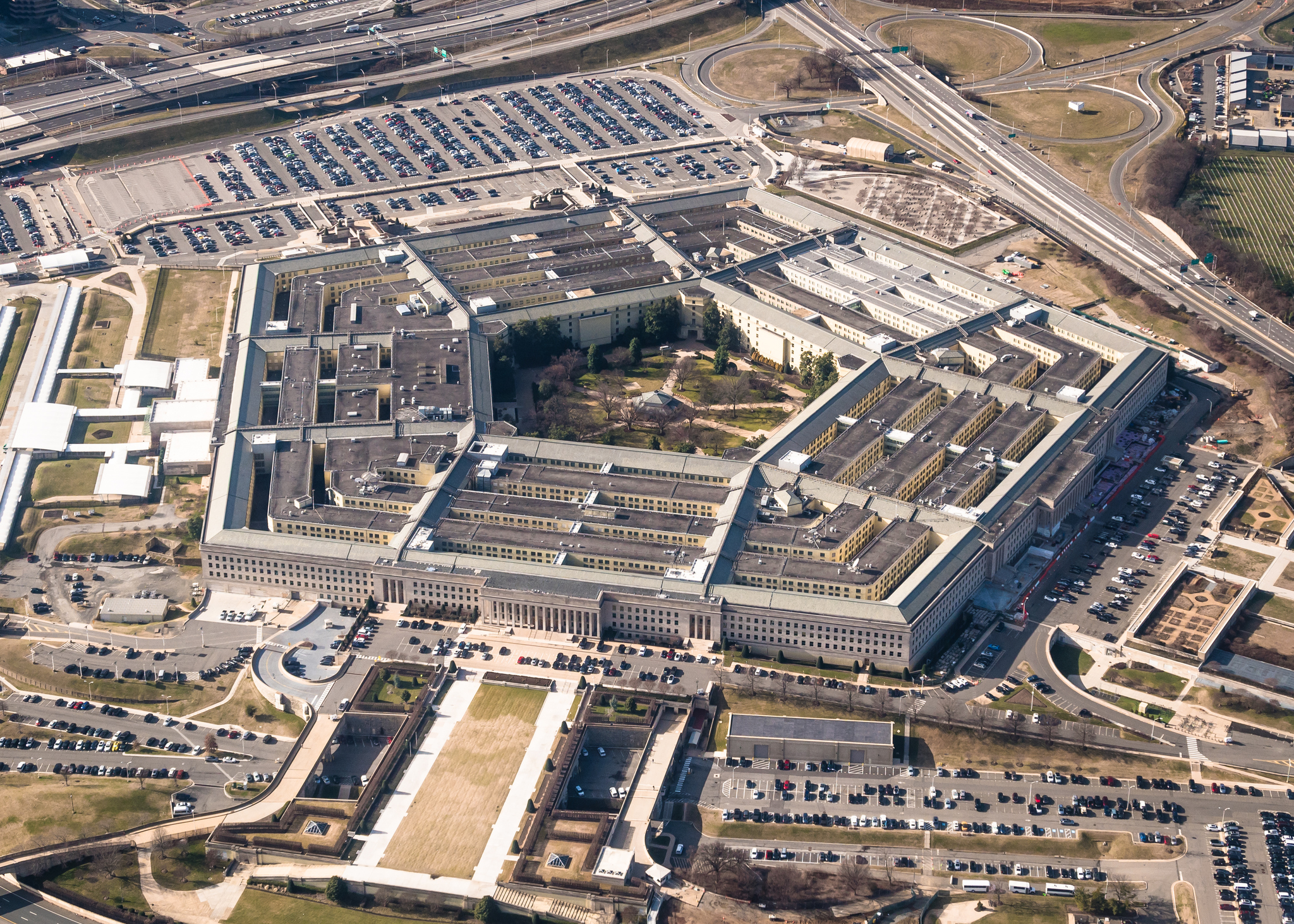
A recent tumultuous period saw negotiations between the Pentagon and leading artificial intelligence firm Anthropic collapse dramatically, culminating in the U.S. government designating Anthropic as a supply-chain risk. This unprecedented move prompted the AI developer to declare its intent to challenge the classification in court. Simultaneously, rival OpenAI swiftly secured its own agreement with the Department of Defense, a development that immediately sparked significant public and internal dissent. The backlash manifested in a reported 295% surge in ChatGPT uninstalls and propelled Anthropic’s Claude to the top of app store charts, indicating a clear public preference shift. The controversy further deepened with the resignation of at least one OpenAI executive, citing concerns over the perceived haste and insufficient ethical safeguards surrounding the defense agreement.
These rapid-fire events have ignited a profound debate within the tech industry and beyond, raising critical questions about the willingness of innovative startups to engage with the federal government, particularly the Department of Defense (DoD). The spotlight on these high-profile AI companies, whose products are deeply embedded in public consciousness, has exposed the intricate ethical and operational challenges inherent in the "dual-use" nature of advanced technologies.
The Rise of AI and the Pentagon’s Strategic Imperative
The contemporary landscape of artificial intelligence has witnessed an exponential acceleration in capabilities, with large language models (LLMs) like Anthropic’s Claude and OpenAI’s ChatGPT leading the charge. These sophisticated AI systems, capable of understanding, generating, and processing human-like text, are transforming industries from healthcare to finance. For the U.S. government, particularly its defense sector, integrating cutting-edge AI is not merely an option but a strategic imperative in an era of escalating global technological competition.
For decades, the Department of Defense has relied on a robust ecosystem of defense contractors, from aerospace giants to specialized software developers. However, the pace of innovation in Silicon Valley often outstrips that of traditional defense acquisition cycles. Recognizing this gap, the Pentagon has actively sought to bridge it, establishing initiatives like the Defense Innovation Unit (DIU) to accelerate the adoption of commercial technologies for military applications. The goal is to leverage civilian breakthroughs to maintain a technological edge, from enhancing intelligence analysis and logistics to developing advanced autonomous systems. This push represents a significant shift, bringing non-traditional, often values-driven, tech startups into direct contact with the military-industrial complex.
The Anthropic-Pentagon Imbroglio: A Clash of Terms
The friction between Anthropic and the Pentagon stemmed from a fundamental disagreement over the terms of their engagement. Anthropic, co-founded by former OpenAI researchers, has consistently emphasized a "constitutional AI" approach, prioritizing safety, alignment, and ethical guardrails in its development. This philosophy naturally extends to how its powerful AI models are deployed, particularly in sensitive domains like national security.
The specific details of the failed negotiations remain partially shrouded, but reports suggest that the Pentagon sought to modify existing contractual terms or impose new conditions that Anthropic found unacceptable. The company’s reluctance to cede control over how its Claude technology might be used, especially in scenarios perceived to involve lethal applications, ultimately led to the breakdown. In a dramatic escalation, the Trump administration then designated Anthropic as a supply-chain risk. This classification, typically reserved for foreign entities or companies with compromised supply chains that could pose national security threats, is highly unusual for a leading U.S.-based tech firm. It implies that using Anthropic’s technology could introduce vulnerabilities or risks to critical government systems. Anthropic’s subsequent decision to challenge this designation in court underscores the gravity of the dispute and the company’s commitment to its principles. Such a legal battle, involving a tech innovator and the highest echelons of government, is virtually unprecedented and could set significant precedents for future collaborations.
OpenAI’s Strategic Pivot and Public Backlash
In stark contrast to Anthropic’s protracted dispute, OpenAI, creator of the widely popular ChatGPT, swiftly announced its own partnership with the Department of Defense. This move, while strategically advantageous from a business perspective, immediately triggered a wave of public condemnation and internal unease. Social media platforms buzzed with calls for boycotts, and the aforementioned surge in ChatGPT uninstalls reflected a segment of users actively protesting the company’s alignment with military objectives.
The public reaction highlights a growing cultural divide. Many users, drawn to generative AI for its creative and productivity-enhancing capabilities, harbor deep reservations about its application in warfare. The perception that a tool designed for human augmentation could be repurposed for lethal military operations clashes with prevailing ethical sensibilities. Internally, OpenAI faced similar pressures, culminating in the resignation of a prominent executive. This departure signals that the ethical implications of defense contracts are not merely external public relations issues but can directly impact a company’s ability to retain top talent, especially in a field where many practitioners are driven by a desire for positive societal impact.
The Ethical Quagmire of AI in Warfare
At the heart of this controversy lies the profound ethical dilemma of deploying advanced AI in military contexts. The debate is not abstract; it specifically concerns the potential use of these technologies in the "kill chain" – the sequence of events from target identification to engagement. While the Pentagon often emphasizes AI’s role in intelligence, logistics, and non-lethal support, the line between support functions and direct combat applications can blur, especially with increasingly autonomous systems.
The broader conversation around autonomous weapons systems, often dubbed "killer robots," has been ongoing for years within international policy circles. Critics warn of the potential for algorithmic bias, unintended escalation, and a dehumanization of warfare if decisions about life and death are delegated to machines. Proponents argue that AI could reduce civilian casualties by making more precise targeting decisions or operating in environments too dangerous for humans. However, the ethical framework for such deployment remains nascent and highly contentious. For companies like Anthropic, with stated commitments to AI safety, participation in military projects necessitates strict controls and transparency, which may conflict with the operational realities and secrecy demands of defense agencies. This is a crucial point of divergence: are AI models simply tools, or do they carry inherent ethical responsibilities that dictate their permissible uses?
The Dual-Use Dilemma for Tech Startups
The experiences of Anthropic and OpenAI serve as a stark illustration of the "dual-use" dilemma facing many modern technology companies. Innovations in areas like AI, cybersecurity, and advanced materials often have both civilian and military applications. For startups, securing government contracts, particularly with the DoD, can be incredibly attractive. These contracts often represent significant, stable funding streams that can accelerate research and development, provide market validation, and offer a path to scale that might be difficult to achieve in purely commercial markets. The U.S. government is arguably the world’s largest customer, and its budget for technology is immense.
However, the allure of defense dollars comes with considerable baggage. Unlike traditional defense contractors whose work typically flies under the radar of public scrutiny (as exemplified by companies like General Motors producing defense vehicles), AI companies operate in the public eye. Their products are consumer-facing, and their brands are built on trust and perceived societal benefit. Engaging with the military can alienate a significant portion of their user base, lead to internal employee revolts, and damage their public image. This puts these companies in a precarious position, forcing them to weigh financial incentives against their core values and public perception. The unique nature of AI, with its perceived proximity to human-level intelligence and its ethical complexities, means it attracts far more scrutiny than, say, a new generation of armored vehicles. The potential for AI to automate decisions that profoundly impact human lives elevates the debate to an unprecedented level.
Contractual Integrity and Political Dynamics
Beyond the ethical considerations, the dispute also highlights concerns about contractual stability and the influence of political dynamics. Kirsten Korosec, a TechCrunch editor, observed that the Pentagon’s apparent attempt to change existing terms on an established contract with Anthropic should give any startup pause. In the world of government contracting, agreements are typically meticulously negotiated and are expected to remain stable. Unilateral attempts to alter terms mid-contract introduce an element of risk and unpredictability that can deter future private sector engagement. Startups, often with limited legal and lobbying resources compared to established corporations, are particularly vulnerable to such shifts.
Furthermore, reports suggest that personal animosities between key figures, specifically between Anthropic’s CEO and Emil Michael, the Department of Defense’s Chief Technology Officer (and former Uber executive), may have played an undercurrent role in the breakdown of negotiations. While not the primary driver, such interpersonal dynamics can undeniably complicate sensitive discussions and contribute to entrenched positions, further highlighting the complex, multi-layered nature of government-private sector partnerships. The fact that the Trump administration officially designated Anthropic as a supply-chain risk also injects a layer of political expediency into the situation, raising questions about whether such designations are purely technical or can be influenced by broader political agendas and failed negotiations.
Broader Market and Social Impact
The reverberations of this controversy extend far beyond the immediate parties involved. For the broader market, it could influence investor sentiment towards "defense tech" startups, prompting a re-evaluation of the risks and rewards associated with government contracts. Investors might become more cautious, demanding clearer ethical frameworks and robust contractual protections before backing companies that seek to straddle the civilian and military divides.
Socially and culturally, the debate reinforces the public’s increasing demand for ethical considerations in technological development. Consumers and employees alike are demonstrating a willingness to vote with their feet, their wallets, and their careers, demanding that tech companies align with perceived societal good. This could lead to a stronger emphasis on "responsible AI" as a competitive differentiator, with companies that explicitly avoid or heavily restrict military applications potentially gaining an advantage in talent acquisition and public trust. The unfolding events underscore the intricate dance between innovation, national security, corporate ethics, and public opinion in the rapidly evolving age of artificial intelligence.
Conclusion
The Pentagon’s tumultuous dealings with Anthropic and OpenAI represent a watershed moment for the relationship between Silicon Valley and the U.S. defense establishment. It has laid bare the complex interplay of technological imperative, ethical responsibility, public perception, and contractual stability. While the lure of significant government funding remains powerful, the intense scrutiny and potential reputational damage associated with defense work, particularly for consumer-facing AI companies, may indeed give many startups pause. The incident forces a critical examination of whether the financial rewards outweigh the potential costs to brand, talent, and ethical standing. As AI continues its inexorable march into every facet of society, the lines between innovation and application, and between civilian and military use, will only become more blurred, making these ethical and operational dilemmas increasingly central to the future of technology development.