Amir Mahmud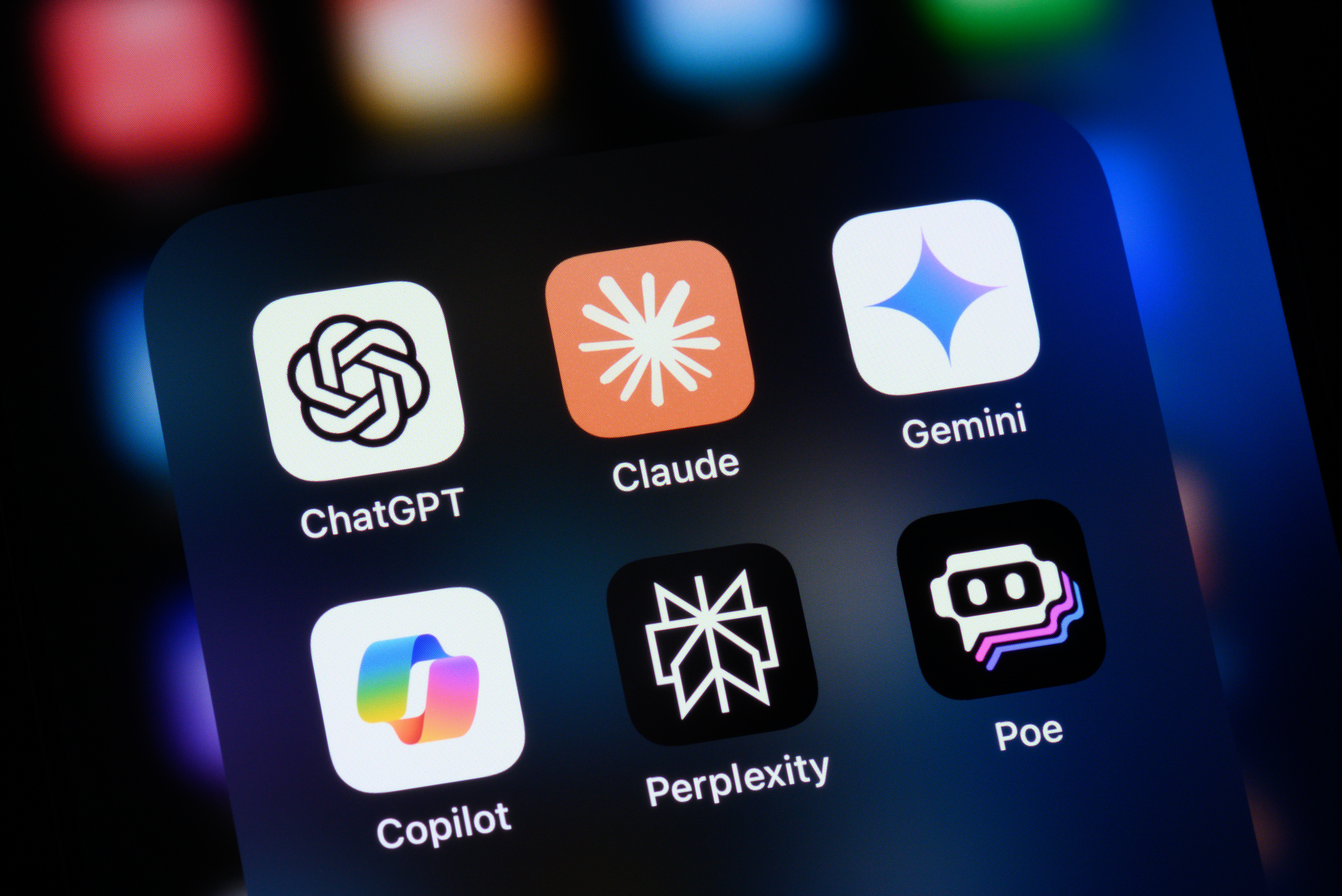
A significant surge in consumer adoption for Claude, Anthropic’s flagship artificial intelligence model, is unfolding across mobile platforms, marked by escalating daily active users and new application installations. This notable upswing directly follows a highly publicized disagreement with the U.S. Department of Defense, a dispute that saw the AI developer labeled a "supply-chain risk" after its CEO, Dario Amodei, declined to permit the government to utilize its sophisticated AI systems for widespread civilian surveillance or to power fully autonomous weapon systems. The company’s principled stand, rather than deterring users, appears to have resonated deeply with a segment of the public, translating into tangible market gains.
A Principled Stand and its Fallout
Anthropic, founded by former OpenAI researchers who departed due to concerns over AI safety and commercialization, has consistently positioned itself as a leader in "Constitutional AI." This philosophy emphasizes embedding a set of guiding principles, or a "constitution," directly into the AI’s training process to ensure it operates ethically and safely, prioritizing human values and mitigating potential harms. This foundational commitment set the stage for the recent confrontation with the Pentagon.
The genesis of the dispute can be traced back to negotiations surrounding potential contracts for Anthropic’s advanced AI capabilities. As discussions progressed, it became clear that certain proposed applications by the U.S. government, particularly those involving extensive surveillance of American citizens or the deployment of lethal autonomous weapons, clashed fundamentally with Anthropic’s internal ethical guidelines and its broader mission. CEO Dario Amodei’s refusal to compromise on these core principles, even in the face of a lucrative government partnership, signaled a critical moment for the burgeoning AI industry. The Pentagon’s subsequent decision to classify Anthropic as a "supply-chain risk" in early March, effectively sidelining the company from future defense contracts, underscored the gravity of the impasse. This designation, typically reserved for entities posing national security vulnerabilities, highlighted the unprecedented nature of a tech company prioritizing ethical considerations over strategic military engagements.
Surging Consumer Engagement Metrics
Despite, or perhaps because of, the governmental blacklisting, consumer sentiment shifted markedly in Anthropic’s favor. Data from various market intelligence providers illustrates a robust expansion in Claude’s user base. Appfigures, a prominent app intelligence firm, reported that as of March 2, Claude’s mobile application downloads within the United States significantly outpaced those of its primary competitor, ChatGPT. Claude recorded an estimated 149,000 daily downloads, while ChatGPT registered 124,000 during the same period. These figures offer a clear snapshot of new user acquisition and indicate a growing preference among American consumers for Anthropic’s offering.
Beyond initial installations, the metric of daily active users (DAU) provides crucial insight into sustained engagement. Similarweb, another analytics leader, presented compelling evidence of Claude’s escalating popularity. On March 2, the Claude app across both iOS and Android platforms boasted 11.3 million daily active users. This represents an extraordinary 183% increase from approximately 4 million DAU at the beginning of the year and a substantial rise from 5 million DAU observed at the start of February. This sharp ascent in user activity coincided precisely with the widespread media coverage of Anthropic’s standoff with the Pentagon, suggesting a direct correlation between the company’s ethical stance and its enhanced appeal to the public.
While Claude’s accelerated growth positioned it ahead of other significant AI applications such as Perplexity and Microsoft Copilot in terms of daily active users, it still trailed the market leader, ChatGPT, which commanded a formidable 250.5 million daily active users across mobile platforms on March 2. However, the trajectory of Claude’s growth, which commenced later in the month following the news of the Pentagon negotiations, suggests the potential for it to narrow this gap if current trends persist throughout the month.
The expansion was not confined to mobile applications alone. Similarweb’s analysis also revealed a strong upward trend in Claude’s web traffic. In February, the platform experienced a 43% month-over-month increase in web visits, culminating in an impressive 297.7% year-over-year growth. This expansion occurred concurrently with a reported 6.5% month-over-month decline in ChatGPT’s web traffic during the same period, indicating a possible shift in user allegiance or at least a diversification of AI tool usage. Google’s Gemini, another major contender, saw a more modest 2.1% bump, signifying slower growth compared to previous months.
Anthropic itself has corroborated these positive trends, publicly announcing that its AI chatbot is now attracting over 1 million new sign-ups daily. This monumental achievement follows a weekend where Claude ascended to the top position on the U.S. App Store, a rank it continues to maintain. The application’s popularity extends internationally, holding the No. 1 spot in 15 other nations, including key markets such as Canada, the United Kingdom, Germany, France, and Australia. The company further noted that Claude has consistently broken its own daily signup records in every country where it is available since the beginning of the previous week. In contrast, earlier reports indicated a rise in uninstalls for the ChatGPT app, suggesting a potential erosion of its market share as competitors gain traction.
An Anthropic spokesperson, while refraining from commenting on specific third-party data points, confirmed the overarching growth narrative, stating that daily active users have more than tripled since the start of the year, and the number of paid subscribers has doubled, underscoring both broad adoption and monetization success.
The Ethical AI Movement: A Growing Force
The burgeoning success of Claude in the wake of its principled stand illuminates a broader cultural shift: a growing consumer consciousness regarding the ethical implications of artificial intelligence. As AI technologies become increasingly pervasive, questions surrounding data privacy, surveillance, algorithmic bias, and autonomous decision-making have moved from academic discourse into mainstream public concern. Users are becoming more discerning, seeking out technologies and companies that align with their values.
Anthropic’s stance against weaponizing AI and using it for mass surveillance tapped into a deep-seated public anxiety about the potential misuse of powerful technologies. For many, the company’s refusal to collaborate with the Pentagon on these terms signaled integrity and a commitment to responsible AI development, fostering a sense of trust that transcends mere technological capability. This "halo effect" suggests that in an increasingly competitive AI market, ethical leadership can serve as a potent differentiator, attracting users who prioritize moral governance and transparency.
This trend is not isolated. Across the tech industry, there’s a discernible movement towards "ethical tech," where consumers and employees demand greater accountability from corporations. From environmental sustainability to fair labor practices, ethical considerations are increasingly influencing purchasing decisions and brand loyalty. Anthropic’s experience with Claude suggests that AI, given its transformative power and potential for societal impact, is particularly susceptible to this ethical scrutiny.
Competitive Landscape and Market Shifts
The AI market is characterized by intense competition, with giants like OpenAI (backed by Microsoft), Google (with Gemini), and Meta (with Llama) vying for dominance. OpenAI’s ChatGPT initially captured global attention, sparking the generative AI revolution. However, the rapid proliferation of alternative models, coupled with evolving user expectations, has introduced dynamic shifts in the competitive landscape.
Claude’s recent ascent indicates that while technological prowess remains critical, it is no longer the sole determinant of market leadership. Brand perception, rooted in ethical conduct and perceived trustworthiness, is emerging as a significant competitive advantage. This could force other major players to more explicitly address their own AI ethics policies and public engagement strategies. Companies that are seen as too closely aligned with government surveillance or military applications might face similar consumer backlashes or, conversely, may find themselves at a disadvantage if they cannot articulate a clear ethical framework.
The decline in ChatGPT’s web traffic and the growth in Claude’s suggest a potential redistribution of market share, even if OpenAI still maintains a significant lead in overall user numbers. This dynamic underscores the fluidity of the AI market and the importance of continuous innovation, not just in model performance, but also in responsible development and user trust. The challenge for Anthropic will be to sustain this momentum, translating its ethical appeal into long-term user retention and further market penetration, while continuing to advance its AI capabilities.
The Broader Implications for AI Governance
Anthropic’s decision and the subsequent public reaction hold broader implications for the governance and regulation of artificial intelligence. The incident highlights the tension between national security interests, commercial opportunities, and the ethical responsibilities of AI developers. As governments globally grapple with how to regulate AI, the "Pentagon debacle" serves as a real-world case study of the dilemmas involved.
It raises critical questions: Should AI companies have the autonomy to refuse governmental contracts based on ethical grounds? What constitutes "responsible" AI deployment, especially in sensitive areas like defense and intelligence? And how can regulatory frameworks be designed to foster innovation while simultaneously safeguarding against misuse and upholding societal values?
The incident could empower other AI developers to take more assertive stances on ethical issues, potentially influencing future government procurement processes and industry-wide best practices. It also underscores the need for clear, internationally recognized standards for AI ethics, particularly concerning applications that could impact human rights or global stability. The lack of such universal guidelines currently leaves companies navigating a complex moral landscape often alone.
Looking Ahead: Sustaining Growth and Trust
For Anthropic, the immediate challenge is to capitalize on its newfound momentum. While the ethical stand has clearly boosted consumer favorability and user acquisition, sustained growth will require continued innovation in Claude’s capabilities, user experience, and accessibility. The company must demonstrate that its commitment to ethical AI does not come at the expense of technological advancement or practical utility.
Maintaining public trust will also be paramount. As Claude’s user base expands, so too will the scrutiny of its performance, biases, and data handling practices. Anthropic’s "Constitutional AI" framework will be continually tested in real-world applications, and the company’s transparency in addressing challenges will be crucial.
The narrative surrounding Claude’s growth transcends mere market statistics; it reflects a burgeoning societal dialogue about the kind of future we want to build with artificial intelligence. Anthropic’s experience suggests that in the rapidly evolving world of AI, ethical leadership is not just a moral imperative, but increasingly, a powerful business advantage.