Amir Mahmud
Apple has recently unveiled its latest iteration of professional-grade laptops, the MacBook Pro, featuring the new M5 Pro and M5 Max chips. However, the introduction of these powerful machines comes with a notable price adjustment, seeing the entry-level models become up to $400 more expensive than their immediate predecessors. This increase is primarily attributed to a pervasive global shortage of Random Access Memory (RAM), a critical component experiencing unprecedented demand driven largely by the booming artificial intelligence sector.
The New Generation of MacBook Pro: Performance and Pricing
On March 3, 2026, Apple formally introduced its updated MacBook Pro lineup, alongside new MacBook Air models, signaling a significant leap in computational capability. At the heart of these professional laptops are the M5 Pro and M5 Max chips, touted by Apple as engineering marvels designed to handle the most intensive workflows. The M5 Pro, for instance, boasts an 18-core CPU, while the M5 Max pushes boundaries further, offering what Apple claims is over four times the peak GPU compute for AI tasks compared to the prior generation. These chips integrate CPU, GPU, and Neural Engine onto a single system-on-a-chip (SoC), benefiting from a unified memory architecture that provides high-bandwidth, low-latency access to data, crucial for demanding professional applications ranging from high-resolution video editing to complex scientific simulations and machine learning development.
The performance enhancements, while impressive on paper, are accompanied by a revised pricing structure that reflects current market pressures. The 14-inch MacBook Pro, configured with the M5 Pro chip, now starts at $2,199. Its larger sibling, the 16-inch M5 Pro model, begins at $2,699. For users requiring even greater power, the M5 Max-equipped models command a premium, with the 14-inch variant starting at $3,599 and the 16-inch model at $3,899.
To contextualize these figures, the previous generation’s 14-inch MacBook Pro with an M4 Pro chip debuted at a starting price of $1,999. This represents a $200 increase for the base 14-inch Pro model from one generation to the next. Depending on specific configurations and higher-end M5 Max models, the price difference can stretch up to $400 or more when compared to similarly specced M4 generation machines. This pricing strategy from Apple signals a broader trend impacting the technology sector, where the cost of essential components is directly influencing consumer prices.
The Global RAM Shortage: A Deep Dive
The primary catalyst for these elevated prices is a severe and persistent global shortage of RAM, specifically Dynamic Random Access Memory (DRAM). RAM is the volatile memory used by computers to store data that the processor needs quick access to. Without sufficient RAM, even the fastest processors can be bottlenecked, leading to slower performance.
Historical Context of Chip Shortages:
The technology industry is no stranger to supply chain disruptions. Throughout its history, various factors have triggered chip shortages, from natural disasters impacting manufacturing hubs (like the 2011 Japanese earthquake and tsunami) to trade disputes and sudden spikes in demand. The most recent and significant example prior to the current RAM crunch was the broader semiconductor shortage that began in late 2019 and intensified during the COVID-19 pandemic. This period saw manufacturing facilities shut down or operate at reduced capacity, while demand for consumer electronics, data centers, and automotive components surged as global populations shifted to remote work and digital lifestyles. That shortage exposed the fragility of complex global supply chains and highlighted the industry’s reliance on a few key manufacturers and geographic regions.
Current Drivers of the RAM Shortage:
The current RAM shortage, however, has a distinct primary driver: the explosive growth of artificial intelligence.
Large Language Models (LLMs), generative AI, and advanced machine learning applications require immense computational power and, crucially, vast amounts of high-bandwidth memory (HBM) for both training and inference. HBM is a specialized type of DRAM that offers significantly higher bandwidth than conventional DDR (Double Data Rate) memory, making it ideal for AI accelerators and high-performance computing.
The major memory manufacturers — primarily Samsung, SK Hynix, and Micron Technology — are reallocating significant portions of their production capacity to meet the soaring demand for HBM. While this strategic shift is profitable for these companies, it inevitably reduces the output of standard DRAM modules used in traditional consumer electronics like laptops, smartphones, and regular servers. This imbalance between supply and demand has naturally led to a sharp increase in memory prices.
Beyond AI, other factors contribute to the tight supply:
- Increased Data Center Demand: The proliferation of cloud computing and enterprise data services continues to drive demand for server-grade DRAM.
- 5G Infrastructure Expansion: The rollout of 5G networks globally requires substantial memory for network equipment.
- Automotive Industry: Modern vehicles are increasingly reliant on sophisticated electronics and embedded memory for advanced driver-assistance systems (ADAS) and infotainment.
- Manufacturing Lead Times: Building new fabrication plants (fabs) or upgrading existing ones to increase memory production is a capital-intensive and time-consuming process, often taking several years from groundbreaking to full operational capacity. This means supply cannot instantly adjust to sudden surges in demand.
- Raw Material Costs and Logistics: Global inflationary pressures, rising energy costs, and ongoing logistical challenges also play a role in the overall cost of memory production and distribution.
Market and Social Impact of Surging Memory Prices
The ripple effects of this memory shortage extend far beyond Apple’s product line. Analysts have already projected a significant downturn in global smartphone shipments this year, directly linking it to the escalating cost and reduced availability of memory components. Apple’s decision to pass on some of these increased costs to consumers via its premium MacBook Pro devices serves as a significant bellwether for the broader hardware sector.
Impact on the Tech Market:
- Other PC Manufacturers: Companies like Dell, HP, Lenovo, and Microsoft, which also rely heavily on DRAM for their laptops and desktops, are likely to face similar pressures. They may either absorb some of the costs, potentially impacting their profit margins, or follow Apple’s lead and increase their own product prices.
- Component Manufacturers: The shortage creates both opportunities and challenges. Memory manufacturers benefit from higher prices, but they also face pressure to scale production quickly without compromising quality.
- Small and Medium-Sized Businesses (SMBs): Higher hardware costs could strain IT budgets for SMBs looking to upgrade their computing infrastructure, potentially delaying refresh cycles.
- Innovation and Competition: Sustained high component costs could impact the entry barrier for new hardware startups, potentially consolidating market power among larger, more established players with greater purchasing leverage.
- Upgrade Cycles: Consumers and businesses may extend the lifespan of their existing devices to defer the expense of purchasing new, more costly hardware, leading to a slowdown in market growth for certain segments.
Social and Cultural Impact:
- Digital Divide: As the cost of high-performance computing rises, access to cutting-edge technology might become more exclusive, potentially widening the digital divide between those who can afford the latest tools and those who cannot. This is particularly relevant for students, creative professionals, and researchers who rely on powerful machines.
- Perception of Value: Consumers are increasingly scrutinizing price-to-performance ratios. While Apple typically targets a premium market, continuous price hikes could test consumer loyalty and willingness to invest in the latest hardware, especially if perceived performance gains do not fully justify the increased cost.
- Sustainability: Longer upgrade cycles, driven by higher prices, could have a positive side effect of reducing electronic waste, aligning with broader environmental sustainability goals. However, it could also mean users are stuck with less efficient or less secure older devices for longer.
Neutral Analytical Commentary
Apple’s decision to increase the price of its new MacBook Pro models is a pragmatic response to an undeniable market reality. As a company renowned for its premium pricing and healthy profit margins, Apple often has more leeway to absorb component cost fluctuations than many of its competitors. However, the magnitude of this price adjustment suggests that the underlying cost increases for RAM are significant enough that even Apple cannot fully insulate its product pricing from them.
The integrated memory architecture within Apple Silicon (where RAM is directly soldered to the SoC) provides performance benefits but also means that memory is an integral, non-upgradeable part of the system. This design choice ties the cost of memory directly into the base price of the device and makes it impossible for users to upgrade RAM later, potentially amplifying the impact of memory price hikes on the initial purchase.
From an economic perspective, the current situation is a classic example of supply-side inflation impacting downstream products. The demand shock from the AI industry, coupled with the inelasticity of memory supply in the short term, creates an upward pressure on prices. While memory manufacturers are investing heavily in new capacity, these investments will take time to bear fruit, suggesting that the tight supply and elevated prices for RAM may persist for the foreseeable future, potentially well into 2027 or beyond.
For consumers, this means a careful evaluation of needs versus cost. The M5 Pro and M5 Max chips undeniably offer substantial performance improvements, particularly for AI-centric tasks. However, the increased price tag will require potential buyers to weigh whether these advancements justify the higher investment, especially if their primary use cases do not fully leverage the bleeding-edge capabilities of the new silicon.
The AI Factor and Future Outlook
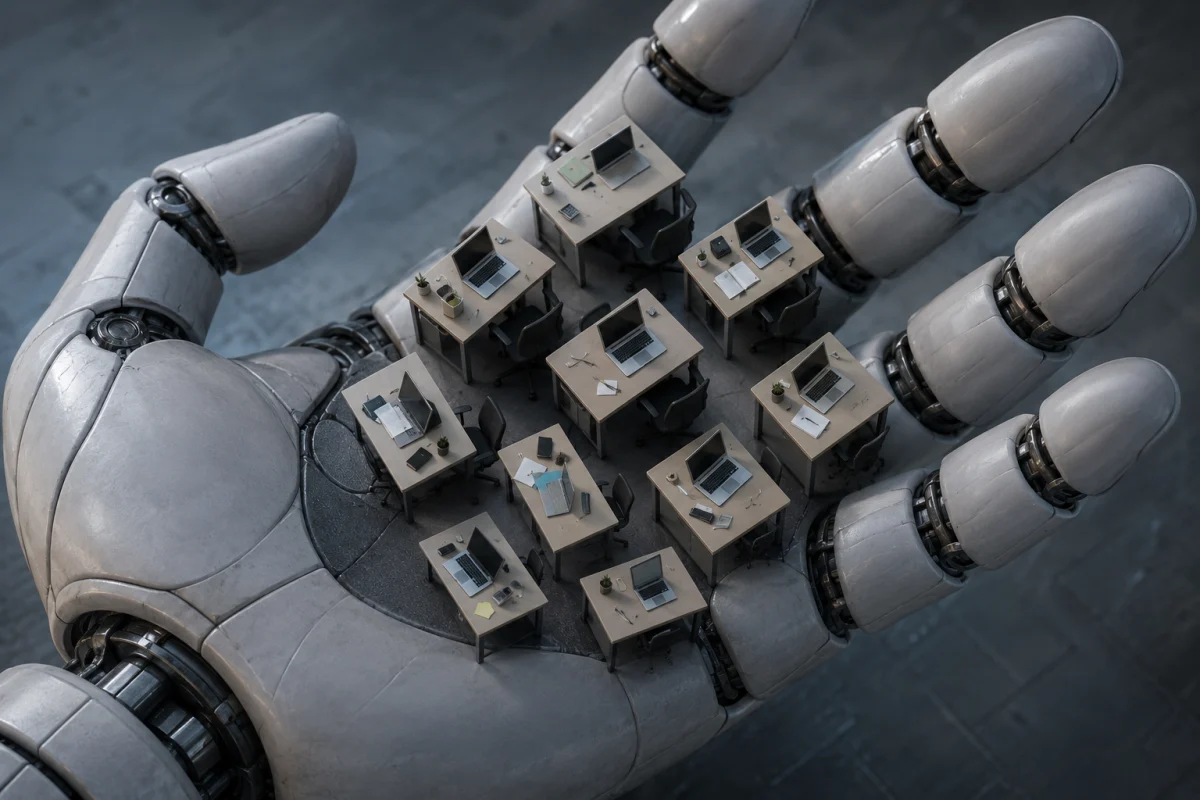
The AI revolution is not just changing software; it is fundamentally reshaping hardware economics. The insatiable appetite for memory and processing power to train and deploy complex AI models means that components once considered standard commodities are now strategic resources. This shift will likely continue to drive innovation in memory technology, pushing for even higher densities, bandwidths, and energy efficiency.
Looking ahead, the industry will need to find a balance between meeting the explosive demand for AI-specific hardware and ensuring the continued affordability and accessibility of general-purpose computing devices. Investments in advanced packaging technologies, new memory architectures, and increased global manufacturing capacity will be crucial. Until supply can adequately catch up with demand, particularly from the voracious AI sector, consumers should anticipate that the cost of high-performance computing will remain elevated. Apple’s latest MacBook Pro pricing serves as a clear and early indicator of these evolving market dynamics, signaling that the era of AI-driven hardware inflation is firmly upon us.