Amir Mahmud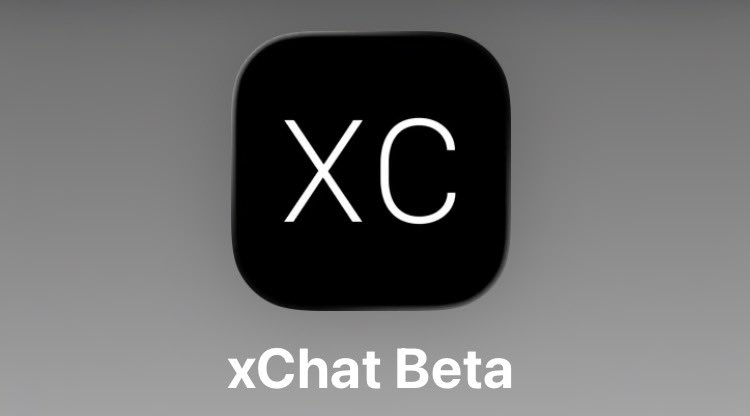
Social media giant X is embarking on a significant strategic shift with the introduction of a dedicated messaging application for iOS, currently undergoing an initial beta testing phase. This move sees the platform, formerly known as Twitter, carving out its private communication features into a distinct service, potentially departing from its recent emphasis on an integrated "everything app" model.
The initial beta program for what is being internally referred to as "X Chat" or "xChat" quickly reached its full capacity of 1,000 users within a mere two hours of its announcement. This rapid uptake, facilitated through Apple’s TestFlight platform, underscores significant user interest and demand for a streamlined messaging experience. Michael Boswell, a product designer at xAI, confirmed the beta launch via an X post, indicating plans to broaden the testing pool "soon," though a specific timeline for this expansion remains undisclosed. An Android version of the X Chat app is also anticipated "very soon," according to X’s AI chatbot, Grok, suggesting a broader multi-platform rollout is imminent.
The Vision of an "Everything App" and a Strategic Pivot
The introduction of a standalone messaging application marks a notable evolution in X’s product strategy, particularly when viewed against the backdrop of owner Elon Musk’s ambitious vision for the platform. Since acquiring Twitter in October 2022, Musk has consistently articulated his intention to transform the social network into X, an "everything app" modeled after successful super-apps like China’s WeChat. This vision encompasses a broad spectrum of functionalities, including messaging, payments, content creation, commerce, and more, all centralized within a single, unified interface.
The concept behind an "everything app" is to create an indispensable digital hub that caters to nearly every aspect of a user’s online life, fostering deep engagement and minimizing the need to switch between multiple applications. For X, this meant integrating advanced direct messaging capabilities, enhancing content discovery, and exploring financial services. The rebranding from Twitter to X in July 2023 was a pivotal moment in this strategic overhaul, symbolizing the platform’s metamorphosis beyond its microblogging origins.
However, the launch of a dedicated X Chat app appears to represent a potential pivot or, at the very least, a significant re-evaluation of how this "everything app" vision will manifest. Unbundling a core feature like messaging into a separate application could be interpreted in several ways: it might be a tactical move to allow for more focused development and faster iteration on the messaging experience, a concession to user preferences for dedicated tools, or an acknowledgment that a fully integrated super-app might face user adoption challenges in Western markets. The decision to separate messaging could also be an attempt to offload complexity from the main X app, making it lighter and more efficient for its primary social networking functions, while still offering a premium chat experience for those who desire it.
The Evolution of Messaging on X
Direct messaging has been a fundamental component of the Twitter experience for years, evolving from simple text-based private conversations to a richer communication tool supporting media sharing, group chats, and voice notes. Under the X brand, these direct messages (DMs) received a significant upgrade with the introduction of end-to-end encryption (E2EE) for certain conversations. This enhancement aimed to bolster user privacy and security, bringing X’s messaging capabilities closer to those offered by dedicated encrypted messaging services.
The standalone X Chat app is positioned as an upgraded iteration of these existing E2E encrypted DMs, promising a smoother and more focused user interface. Prior to this app, X also launched a dedicated web application for chat, chat.x.com, in December 2025, signaling a growing emphasis on its messaging services. The new iOS app is designed to sync seamlessly with both the main X application and this web app, ensuring continuity across platforms for users. Early testers have described the standalone app as offering a simpler, more streamlined interface compared to accessing DMs within the broader X platform, suggesting an improved user experience is a key objective. While the current beta version reportedly lacks "message requests," xAI product designer Michael Boswell has indicated that this feature is being rebuilt, suggesting a commitment to a comprehensive messaging solution. Grok has also confirmed that the app will carry the same 17+ age rating as the main X app on the iOS App Store.
Security Concerns and User Trust
Despite X’s claims of end-to-end encryption for its X Chat service, the platform has faced scrutiny from security experts regarding the robustness and trustworthiness of its implementation. While the concept of E2EE is designed to ensure that only the communicating parties can read their messages, the specifics of its deployment are critical. Security professionals have previously warned potential users that X Chat’s encryption may be less secure than that offered by established, privacy-focused messaging apps such as Signal.
These warnings typically stem from factors such as the lack of independent security audits, the absence of open-source client code for verification, or potential vulnerabilities in key management and metadata handling. In the highly competitive and privacy-conscious digital landscape, trust is paramount. Users often rely on the transparency and verifiable security practices of messaging platforms to safeguard their sensitive communications. It remains unclear whether the development of the standalone X Chat app has addressed these specific security community concerns or if any improvements have been made to its underlying encryption protocols. For X to gain significant traction in the crowded messaging market, especially among users prioritizing privacy, demonstrating a clear commitment to verifiable security and transparency will be crucial. This could involve engaging independent auditors, publishing cryptographic whitepapers, or open-sourcing relevant components of the application.
Market Landscape and Competition
The decision to launch a standalone messaging app places X Chat squarely in one of the most saturated and competitive segments of the digital market. Users already have a plethora of established and widely adopted messaging services to choose from, including Meta’s WhatsApp and Messenger, Apple’s iMessage, Telegram, and Signal. Each of these platforms boasts massive user bases, deeply ingrained network effects, and a range of features that cater to diverse communication needs.
Entering such a mature market presents significant challenges. X Chat will need to offer compelling differentiators to entice users away from their current preferred apps or convince them to adopt yet another messaging service. Its primary advantage lies in its integration with the existing X ecosystem and user base. For existing X users, a dedicated app promising a smoother, more focused messaging experience might be appealing, particularly if they frequently use DMs for private conversations within their X network. However, attracting users outside of the X sphere will require a more robust value proposition, potentially leveraging unique features or superior performance.
The success of X Chat will also depend on its ability to build trust and demonstrate superior performance, especially in areas like reliability, speed, and privacy. Given the public skepticism regarding its encryption, overcoming this perception will be a critical hurdle. In a world where digital communication is fragmented across multiple platforms, X’s gamble on a standalone messaging app could either carve out a valuable niche or struggle to gain significant traction against entrenched competitors.
User Experience and Future Outlook
Early impressions from the beta testers paint a picture of an application designed for simplicity and efficiency. Screenshots shared by users highlight a clean interface, with one user noting the stylized name "xChat" instead of "X Chat," potentially hinting at a future branding direction. The login screen, adorned with a starry background, suggests a move towards a more distinct aesthetic identity for the messaging service. The immediate feedback suggests that the app delivers a "simpler, smoother interface" for engaging with X Chat compared to the integrated experience within the main X app.
The rapid filling of the initial beta slots indicates a strong appetite among X users for an improved, dedicated messaging experience. This enthusiasm could be a significant asset as X continues to develop and refine the app. Future enhancements, such as the reintegration of message requests and the highly anticipated Android version, will be crucial for broadening its appeal and functionality. Some early testers have already begun to suggest potential feature integrations, such as an "XSpaces" feature, which could transform the app into a more comprehensive communication hub akin to Discord, incorporating chat, images, video, and live audio/video capabilities. Such integrations, if implemented, could further define X Chat’s unique position in the market.
Ultimately, the launch of a standalone X Chat app represents a fascinating chapter in X’s ongoing evolution under Elon Musk’s leadership. It raises questions about the long-term viability and strategy of the "everything app" vision in Western markets, and whether unbundling core features might be a more pragmatic approach to delivering specialized, high-quality user experiences. As X continues its journey, the success of X Chat will be a key indicator of its ability to innovate, adapt to user needs, and compete effectively in the ever-changing digital landscape.