Amir Mahmud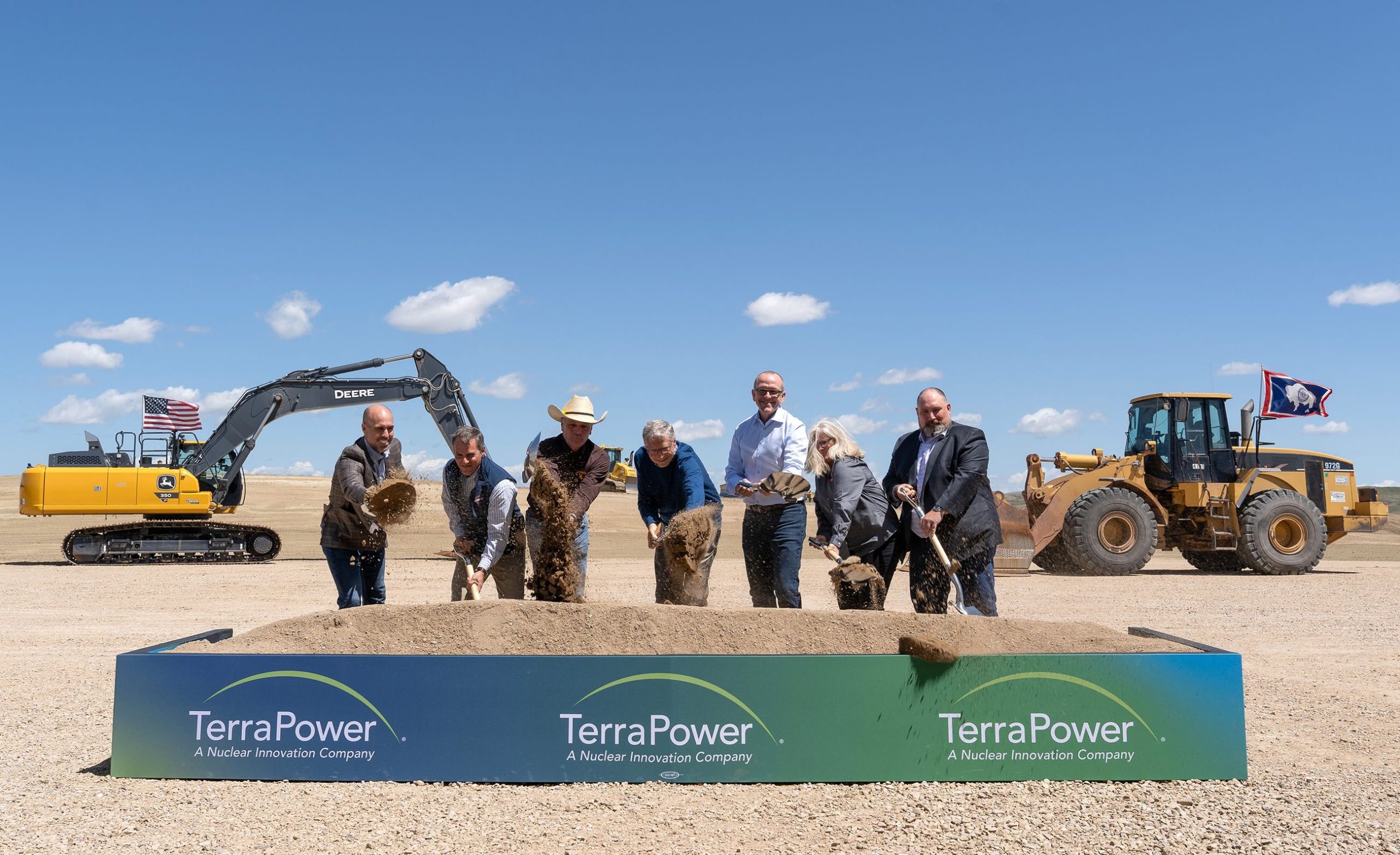
The U.S. Nuclear Regulatory Commission (NRC) has granted a pivotal construction permit to TerraPower, the energy venture spearheaded by Bill Gates, to build its innovative Natrium nuclear reactor in Kemmerer, Wyoming. This landmark decision marks the first time the NRC has issued such a permit for a commercial nuclear reactor in nearly a decade, signaling a potential resurgence in advanced nuclear technology development within the United States. The proposed facility, slated to rise adjacent to the retiring Naughton coal-fired power plant, represents a significant step toward decarbonizing the nation’s energy grid while offering a glimpse into the future of power generation.
A New Era for Nuclear Energy
For decades, the American nuclear energy sector has primarily operated existing light-water reactors, with new builds being slow and often contentious. The last commercial reactor came online in 2023, but before that, the industry saw a significant lull in new construction approvals since the 1970s and 80s. This stagnation was largely due to public safety concerns stemming from incidents like Three Mile Island, Chernobyl, and Fukushima, alongside escalating construction costs and complex regulatory frameworks. New nuclear projects were viewed with caution, and the industry faced significant economic and social headwinds.
However, a renewed interest in nuclear power has emerged, driven by the pressing need for reliable, carbon-free baseload electricity to combat climate change and meet surging energy demands. Policymakers, environmental advocates, and tech innovators are increasingly recognizing nuclear’s potential as a critical component of a diversified clean energy portfolio. This shift reflects a growing understanding that intermittent renewables alone may not suffice for a stable, fully decarbonized grid. TerraPower’s Natrium project embodies this strategic pivot, moving beyond traditional reactor designs to explore advanced concepts that promise enhanced safety, efficiency, and operational flexibility.
The Natrium Reactor: A Glimpse into Advanced Design
At the heart of TerraPower’s endeavor is the Natrium reactor, a cutting-edge design developed in collaboration with GE Vernova Hitachi. Unlike the vast majority of commercial nuclear reactors built over the past fifty years, which rely on water as a coolant, the Natrium plant employs molten sodium. This distinction is profound; it marks the first time in over four decades that the NRC has approved a commercial reactor not cooled by conventional water, highlighting the agency’s openness to novel approaches in nuclear fission and a potential departure from historical reliance on light-water designs.
The Natrium reactor is designed to generate 345 megawatts of electricity, a capacity that positions it uniquely in the evolving nuclear landscape. While it is approximately two-thirds smaller than conventional, full-scale gigawatt-class reactors, it significantly surpasses the output of many emerging Small Modular Reactor (SMR) designs, which typically range from tens to