Amir Mahmud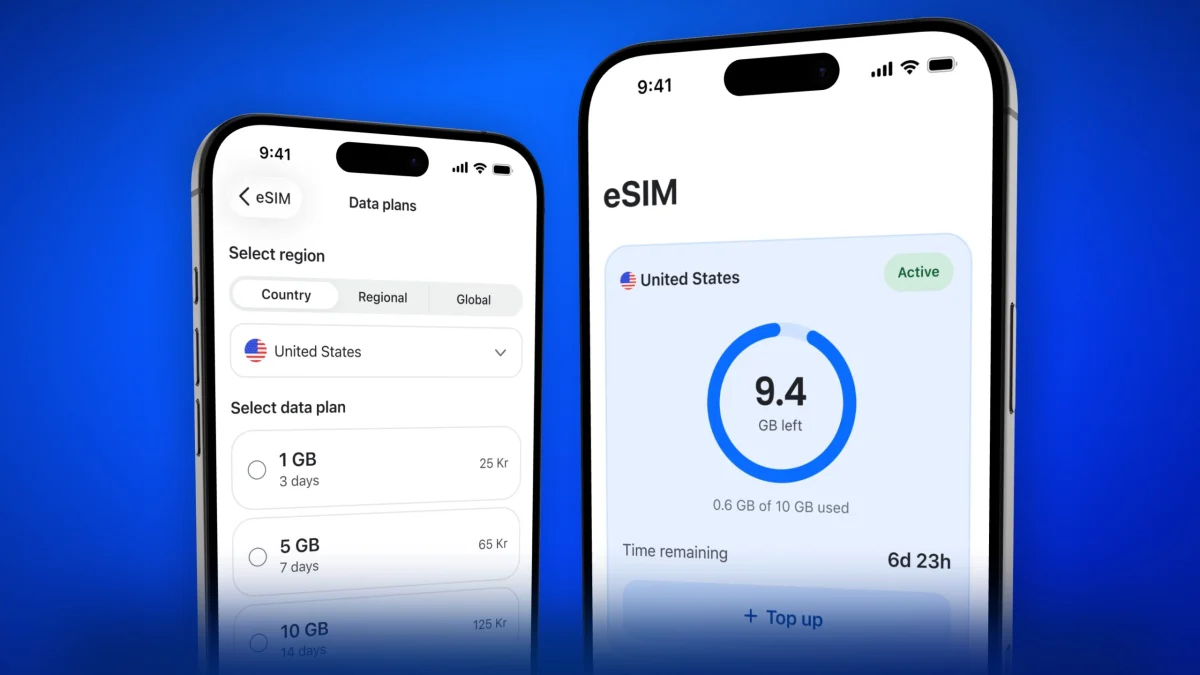
The global caller identification service, Truecaller, has embarked on a significant strategic expansion, venturing into the embedded SIM (eSIM) services market for international travelers. This move represents a pivotal moment for the company, signaling a deliberate effort to diversify its revenue streams and fortify its financial standing amidst a challenging advertising landscape. With an initial rollout across 29 countries, Truecaller aims to leverage its massive existing user base to quickly establish a foothold in the competitive digital connectivity sector.
A Shift from Caller ID to Global Roaming
Truecaller, founded in 2009 in Stockholm, Sweden, gained prominence as a pioneering mobile application designed to identify unknown callers, block spam calls, and filter out unsolicited telemarketing. Over the years, it has evolved into a comprehensive communication utility, integrating features like instant messaging, call recording, and payment services in certain markets. Its success has been largely predicated on its extensive database, built through crowd-sourcing and public directories, enabling users worldwide to identify and avoid nuisance calls. The application boasts a formidable global footprint, with over 500 million monthly active users, making it one of the most widely used utility apps, particularly in emerging markets.
However, despite its widespread adoption, Truecaller has recently faced headwinds, particularly concerning its financial performance. The company reported disappointing first-quarter 2026 numbers, which saw net sales decline by 27% to 362 million SEK (approximately $39.34 million USD). A significant contributor to this downturn was a sharp 44% drop in advertising revenues, highlighting a critical vulnerability in its traditional business model. In response to these pressures, Truecaller undertook a difficult restructuring, including the layoff of 70 employees across various teams. This backdrop underscores the urgency and strategic importance of new ventures like the eSIM service, as the company seeks to build more resilient and diverse income streams beyond advertising.
Understanding the eSIM Ecosystem
The introduction of eSIM technology has been a quiet revolution in the telecommunications industry, steadily gaining momentum over the past few years. Unlike traditional physical SIM cards, an eSIM is a small chip embedded directly into a mobile device during manufacturing. This allows users to activate a cellular plan digitally without needing to swap physical cards. The technology offers unparalleled convenience, especially for international travelers, who can switch between local network providers or international roaming plans with a few taps on their phone, avoiding expensive roaming charges or the hassle of finding local SIM card vendors.
The proliferation of eSIM-compatible devices, notably Apple’s decision to remove physical SIM trays from its iPhone 14 series in the U.S. and subsequent models globally, has significantly accelerated eSIM adoption. This shift has created a fertile ground for service providers offering digital-only connectivity solutions. For travelers, the benefits are clear: instant connectivity upon arrival, the ability to maintain their primary number while using a local data plan, and often more competitive pricing compared to traditional roaming. This convenience aligns perfectly with the demands of modern global mobility, making eSIM a natural fit for tech companies looking to cater to an increasingly mobile user base.
The Growing Market for Digital Connectivity
The post-pandemic resurgence in international travel has further fueled the demand for seamless and cost-effective global connectivity solutions. As millions resume business trips and leisure vacations, the market for travel-centric eSIM services has exploded. This growth has attracted significant investor interest, with numerous startups in the sector securing substantial funding rounds. Within the last year alone, companies like Airalo, Roamless, Kolet, eSIMo, and Truley have collectively raised millions of dollars, underscoring the market’s perceived potential and the appetite for innovation in digital travel services. These investments reflect a broader industry recognition that eSIMs are not just a niche product but a fundamental component of future mobile connectivity, particularly for those on the move.
The competitive landscape for eSIM services is already vibrant, featuring a mix of dedicated eSIM providers and companies extending their offerings. Established players such as Airalo and Holafly have built strong brands and user bases by focusing purely on travel eSIMs, offering a wide array of country-specific and regional plans. Other entrants include VPN service providers like NordVPN, which launched its Saily eSIM app, aiming to bundle connectivity with security features. This diverse ecosystem suggests that while the market is growing, new players must differentiate themselves effectively to capture market share.
Truecaller’s Strategic Playbook
Truecaller’s entry into the eSIM market is not merely an opportunistic venture but a calculated strategic move designed to leverage its most valuable asset: its vast and loyal user base. Truecaller Chief Operating Officer Fredrik Kjell highlighted this advantage, stating, "The starting point is different from other players in the category. They have had to build their audiences from zero. We are offering travel eSIM inside our app that over 500 million people already use and trust every month." This integrated approach means Truecaller doesn’t need to spend heavily on user acquisition for its new service; it can directly market to an established, engaged audience. This inherent distribution advantage could significantly alter pricing strategies and market penetration compared to pure-play eSIM competitors.
The company’s eSIM plans are designed to cater to various traveler needs, ranging from a modest 1 GB over 7 days to a more substantial 20 GB over 30 days. This flexibility allows users to select plans that align with their travel duration and data consumption habits. To operate this new platform, Truecaller has partnered with global cellular connectivity provider Telna and telecom software provider Telness Tech, ensuring robust infrastructure and seamless service delivery. The initial rollout covers 29 countries, including major travel destinations and economic hubs across Europe, North America, Oceania, parts of South America, Africa, and Asia. Notable inclusions are the United States, United Kingdom, Canada, Australia, and a significant portion of the European Union, signaling a focus on high-traffic travel corridors.
Navigating Regulatory Complexities: The India Scenario
Despite its expansive initial launch, a notable omission from Truecaller’s eSIM service list is India, the company’s largest market. This exclusion is not accidental but rather a reflection of India’s stringent telecommunications regulations. The Indian government has previously expressed concerns regarding the operational models of certain eSIM providers, particularly those that might circumvent local licensing requirements or raise issues related to subscriber verification and potential fraudulent use. In the past, authorities in India have reportedly blocked other eSIM applications like Airalo and Holafly over these regulatory apprehensions.
For Truecaller, navigating the Indian regulatory landscape is a complex challenge. While the company enjoys immense popularity in India, its ability to introduce a service like eSIM will depend heavily on its capacity to meet local compliance standards, which often involve specific Know Your Customer (KYC) procedures and agreements with licensed telecom operators. The absence of its biggest market from the initial launch signifies either ongoing discussions with Indian regulators or a cautious approach to avoid potential legal hurdles. Its eventual entry into the Indian eSIM market, if successful, would unlock a massive opportunity but requires careful strategic planning and regulatory alignment.
Broader Implications and Competitive Landscape
Truecaller’s foray into eSIM services has broader implications for both the company and the digital travel ecosystem. For Truecaller, it represents a bold step towards becoming a "super app" – an application that integrates multiple services beyond its core function. This strategy mirrors that of tech giants in Asia, like WeChat, which have successfully diversified into payments, social media, and lifestyle services. By offering eSIMs, Truecaller aims to increase user engagement within its app, turning it into a more indispensable tool for daily life and travel.
The move also intensifies competition within the travel tech space. While established eSIM providers have spent years cultivating their brands, Truecaller’s immediate access to hundreds of millions of users presents a formidable challenge. Its ability to bundle connectivity with its existing communication and security features could create a compelling value proposition, potentially disrupting the market share of smaller, dedicated eSIM startups. However, Truecaller will need to ensure high-quality service, competitive pricing, and robust customer support to retain users in this new domain, as the underlying technology is essentially a commodity.
From a data privacy perspective, Truecaller’s history has not been without controversy, particularly regarding its extensive caller ID database. While the company has implemented various measures to enhance user privacy and data security, its entry into eSIM services will likely invite renewed scrutiny regarding how it handles user connectivity data. Maintaining user trust will be paramount, especially as it expands into a service that directly handles personal communication infrastructure.
Financial Pressures and the Path Forward
The strategic pivot towards eSIM is an integral part of Truecaller’s broader effort to mitigate its reliance on advertising revenue and foster sustainable growth. Alongside the eSIM initiative, the company has been actively investing in and promoting other subscription-based features designed to enhance user value and generate recurring income. These include the AI Assistant, which leverages artificial intelligence to respond to calls in the user’s voice, and Family Protection, a feature designed to help users protect their loved ones from scams.
By bundling these premium features with an essential service like global connectivity, Truecaller aims to create a more compelling subscription offering. The company’s leadership views these additional services as critical components in bolstering its balance sheet and providing a more stable financial foundation. The declining ad revenues and recent job cuts underscore the urgency of these diversification efforts, making the success of the eSIM launch a crucial indicator of Truecaller’s adaptability and future trajectory in the fiercely competitive digital services market.
In conclusion, Truecaller’s entry into the eSIM business is more than just a new product launch; it signifies a fundamental strategic reorientation. It’s a calculated response to market pressures, an attempt to leverage its unique user base, and a bold step into the rapidly expanding global connectivity sector. As Truecaller navigates this new frontier, its success will depend on its ability to execute flawlessly, adapt to diverse regulatory environments, and ultimately convince its vast user base that it can be trusted not just to identify callers, but to connect them to the world.





 Azin Asro