Amir Mahmud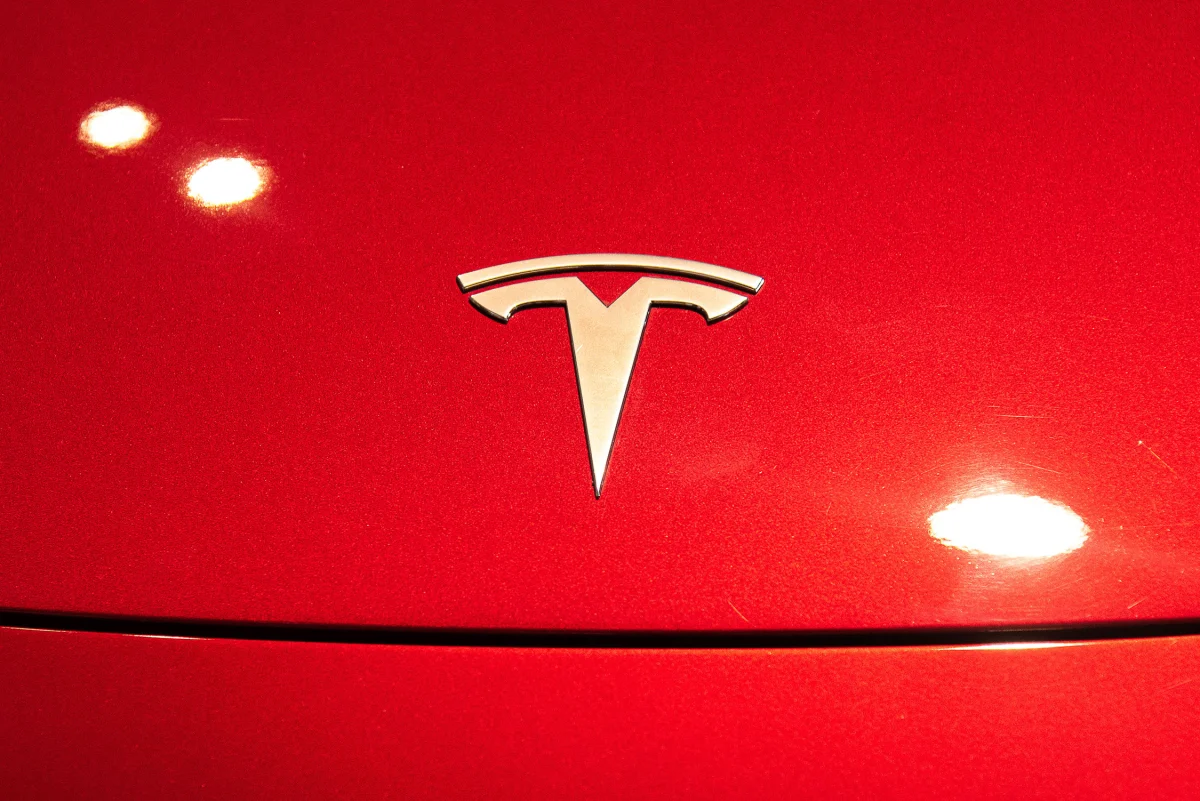
Tesla, the electric vehicle pioneer, recently marked a significant production milestone, announcing via social media that it has manufactured its 10 millionth vehicle. This achievement underscores the company’s transformative journey from a niche startup to a global automotive force, yet it arrives at a pivotal moment as the electric vehicle market matures, competition intensifies, and the company grapples with the ambitious targets set by its leadership.
A Decade of Acceleration: Tesla’s Production Trajectory
The journey to 10 million vehicles has been characterized by both rapid growth and significant operational hurdles. It was just six years ago that Tesla celebrated the production of its one millionth vehicle, highlighting an exponential increase in manufacturing capabilities in the intervening period. This acceleration has been largely driven by the mass-market success of its Model 3 sedan and Model Y SUV, which have become staples in the global EV landscape.
Tesla’s origins trace back to 2003, founded by a group of engineers who envisioned electric vehicles outperforming gasoline cars. Elon Musk joined in 2004, becoming chairman and later CEO, articulating a master plan that began with a high-end sports car (the Roadster, launched in 2008) to fund progressively more affordable models. The Model S sedan, introduced in 2012, established Tesla as a serious contender, combining luxury with groundbreaking electric range and performance. However, it was the Model 3, unveiled in 2016 and entering mass production in 2017, that truly scaled Tesla’s operations, leading to what Musk famously termed "production hell" as the company struggled to ramp up output to meet surging demand. The subsequent introduction of the Model Y further solidified its market position, leveraging shared components with the Model 3 for efficient production.
The company’s strategy of building large-scale Gigafactories in Nevada, New York, Shanghai, Berlin, and Texas has been crucial to its expansion, allowing for localized production and reduced logistics costs. These facilities symbolize Tesla’s vertical integration strategy, aiming to control nearly every aspect of vehicle production, from battery cell manufacturing to software development.
The Lofty Goals of Elon Musk’s Compensation Plan
The 10 million vehicle milestone is not merely a number; it is intricately linked to the ambitious performance metrics embedded within CEO Elon Musk’s compensation package, which shareholders approved last year. This unprecedented package, potentially worth a trillion dollars, is contingent upon Tesla achieving a series of aggressive financial and operational objectives by 2035. Reaching 10 million vehicles means the company is halfway to one of these core product goals: building 20 million vehicles.
Musk’s vision for Tesla extends far beyond simply selling cars. The compensation plan outlines four primary product-related goals, alongside a formidable financial target:
- 20 Million Vehicles Produced: This is perhaps the most straightforward metric, yet achieving it requires a sustained annual production rate far exceeding current levels. While Tesla has enjoyed intense growth, it has yet to sell 2 million vehicles in a single year. Maintaining or slightly improving its current pace would see the company reach the 20 million cumulative mark no sooner than the early 2030s, leaving little room for error or slowdowns.
- 10 Million Active Full Self-Driving (FSD) Subscriptions: Tesla’s FSD software, promising full autonomous driving capabilities, has been a cornerstone of its technological ambition and a significant revenue stream. The company recently reported just shy of 1.5 million FSD subscribers, though the precise counting methodology – specifically whether free trials contribute to the "active subscriptions" goal – remains a point of ambiguity that could significantly impact the official tally for the compensation package. The journey to 10 million active, paying subscribers presents substantial technological, regulatory, and consumer adoption challenges.
- 1 Million "Bots": This refers to the Optimus humanoid robot, a project still in its nascent stages. Introduced as a futuristic endeavor, Optimus is envisioned to perform repetitive or dangerous tasks, initially within Tesla’s own factories, before potentially expanding to broader industrial or even domestic applications. Delivering one million functional robots represents a monumental leap in robotics engineering and manufacturing, moving beyond conceptual prototypes to scalable, commercially viable products.
- 1 Million Robotaxis on the Road: Complementing the FSD initiative, the robotaxi goal envisions a vast network of fully autonomous vehicles providing on-demand transportation. This objective hinges entirely on the successful deployment and regulatory approval of FSD technology, alongside the development of a robust service platform and charging infrastructure. The technical hurdles for truly driverless operation in diverse environments are immense, and the regulatory frameworks for such services are still evolving globally.
Beyond these product-centric goals, Musk’s compensation also requires Tesla to achieve a staggering $400 billion in adjusted EBITDA (Earnings Before Interest, Taxes, Depreciation, and Amortization) by 2035. This financial target looms particularly large, given that the company’s adjusted EBITDA currently hovers around $3.27 billion and has recently shown signs of contraction. This shrinking profitability is attributed to factors such as aggressive price cuts to stimulate demand, the diminishing value of saleable regulatory credits, and substantial increases in spending on research and development for new initiatives like AI and robotics. The path to a 100-fold increase in profitability within a decade presents an extraordinary challenge, requiring not only massive scaling but also sustained high-margin operations.
Navigating a Shifting Market Landscape
While Tesla celebrates its production milestones, the market dynamics it operates within are undergoing significant shifts, presenting both opportunities and formidable challenges.
U.S. Market Struggles and Global Diversification:
In its home market, Tesla has encountered headwinds. U.S. sales experienced a 13% year-over-year decline in the second quarter, signaling a potential softening of demand. This slowdown is multifaceted, possibly influenced by increased competition, the saturation of early adopters, and broader economic uncertainties affecting consumer spending on high-value items. In response, Tesla has actively pursued newer international markets, focusing on regions like Japan, Australia, and Lithuania to court buyers and sustain growth. These markets often offer untapped potential, less entrenched EV competition, and sometimes government incentives that can bolster adoption.
Intensifying Competition:
The competitive landscape for electric vehicles has dramatically evolved since Tesla’s early dominance.
- BYD’s Ascent: China’s BYD has emerged as Tesla’s primary global rival, especially in volume. BYD recently surpassed 17 million "new energy vehicles" (NEVs) built and sold, a category that includes both battery electric vehicles (BEVs) and plug-in hybrids (PHEVs). Approximately half of BYD’s NEV production consists of hybrids, a strategic approach that allows it to appeal to a broader customer base, particularly in markets where EV charging infrastructure is still developing or where consumers prefer the flexibility of a hybrid powertrain. BYD’s aggressive pricing, extensive model lineup, and strong presence in its domestic market have propelled its rapid growth.
- Legacy Automakers: Traditional automotive giants, initially slow to embrace electrification, have now committed billions to developing their EV platforms and models. While some have recently "pulled back" from their most aggressive EV targets due to manufacturing complexities, supply chain issues, and fluctuating consumer demand, they still represent formidable long-term competitors. Their vast production capacities, established dealer networks, and brand loyalty in conventional vehicle segments mean they can quickly scale EV production once their strategies stabilize. Many are now focusing on a balanced portfolio that includes hybrids and internal combustion engines alongside EVs, providing consumers with more choices.
- EV Startups: Companies like Rivian and Lucid Motors, once hailed as potential "Tesla killers," have struggled to achieve scale. The automotive industry is notoriously capital-intensive, requiring immense investment in R&D, manufacturing facilities, and supply chains. These startups have faced challenges in ramping up production, managing costs, and securing consistent demand, underscoring the difficulty of breaking into the established auto market, even with innovative products.
Social, Cultural, and Industrial Impact
Tesla’s impact extends beyond mere sales figures; it has profoundly influenced the automotive industry and consumer perception of electric vehicles. The company’s innovative approach, from its direct-to-consumer sales model to its over-the-air software updates, has forced legacy automakers to rethink their own strategies. Tesla single-handedly demonstrated that EVs could be desirable, high-performance vehicles, dispelling earlier notions of electric cars as merely utilitarian or golf cart-like. This "Tesla effect" accelerated global EV adoption and spurred massive investments in charging infrastructure and battery technology.
Culturally, Tesla and its enigmatic CEO, Elon Musk, have become a phenomenon. The brand evokes strong loyalty among its customers, often fostering a community akin to a tech company rather than a traditional car manufacturer. Musk’s public persona and his ambitious pronouncements on everything from space exploration to artificial intelligence have kept Tesla consistently in the media spotlight, driving both fervent admiration and intense scrutiny. This cultural footprint is a unique asset, but also a source of volatility, as the company’s fortunes are often intertwined with Musk’s public image and pronouncements.
A Crossroads of Ambition and Reality
The 10 million vehicle milestone is a testament to Tesla’s remarkable journey and its foundational role in the electric revolution. However, it also highlights the immense challenges ahead. The company stands at a crossroads, needing to evolve beyond its initial disruption phase into a mature, globally competitive enterprise while simultaneously pursuing some of the most ambitious corporate goals ever publicly articulated.
Achieving the next 10 million vehicles, let alone the 20 million target, will require not only sustained production growth but also effective navigation of an increasingly competitive and diverse global market. The feasibility of achieving 10 million FSD subscriptions, a million robots, and a million robotaxis by 2035 remains a subject of intense debate among industry analysts and investors, given the current technological and regulatory hurdles. Similarly, the leap to $400 billion in adjusted EBITDA is an astronomical ambition that will demand unprecedented efficiency, innovation, and expansion into highly profitable new ventures.
Tesla’s journey continues to be a captivating blend of technological innovation, audacious vision, and operational reality. The 10 millionth vehicle is a powerful symbol of its past success, but the true measure of its future will lie in its ability to translate the visionary goals of its leadership into tangible, profitable realities amidst an ever-changing landscape.


 Azin Asro