Amir Mahmud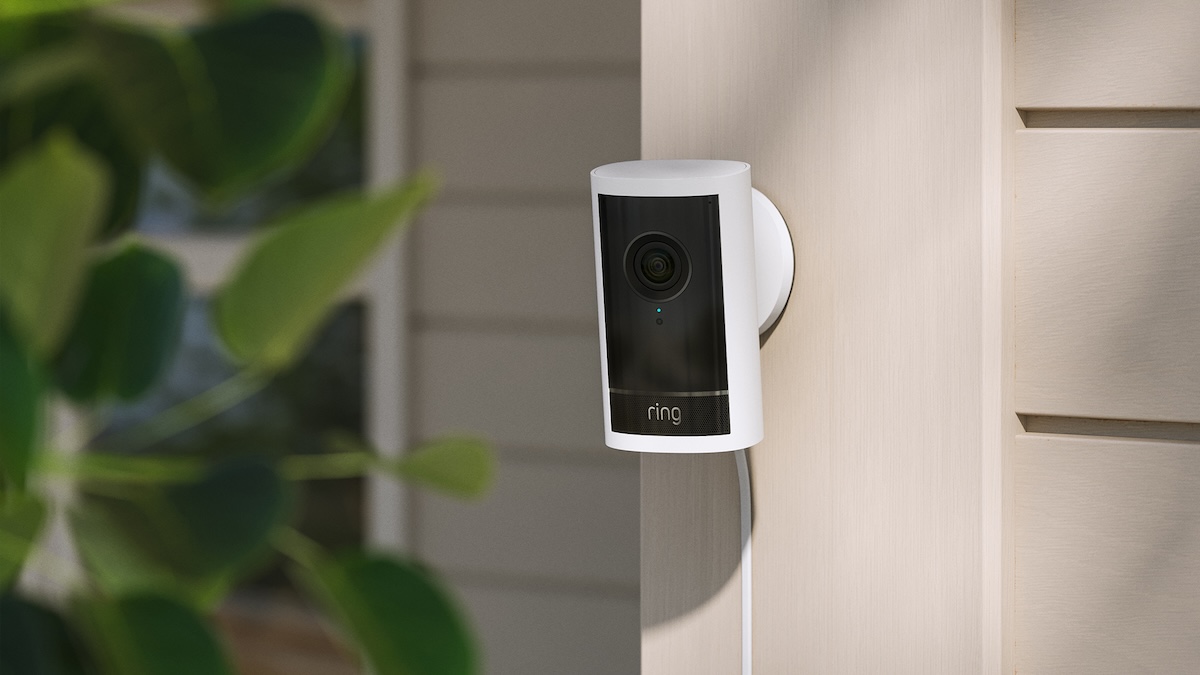
Amazon-owned Ring, a dominant force in the smart home security market, is embarking on a significant strategic shift with the introduction of a new app store designed to unlock a vast array of capabilities for its extensive network of cameras. With over 100 million devices already deployed in homes and businesses globally, this initiative signals a bold move to transcend traditional surveillance, positioning Ring as a versatile platform for artificial intelligence-driven applications. The app store, initially unveiled at the Consumer Electronics Show in January, is poised to redefine the utility of connected cameras, extending their function far beyond merely monitoring for intruders to encompass critical areas like elder care, workforce analytics, and property management.
The Evolution of Smart Home Technology and Ring’s Ascent
To truly appreciate the magnitude of Ring’s latest venture, it’s essential to understand its journey and the broader evolution of the smart home industry. Founded in 2013 as Doorbot, the company gained prominence with its video doorbell, which allowed homeowners to see and speak to visitors remotely. Its acquisition by Amazon in 2018 for an estimated $1 billion cemented its position as a key player in the tech giant’s burgeoning smart home ecosystem, alongside devices like Alexa and Eero mesh Wi-Fi.
Ring’s success was largely predicated on democratizing home security, making surveillance accessible and affordable for millions. The company capitalized on a growing public appetite for peace of mind, offering a tangible solution to common concerns about package theft, property crime, and general home monitoring. Over the years, Ring expanded its product line to include a variety of indoor and outdoor cameras, floodlight cams, and alarm systems, solidifying its market leadership. This expansive footprint, now exceeding 100 million cameras, provides an unparalleled foundation for a platform play, transforming what were once passive recording devices into active, intelligent nodes capable of running sophisticated applications. The transition reflects a broader industry trend where hardware companies seek to monetize their installed base through recurring software services and ecosystem development.
Leveraging an Extensive Footprint
The sheer scale of Ring’s deployed devices presents a unique opportunity for developers. Unlike traditional app stores tied to mobile operating systems, Ring’s platform offers a direct conduit to a specific type of hardware – cameras and their associated sensors – that are actively observing real-world environments. This "surface area," as Ring founder and CEO Jamie Siminoff describes it, is a powerful incentive for developers. It promises a substantial potential customer base for niche applications that leverage visual and auditory data. Siminoff emphasizes that this move is about unlocking latent value in the existing hardware, allowing customers to gain new functionalities from devices they have already invested in, extending their utility in ways previously unimagined by the company itself.
The strategic decision to launch an app store also aligns with Amazon’s overarching ambition to integrate its services deeply into everyday life. By opening its camera ecosystem to third-party innovation, Ring could potentially create a sticky platform that enhances customer loyalty and generates new revenue streams through commissions on partner sales. This model mirrors Amazon’s success with its marketplace and AWS, extending its platform-as-a-service philosophy to the physical world observed by its devices.
The Power of Artificial Intelligence
At the heart of this expansion lies the rapid advancement of artificial intelligence, particularly in computer vision and audio analytics. AI algorithms are no longer limited to simple motion detection; they can now interpret complex visual and auditory patterns, distinguishing between objects, recognizing specific activities, and understanding contextual cues. This sophisticated AI processing transforms raw video and audio feeds into actionable insights. For example, AI can differentiate between a person, a pet, and a package, or detect the sound of breaking glass versus a car horn.
This enhanced perception is what enables the new wave of applications. Instead of merely recording an event, Ring cameras, powered by these AI applications, can now analyze, interpret, and provide intelligent alerts or automate responses based on specific scenarios. The shift from basic surveillance to intelligent perception is pivotal, moving Ring from a reactive security tool to a proactive, multifaceted assistant for various aspects of daily life and business operations. This technological leap allows Ring to venture into domains that demand more nuanced understanding of environmental interactions, making the camera an "intelligent assistant" rather than just an "eye."
Diverse Applications Beyond Security
The initial suite of applications demonstrates the breadth of Ring’s ambition beyond its core security offerings. One notable launch partner is Density, a SoftBank-backed company whose "Routines" app focuses on elder care. By leveraging Ring cameras, Routines can monitor the daily patterns of aging individuals, detecting deviations that might signal a fall, a prolonged period of inactivity, or a change in routine that warrants attention. This offers families a non-invasive way to support their loved ones from afar, providing crucial alerts and peace of mind without constant direct supervision. This application taps into a significant societal need, given the global aging population and the increasing demand for remote care solutions.
Another innovative application comes from QueueFlow, which targets workforce analytics. This app assists businesses in understanding wait times and congestion levels in various environments, from event venues and restaurants to service desks and waiting rooms. By analyzing foot traffic and queue dynamics, businesses can optimize staffing, improve customer flow, and enhance operational efficiency. This kind of data-driven insight, previously requiring specialized sensor installations, can now be derived from existing Ring cameras, offering a cost-effective solution for small and large enterprises alike.
Minut offers an app tailored for the burgeoning short-term rental market, helping Airbnb hosts monitor their properties. While Minut also offers camera-less sensors for noise and temperature, its integration with Ring cameras adds a visual layer to property management, enabling hosts to verify occupancy, track package deliveries, and ensure property rules are being followed without infringing on guest privacy inside the rental unit itself. Other launch applications include WhatsThatBird.AI for bird identification, memories.ai for comprehensive risk and security detection (fires, smoke, falls, leaks), Lumeo for business alerts and people counting, LawnWatch for lawn health monitoring, ProxView for business loitering detection, StoreTraffic for traffic and line monitoring, and Package Protect for package delivery tracking. Even Amazon’s own "Cheer Chime" app, which chimes when a person tips at checkout, illustrates the diverse utility being explored. This diverse initial offering underscores the "long tail" of use cases that Siminoff envisions, aiming for hundreds of apps across dozens of verticals by the end of the year.
Navigating the Privacy Landscape
Ring’s expansion into these new territories is not without its challenges, particularly concerning privacy. The company has faced significant public scrutiny and consumer backlash regarding surveillance technology, especially its historical partnerships with law enforcement agencies. Critics from organizations like the Electronic Frontier Foundation (EFF) have raised concerns about the potential for mass surveillance and the erosion of civil liberties, pointing to Ring’s past practices of sharing data with police and collaborations with companies like Axon. The infamous cancellation of its partnership with Flock Safety, a maker of AI-powered cameras that share footage with law enforcement, following intense public outcry, serves as a stark reminder of the delicate balance Ring must maintain. This partnership would have allowed law enforcement agencies to request footage directly from Ring doorbell and camera owners, raising significant alarms about privacy and civil liberties.
Recognizing these sensitivities, Ring founder Jamie Siminoff has been proactive in setting clear boundaries for the app store. He explicitly states that the terms of service will strictly prohibit apps offering privacy-invasive features such as facial recognition tools or license plate readers. This preemptive measure aims to mitigate potential negative public relations and demonstrate a commitment to responsible innovation. Siminoff affirms that the company is "trying to be careful to make sure that it is being used for apps that deliver value to the customer" and acknowledges the necessity of "listen[ing] to what’s happening out in the market and the scrutiny." This careful approach reflects an understanding that public trust is paramount for the long-term success of any pervasive surveillance technology, even when repurposed for beneficial applications. The ongoing debate around data privacy and algorithmic bias means that Ring’s commitment to these restrictions will be closely watched by consumers, privacy advocates, and regulators alike.
A Platform for Developers and New Business Models
The operational mechanics of Ring’s new app store present an intriguing departure from conventional mobile app ecosystems. While discoverable within the Ring app on iOS and Android devices, adding partner applications will not leverage Apple’s or Google’s in-app purchase payment systems. This means Ring will bypass the often-contentious commission fees typically paid to these tech giants. Siminoff clarifies that this is because Ring is not directly distributing the partner apps; users will likely still need to download the partner’s standalone app from their respective mobile app stores to unlock the new functionalities. The Ring app itself will serve as a gateway, facilitating discovery and integration rather than hosting the full application logic.
In terms of monetization, Ring will take a 10% commission on sales generated when it directs a customer to one of its partners. This commission structure is initially set for subscription-based services but Ring is open to exploring other business models, including one-time fees or even free, ad-supported applications, should customer demand dictate. This flexibility aims to attract a wide range of developers, from startups to established enterprises, by offering a fair revenue share and a robust distribution channel. Developers can submit their applications for consideration through Ring’s dedicated developer portal, indicating a clear strategy to foster a vibrant, third-party ecosystem. This model could set a precedent for other hardware manufacturers looking to build their own software ecosystems without being entirely beholden to the dominant mobile app store frameworks.
The Road Ahead for Connected Devices
Ring’s foray into a full-fledged app ecosystem represents a significant inflection point not just for the company, but for the broader smart home and Internet of Things (IoT) landscape. It signals a maturation of the connected device market, moving beyond isolated gadgets to integrated platforms that offer extensible functionalities. The vision of "hundreds of apps in tens of verticals" speaks to a future where smart cameras are not just security devices, but versatile sensory hubs contributing to a myriad of daily tasks, from personal assistance to complex business operations.
The success of this initiative will depend on several factors: the ability to attract and retain a robust developer community, the continued innovation in AI capabilities, and most critically, maintaining public trust by rigorously upholding privacy commitments. As Ring attempts to redefine the role of the camera in our lives, its journey will undoubtedly provide valuable insights into the opportunities and challenges inherent in building a truly intelligent, interconnected world. The company’s strategic pivot could indeed mark a new era for home and business intelligence, powered by ubiquitous cameras and sophisticated artificial intelligence.