Amir Mahmud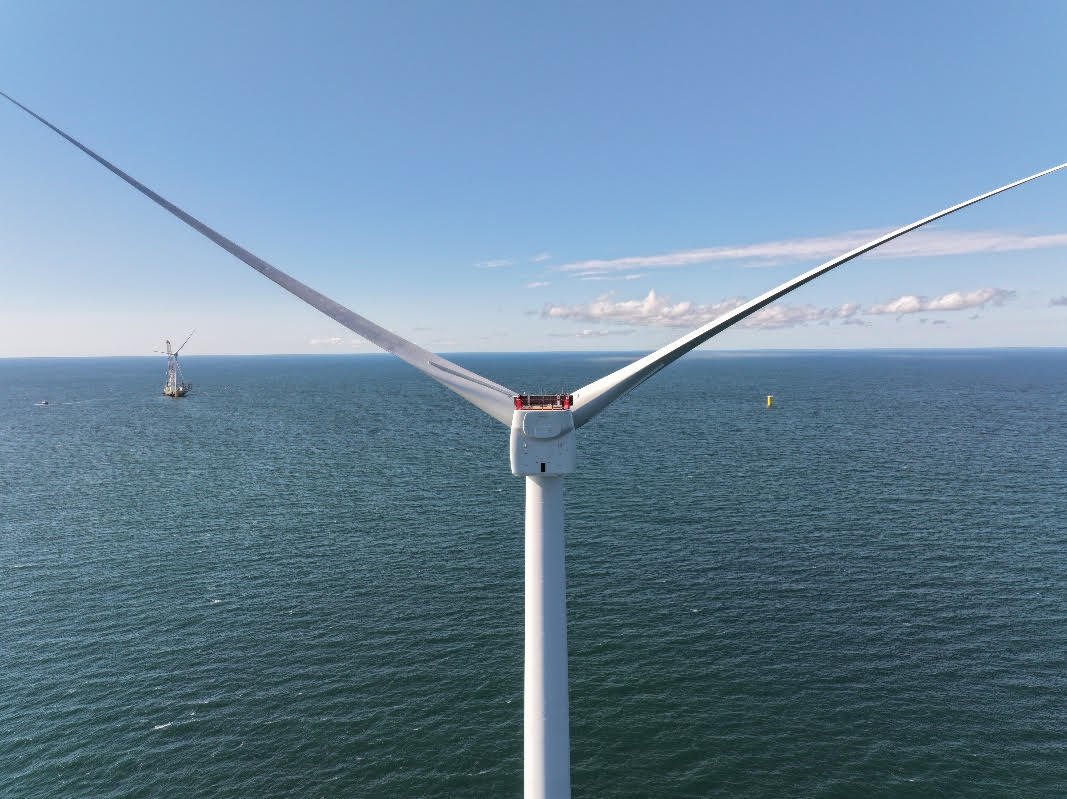
The voracious energy appetite of artificial intelligence and the broader digital economy has pushed the global data center industry to a critical juncture. As demand for computational power skyrockets, driven by the proliferation of large language models and advanced AI applications, the conventional infrastructure model faces unprecedented challenges related to power supply, cooling, and environmental impact. This growing strain is prompting innovators to explore radical alternatives, moving beyond land-based facilities to contemplate environments as extreme as orbital space or, increasingly, the ocean depths.
The Escalating Energy Demands of AI
Artificial intelligence, particularly the sophisticated machine learning models that underpin generative AI, requires immense computational resources. Training a single large AI model can consume as much energy as hundreds of homes in a year, a figure that multiplies when considering continuous inference, fine-tuning, and deployment across various applications. This insatiable hunger translates directly into a demand for vast amounts of electricity, often from stressed national grids. Data centers globally already account for an estimated 1-3% of worldwide electricity consumption, a figure projected to rise significantly with AI’s exponential growth. The environmental implications are substantial, driving a critical need for sustainable, low-carbon energy solutions to power this digital revolution.
Landlocked Limitations: The Pressure on Traditional Data Centers
Traditional data centers, typically located on land, are confronting a confluence of pressures. Real estate for new, hyperscale facilities is becoming increasingly scarce and expensive, particularly in well-connected metropolitan areas. Furthermore, securing the colossal power connections required for modern data centers often strains existing electrical grids, leading to lengthy delays and significant infrastructure upgrades.
Beyond these logistical hurdles, social and environmental concerns are also mounting. Communities near proposed data center sites frequently voice opposition, a phenomenon colloquially known as "NIMBYism" ("not in my backyard"). Residents raise concerns about excessive noise generated by powerful cooling systems, visual impact of sprawling facilities, potential heat plumes affecting local microclimates, and substantial water consumption required for cooling. These factors contribute to a complex permitting landscape and heighten public scrutiny, making the development of new terrestrial data centers increasingly challenging.
Aikido’s Oceanic Vision: A Symbiotic Solution
Amidst this backdrop, Aikido Technologies, an offshore wind developer, is championing a novel approach: submerging data centers within the structural foundations of floating offshore wind turbines. This innovative concept aims to address the core challenges of power access, cooling, and land use by creating a symbiotic relationship between renewable energy generation and data processing.
The company plans to deploy a pilot 100-kilowatt demonstration data center off the coast of Norway later this year. This initial unit will be housed within the submerged pods of a floating offshore wind turbine, directly harnessing the clean energy generated overhead. If successful, Aikido envisions a larger-scale deployment off the coast of the UK by 2028. This ambitious project aims to feature a 15-megawatt to 18-megawatt turbine powering a 10-megawatt to 12-megawatt data center, showcasing the scalability of the concept.
The integration with floating offshore wind turbines is particularly significant. Unlike fixed-bottom turbines limited to shallower waters, floating platforms can be deployed in deeper ocean environments, opening up vast new areas for wind energy harvesting. This technology is still maturing but holds immense promise for expanding renewable energy capacity, especially in regions with strong, consistent offshore winds but deep continental shelves.
Advantages Beneath the Waves
The strategy of moving data centers offshore and submerging them offers several compelling advantages:
- Direct Access to Renewable Power: By integrating directly with offshore wind turbines, these data centers gain immediate access to a consistent, renewable power source. Offshore winds are generally stronger and more stable than onshore winds, leading to higher capacity factors for turbines. While wind power is inherently intermittent, the consistency of offshore conditions, coupled with modest battery storage systems, can bridge any lulls, ensuring a more reliable power supply than many land-based renewable installations.
- Highly Efficient Cooling: One of the most significant operational costs and environmental impacts of data centers is cooling. Servers generate immense heat, which must be dissipated to prevent overheating and ensure optimal performance. Submerged data centers can leverage the vast, cold expanse of the ocean as a natural heat sink. By circulating cold seawater, cooling systems can operate with significantly greater efficiency, reducing energy consumption associated with chillers and fans. This contrasts sharply with the complex and energy-intensive cooling techniques required for terrestrial data centers, or the even more vexing thermal management challenges for proposed orbital facilities operating in the vacuum of space.
- Mitigation of NIMBY Concerns: Locating data centers offshore effectively removes them from populated areas, eliminating issues related to noise pollution, visual impact, and competition for land. This geographical separation could significantly streamline the permitting process and reduce community opposition, accelerating the deployment of much-needed digital infrastructure.
- Enhanced Physical Security (Potential): While introducing new marine-specific vulnerabilities, the physical isolation of submerged data centers could offer a different layer of security against terrestrial threats, including theft, vandalism, and certain forms of physical sabotage. Access would inherently be restricted to specialized marine operations.
Navigating the Deep: Engineering and Environmental Hurdles
Despite the promising benefits, deploying and operating data centers in the harsh marine environment introduces a unique set of engineering, logistical, and environmental challenges:
- Environmental Resilience: The ocean is a notoriously corrosive and dynamic environment. Equipment, including the data center container itself, power cables, and high-bandwidth data connections, must be meticulously designed and hardened against saltwater corrosion, biofouling (the accumulation of marine organisms), and the immense pressures of the deep. Even submerged, the units will not be entirely stationary, requiring robust internal bracing and protection against subtle movements.
- Maintenance and Accessibility: Servicing or repairing submerged equipment is significantly more complex and costly than land-based operations. It requires specialized marine vessels, remotely operated vehicles (ROVs), or highly trained dive teams. The logistical overhead for maintenance could lead to longer downtimes and higher operational expenditures.
- Data Connectivity: Ensuring high-bandwidth, low-latency fiber optic connections from offshore locations to terrestrial networks is critical. Subsea fiber optic cables are robust but susceptible to damage from fishing trawlers, anchors, and natural seismic activity, requiring careful planning and redundancy.
- Environmental Impact: While mitigating terrestrial impacts, offshore data centers introduce new environmental considerations. The construction phase could temporarily disrupt marine ecosystems. The operation itself might create localized thermal plumes from heat dissipation, though the vastness of the ocean typically dissipates this quickly. Potential electromagnetic fields from power cables, and noise from operational components, also require careful assessment to minimize effects on marine life. Regulatory frameworks for such novel installations are still evolving.
- High Initial Capital Expenditure: The specialized engineering, marine-grade materials, and complex deployment procedures for submerged infrastructure likely translate into a higher initial capital expenditure compared to conventional land-based data centers, at least in the early stages of adoption.
A Look Back: Microsoft’s Pioneering Project Natick
The concept of submerged data centers is not entirely new. Tech giant Microsoft famously pioneered this frontier with "Project Natick" over a decade ago. The initiative explored the feasibility of rapidly deployable, pre-packaged data centers that could operate efficiently underwater.
In 2018, Microsoft launched a significant experiment off the Orkney Islands in Scotland. A large cylindrical data hall, containing over 850 servers, was submerged for 25 months. The trial yielded remarkably positive results: only six servers failed during the entire operational period, a failure rate significantly lower than typical land-based data centers. One key factor attributed to this success was the inert nitrogen gas atmosphere inside the sealed data hall, which prevented corrosion and eliminated oxygen-related failures.
Microsoft accrued numerous patents from Project Natick and, in a move to foster broader innovation, open-sourced these patents in 2021. However, by 2024, the company confirmed it had "deep-sixed" the project, choosing not to pursue commercial deployment of underwater data centers itself. While Project Natick demonstrated technical viability and identified key advantages, Microsoft’s decision likely stemmed from a strategic prioritization of other data center innovations, such as modular terrestrial designs, or a determination that the commercial scaling challenges for their specific business model outweighed the benefits at that time. Nevertheless, the research laid crucial groundwork, proving the concept and offering valuable insights for subsequent endeavors like Aikido’s.
The Broader Landscape and Future Outlook
The exploration of offshore and submerged data centers by companies like Aikido Technologies signifies a broader industry trend toward diversifying infrastructure locations and leveraging renewable energy sources. This innovation aligns with the growing global emphasis on sustainable technology and the urgent need to decarbonize the digital economy. Other novel approaches include modular data centers designed for rapid deployment, edge computing facilities positioned closer to users, and even explorations into micro-nuclear reactors for dedicated power generation.
As AI continues its rapid advancement, demanding ever-increasing computational resources, the pursuit of unconventional solutions will only intensify. The success of Aikido’s upcoming deployments will be closely watched, potentially paving the way for a new era of data infrastructure that is not only powerful and efficient but also environmentally responsible and resilient. The future of data may well lie beneath the waves, harnessing the vast potential of the ocean to power our increasingly digital world.