Amir Mahmud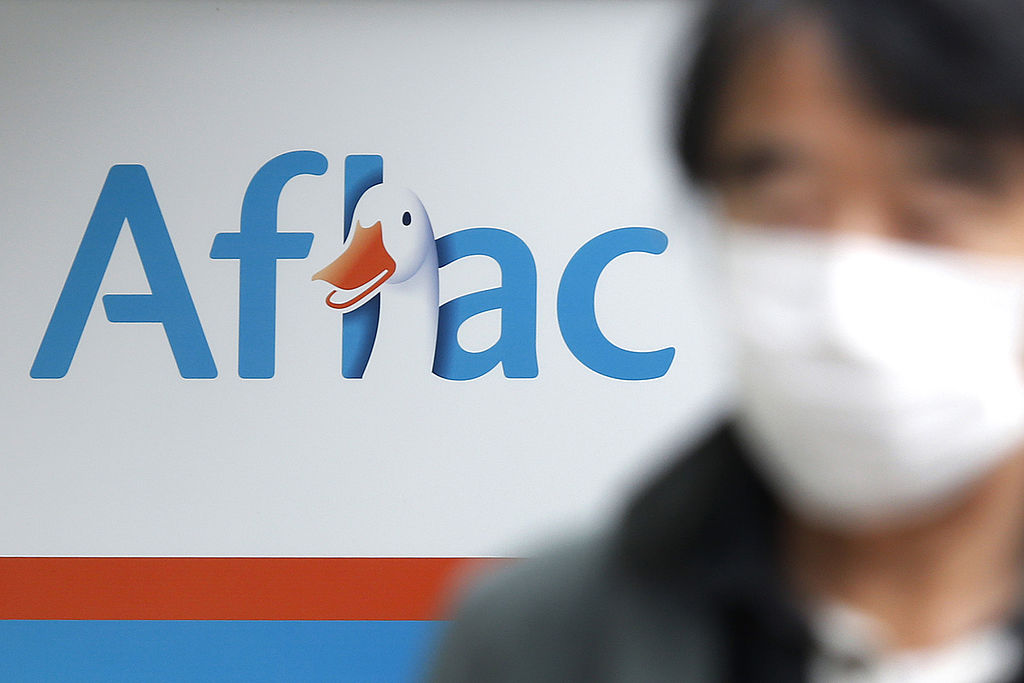
Aflac, the prominent U.S. supplemental insurance provider, has begun the arduous process of notifying approximately 22.65 million individuals that their personal and health data were compromised during a sophisticated cyberattack. This revelation, following an initial disclosure in June, underscores the escalating threat landscape faced by the financial and healthcare sectors, highlighting vulnerabilities within even well-established corporate infrastructures. The breach involved a broad spectrum of sensitive information, raising significant concerns about potential identity theft, financial fraud, and privacy infringements for a substantial portion of the company’s customer base.
Unpacking the Breach: What Was Stolen?
According to filings submitted to various state attorneys general, including Texas and Iowa, the stolen data encompasses highly sensitive categories of personal information. This includes fundamental identifiers such as customer names, dates of birth, and home addresses, which are often the first step in identity compromise. More critically, the breach exposed government-issued identification numbers, including passports, state ID cards, and driver’s license numbers. The most alarming component, however, is the theft of Social Security numbers (SSNs) and extensive medical and health insurance information. The combination of these data types creates a potent package for cybercriminals, enabling a wide array of illicit activities from opening fraudulent credit accounts to submitting false insurance claims or even exploiting medical identities.
The sheer volume of affected individuals, representing nearly half of Aflac’s reported 50 million customers, signifies a breach of immense scale. Such incidents reverberate far beyond the immediate financial implications for the company, casting a long shadow over consumer trust and the broader digital security posture of critical industries.
The Evolving Threat Landscape: A Deeper Look at the Attackers
Aflac’s filings provided crucial insights into the nature of the perpetrators, indicating that the cybercriminals responsible "may be affiliated with a known cyber-criminal organization" that has been "targeting the insurance industry at large." While Aflac did not explicitly name the group, federal law enforcement and third-party cybersecurity experts suggested a strong likelihood that the amorphous collective known as "Scattered Spider" was involved. This group, characterized by its predominantly young, English-speaking members, gained notoriety for its sophisticated social engineering tactics and its focus on data exfiltration and ransomware.
Scattered Spider, also referred to as UNC3944 or Oktapus by some cybersecurity researchers, has a track record of targeting large organizations, often leveraging techniques like SIM swapping and exploiting multi-factor authentication (MFA) weaknesses to gain initial access. Once inside a network, they are known for their speed in moving laterally, escalating privileges, and exfiltrating large volumes of data before deploying ransomware or otherwise disrupting operations. Their targeting of the insurance industry aligns with a broader trend where sectors rich in valuable personal and health information become prime targets for financially motivated cybercriminals. The illicit market for stolen medical records and SSNs fetches high prices due to their utility in committing long-term fraud, making insurance companies particularly attractive.
A Timeline of Digital Vulnerability
The Aflac incident is not an isolated event but rather a stark reminder of a persistent and intensifying wave of cyberattacks plaguing various sectors. The initial disclosure in June 2025, followed by the specific notification in December, suggests a multi-stage process involving detection, investigation, containment, and finally, public disclosure and individual notification—a standard, albeit often protracted, response sequence for major breaches.
Historically, the insurance industry has been a frequent target. In recent years, companies like Anthem (2015, affecting nearly 79 million people), Premera Blue Cross (2015, 11 million people), and more recently, numerous smaller providers have faced significant data compromises. These incidents underscore the rich trove of sensitive data that insurance companies manage, from financial details to highly personal health records, all of which are highly coveted on the dark web.
The period surrounding the Aflac breach also saw similar attacks on other insurance entities, including Erie Insurance and Philadelphia Insurance Companies. This simultaneous targeting reinforces the assessment that a coordinated or sector-wide campaign was underway, likely orchestrated by groups like Scattered Spider who identify and exploit common vulnerabilities or leverage broad reconnaissance to maximize their impact across an industry.
Market, Social, and Cultural Repercussions
The ramifications of a data breach of this magnitude extend far beyond the immediate technical fix. For the affected individuals, the primary concern is the heightened risk of identity theft and financial fraud. With SSNs, driver’s license numbers, and health information exposed, victims face the potential for fraudulent tax returns, unauthorized credit applications, medical identity theft (where someone uses another’s identity to receive medical care or prescription drugs), and even long-term damage to credit scores. Remediation often involves significant personal time and effort, even with the offer of credit monitoring services typically provided by breached entities. The psychological toll of knowing one’s most private information is in the hands of criminals can also be considerable, leading to anxiety and a pervasive sense of vulnerability.
For Aflac, the breach carries substantial business and reputational costs. Customer trust, a cornerstone of the insurance industry, can erode rapidly following such an event. The company faces potential lawsuits from affected individuals, regulatory fines from state and federal authorities (e.g., under HIPAA for health data, or state breach notification laws), and significant expenses related to incident response, forensic investigations, system enhancements, and customer support. The long-term impact on its brand image and market position could be considerable, potentially affecting customer acquisition and retention rates in a competitive market.
More broadly, this incident contributes to a growing societal concern about digital privacy and cybersecurity fatigue. As breaches become more frequent and larger in scale, there is a risk that individuals become desensitized, or conversely, increasingly distrustful of institutions that handle their data. This trend puts pressure on policymakers to enact stronger data protection laws and on corporations to invest more aggressively in robust cybersecurity measures, moving beyond compliance checklists to truly resilient defense strategies.
The Imperative for Enhanced Cybersecurity
The Aflac breach serves as a stark reminder that no organization, regardless of its size or industry prominence, is immune to cyber threats. The sophistication of modern cybercriminal organizations demands a multi-layered and adaptive security posture. This includes not only advanced technical controls like robust firewalls, intrusion detection systems, and encryption, but also strong employee training programs to counter social engineering tactics. Regular security audits, penetration testing, and incident response planning are critical components of a comprehensive defense strategy.
Furthermore, the interconnectedness of the digital world means that third-party vendor security is increasingly vital. Many breaches originate through vulnerabilities in supply chains or through service providers. Organizations like Aflac must ensure that their partners adhere to stringent security standards, as a weakness anywhere in the extended enterprise can become an entry point for attackers.
The analytical commentary suggests that the insurance industry, given its role as a custodian of vast quantities of sensitive personal and financial information, must elevate its cybersecurity maturity. This includes participating actively in threat intelligence sharing, collaborating with law enforcement, and investing in continuous security improvements. The cost of prevention, while significant, is almost invariably less than the cost of a major breach, both in financial terms and in the irreparable damage to reputation and customer trust.
Moving Forward: A Collective Responsibility
As Aflac navigates the aftermath of this substantial data compromise, the incident highlights a collective responsibility. Individuals must remain vigilant, monitoring their financial accounts and credit reports for suspicious activity, and taking advantage of identity protection services when offered. Organizations must prioritize cybersecurity as a core business function, not merely an IT concern, integrating it into strategic decision-making and allocating adequate resources. Regulators, in turn, must ensure that frameworks like HIPAA and various state data breach notification laws are enforced effectively, encouraging accountability and driving continuous improvement in data protection practices across industries. The Aflac breach, therefore, is not just a corporate incident; it is a critical lesson in the ongoing battle for digital security and privacy in an increasingly interconnected world.