Amir Mahmud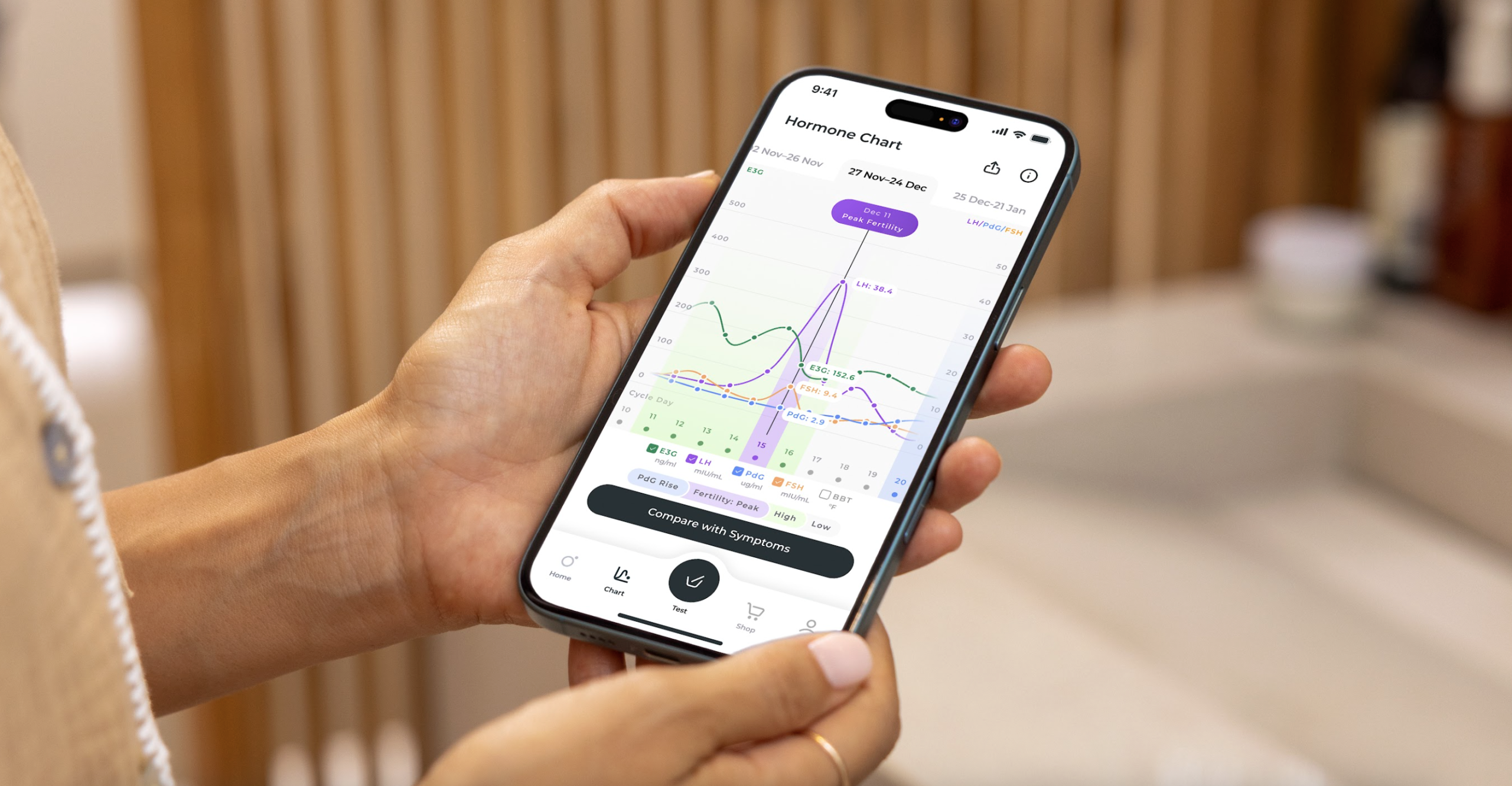
In a significant stride toward democratizing personal health management, Inito, a pioneering startup in the health technology sector, has successfully closed a Series B funding round, raising $29 million. This substantial capital infusion is earmarked to accelerate the scaling of its innovative at-home health diagnostics platform and to spearhead the development of a new generation of tests powered by advanced AI-designed antibodies. The investment underscores a growing market confidence in technologies that empower individuals with greater control over their health data and diagnostic capabilities, shifting the paradigm from clinic-centric to home-based monitoring.
The Evolving Landscape of At-Home Health Monitoring
The concept of at-home health testing has roots stretching back decades, with rudimentary kits for conditions like diabetes and pregnancy emerging in the mid-20th century. Initially, these tests offered qualitative results, primarily indicating the presence or absence of a particular marker. Over time, advancements in biochemistry and digital technology have paved the way for more sophisticated, quantitative analyses, bringing lab-grade precision into the privacy and convenience of one’s home. The rise of the "FemTech" industry, specifically, has amplified this trend, focusing on technologies designed to address women’s health needs, from menstruation and fertility to pregnancy and menopause. This segment has seen exponential growth, driven by a confluence of factors including increased health awareness, demand for personalized care, and the digital transformation of healthcare services. Consumers are increasingly seeking proactive health management tools that offer insights without the logistical challenges and time constraints often associated with traditional medical appointments and laboratory visits.
Inito’s Foundational Innovation in Fertility Tracking
When Inito first launched its fertility monitor in 2021, its primary objective was to bring quantitative fertility hormone testing directly into the hands of consumers. Before Inito, at-home ovulation tests typically relied on predicting fertile windows by detecting the surge in estrogen and Luteinizing Hormone (LH). While useful, these methods often fell short of providing a complete picture, as they could not definitively confirm ovulation. The crucial missing piece was the measurement of progesterone metabolite, PdG, which signals that ovulation has indeed occurred. Inito revolutionized this by integrating the measurement of four key hormones—estrogen, LH, progesterone (PdG), and Follicle-Stimulating Hormone (FSH)—onto a single, user-friendly test strip. This comprehensive approach, combined with proprietary AI models, allows the platform to interpret complex hormonal patterns, accurately pinpoint fertile days, and, critically, confirm ovulation with a level of precision previously only available through clinical lab tests. Since its inception, Inito has amassed and analyzed over 30 million fertility hormone data points, demonstrating its significant impact and widespread adoption among individuals actively tracking their reproductive health. This extensive dataset not only validates the platform’s utility but also provides invaluable insights for continuous refinement and future diagnostic development.
The Game-Changing Potential of AI-Engineered Antibodies
A cornerstone of Inito’s future expansion strategy is its significant investment in the development and application of AI-engineered antibodies. To understand the profound implications of this, it’s essential to grasp the role of antibodies in diagnostic testing. In both clinical laboratories and at-home tests, antibodies are the molecular tools responsible for binding to specific target molecules—or biomarkers—such as hormones like estrogen or testosterone. This binding action then produces a detectable signal, allowing for the quantification of the target substance. Traditionally, antibodies are generated through a laborious and costly process involving animal immunization, where animals are exposed to antigens to produce an immune response, followed by manual screening and isolation of suitable antibodies in a laboratory setting. This conventional method is often slow, expensive, and can yield antibodies that lack the sensitivity or consistency required for widespread, high-precision at-home diagnostics across a broad spectrum of biomarkers.
Inito’s approach, as articulated by co-founder and CTO Varun A Venkatesan, fundamentally transforms this process. By treating antibodies almost like software, the company leverages artificial intelligence to predict how proteins fold in three dimensions. This computational power enables the design of synthetic antibodies and the virtual testing of millions of variants before a single physical antibody is synthesized in a lab. This methodology yields antibodies that are "far more sensitive, consistent, and stable than anything developed through traditional methods," according to Venkatesan. This breakthrough not only promises to enhance the accuracy of existing tests but also unlocks the potential for developing entirely new types of diagnostic tests that were previously unfeasible for at-home use due to the limitations of traditional antibody technology. The ongoing research and development in Inito’s wet-lab are reportedly showing highly encouraging results, positioning this technology as a significant leap forward in diagnostic innovation.
Expanding Beyond Fertility: A Holistic Health Vision
With its robust technological foundation and substantial new funding, Inito is poised to transcend its origins as a fertility-focused platform. The company’s strategic vision, championed by co-founder and CEO Aayush Rai, is to evolve into a comprehensive hormone and at-home health diagnostics platform, extending its reach across various life stages and health needs. "The endgame is to redefine diagnostics altogether," Rai states, emphasizing a future where individuals are no longer constrained by clinic appointments or rigid testing schedules to understand their bodies. The immediate roadmap includes expanding the capabilities of its existing reader and app to power tests for pregnancy progression, menopause management, and a broader array of at-home health monitoring solutions. This will encompass a wider spectrum of endocrine markers, such as testosterone levels, which play a crucial role in both male and female health. This expansion aligns with a broader societal shift towards personalized and preventative medicine, where individuals are empowered with continuous, actionable insights into their physiological well-being. The ability to monitor these critical health markers from home, with "lab-grade confidence," promises to revolutionize how people engage with their healthcare, fostering a more proactive and informed approach to wellness.
Market Dynamics and Investment Landscape
The global market for at-home diagnostics and the broader FemTech industry is experiencing unprecedented growth. Valued in the billions, this market is driven by technological innovation, increasing consumer demand for convenience, and a growing recognition of the unique health needs of women. Venture capital firms are keenly observing and investing in this space, recognizing its potential for disruption and significant returns. Inito’s latest Series B funding round, led by prominent investors Bertelsmann India Investments and Fireside Ventures, brings the company’s total funding to approximately $45 million. This includes previous investments, notably $6 million also led by Fireside Ventures, and an additional $9 million from accelerators like Y Combinator, alongside contributions from former Nurx CEO Varsha Rao and a consortium of physicians and family offices. This diverse investor base reflects confidence not only in Inito’s current offerings but also in its ambitious long-term vision and technological prowess. The capital will also be strategically deployed to scale manufacturing operations and facilitate global expansion, addressing the surging demand across the United States and tapping into new international markets where access to advanced health diagnostics may be limited.
Challenges and Future Outlook
While Inito’s trajectory appears promising, the path to redefining diagnostics is not without its challenges. Regulatory hurdles, particularly in the highly scrutinized medical device and diagnostic sectors, will require meticulous navigation. Ensuring data privacy and security for the vast amounts of sensitive health information collected will also be paramount to maintaining user trust. Furthermore, while empowering individuals with data, there is a continuous need to ensure proper interpretation of results and to mitigate potential misinterpretations that could lead to anxiety or inappropriate self-treatment. The competitive landscape is also evolving rapidly, with numerous startups and established healthcare companies vying for a share of the burgeoning at-home diagnostics market. However, Inito’s focus on AI-engineered antibodies provides a distinctive technological advantage that could differentiate it significantly from competitors relying on more conventional methods. The company’s vision extends beyond mere product expansion; it aims to cultivate a comprehensive ecosystem where individuals can monitor, understand, and manage their health across their entire lifespan. By combining cutting-edge AI with accessible at-home testing, Inito is not merely offering new products but is striving to fundamentally shift the paradigm of health monitoring, making sophisticated diagnostic insights an integral and convenient part of everyday life. This innovative approach promises to significantly enhance personal health autonomy and contribute to a more preventative, personalized future for healthcare worldwide.