Amir Mahmud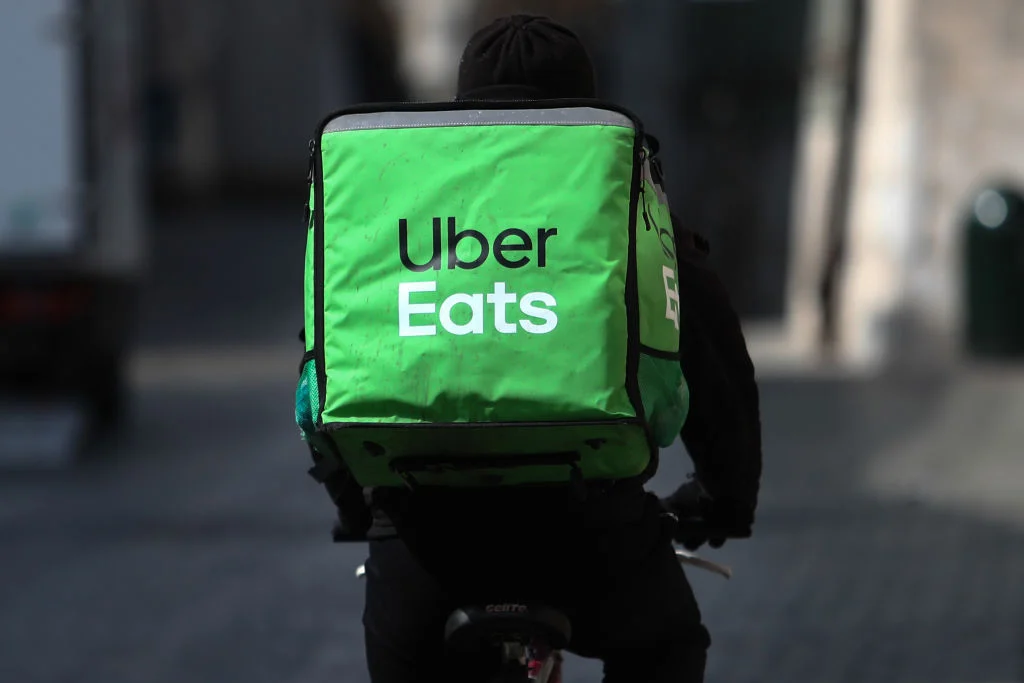
A significant strategic adjustment by a prominent ride-hailing and food delivery platform is reshaping its ambitious growth trajectory across the European continent. Initially slated for an aggressive expansion into seven new European markets by 2026, the company has reportedly put five of these planned launches on hold. Countries such as Austria, Norway, and Greece, previously identified as key territories for future operations, are now among those where market entry has been temporarily paused, signaling a potential shift in the firm’s continental strategy.
The decision, which emerged months after the initial announcement of its ambitious European expansion, appears to be multifaceted. While the company publicly cited a desire to "focus on continuing the momentum" in recently successful ventures, specifically highlighting its launches in Finland and Denmark, industry observers point to a more complex calculus. A major contributing factor is believed to be the ongoing, high-stakes efforts to acquire Delivery Hero, a dominant European food delivery enterprise that had previously rebuffed a substantial takeover bid. This intricate interplay between organic growth aspirations and strategic acquisition maneuvers underscores the dynamic and often challenging landscape of global technology expansion.
Navigating Europe’s Complex Regulatory Landscape
The European market has historically presented a unique blend of opportunities and formidable challenges for global technology companies, particularly those operating in the gig economy sector. Unlike the more unified regulatory environment often found in North America, Europe is characterized by a patchwork of national and sometimes even regional laws governing labor, competition, and data privacy. This fragmentation means that a successful strategy in one member state might be entirely unsuited or even illegal in another, requiring significant adaptation and localized approaches.
From its earliest days of international expansion, the mobility giant encountered substantial resistance across Europe. Its disruptive business model, which often bypassed traditional taxi licensing and labor regulations, led to widespread protests, legal battles, and outright bans in several cities and countries. Early services like "UberPOP," which connected passengers with unlicensed drivers, ignited fierce opposition from established taxi unions and drew the ire of regulators concerned about passenger safety, driver welfare, and fair competition. Over time, the company was compelled to evolve its approach, moving towards models that often involved partnering with licensed professional drivers or integrating more closely with existing transport infrastructure. This period of intense conflict and adaptation highlights the inherent difficulties of imposing a standardized, Silicon Valley-born model onto Europe’s diverse legal and cultural terrains.
The social and cultural fabric of Europe also plays a significant role in shaping market acceptance. Many European nations have strong traditions of worker protection, collective bargaining, and robust social safety nets. The gig economy model, characterized by flexible work arrangements and independent contractor status, has often clashed with these deeply ingrained values. Debates surrounding worker classification – whether drivers and couriers are employees or self-employed contractors – have raged across the continent, leading to landmark court rulings and legislative efforts aimed at providing gig workers with greater rights and benefits. These ongoing discussions add layers of complexity and cost to operating in Europe, often requiring companies to adjust their operational models to comply with evolving labor laws, such as ensuring minimum wages, paid leave, and access to social security contributions.
The Strategic Imperative: Pursuing Delivery Hero
Beyond the complexities of direct market entry, the company’s apparent pivot is strongly linked to its strategic pursuit of Delivery Hero. The Berlin-based food delivery giant represents a significant prize, boasting a substantial market share and operational footprint across numerous European countries, as well as in Asia, Latin America, and the Middle East. For the ride-hailing and food delivery titan, acquiring Delivery Hero would offer a multitude of benefits, primarily a rapid and expansive consolidation of its food delivery segment, Uber Eats, within key European territories.
Delivery Hero has built a robust network of restaurants and couriers, cultivating strong brand recognition and customer loyalty in markets where Uber Eats might be less established or facing intense competition. A successful acquisition would not only eliminate a major competitor but also provide immediate access to a pre-existing operational infrastructure, a vast customer base, and valuable market intelligence. This could allow for significant economies of scale, reduce customer acquisition costs, and strengthen its overall competitive position against other dominant players in the highly contested food delivery sector, such as Just Eat Takeaway.com.
The initial €10 billion takeover bid, reportedly rejected by Delivery Hero in May, underscores the high valuation and strategic importance placed on the target company. Such a significant investment signals a shift in the acquiring company’s European strategy, potentially prioritizing consolidation and market dominance through acquisition over the more gradual, resource-intensive process of organic expansion into new, smaller markets. The reasoning behind Delivery Hero’s rejection of the initial offer could range from valuation disagreements to concerns over regulatory hurdles, or even a desire to maintain independence or seek alternative strategic partners.
Antitrust Scrutiny and Market Consolidation
The pursuit of a major acquisition like Delivery Hero inevitably brings heightened scrutiny from antitrust authorities, particularly in the European Union. The European Commission, along with national competition watchdogs, is known for its rigorous approach to mergers and acquisitions, especially those involving dominant digital platforms. Their primary concern is to prevent market concentration that could harm consumer choice, stifle innovation, or lead to anti-competitive practices.
An industry source suggested that pausing direct expansion into countries where Delivery Hero already operates could be a tactical move designed to alleviate potential antitrust concerns. If the acquiring company were simultaneously launching its own services in these markets while attempting to acquire a major incumbent, competition authorities might view this as an attempt to monopolize or significantly reduce competition, making regulatory approval much harder to secure. By stepping back from organic expansion in markets like Austria, Norway, and Greece – territories where Delivery Hero has an established presence – the acquiring company might be signaling to regulators that its primary goal is to integrate existing services rather than to aggressively push out competitors through dual-pronged market entry and acquisition strategies.
The history of tech mergers in Europe is replete with examples of deals being blocked, modified, or subjected to lengthy investigations by competition authorities. For instance, the European Commission has closely scrutinized mergers in various digital sectors, often demanding concessions from companies to ensure fair competition. The acquiring company’s past regulatory skirmishes across Europe further underscore its awareness of these challenges. This strategic pause, therefore, can be interpreted as a pragmatic response to the complex regulatory environment, aimed at smoothing the path for a potentially transformative acquisition that could redefine the European food delivery landscape.
Broader Implications for the Gig Economy
The decision to temporarily halt expansion has broader implications for the gig economy across Europe. For consumers in the affected countries, it means a delay in the introduction of a new, major player, potentially limiting choice and competition in ride-hailing and food delivery services. Existing local providers or traditional taxi services might breathe a sigh of relief, gaining more time to solidify their positions or innovate without immediate pressure from a global titan.
For potential gig workers in Austria, Norway, and Greece, the pause translates into fewer immediate opportunities for flexible work with the international platform. This could shift the focus to local alternatives or other sectors, highlighting the precariousness that can accompany reliance on the expansion plans of large multinational corporations. The ongoing debates about worker rights and fair compensation in the gig economy will likely continue to shape how these companies operate and expand in Europe, irrespective of their specific market entry strategies.
Culturally, the sustained scrutiny of gig economy models in Europe reflects a broader societal conversation about the future of work, labor protections, and the role of technology in shaping economic landscapes. While some embrace the flexibility and convenience offered by these platforms, others express deep reservations about their impact on traditional employment models and social welfare systems.
Looking Ahead: An Evolving European Playbook
This strategic recalibration underscores a maturing phase for global tech firms in Europe. The era of aggressive, often confrontational, market entry tactics is largely giving way to more nuanced strategies that prioritize regulatory compliance, strategic partnerships, and targeted acquisitions. For the company in question, the decision to pause organic expansion in favor of potentially consolidating its position through a major acquisition represents a significant evolution in its European playbook.
The outcome of the Delivery Hero acquisition attempt will undoubtedly dictate much of the company’s future trajectory in Europe. A successful acquisition could see it emerge as an even more dominant force, particularly in food delivery, enabling it to leverage a vast, integrated network. Conversely, if the acquisition fails, the company might revisit its organic expansion plans, albeit with lessons learned from the current strategic pause. Regardless, the move signals a shift towards a more considered, less purely growth-at-all-costs approach in one of the world’s most complex and heavily regulated digital markets. The future of its European ambitions appears to be less about rapid, widespread market penetration and more about strategic consolidation and navigating the intricate balance between innovation, regulation, and competitive advantage.