Amir Mahmud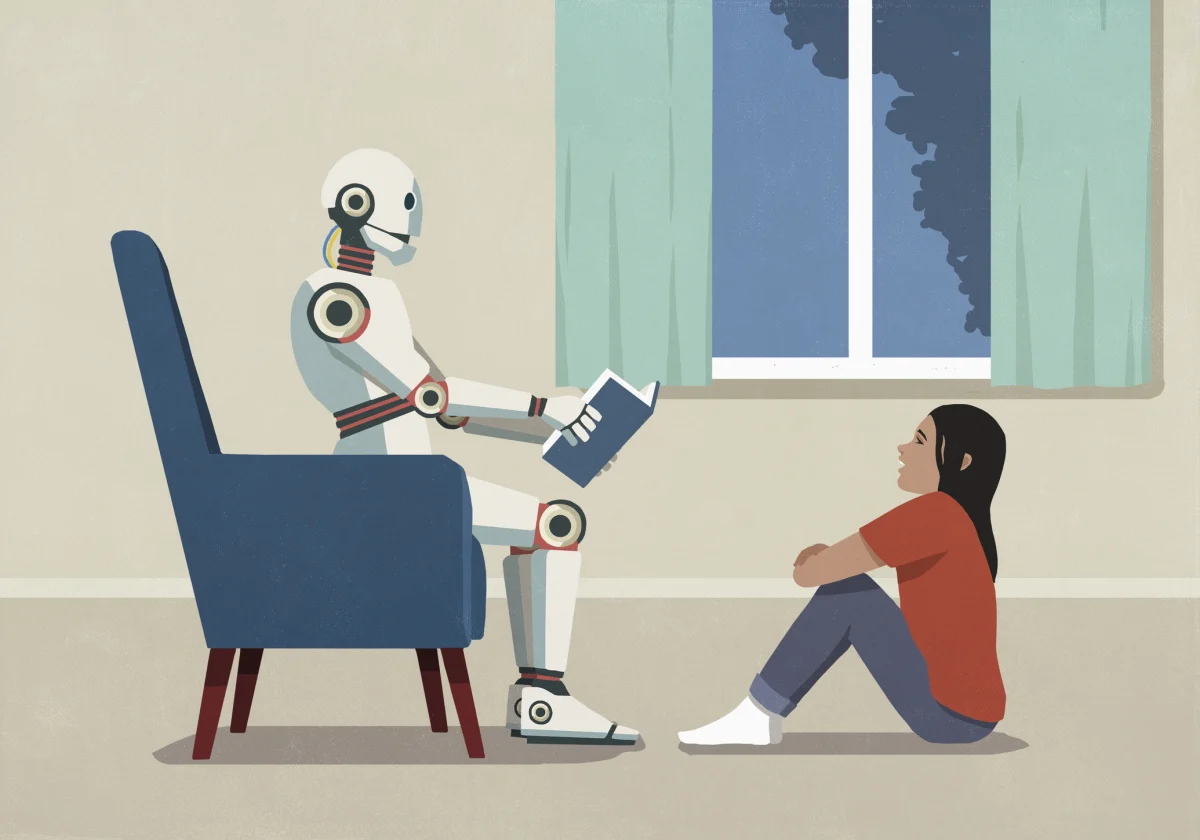
Meta Platforms, a prominent technology conglomerate, is currently piloting an artificial intelligence-powered application named StoryKit, designed to craft personalized stories for children. This innovative tool, which has surfaced in select international markets, enables users to generate unique narratives complete with custom characters, settings, and moral lessons, all without the need for manual writing. The initiative marks another significant stride in the integration of generative AI into everyday consumer applications, particularly within the sensitive domain of children’s content and family engagement.
The Dawn of Automated Storytelling
StoryKit offers a streamlined approach to creating bedtime stories or any narrative content for young audiences. According to its description in various app store listings, the application allows parents or guardians to easily develop bespoke tales. Users can personalize characters by uploading photographs of a child’s favorite toy or even a family member, thereby "bringing them to life" within the story. Further customization extends to describing the desired world or environment for the narrative and selecting a specific moral or value to embed, such as kindness, courage, or empathy, ensuring the message is delivered subtly within the story’s arc rather than as a direct lecture. The app also integrates background music to enhance the immersive experience. This functionality underscores a broader trend in AI development: making sophisticated generative capabilities accessible to a wide audience, simplifying creative tasks that once required significant human input.
The existence of StoryKit first came to public attention through reports from technology publications, prompting Meta to confirm its pilot phase. A spokesperson for Meta clarified that StoryKit is intended as a creative storytelling platform for crafting imaginative storybooks for children. The company emphasized its commitment to safety, noting the integration of AI safety filters and the absence of social features within the app. Furthermore, access to StoryKit is restricted to users over the age of 18, reflecting a conscious effort to ensure responsible usage and content moderation, particularly given the app’s target demographic of young children.
Meta’s Broader AI Vision and Context
Meta’s foray into AI-generated children’s stories is not an isolated endeavor but rather a piece of its much larger, aggressive strategy to lead in the generative artificial intelligence space. The company has poured billions into AI research and development, aiming to integrate AI capabilities across its vast ecosystem of products, including Facebook, Instagram, and WhatsApp, as well as its metaverse initiatives. From advanced AI assistants to sophisticated image and video generation tools, Meta is positioning itself as a key player in shaping the future of human-computer interaction. StoryKit can be seen as an experimental step towards demonstrating the practical, consumer-facing applications of its underlying large language models and generative AI technologies.
This push into generative AI by Meta and other tech giants like Google, Microsoft, and OpenAI has roots in decades of AI research. While early AI focused on rule-based systems and narrow tasks, the recent explosion in generative AI, particularly since the introduction of transformer models and large language models (LLMs) in the late 2010s, has revolutionized what machines can create. These models are trained on vast datasets of text, images, and audio, enabling them to generate novel content that often mirrors human creativity. From composing music to writing code, and now, crafting personalized bedtime stories, the capabilities of generative AI are rapidly expanding, challenging traditional notions of authorship and creativity.
The Enduring Art of Storytelling
Humanity’s relationship with storytelling is as old as civilization itself. From ancient oral traditions passed down through generations around campfires to epic poems, fables, and myths, narratives have served as fundamental vehicles for transmitting knowledge, values, and cultural identity. Storytelling is not merely about conveying information; it’s an act of connection, imagination, and shared experience. Parents improvising tales for their children, or reading from cherished books, engage in a deeply personal and interactive ritual. This tradition fosters language development, emotional intelligence, and critical thinking in children, while also strengthening bonds between caregiver and child.
The introduction of AI into this deeply human domain inevitably sparks debate. On one hand, StoryKit offers unparalleled convenience for busy parents who may lack the time or creative energy to invent new stories on demand, especially when faced with specific, whimsical requests from a child. The ability to instantly generate a story about a "space-traveling turtle and a hedgehog detective" could be a welcome relief for exhausted caregivers. On the other hand, critics argue that outsourcing such a fundamental act of human connection to an algorithm risks diminishing the unique, spontaneous, and often imperfect charm of human-generated narratives. The nuances of a parent’s voice, the unplanned diversions, or the collaborative elements of co-creating a story with a child could be lost when relying on an AI-generated script.
Market Dynamics and Societal Implications
The potential market for an application like StoryKit is considerable. Modern parenting often involves juggling demanding careers, household responsibilities, and the myriad needs of children. Any tool that promises to save time while still providing engaging, personalized content for children could find a receptive audience. This positions StoryKit within the broader market of digital educational and entertainment apps for children, a sector that has seen consistent growth. However, it also brings AI into direct competition with traditional children’s book publishers, authors, and even other digital platforms that offer curated human-written stories. The economic implications for creators in the children’s media industry, as AI tools become more sophisticated and ubiquitous, are a subject of ongoing discussion and concern.
Socioculturally, the widespread adoption of AI storytelling could influence how children perceive creativity and authorship. If a significant portion of their early narratives are generated by algorithms, how might this shape their own imaginative development or their understanding of where stories come from? There is a school of thought that suggests exposure to diverse, human-created narratives is crucial for developing empathy, critical thinking, and a nuanced understanding of the human experience. AI-generated stories, while technically proficient, might lack the inherent biases, quirks, and profound emotional depth that often characterize human creativity. Conversely, proponents argue that AI can serve as a powerful creative tool, a starting point or an assistant, rather than a replacement for human imagination. It could democratize storytelling, making personalized narratives accessible to more families.
Ethical Considerations and Safeguarding Children
Given that StoryKit is designed for children, albeit operated by adults, the ethical considerations are paramount. Meta’s emphasis on AI safety filters and restricting access to adults highlights an awareness of these concerns. Content moderation is crucial to prevent the generation of inappropriate, biased, or harmful narratives. The data used to train such models, and the data generated through user interaction, also raise privacy questions, particularly concerning children’s information, even if indirectly collected. Ensuring that AI-generated content aligns with developmental psychology and educational best practices for young children is another significant challenge.
The concept of "AI safety" for generative models is a complex and evolving field. It encompasses everything from preventing the generation of hate speech or misinformation to ensuring fairness and mitigating algorithmic bias. For children’s content, this also extends to safeguarding against themes that might be frightening, confusing, or developmentally inappropriate. While Meta states it has implemented safety filters, the dynamic nature of generative AI means constant vigilance and refinement are necessary.
The Future of Imagination in a Digital Age
StoryKit represents a fascinating intersection of technological innovation, parental needs, and the timeless art of storytelling. It embodies the promise of AI to offer convenience and personalization, yet it also prompts essential questions about the value of human-led creative endeavors and the potential long-term impacts on imagination and connection. As generative AI continues its rapid evolution, society faces the challenge of discerning how best to integrate these powerful tools into our lives, especially when it comes to nurturing the next generation. The choice to embrace, adapt, or resist such technologies ultimately rests with individuals and families, shaping whether AI becomes a co-creator, a convenient assistant, or a potential detractor from the uniquely human magic of a shared story. The story of AI’s role in our lives, much like a bedtime tale, is still being written, with each new application adding another chapter to its unfolding narrative.