Amir Mahmud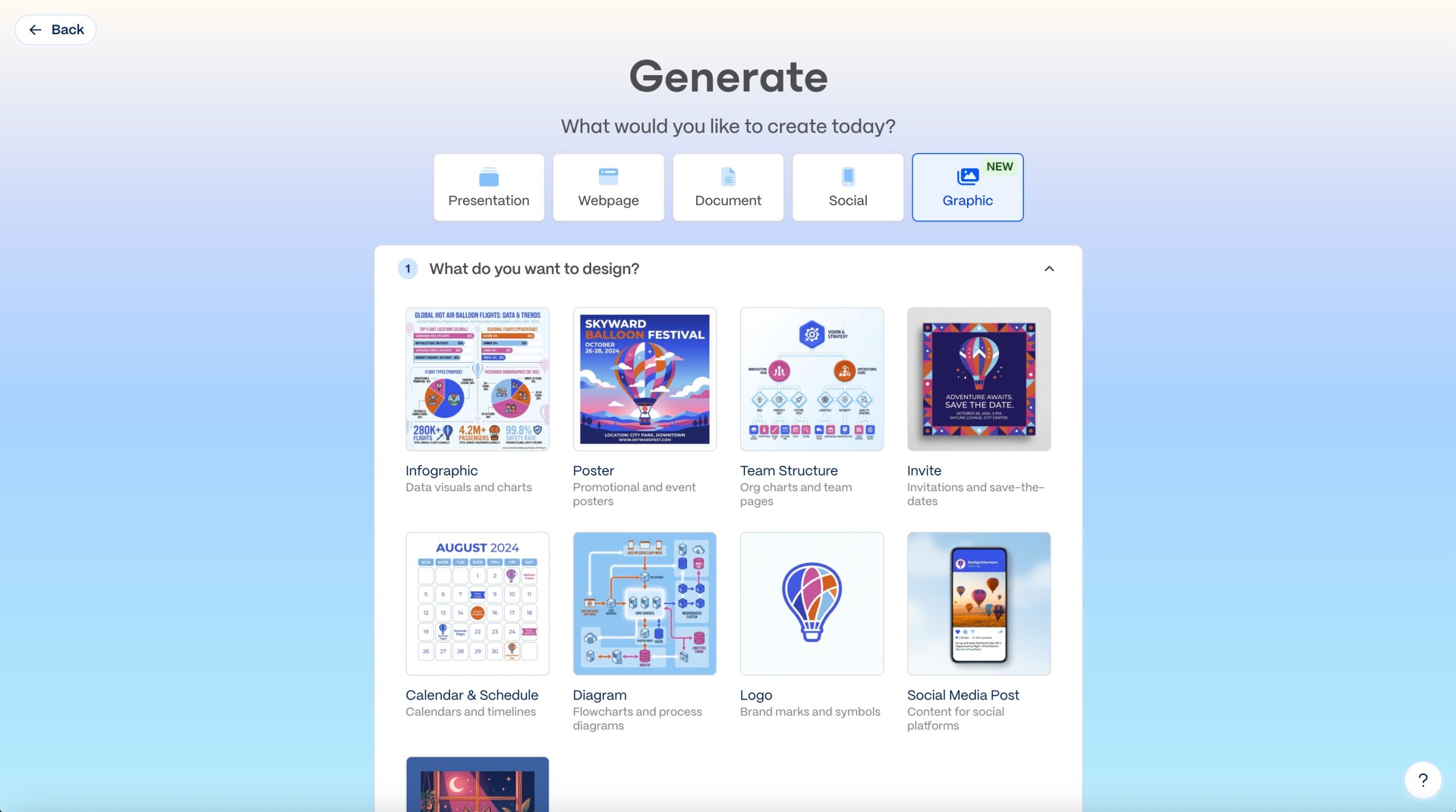
Gamma, a burgeoning platform known for leveraging artificial intelligence to streamline the creation of presentations and websites, is now expanding its formidable capabilities with the introduction of a new image generation product. This strategic move, dubbed "Gamma Imagine," positions the company to directly challenge established giants in the creative software industry, such as Canva and Adobe, by offering AI-driven tools designed to produce a wide array of marketing and visual assets. The launch signifies Gamma’s ambition to capture a larger segment of the digital content creation market, catering particularly to professionals and knowledge workers seeking efficiency and sophisticated design without extensive technical expertise.
The Evolution of AI-Powered Visuals
The landscape of digital content creation has undergone a profound transformation over the past decade, driven initially by the democratization of design tools and more recently by the rapid advancements in artificial intelligence. Historically, professional-grade visual content creation was the exclusive domain of skilled designers equipped with complex, often expensive, software suites like Adobe Photoshop and Illustrator. These tools, while powerful, demanded significant training and a deep understanding of design principles, creating a barrier to entry for many individuals and small businesses.
The emergence of user-friendly platforms like Canva fundamentally shifted this paradigm. Canva, launched in 2013, revolutionized design by offering an intuitive drag-and-drop interface, extensive template libraries, and a collaborative environment, making professional-looking graphics accessible to millions of non-designers. This accessibility fueled a cultural shift, empowering marketers, educators, and entrepreneurs to create their own visual content rapidly and affordably, thereby fostering a vibrant ecosystem of digital communication.
More recently, artificial intelligence has begun to redefine the boundaries of creativity. Generative AI, in particular, has moved from theoretical concepts to practical applications, enabling machines to create original text, audio, video, and, crucially, images from simple textual prompts. This technological leap has paved the way for platforms like Gamma, which aim to integrate these advanced AI capabilities directly into the workflow of everyday business and creative tasks. Gamma itself entered this evolving market by providing an AI-powered alternative to traditional presentation software, focusing on speed, elegance, and intelligent content generation for pitch decks, reports, and digital documents. The company’s initial success demonstrated a clear market demand for AI-assisted content creation, setting the stage for its latest expansion.
Gamma’s Strategic Expansion into Image Generation
The introduction of Gamma Imagine marks a significant broadening of Gamma’s product portfolio. This new offering empowers users to generate diverse brand-specific visual assets directly from text descriptions. The suite is engineered to produce everything from interactive charts and data visualizations to marketing collateral, social media graphics, and detailed infographics. By integrating these capabilities, Gamma aims to provide a comprehensive visual communication toolkit that extends far beyond its original presentation-focused scope.
Central to Gamma Imagine’s functionality is its reliance on sophisticated artificial intelligence models that interpret natural language prompts and translate them into visual output. The platform currently boasts an extensive library of over 100 templates, which users can customize and populate with AI-generated content, ensuring brand consistency and accelerating the design process. This blend of structured templates and generative AI offers a flexible approach, allowing for both rapid deployment of standard assets and the creation of unique, bespoke visuals tailored to specific campaign needs.
To power its data-driven asset generation features and enhance overall workflow efficiency, Gamma is integrating with a suite of cutting-edge AI models and automation tools. This includes partnerships with prominent large language models (LLMs) like ChatGPT and Claude, which provide the advanced natural language understanding necessary for accurate prompt interpretation and content generation. Furthermore, integrations with workflow automation platforms such as Make and Zapier allow users to connect Gamma Imagine with other business applications, streamlining content distribution and publishing processes. Additional integrations with collaboration tools like Atlassian and Superhuman Go, alongside the open-source automation platform n8n, signify a concerted effort to embed Gamma Imagine seamlessly into existing organizational workflows, enhancing productivity across teams. These integrations underscore Gamma’s commitment to building an interconnected ecosystem where AI-driven design is not an isolated function but an integral part of broader business operations.
Targeting the Underserved Creative Professional
Grant Lee, CEO and co-founder of Gamma, articulated the rationale behind this strategic pivot, explaining that early user feedback revealed a significant demand for broader graphical design capabilities beyond traditional presentation formats. "As we started working with a lot of our early users, we realized that in the presentations they want to create, there was a variety of graphical design use cases that they all also had," Lee commented. He emphasized that the company developed this new set of tools in close collaboration with its user base to address these evolving needs, pushing the platform "far beyond just the traditional presentation format."
Lee positions Gamma as a crucial intermediary in the creative software spectrum, occupying a valuable space between high-end professional design tools like Adobe Creative Suite and Figma, and more conventional, legacy applications such as Microsoft PowerPoint. He asserts that a substantial segment of "knowledge workers and business professionals" are currently underserved. These individuals frequently require compelling visual communication as part of their job responsibilities but often lack the specialized tools, design skills, or access to dedicated design resources necessary to achieve their objectives effectively.
This "long tail" of users includes a diverse group: small business owners managing their own marketing, educators creating engaging lesson materials, consultants developing impactful client reports, and various corporate professionals needing to communicate complex information visually. For these users, traditional professional software can be overly complex and expensive, while legacy tools often fall short in terms of modern design aesthetics and efficiency. Gamma aims to bridge this gap by offering an AI-native approach that simplifies and accelerates the creation of high-quality visuals, democratizing sophisticated design capabilities for a broader audience who previously had to either compromise on quality or invest heavily in external design services. By providing an accessible, AI-powered solution, Gamma seeks to empower these professionals to produce visually engaging content independently, fostering greater autonomy and efficiency in their work.
Financial Backing and User Growth: A Testament to Market Demand
Gamma’s journey to becoming a significant player in the AI productivity space has been bolstered by substantial investor confidence and impressive user adoption. In November of the preceding year, the company successfully closed a Series B funding round, raising $68 million. This significant investment was led by the prominent venture capital firm a16z (Andreessen Horowitz), valuing Gamma at an impressive $2.1 billion. This valuation underscores the investment community’s strong belief in Gamma’s potential to disrupt traditional software markets and its capacity for sustained growth within the rapidly expanding AI sector.
At the time of this funding announcement, Gamma also reported robust financial performance and user engagement. The company stated an Annual Recurring Revenue (ARR) of $100 million, a key metric indicating the predictable revenue generated from subscriptions, which signals a healthy and scalable business model. Furthermore, Gamma announced a user base of 70 million individuals. This figure has continued its upward trajectory, with the company recently confirming that it is now approaching 100 million users. Such rapid growth in its user base, nearly reaching a nine-figure milestone, is a powerful indicator of Gamma’s widespread appeal and the substantial market demand for its AI-driven solutions. This expansion highlights not only the effectiveness of its existing platform but also the strong anticipation for new features like Gamma Imagine, positioning the company for continued influence in the digital content creation landscape.
The Broader Implications of AI in Creative Workflows
The emergence of AI-powered design tools like Gamma Imagine carries significant implications for the broader creative industry and the future of work. On one hand, these tools promise unparalleled efficiency and accessibility. They can drastically reduce the time and effort required to produce high-quality visual content, allowing individuals and businesses to iterate faster, scale their content production, and maintain brand consistency across numerous platforms. This democratizes design, enabling more people to express their ideas visually without needing specialized artistic training or expensive software. For small businesses and startups, this can mean a level playing field against larger competitors with dedicated design teams.
However, this rapid advancement also sparks important discussions and concerns. The quality and originality of AI-generated content remain a topic of ongoing debate. While AI can produce visually appealing assets, the nuances of human creativity, emotional resonance, and unique artistic vision are still largely the domain of human designers. There are also ethical considerations surrounding data provenance, potential biases embedded in training data that could lead to stereotypical or unrepresentative outputs, and intellectual property rights concerning AI-generated images. As AI models learn from vast datasets of existing human-created art, questions arise about ownership, fair use, and compensation for original artists.
From a labor market perspective, AI tools are likely to redefine roles within creative teams. Rather than fully replacing human designers, AI could act as a powerful co-pilot, automating mundane tasks, generating initial concepts, or handling large-scale variations. This could free up human designers to focus on higher-level strategic thinking, conceptual development, and adding the unique human touch that AI currently struggles to replicate. The cultural impact of AI in design could lead to new aesthetic trends, where AI-generated styles become recognizable, and prompt engineering itself evolves into a new form of creative expression. The ongoing challenge for companies like Gamma will be to balance the promise of automation with the imperative of fostering genuine human creativity and addressing the ethical complexities that accompany this powerful technology.
Future Outlook: Redefining Design for the Digital Age
Gamma’s expansion into AI image generation with Gamma Imagine is more than just a product launch; it represents a bold statement about the future direction of digital content creation. By strategically positioning itself between the high-end professional tools and the accessible, template-driven platforms, Gamma is carving out a distinct niche for itself. The company’s emphasis on an "AI-native approach" suggests a foundational belief that artificial intelligence will not merely augment existing workflows but fundamentally redefine how visual content is conceived, created, and disseminated.
The competitive landscape is undoubtedly fierce. Canva continues to innovate, regularly integrating new AI features and expanding its enterprise offerings, while Adobe, with its deep roots in professional design, is heavily investing in its own generative AI capabilities through initiatives like Adobe Firefly, aiming to keep its professional user base at the cutting edge. Microsoft, too, is integrating more AI features into its Office suite, acknowledging the need for enhanced visual communication in its widely used applications.
For Gamma, success will hinge on several factors: the continued refinement of its AI models to produce increasingly high-quality, customizable, and unique visuals; the seamless integration of these tools into diverse business workflows; and its ability to maintain an intuitive user experience that keeps design accessible without sacrificing power. As businesses and individuals increasingly rely on compelling visual narratives to communicate in a crowded digital world, platforms that can deliver both efficiency and creative freedom through intelligent automation will hold a significant advantage. Gamma Imagine’s debut underscores a broader trend: the ongoing revolution where AI is not just a feature but the very core of next-generation productivity and creativity tools, poised to reshape how we interact with and create digital content for years to come.