Amir Mahmud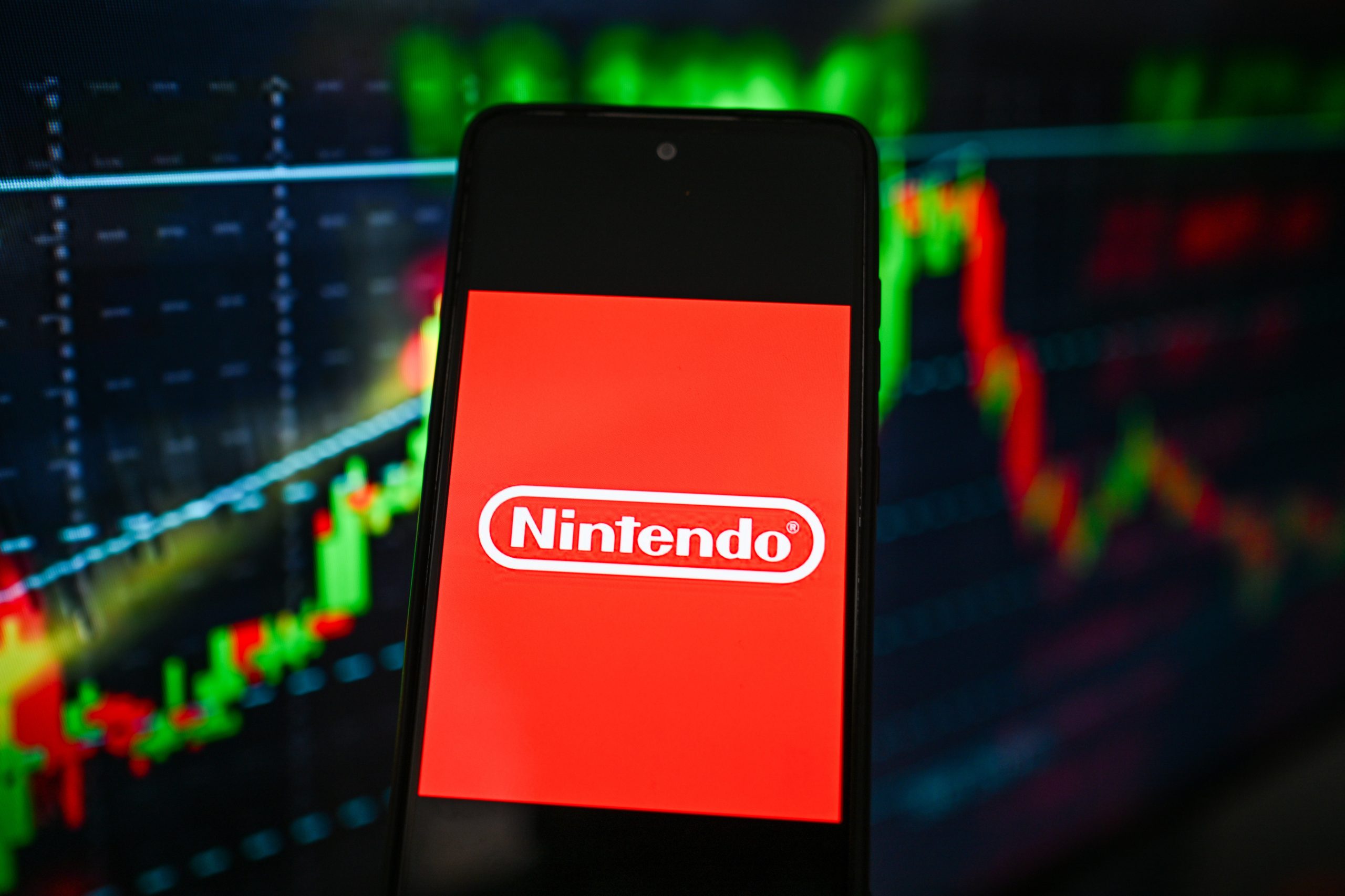
Nintendo, the venerable Japanese video game developer and console manufacturer, has initiated legal proceedings against the United States government, seeking a refund for tariffs it paid under a controversial executive order. The company’s lawsuit, lodged in the U.S. Court of International Trade, aims to reclaim duties imposed during the Trump administration under the International Emergency Economic Powers Act (IEEPA), following a pivotal Supreme Court decision that invalidated the legal basis for these specific levies. This action places Nintendo among a growing cohort of over a thousand global businesses collectively pursuing restitution for an estimated $200 billion in import tariffs.
The Genesis of the Dispute: Trump-Era Tariffs and IEEPA
The legal battle stems from a series of tariffs first imposed by the Trump administration, primarily targeting goods from China, beginning in 2018. These duties were presented as a strategic measure to address perceived unfair trade practices, intellectual property theft, and a significant trade imbalance between the U.S. and China. The administration argued that these actions were necessary to protect American industries and national security, invoking the International Emergency Economic Powers Act (IEEPA) as the legal foundation for its authority.
IEEPA, enacted in 1977, grants the President broad powers to regulate international commerce during a declared national emergency. Historically, it has been utilized for sanctions against foreign adversaries, freezing assets, or controlling financial transactions in times of crisis. Its application to impose widespread tariffs on a broad category of imported goods, however, marked a significant departure from previous interpretations and sparked immediate legal and economic debate. Critics argued that such extensive use of IEEPA circumvented Congress’s constitutional authority over trade and taxation, effectively allowing the executive branch to unilaterally reshape international trade policy.
A Legal Showdown: Presidential Authority Challenged
From the outset, the tariffs faced staunch opposition, not only from foreign governments but also from domestic businesses and legal scholars. Companies across various sectors, from manufacturing to retail, found themselves grappling with increased operational costs, supply chain disruptions, and the difficult choice of absorbing the tariffs or passing them on to consumers. Many argued that the tariffs were an illegal tax on American consumers and businesses, rather than a punitive measure against foreign nations.
The legal challenges escalated, culminating in a landmark Supreme Court decision that ultimately undermined the basis for a significant portion of these tariffs. The Court ruled that President Trump had indeed exceeded the authority granted to him by IEEPA in imposing certain duties. The Court’s reasoning centered on the interpretation of IEEPA’s scope, emphasizing that while the act provides emergency powers, it does not grant the President unlimited discretion to impose tariffs without clear congressional authorization. This decision reinforced the constitutional principle of separation of powers, particularly regarding Congress’s prerogative over trade and revenue. It signaled a clear judicial pushback against executive overreach in economic policy.
The Floodgates Open: Companies Seek Recourse
The Supreme Court’s ruling served as a catalyst, opening the floodgates for a wave of lawsuits from companies seeking to recoup the tariffs they had paid under what was now deemed an unlawful imposition. The U.S. Court of International Trade, a specialized federal court with exclusive jurisdiction over civil actions arising out of federal laws governing international trade, has become the primary forum for these claims.
The sheer volume of these cases underscores the immense financial burden these tariffs placed on global businesses. According to court filings, the total amount collected through these specific tariffs reached an staggering sum exceeding $200 billion. Each lawsuit represents a company’s attempt to recover millions, if not billions, of dollars that directly impacted their bottom line. The administrative and financial implications of processing such a vast number of refund claims for the U.S. Treasury are considerable, potentially requiring extensive review of import records and financial transactions spanning several years.
Nintendo’s Specific Plea and Industry Impact
Nintendo’s decision to join this legal fray highlights the pervasive impact of these trade policies across diverse industries. As a global corporation heavily reliant on international supply chains for the manufacturing and distribution of its popular gaming consoles, accessories, and software, Nintendo faced significant exposure to these tariffs. The company’s products, including the highly successful Nintendo Switch, are predominantly manufactured in East Asia, making them direct targets of the U.S. tariffs on Chinese-made goods.
For a company like Nintendo, increased import duties translate directly into higher production costs. These costs can either erode profit margins, be passed on to consumers through higher retail prices, or necessitate complex adjustments to supply chain logistics, potentially involving relocating manufacturing facilities or diversifying suppliers—a costly and time-consuming endeavor. While Nintendo has remained tight-lipped about the specifics of its financial losses, its lawsuit confirms the material impact these tariffs had on its operations. The gaming industry, in general, is particularly sensitive to such economic pressures, given the global nature of its consumer base and the intricate supply networks required to bring consoles and games to market. The tariffs prompted many electronics manufacturers to re-evaluate their reliance on single-country manufacturing hubs, accelerating a broader trend towards supply chain diversification and resilience.
Economic Ripple Effects and Consumer Burden
Beyond the direct financial hit to corporations, the Trump-era tariffs generated significant economic ripple effects. Economists widely debated their effectiveness, with many arguing that the costs were largely borne by American consumers and businesses, rather than primarily by the targeted foreign countries. Studies by various economic research institutions suggested that the tariffs led to higher prices for imported goods, contributing to inflationary pressures and reducing consumer purchasing power.
For instance, the cost of electronics, clothing, and household goods saw increases as importers either absorbed the tariffs at reduced profit or passed them along. This meant that the average American household indirectly subsidized the trade policy through elevated prices for everyday items. Furthermore, the tariffs introduced considerable uncertainty into the business environment, discouraging long-term investment and potentially hindering economic growth. While the stated goal was to bring manufacturing jobs back to the U.S., evidence for a significant re-shoring trend directly attributable to these tariffs remains contested. Instead, many companies sought to shift production to other Asian countries, rather than returning to American soil, thereby changing the global manufacturing landscape without necessarily achieving the intended domestic job creation.
The Ongoing Legal and Political Landscape
The legal landscape surrounding these tariffs remains dynamic and politically charged. Following the initial Supreme Court decision, which President Trump controversially labeled "extraordinarily anti-American," his administration responded by raising tariffs on certain imports from 10% to 15%. This subsequent action immediately triggered a new wave of legal challenges, with 24 states filing lawsuits arguing that the President had once again overstepped his constitutional authority.
These ongoing legal battles underscore a fundamental tension in American governance: the balance of power between the executive and legislative branches, particularly concerning economic policy and national security. The Supreme Court’s decisions in these cases have critical implications for defining the limits of presidential power under emergency statutes and for setting precedents for future administrations contemplating similar trade actions. The legal challenges reflect a broader societal debate about the role of tariffs in modern trade policy, their economic efficacy, and their alignment with established constitutional frameworks.
Looking Ahead: Precedent and Policy
The resolution of Nintendo’s lawsuit and the thousands of similar claims will have profound implications. Beyond the substantial financial restitution for affected companies, these cases will further solidify the legal boundaries of presidential authority in trade matters. The judicial branch has clearly signaled its role as a check on executive power, ensuring that emergency statutes are not unilaterally stretched beyond their intended scope.
For future administrations, these precedents will serve as critical guidelines, potentially leading to more cautious and congressionally aligned approaches to trade policy. The focus may shift towards multilateral agreements, targeted subsidies, or other tools that have clearer legislative mandates. The ongoing litigation also highlights the importance of stable and predictable trade environments for global commerce. Companies like Nintendo thrive on certainty in international regulations to plan investments, manage supply chains, and deliver products to a global consumer base efficiently. The protracted nature of these legal disputes, while necessary for upholding the rule of law, also serves as a stark reminder of the costs of policy uncertainty and the far-reaching impact of executive actions on the global economy. As the U.S. Court of International Trade processes these claims, the outcomes will undoubtedly shape not only corporate balance sheets but also the very framework of American trade policy for years to come.